




Bamboo Leaf Tea: Where to Buy, Seasonal Sources, and Choosing Freshness

Introduction
Bamboo leaf tea is rapidly gaining popularity among herbal enthusiasts looking for a mild, pleasant beverage that has been traditionally appreciated for its soothing character. If you’re curious about where to buy bamboo leaf tea, you may be surprised to learn there are a variety of sources—ranging from Asian grocery stores and farmers’ markets to specialty herb suppliers and trusted online retailers. The many formats available, like loose-leaf, bagged, or even in bulk, offer flexibility for different preferences and brewing styles. Understanding which source and format best suits your needs, as well as how to gauge freshness when shopping, is essential for an enjoyable tea experience. This guide walks you through the seasonal availability of bamboo leaf tea, explains its different formats, and provides clear tips on how to select the freshest option every time.
Exploring Bamboo Leaf Tea Sources Throughout the Year
Bamboo leaf tea may not be as commonly found as black or green tea, but knowing where and when to look can make sourcing it much easier. Availability fluctuates seasonally depending on location, harvest cycles, and the specialty of each supplier. Below are the primary sources to consider:
Asian Grocery Stores
Many Asian grocery stores stock bamboo leaf tea year-round. These outlets usually source their products from regions where bamboo is naturally abundant, and tea-based products are a cultural staple. Availability is relatively consistent here, but special seasonal promotions may affect stock.
Local Tea Shops and Herbalists
Independent tea shops or apothecaries often carry a selection of herbal teas, including bamboo leaf choices. These shops typically refresh their inventory based on demand and harvest timing, so asking staff about upcoming shipments or peak times (often after spring or summer harvests) can yield fresher batches.
Farmers’ Markets
For those seeking locally sourced produce, farmers’ markets in regions where bamboo is cultivated can be a great place to find freshly dried or even fresh bamboo leaves. Availability is highly seasonal—typically peaking after bamboo leaf harvests, which depend on local climates and growing conditions.
Specialty Herb Suppliers
Specialty stores focused exclusively on herbs and plant-based wellness are also a reliable source for bamboo leaf tea. These suppliers may offer more transparency about sourcing and may provide options like organic or sustainably harvested leaves. Harvest cycles play a significant role in what’s available, especially for fresh or recently dried leaves.
Online Marketplaces
Online platforms make it possible to shop for bamboo leaf tea from global sources. Here you can find a spectrum of options, from branded products to bulk offerings. The wide reach of online stores means greater access regardless of the season, but evaluating quality and legitimacy takes extra care.
Understanding Formats: Loose-Leaf, Bagged, and Bulk Bamboo Leaf Tea
Once you’ve discovered where to buy bamboo leaf tea, the next consideration is its format. Each type offers certain advantages, depending on your brewing habits, consumption volume, and prioritization of freshness.
Loose-Leaf Bamboo Tea
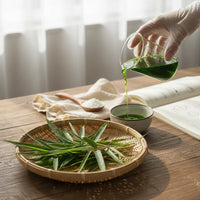
Loose-leaf tea is the preferred choice among tea purists who appreciate more direct control over quantity and steeping time. The leaves tend to retain more of their visual and aromatic qualities, making freshness assessments easier. Loose-leaf is often available both pre-packaged and in bulk from herbal shops or specialty markets.
Bagged Bamboo Leaf Tea
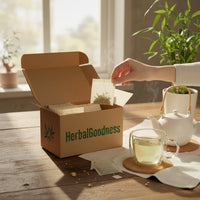
Bagged tea offers maximum convenience. Each bag is pre-portioned, making it ideal for quick preparation at home or while traveling. Brands may use finely cut leaves, which can sometimes diminish the visual indicators of freshness compared to whole loose leaves. Still, reputable brands often prioritize freshness in production and packaging. The Bamboo Leaf Tea – 24/1.5g Tea Bags - Nature's Collagen & Biotin makes it simple to enjoy a cup anytime.
Bulk Bamboo Leaves
Buying in bulk can be cost-effective, especially for regular bamboo tea drinkers or small cafés and wellness practitioners. Bulk supplies often come in larger pouches or containers and are commonly found at herbal suppliers or online. This format requires careful storage to maintain optimal quality over time. Products like our Bulk Herbs collection provide flexibility for creative uses and frequent enjoyment.
Bamboo Leaf Tea Seasonality and Sourcing Factors
When seeking freshness, understanding how timing and sourcing practices affect product quality can be valuable.
Bamboo’s Growth and Harvest Cycles
Bamboo plants thrive in warm conditions and typically experience rapid growth in spring and early summer. This growth spurt means that many suppliers harvest bamboo leaves during mid to late summer, though some varieties may allow for additional collections throughout the year. Freshly harvested leaves are often dried soon after, which is important for retaining their gentle flavor and subtle aroma.
Sourcing Regions and Quality Considerations
Regions known for bamboo cultivation, such as parts of East and Southeast Asia, are likely to deliver higher-quality leaves, as growers are familiar with the plant’s nuances. Ethical or certified organic sourcing may also be a consideration if you’re concerned about pesticides or sustainable harvest practices. Herbal Goodness, for example, is known for high sourcing standards in their herbal range, including bamboo-based offerings.
Packaging and Freshness Maintenance
Packaging plays a crucial role in maintaining tea freshness. Suppliers who use sealed, opaque, or vacuum-packed containers help slow the deterioration process caused by light and moisture. If purchasing at a physical outlet, take note of packaging dates or ask about turnover frequency for the freshest selection.

Practical Tips to Assess Bamboo Leaf Tea Freshness
Buying bamboo leaf tea is just the start—ensuring freshness helps you get the most out of its natural characteristics. Use these practical tips to become an informed shopper:
1. Examine the Leaves (When Possible): If buying loose-leaf tea, look for vibrant green or greenish-brown color, which indicates gentle processing. Leaves should not look overly brown, faded, or crumbly.
2. Check the Aroma: Fresh bamboo leaf tea usually has a mild, grassy scent—subtle but distinct. A stale, musty, or weak aroma may signal the tea has lost some of its natural qualities during storage.
3. Review Packaging Dates: Always look for a 'packed on' or 'best by' date. Anything packaged within the last 12 months is generally considered fresh for herbal teas, though exact timelines vary with storage conditions. Products with robust herbal blends, such as Wellness Tea Blends – 4oz Organic Premium Herbal Infusions, clearly display best-by dates to simplify your selection process.
4. Assess the Packaging Itself: High-quality suppliers will use packaging that protects from light, air, and moisture—like resealable pouches or vacuum seals. Avoid packages with tears, visible condensation, or signs of improper storage.
5. Ask Questions: Don’t hesitate to speak with shop staff or suppliers about sourcing and storage. Inquire about how often they restock bamboo leaf tea or from which regions they source their products.

Comparing Shopping Formats: In-Store vs. Online Bamboo Leaf Tea
Modern shoppers are split between traditional in-person browsing and the convenience of online purchasing. Each offers distinct advantages for finding bamboo leaf tea.
Shopping In-Person
Benefits include seeing and smelling the product before buying, immediate availability, and sometimes the opportunity to ask knowledgeable staff about sourcing or the best preparation methods. Local shops and markets also allow you to build a relationship with your supplier.
Shopping Online
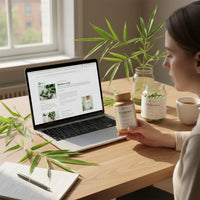
Online options open up broader sourcing possibilities, including international varieties and rare formats. Many online shops provide detailed descriptions, certifications, and customer reviews, helping you make an informed choice. Just be sure to buy from reputable retailers and pay attention to shipping times to maximize freshness on delivery. For those interested in curated tea bundles, the Organic Herbal Tea Trio – Mix & Match Any 3 Herbal Teas & Save 20% is a great way to try and compare different herbal teas, bamboo leaf included.
Storage and Handling: Prolonging Freshness After Purchase
Maintaining the freshness of bamboo leaf tea after purchasing is as important as choosing a quality source. Here are steps to get the most out of your tea:
- Store in airtight, opaque containers away from direct sunlight and humidity
- Avoid transferring tea into clear glass jars unless kept in a dark cupboard
- Use a clean, dry scoop each time to prevent introducing moisture
- Try to enjoy within six to twelve months for the best flavor and aroma

Making the Most of Your Bamboo Leaf Tea Experience
Selecting high-quality bamboo leaf tea opens a world of gentle flavors and traditions. Whether you’re trying it for the first time or seeking the freshest leaves each season, paying attention to source, packaging, and storage can make all the difference. Many find that trying different vendors, keeping notes on flavor profiles, and connecting with the broader tea community can lead to a richer and more informed experience. Herbal Goodness remains a trusted name within this community for those who value sourcing and quality standards.
Explore your bamboo leaf tea options with confidence and savor a tradition rooted in both care and curiosity.
FAQs:
- Which stores carry bamboo leaf tea year-round?
Asian grocery stores and trusted online retailers typically offer bamboo leaf tea throughout the year, while farmers’ markets and local herbalists may have more seasonal availability.
- What is the difference between loose-leaf and bagged bamboo leaf tea?
Loose-leaf tea offers more control over brewing and makes assessing freshness easier, while bagged tea provides convenience and pre-measured servings. Both can be fresh if sourced and packaged properly.
- How can I tell if bamboo leaf tea is fresh?
Look for vibrant color, a mild grassy aroma, recent packaging dates, and high-quality, sealed containers. Avoid leaves that appear faded, brittle, or odorless.
- Is it better to buy bamboo leaf tea in person or online?
Buying in person lets you inspect the product and ask questions, while online shopping offers broader selection and access to specialty sources. Choose the method that fits your preferences and need for variety or immediacy.
- Does packaging affect bamboo leaf tea quality?
Yes, packaging that limits exposure to light, air, and moisture helps maintain the natural aroma and flavor of bamboo leaf tea for longer periods.
- How long can I store bamboo leaf tea after buying?
For the best experience, enjoy bamboo leaf tea within six to twelve months and store it in an airtight, opaque container in a cool, dry place.
Author Name:
Herbal Goodness Editorial Team
Author Bio:
The Herbal Goodness Editorial Team specializes in holistic health and superfoods, blending science and nature to educate and empower our community.
References:
Herbal Teas and Their Health Benefits – National Center for Complementary and Integrative Health
Bamboo: A multipurpose grass species – Journal of Ethnobiology and Ethnomedicine