




Low-Waste Bamboo Leaf Tea Subscription: Packaging, Frequency & Freshness Guide

Choosing a sustainable bamboo leaf tea subscription online can be an empowering first step toward greener living. Whether you’re drawn to bamboo leaf tea for its time-honored place in botanical traditions or its deliciously subtle flavor, exploring a low-waste subscription model brings practical benefits for both you and the planet. In this beginner-friendly guide, you’ll discover how tea subscriptions work and realistic ways to minimize waste — including insights on packaging, how to pick the best shipment frequency for freshness, at-home storage, and recycling tips so you can sip more sustainably.
Understanding Bamboo Leaf Tea Subscriptions
Online tea subscriptions make it easy to enjoy a steady supply of bamboo leaf tea delivered to your door. These services typically offer monthly or bi-monthly shipments, flexible pause or cancel options, and choices between various packaging styles. For newcomers and seasoned tea lovers alike, subscriptions offer both convenience and a pathway to reduce single-use packaging waste compared to spontaneous one-off orders.
How Does a Tea Subscription Work?
When you sign up for a bamboo leaf tea subscription, you’ll often choose:
- Tea format: Loose leaf bamboo tea or pre-portioned sachets.
- Packaging type: Standard pouches, compostable sachets, or refillable tins.
- Order frequency: Monthly, every other month, or a custom schedule.
- Quantity: Size options to match your daily or weekly tea habits.
Many reputable brands now highlight their sustainable practices upfront, helping you align your choices with your low-waste goals.
Decoding Eco-Friendly Tea Packaging
For anyone with sustainability in mind, packaging is a crucial element when choosing a bamboo leaf tea subscription. Tea packaging impacts the environment at every stage — from sourcing of materials to final disposal. By understanding what's available, you can make more thoughtful, eco-conscious choices.
Refillable & Reusable Containers
Refillable tins and containers have become increasingly popular. Here’s why:
- Longevity: Durable tins or glass jars can be reused for years, reducing need for frequent replacements.
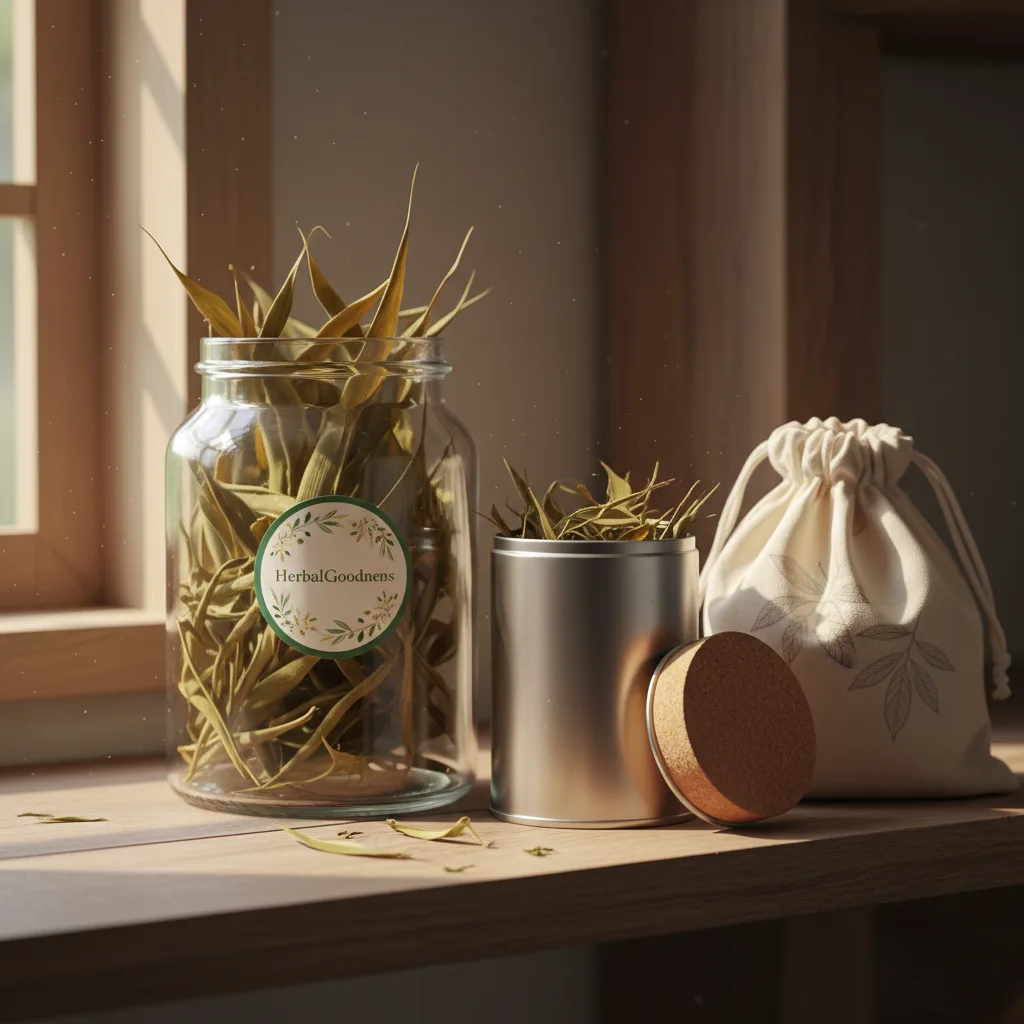
- Refill programs: Certain brands (like Herbal Goodness) may offer refills in minimal packaging, designed to replenish your original container rather than send a new one each cycle.
- Less waste: With proper care, refillable solutions generate less landfill waste over time.
Compostable Tea Sachets vs Loose Leaf
Compostable sachets are crafted from plant-based materials, designed to break down after use. Compared to typical plastic-based tea bags, compostable versions are a clear winner for low-waste routines. However, sachets — even compostable — can come individually wrapped, so look for minimal outer wrappings.
Loose leaf bamboo tea offers an even lighter packaging footprint. With no sachets, you can measure your own servings and often buy in bulk, decreasing excess packaging and maximizing freshness when stored correctly at home. Loose leaf tea is typically delivered in a single pouch, which is often recyclable or biodegradable with the right supplier.
What to Look For in Packaging Labels
When browsing online, scan the product details for a few key sustainability labels:
- Certified compostable or biodegradable (for sachets or pouches)
- Post-consumer recycled content (for boxes or tins)
- Refillable or returnable packaging
- Minimal or plastic-free shipping materials
If you’re unsure, don’t hesitate to ask the subscription provider about their packaging. Transparency is a good sign of a brand’s authentic low-waste efforts.
Finding Your Optimal Shipment Frequency
Subscription frequency impacts both your tea’s freshness and your environmental footprint. Too-frequent shipments can mean more packaging, transportation emissions, and excess inventory that risks losing its delicate aroma over time. Conversely, infrequent deliveries may lead to running out of your supply or overstocking, potentially resulting in wasted tea.
How Often Should Bamboo Leaf Tea Be Delivered?
Consider:
- How much tea you drink weekly: Calculate your typical consumption to estimate how long a standard pouch or tin lasts in your home.
- Tea format: Loose leaf tea tends to stay fresh longer in airtight containers, while sachets may lose fragrance faster if not stored properly.
- Climate and storage options: Warm, humid environments can shorten shelf life; proper storage (see below) helps preserve freshness.
For most households, a monthly or every-other-month delivery suits regular use and supports freshness. Many subscriptions let you adjust your shipment date if you find you’re accumulating extra tea or running low.
Pros & Cons Based On Frequency
- Monthly: Guaranteed freshness, but potentially more packaging (unless combined with bulk/refillable formats).
- Every 2–3 Months: Less frequent shipments mean a reduced carbon footprint, but requires thoughtful at-home storage to maintain quality.
Tips for Storing Bamboo Leaf Tea at Home
Proper at-home storage not only extends the life of your bamboo leaf tea subscription, but also reinforces your low-waste habits by minimizing spoilage. Here are practical ways to ensure your tea stays aromatic and delicious, batch after batch:
- Choose an Airtight Container: Whether your tea arrives in a refillable tin or bulk pouch, transfer it to an airtight container (glass or metal) after opening. This slows exposure to air, preserving fragile botanical compounds.
- Keep Away from Moisture & Sunlight: Store bamboo leaf tea in a cool, dark place, such as a pantry or closed cupboard. Sunlight and humidity can cause tea to degrade more quickly.
- No Mixing with Strong Odors: Tea easily absorbs scents from spices, cleaning products, or even strong-smelling foods, so store away from your spice rack or kitchen trash area.
- First-In, First-Out Principle: Finish older batches before opening new ones to minimize the risk of expired tea.
Simple At-Home Recycling & Composting Habits
Reducing waste doesn’t end when you’ve finished the last scoop or sachet. Responsible disposal and repurposing amplify the impact of your low-waste tea subscription.
Composting Tea & Packaging
- Compostable sachets: After use, remove tags and staples (if any), then add sachets to your compost bin.
- Loose leaf remnants: The spent bamboo leaves are an excellent addition to home compost, providing nitrogen and enriching your soil. Scatter them directly onto your compost pile or garden beds.
Recycling Tips
- Paper boxes: Most outer boxes can be flattened and recycled curbside.
- Metal tins & glass jars: Rinse and recycle or repurpose as storage containers for future refills, spices, or crafting supplies.
- Plastic pouches: If your subscription uses recyclable plastic packaging, clean and participate in local recycling programs. If unavailable, seek refill options or brands that offer return-to-sender programs.

Evaluating Subscription Providers: Low-Waste Metrics
When comparing bamboo leaf tea subscriptions, consider:
- Transparency: Clear information about packaging materials and origins reflects a provider’s low-waste intent.
- Choice of formats: Some brands let you mix-and-match loose leaf, pouch, or sachet options to fit your lifestyle.
- Refillability: Look for subscriptions that send minimalist refills compatible with existing jars or tins.
- Flexible frequency: The ability to pause, skip, or reschedule shipments helps minimize overstock and waste.
- Community initiatives: Some providers sponsor recycling drives or share composting guides, supporting your sustainability journey beyond the purchase.

Getting Started on Your Low-Waste Tea Journey
Starting a bamboo leaf tea subscription with a focus on low-waste practices feels both satisfying and sustainable. By prioritizing eco-conscious packaging, thoughtful order frequency, sustainable at-home habits, and careful selection of providers, you foster a greener ritual every time you brew a cup.
For those wanting to expand their eco-friendly beverage habits, branching out to other herbal infusions such as the Guava Leaf Tea - Organic - Tea 24/2g - Caffeine-Free offers variety while supporting wellness. If you prefer refilling from bulk, the organic herbal teas are ideal for reducing single-use packaging. Or, explore the Organic Herbal Tea Trio – Mix & Match Any 3 Herbal Teas & Save 20% to further streamline your sustainable tea habits.
Building new habits may take a few tries — it’s about progress, not perfection. Every refill, reused container, or composted sachet is a step toward a gentler, more responsible relationship with the planet.
FAQs:
- What makes bamboo leaf tea subscriptions low-waste?
Low-waste bamboo leaf tea subscriptions prioritize sustainable packaging like compostable sachets, refillable tins, and minimal shipping materials. They also offer flexible shipment schedules to reduce unnecessary deliveries and support composting or recycling after use.
- Is loose leaf or sachet better for reducing waste?
Loose leaf bamboo tea often uses less packaging overall, especially when purchased in bulk or refilled into reusable containers. Compostable sachets are also a good option, as long as outer wrappings are minimized and disposed of properly.
- How should bamboo leaf tea be stored at home for maximum freshness?
Store bamboo leaf tea in an airtight glass or metal container, away from heat, moisture, and sunlight. This preserves its aroma and prevents absorption of odors from nearby foods or spices.
- How often should I receive a bamboo leaf tea subscription delivery?
Most subscribers find a monthly or bi-monthly schedule keeps their tea supply fresh without accumulating too much extra packaging. Adjust frequency based on your household’s tea consumption.
- Can I compost the packaging from my tea subscription?
Many subscriptions now use compostable sachets and recyclable boxes. Always check for compostable or biodegradable labels, and follow at-home composting guidelines for proper disposal.
- What should I do with empty tea tins or jars?
Repurpose them for future tea refills, other dried ingredients, or as small storage containers. If you no longer need them, rinse and recycle according to local guidelines.
Author Name:
Herbal Goodness Editorial Team
Author Bio:
The Herbal Goodness Editorial Team specializes in holistic health and superfoods, blending science and nature to educate and empower our community.
References:
Introducing Graviola to Young Taste Buds: Fun, Family-Friendly Flavor Exploration
Compostable Packaging for Tea – Sustainable Packaging Coalition
Tea Storage: Best Practices – Specialty Tea Association
Graviola in the Classroom and at Home: Creative Activities to Teach Kids About Tropical Plants