





Bulk Organic Bamboo Leaf Extract and Collagen: A 2026 Silica Research Guide

Introduction
Silica is rarely far from discussions about plant-based support for skin structure, and bamboo leaf extract is at the center of those conversations for its naturally high silica content. For those curious about sustainable sourcing and ingredient functionality, exploring bulk organic bamboo leaf extract—and its well-established profile in research as a botanical source of plant-derived silica—opens up both scientific questions and practical options for formulation. This article introduces silica’s unique place in the world of botanicals, how it’s explored in relation to collagen and the skin, what extraction types to understand, and how to approach responsible sourcing of bulk lots in 2026. Throughout, we’ll focus on knowledge, not promises, so you can thoughtfully experiment with bamboo leaf extracts in teas, blends, and custom creations.
Silica: What It Is and Where Bamboo Fits In
Understanding Silica in Plants
Silica, or silicon dioxide, is a mineral compound found throughout nature, playing a structural role in plants and often discussed for its influence on the integrity of plant tissues. Unlike many familiar nutrients, silica is not typically highlighted in dietary recommendations, but its place within the plant kingdom is well-established. In some plants, silica accumulates at especially high concentrations, contributing to the rigidity and flexibility of plant parts—think the graceful stalks of bamboo and their textural strength.
Why Bamboo Leaf Extract is Noteworthy
Bamboo stands out because its leaves contain a particularly bioavailable form of silica, distinct from the heavily mineralized, less assimilable silica found in other sources. This plant-based silica is often appreciated for its compatibility with liquid and powdered extracts, facilitating inclusion in teas, tonics, and skin-focused botanical blends. It’s the unique silica content in bamboo leaves—not just stems or shoots—that draws the attention of herbalists, formulators, and researchers alike, especially when organic, traceable bulk lots are available.
When exploring these options, some herbalists gravitate towards Bamboo Leaf Tea – 24/1.5g Tea Bags - Nature's Collagen & Biotin for its balanced blend of silica, biotin, and the classic tea experience. This tea is convenient for experimentation at home and in formulation settings, making bamboo leaf more accessible for those interested in skin and hair wellness.
Silica and Collagen: What Research Says (and What It Doesn’t)
Collagen: The Structural Backbone
Collagen is the primary structural protein in skin, hair, nails, and connective tissues for many living beings. While most conversations about collagen center on animal-derived forms, scientists have long investigated how plant compounds interact with natural collagen networks in the body and in formulated skincare or nutritional blends.
Research on Plant-Derived Silica and Skin Structure
Studies have explored the role of plant-derived silica—including that from bamboo leaf extract—in conjunction with the body’s own collagen matrix. Rather than directly creating or changing collagen, silica is typically discussed in research for its part in supporting the structural environment where collagen forms and persists. These studies often focus on how botanically sourced silica may help maintain the resilience and flexibility of plant and animal tissues at the molecular level. Importantly, reputable research avoids overstating the relationship, instead noting areas where further study could clarify how, if at all, silica can be thoughtfully incorporated into routines focused on skin vitality and structure.
For individuals interested in broad-spectrum collagen support, Bamboo Leaf - Organic 15X Liquid Extract - Nature's Collagen & Biotin may offer an alternative approach in liquid format. This extract allows for easy addition to drinks and custom blends where plant-derived silica is desired for its potential role in the collagen environment.
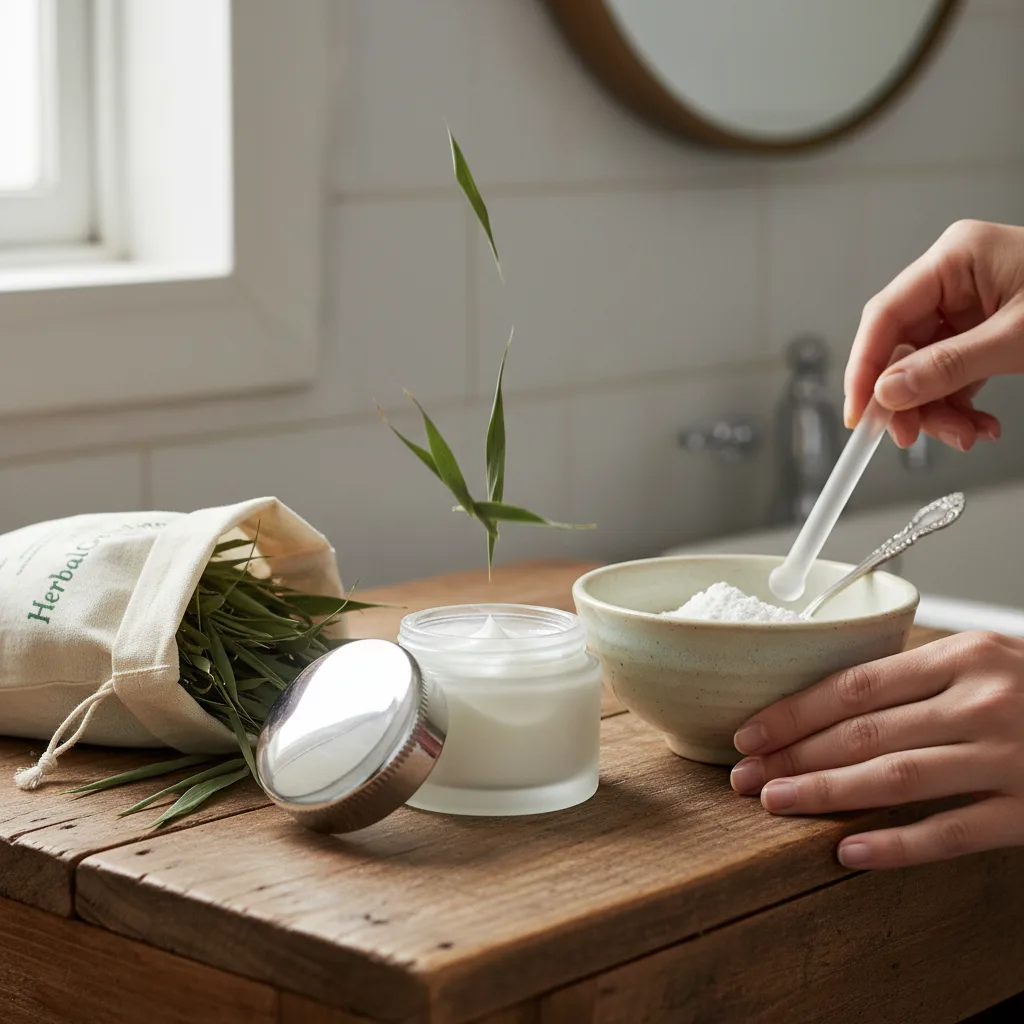
Avoiding Overstatements: What Responsible Guides Emphasize
Responsible guides, such as this one, avoid promises about plant-sourced silica “boosting” or transforming collagen. Instead, the focus rests on what is known from current research—namely, that silica from bamboo leaf may play a neutral or supportive role within the broader landscape of skin and connective tissue biology. For those creating botanical blends or considering bulk materials in 2026, a science-informed, cautious approach to the potential interplay between silica and collagen is both ethical and wise.
Choosing the Right Bulk Organic Bamboo Leaf Extract
Sourcing Matters: Organic and Traceability Standards
Bulk botanical sourcing requires a discerning eye, especially for ingredients prized for their purity and mineral content. Choosing bulk organic bamboo leaf extract starts with confirming not only organic certification, but also transparency around origin and processing. Reputable suppliers provide data on cultivation methods, harvest windows, and third-party testing—key markers for traceability and confidence in the ingredient.
- Organic certification: Ensures no synthetic pesticides or fertilizers are used, maintaining the integrity of the extract.
- Traceability: Reliable suppliers can identify the farm or region where the bamboo is grown and harvested, enhancing accountability.
- Testing: Look for batch-specific analyses of silica content, potential contaminants, and overall purity. This fosters a safer, more predictable experience for brands and individual experimenters alike.
Beauty Builder Liquid Extract 15X – Skin Support & Collagen Wellness Formula aligns with the ethos of responsible sourcing and targeted formulation, particularly for those including bamboo-based ingredients in wellness routines focused on beauty and skin structure.
Looking to source high-quality bulk bamboo leaf extract for your brand? Click here to fill our wholesale form.
Extraction Types: What to Know for 2026
How bamboo leaf is processed impacts its properties in teas, blends, and cosmetic bases. The main extraction methods you’ll encounter in the bulk market include:
- Conventional Dry Leaf: Dried and milled bamboo leaves for direct infusion or blending.
- Aqueous Extract: Water-based infusion common in teas; preserves a broad array of minerals, including soluble silica.
- Concentrated Powdered Extract: Water or hydroalcoholic base, then spray-dried for easy incorporation into mixes, capsules, or functional foods.
- Liquid Extract: Tends to use a water-alcohol blend and is popular for topical applications and droppers.
Each type offers different concentration profiles and solubility, making the choice dependent on your intended use—whether that’s for creative herbalists or bulk formulators. Ask suppliers for a full specification sheet, paying attention to the silica percentage and extraction solvents used.

Evaluating Bulk Lots for Quality and Safe Experimentation
Inspection Protocols for Curious Buyers
Whether you’re a personal creator or a small-batch formulator, evaluating bulk organic bamboo leaf extract involves more than just checking a price list. Consider these criteria:
- Visual Assessment: Fresh, well-sourced bamboo leaf extract will display uniform color (vivid green for leaf, clear to pale for liquid), with no foreign matter or off odors.
- Silica Testing: Specifications should document silica content by percentage, often ranging from 50%–70% in quality powders.
- Purity Certifications: Look for organic, non-GMO, and allergen-friendly designations.
- Microbial & Contaminant Screening: Even though bamboo leaf isn't a typical host for contaminants, responsible suppliers test for safety parameters including heavy metals and unwanted residues.
Bulk Herbs & Roots Online for Tea, Tinctures & DIY Wellness - Organic 4oz Bags can serve as an option for those seeking organic and traceable bulk ingredients for experimentation, encompassing bamboo and related botanicals for a comprehensive blending experience.
Ready to explore verified, traceable bulk options? Click here to fill our wholesale form.
Tips for Responsible Use in Everyday Life
Bamboo leaf extract is easily incorporated into a range of kitchen, beverage, and topical projects. While safety profiles for edible and cosmetic uses are generally well-documented, curious consumers should always start with small amounts to gauge personal compatibility. Consider the following:
- Teas and Infusions: Steep dried leaf or powdered extract for a gentle, earthy brew.
- Smoothie and Beverage Blends: Add a measured pinch of powdered bamboo leaf extract for a plant-derived touch.
- DIY Formulations: Incorporate liquid extract into natural skin sprays or add to a pre-formulated base, always following recommended usage levels from professional sources.
- Blending with Other Botanicals: While bamboo leaf pairs harmoniously with other herbs, always research compatibility before crafting blends for consumption or topical use.
For those who prefer pre-measured blends for skin and beauty, Radiantly Good Looking - 2fl.oz - Skin & Anti-Aging offers a ready-to-use option inspired by botanicals and the latest trends in plant-based beauty.

Bamboo Leaf Extract, Collagen, and Modern Formulation: Current Trends
2026 Trends in Ingredient Sourcing and Sustainability
With increased awareness of environmental effects and personal wellness goals, 2026 sees a rising demand for transparent bamboo sourcing and minimally processed extracts. Brands and individuals alike gravitate toward:
- Single-origin organic lots: Tracking not just to a country, but a specific farm or co-op
- Eco-friendly processing: Utilizing extraction methods that minimize waste and chemical use
- Third-party tested: Results shared openly with buyers to empower better choices
Herbal Goodness and other forward-thinking brands have responded to this trend by emphasizing farm-to-formulator traceability and sustainable partnerships worldwide. As bamboo is among the fastest-growing and most renewable plants, a mindful approach amplifies both environmental and ethical stewardship in sourcing bulk botanical ingredients.
Integrating Bamboo Leaf Extract in Formulation Education
Herbal training programs and formulation workshops are increasingly including Bamboo Leaf Tea as a case study for sustainable ingredient selection, extraction science, and the basics of plant-derived mineral research. This empowers the next generation of herbalists and clean beauty creators to scrutinize not just marketing claims, but the complete supply chain from soil to finished product.
Experimenting with Bamboo Leaf Extract: Getting Started Safely
Whether blending a simple tea or prototyping a high-tech formula, start with:
- Small batches: Get a feel for bamboo’s distinct flavor, solubility, and appearance
- Documentation: Record your source, batch, and any observations on color, scent, and blend quality
- Ongoing education: Stay abreast of emerging research on plant-based silica and formulation science
This approach enables you to experiment, innovate, and enjoy the creative journey with confidence—while always respecting the evolving science and responsible sourcing priorities that define bulk organic bamboo leaf extract in 2026.
FAQs:
- What makes bamboo leaf extract a notable source of plant-derived silica?
Bamboo leaf extract is prized for its high, bioavailable silica content. Unlike mineral forms, bamboo’s plant-based silica is considered easy to work with in natural formulations and blends, supporting its popularity among herbalists and ingredient researchers.
- How is bulk organic bamboo leaf extract typically sourced?
Reputable suppliers focus on certified organic bamboo, document their harvest regions, and offer testing for purity, silica content, and traceability. This ensures buyers receive a transparent and responsibly produced bulk ingredient.
- What role does silica play in the context of collagen and skin structure?
Silica is often studied for its association with the structural environment that supports collagen in the body and plant tissues. While research is ongoing, silica does not directly create or replace collagen, but is recognized for its structural support in botanical science.
- Which extraction methods are common for bamboo leaf, and why does it matter?
Common methods include dry leaf milling, water-based infusion (aqueous), concentrated powders, and liquid extracts. Each offers unique solubility, potency, and functional qualities suited for teas, blends, or topical projects.
- How can curious consumers experiment with bamboo leaf extract at home?
Start with small amounts in teas, smoothies, or cosmetic bases. Documenting observations and working with reliably sourced bulk materials ensures a safe and enjoyable experience for personal use or formulation trials.
- What should I look for in a bulk organic bamboo leaf extract supplier?
Prioritize organic certification, published silica percentage, transparent harvesting practices, and third-party purity tests. These factors combine to provide quality assurance and accountability for individual or brand use.
Author Name:
Herbal Goodness Editorial Team
Author Bio:
The Herbal Goodness Editorial Team specializes in holistic health and superfoods, blending science and nature to educate and empower our community.
References:
Introducing Graviola to Young Taste Buds: Fun, Family-Friendly Flavor Exploration
Graviola in the Classroom and at Home: Creative Activities to Teach Kids About Tropical Plants