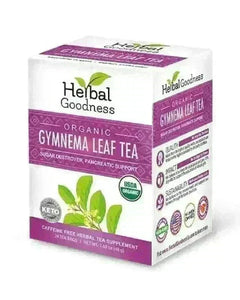





Gymnema Leaf

History
Gymnema Leaves, also known as Gymnema Sylvestre, is a perennial climbing shrub native to the tropical forests of India and Africa. The leaves of this plant have been used for centuries in Ayurvedic medicine for their potential health benefits.
Health Benefits
One of the most notable benefits of Gymnema leaves is their potential to support healthy blood sugar levels. Gymnema leaves contain compounds called gymnemic acids, which have been shown to interact with the taste buds on the tongue, temporarily blocking the taste of sweet foods. This may help to reduce cravings for sugary foods and ultimately support healthy blood sugar levels.
Some studies have suggested that Gymnema leaves may help to reduce the absorption of carbohydrates and fats, Additionally, by reducing cravings for sugary foods, Gymnema leaves may help to support a healthy diet.
Gymnema leaves are also believed to have natural antioxidants. These properties may help to protect the body from damage caused by free radicals, which are associated with health.
Nutritional Content
In terms of nutritional content, Gymnema leaves are a good source of antioxidants and essential minerals such as zinc and iron. They are also rich in flavonoids and triterpenoids, which are compounds that have been shown to have potential health benefits.
While Gymnema leaves have been used for centuries in Ayurvedic medicine, it is important to note that they should not be used as a substitute for conventional medical treatment. As with any supplement, it is important to speak with a healthcare professional before taking Gymnema leaves.
In summary, Gymnema leaves have a long history of use in Ayurvedic medicine and are believed to have potential health benefits such as supporting healthy blood sugar levels and antioxidants. However, it is important to consult with a healthcare professional before taking Gymnema leaves or any other dietary supplement.
More about Gymnema
- Low‑Waste Gymnema DIY: Alcohol‑Free Extracts, Simple Infusions, and Eco Uses
- Gymnema Sylvestre Fruit: Identification, Traditional Uses, and Safe Sourcing Guide
- The Health Benefits of Gymnema Leaf
- Kitchen Ferments with Gymnema: Easy Shrubs, Syrups, and Herbal Sodas Guide
- Gymnema and the Liver: Understanding Research on Reported Liver Reactions
- Does Gymnema Actually Work? Understanding the Research in Plain English
- Gymnema Around the Table: Culinary Traditions, Flavor Pairings, and Simple Recipes
- Gymnema & A1c: How to Understand Research Findings and Data Interpretation
- Berberine vs. Gymnema: Research-Informed Comparison for Herbal Curiosity
- Gymnema sylvestre Side Effects: Understanding Reactions and Safe Use Tips
- Gymnema sylvestre Side Effects: An Evidence-Aware Guide for Consumers
- How to Think About Gymnema sylvestre Dose Per Day: An Evidence-Aware Guide
- Is Gymnema Toxic to the Liver? How to Interpret Research and Stay Safe
- How to Brew Organic Gymnema Leaf Tea for Better Flavor Every Time
- Freshness, Leaf Cut & Flavor: Guide to Choosing High‑Quality Gymnema Tea Bags
- Grow Your Own Gymnema sylvestre Tea: Cultivation, Harvest, and Brewing Guide
- Beginner’s Guide to Gymnema Tea, Tinctures, Powders & Safe Use
- How Gymnema Tea Is Made: From Harvest to Cup — Processing & Quality Explained
- Gymnema Tea Flavor Pairings, Brewing Techniques, and Creative Home Recipes
- Gymnema Leaf and Sweetness Perception: Sensory Science and Flavorful Experiences
Shop the herbs in this post
Choose your size and add it to your cart without leaving the article.