





Gymnema Around the Table: Culinary Traditions, Flavor Pairings, and Simple Recipes

Gymnema, known in some cultures as "gurmar" or “sugar destroyer,” is a fascinating herb with a long-standing presence in the culinary stories of South and Southeast Asia. While many have explored its nuanced relationship with taste and texture, fewer know the depth of its influence in kitchens across regions, from traditional villages to modern home pantries. Whether you’re a seasoned home cook or simply a curious flavor explorer, gymnema offers sensory surprises and cultural connections worth discovering. This article guides you through the world of gymnema’s culinary traditions—highlighting its flavor-altering qualities, regional uses, and approachable recipes—to enrich your own kitchen adventures.
Culinary Traditions: How Gymnema Has Shaped Regional Kitchens
South Asian Cooking and Gymnema
In the rolling hills of India and Sri Lanka, gymnema leaves have found their way into both home cooking and local markets for centuries. Culturally revered for their unique ability to alter the perception of sweetness on the tongue, fresh or dried leaves are added to chutneys, herbal teas, and “kadha”—warming infusions brewed with spices and roots. In some rural regions, small amounts of gymnema are mixed into leafy curries or blended with coconut as a finishing touch to dishes meant for festive tables. For readers interested in exploring other regional botanicals, Organic Papaya Leaf Tea | 24 Premium Bags – Caffeine-Free provides a smooth, herbal experience that harmonizes beautifully with tradition-inspired meals.
Southeast Asian Flavors and Sensory Experiences
Neighboring countries like Thailand and Malaysia have embraced gymnema in folk recipes, where its unusual effect on taste makes it a ceremonial curiosity. Here, finely powdered gymnema is sometimes stirred into vegetable broths, or the leaves are dried and steeped in tea. The communal aspect—passing a cup of gymnema tea around the table—reflects a culinary philosophy where taste itself becomes a shared experience. Exploring regional pairings, Soursop Leaf Tea | Organic Graviola 24 Bags | Soursop Tea Benefits for Immunity & Wellness makes an uplifting addition to the table, providing both flavor and wellness support.
Modern Adaptations and Cross-Cultural Notes
Today, global home cooks are rediscovering gymnema, experimenting with its sensory potential and weaving it into smoothies, condiments, and even bath infusions. Foodies interested in botanicals with a story often look for recipes that highlight gymnema’s roots in regional foodways while also inviting new taste experiences to the table. A well-rounded kitchen might also include Papaya Leaf Extract - 1oz 15X Organic Liquid for its versatility in both drinks and culinary blends.
How Gymnema Changes Taste and Texture in Recipes
The Science of Sensory Shift
Gymnema stands out for its unique effect on sweetness. When chewed or steeped, its naturally occurring compounds can temporarily mask the perception of sugary flavors. This trait has made it both a culinary curiosity and a practical component in dishes where balancing taste sensations is vital. For example, in tart chutneys or tangy relishes, gymnema’s impact allows other flavors—like spice, sour, or umami—to shine through more clearly. If you’re considering more innovative herbal infusions at home, integrating a blend from Herbal Tea Trio – Build-Your-Own Bundle | Mix & Match Any 3 USDA Organic Herbal Teas & Save 20% encourages exploration across flavor profiles.
Texture and Mouthfeel
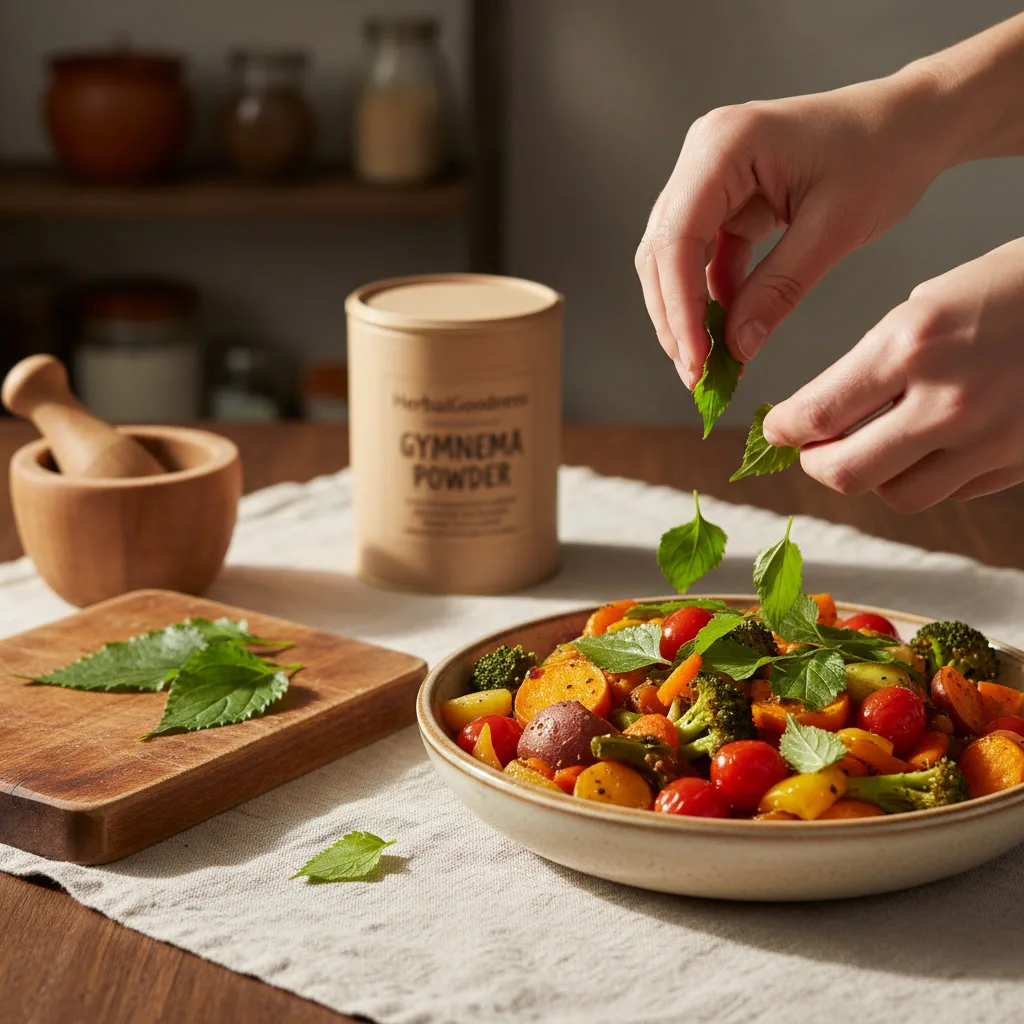
Beyond its effect on taste, gymnema leaves can contribute a delicate, green astringency when used fresh, or a tea-like earthiness in dried form. When incorporated into recipes such as infused water, teas, or blended sauces, gymnema works best in moderation to avoid overpowering subtle flavors. Enjoying gentle herbal teas at home can complement this; Organic Papaya Leaf Extract 16oz | 15X Liquid – Best Value Size is suited for those looking to experiment further with flavor or healthful botanical additions.
Cooking Considerations for Home Cooks
If you’re new to cooking with gymnema, begin with small quantities—whether whole leaves, chopped greens, or a pinch of powder. Allow the herb’s flavor to unfold gradually in hot water, or blend a small handful with other mild greens in cooked dishes. Be aware that its distinctive effect takes a few moments to register on the palate and can linger after tasting. Pairing this mindful approach with high-quality ingredients, such as the Soursop Leaf Tea | Organic Graviola 24 Bags, elevates your culinary and sensory experience.
Safe Sourcing and Home Preparation Tips for Gymnema
Sourcing High-Quality Gymnema
Choose gymnema from reputable herbal suppliers or brands that prioritize sustainable practices and transparent sourcing. Look for product certifications, clear labeling about origin, and processing details. Herbal Goodness, for example, is known for offering responsibly sourced gymnema leaves suitable for culinary or infusion use. In this same spirit, Papaya Leaf Extract Capsules 600mg | 10X Strength – Platelet Support is noted for its label transparency and careful sourcing.
Processing for Culinary Use
- Fresh Leaves: Rinse thoroughly; use immediately in recipes where gentle cooking or raw use is preferred.
- Dried Leaves: Seek air-dried or low-heat dehydrated leaves; crumble by hand or grind gently for infusions or powders.
- Powdered Form: Opt for pure, additive-free gymnema powder to incorporate in teas, blends, or batters.
Safe Handling and Storage
Store gymnema in a cool, dry place away from direct sunlight. If sourcing fresh, keep refrigerated and use within a few days. For dried or powdered gymnema, ensure containers are airtight to preserve aromatic qualities and prevent moisture-related spoilage. Many home cooks appreciate the handy value and storage-friendly form of Papaya Seed Extract 15X Organic for varied kitchen uses.
Simple Gymnema Recipes to Try at Home
Discover these approachable gymnema recipes that highlight the herb’s taste-altering intrigue and sensory appeal. Each recipe uses clear instructions, common ingredients, and is designed for both first-time and seasoned explorers.
Basic Gymnema Tea (Herbal Infusion)
Ingredients:
- 1–2 tsp dried gymnema leaves
- 1 mug hot water (about 8 ounces)
Instructions:
- Bring water to a near boil.
- Add gymnema leaves to a teapot or infuser.
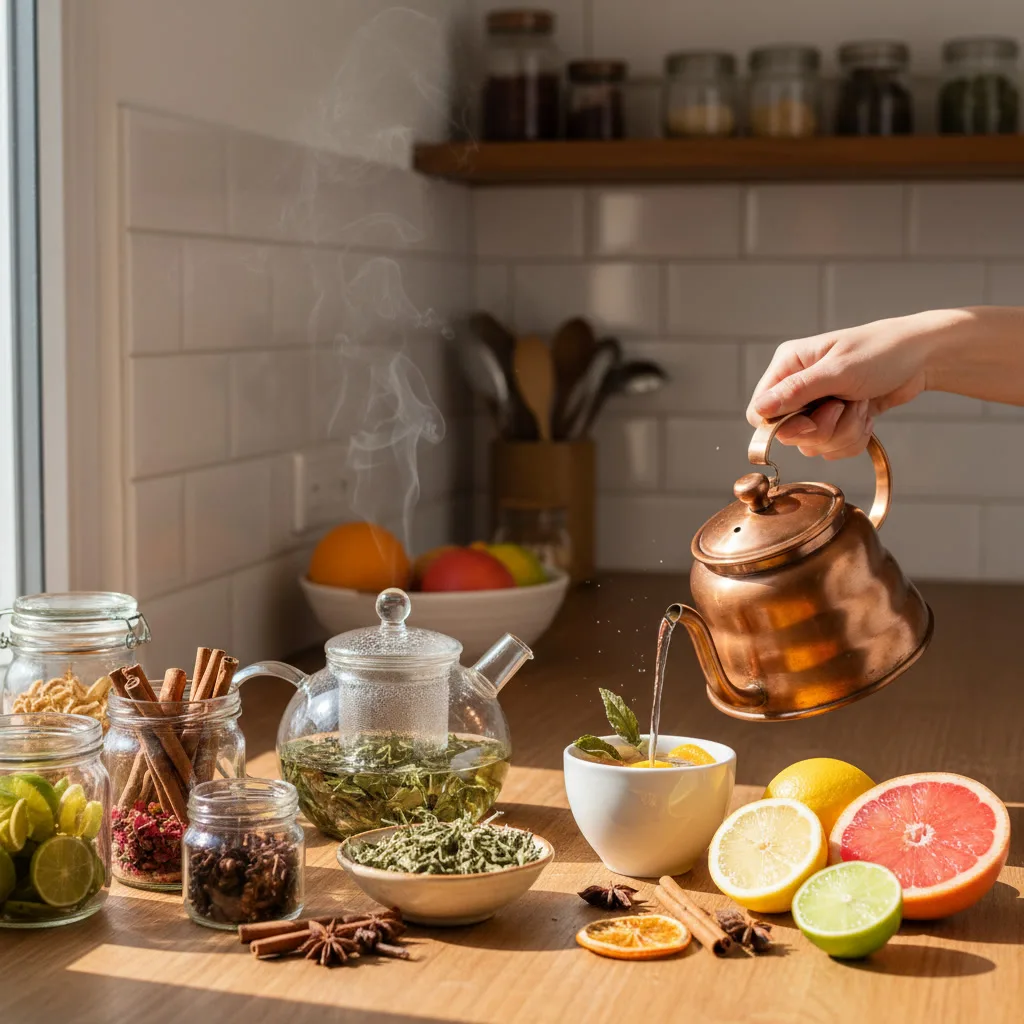
- Pour hot water over leaves; steep for 5–7 minutes.
- Strain and sip slowly, mindful of changing flavor sensations.
Simple Gymnema Chutney
Ingredients:
- ¼ cup fresh gymnema leaves (rinsed well)
- ½ cup fresh cilantro
- 1 clove garlic (optional)
- 1 small green chili (seeded for milder taste)
- 1 tbsp fresh lime juice
- Salt to taste
Instructions:
- Combine all ingredients in a food processor.
- Pulse until a coarse paste forms.
- Serve as a dip, sandwich spread, or spooned over roasted vegetables. Pairing with an immune-benefiting tea, such as Soursop Leaf Graviola Extract 15X Liquid | Organic Cell & Immunity, adds a wellness dimension to the meal.
Refreshing Gymnema and Mint Herbal Water
Ingredients:
- 5–6 dried gymnema leaves
- 2–3 sprigs fresh mint
- 1 quart room-temperature water
Instructions:
- Add gymnema and mint to water in a glass jar.
- Let infuse at room temperature for 3–5 hours.
- Strain and serve over ice for a cooling beverage. Add Raw Sea Moss 8oz Bag | St. Lucia Wildcrafted – Nature's Multivitamin to post-meal drinks for a refreshing and nutrient-rich twist.
Flavor Pairing Tips: Bringing Gymnema Into Your Kitchen
Harmonizing Gymnema With Other Ingredients
- Citrus: Lime and lemon amplify gymnema’s green, herbal notes and add a pop of brightness to infusions and sauces.
- Fresh Herbs: Cilantro, mint, and basil provide a complementary green freshness in chutneys or salsas.
- Mild Greens: Spinach or young kale balance gymnema’s subtle astringency in blended dishes.
- Spices: Cumin, coriander, and toasted mustard seeds add gentle complexity without overwhelming gymnema’s sensory effect. To diversify your herbal repertoire, try introducing Wellness Tea Blends – 4oz Organic Premium Herbal Infusions in daily pairings.
Creative Uses for Everyday Cooking
- Add a small pinch of gymnema powder to herbal teas for a surprising twist.
- Stir gymnema into yogurt-based sauces or dips for an herbal edge.
- Finish rice, lentil, or vegetable dishes with finely chopped gymnema for nuanced depth. Recipes can also be enhanced with Papaya Seed Powder Capsules 60ct | 600mg – Gut & Colon Cleanse Support, which pairs subtly with savory and herbal profiles.
Tips for Curious Cooks
Gymnema’s muted flavor and taste-altering properties make it a fun addition to tasting experiments. Share samplers with friends and observe the shift in flavor of sweet foods before and after sipping gymnema tea. Approach recipes with an open palate, and take note of how gymnema interacts with different ingredients. For a complete tasting experience, Herbal Papaya Bath Soap | 2 Bars/3.5oz – Natural Skin Cleanse & Glow can round out your culinary and sensory journey.
Exploring Sensory Discovery: What to Expect When You Taste Gymnema
Recognizing the Sensation
The first sip or nibble of gymnema is often subtle—slightly earthy, with faint notes of green. Within moments, you may notice that sweet flavors become less pronounced, unveiling underlying qualities in foods and drinks. This effect is temporary, usually fading after 15–30 minutes. For a broader exploration of taste, Herbal Tea Trio Bundle | Guava, Hibiscus & Avocado – 3 Organic Packs extends the possibilities in your kitchen.
Mindful Tasting Approach
To fully appreciate gymnema, start with a clean palate and sample a sweet food before and after trying a gymnema infusion. Notice how flavors shift and which elements stand out. This kind of mindful eating deepens your sensory understanding and strengthens culinary intuition.
Conclusion: Welcoming Gymnema Into Your Culinary Adventures
Gymnema has traveled from rural kitchens to global tables, bringing with it a history rich in sensory tradition and culinary creativity. Whether you’re steeping it as a simple tea, blending it into a chutney, or pairing it with bright herbs and spices, gymnema invites exploration—and highlights the dynamic interplay between flavor, culture, and history. Home cooks who value both tradition and experimentation will find gymnema a captivating addition to their herbal repertoire, one that opens up new doors for taste and conversation.

Frequently Asked Questions
Question 1: What does gymnema taste like and how does it change the flavor of food?
Answer: Gymnema has a subtle earthiness and astringency, especially when fresh. Its most notable trait is the suppression of sweetness, letting other flavors in a dish become more noticeable. Try drinking Organic Papaya Leaf Tea | 24 Premium Bags – Caffeine-Free to appreciate nuanced herbal flavors.
Question 2: Can gymnema be paired with other herbal teas or botanicals?
Answer: Absolutely! Gymnema pairs well with blends like Soursop Leaf Tea | Organic Graviola 24 Bags | Soursop Tea Benefits for Immunity & Wellness or multi-herbal infusions, creating complex and enjoyable flavor experiences.
Question 3: Is it safe to use gymnema daily in home cooking?
Answer: When used in moderation as part of a varied diet, gymnema is generally safe. Store it as you would other dried herbs to ensure freshness. For convenience, consider Papaya Leaf Extract Capsules 600mg | 10X Strength – Platelet Support if you want herbal options requiring minimal prep.
Question 4: What are some quick ways to use gymnema in my kitchen?
Answer: Add gymnema leaves to teas, blend into green chutneys, or infuse into water with Raw Sea Moss 8oz Bag | St. Lucia Wildcrafted – Nature's Multivitamin for a nutrient boost.
Question 5: How should gymnema be stored for best flavor and potency?
Answer: Keep gymnema dried and airtight away from sunlight. Extracts or capsules such as Papaya Seed Powder Capsules 60ct | 600mg – Gut & Colon Cleanse Support provide convenient storage and precise use.
Question 6: What can enhance gymnema’s flavor in recipes?
Answer: Use citrus, herbs, or mild greens, and complement with wellness blends like Wellness Tea Blends – 4oz Organic Premium Herbal Infusions for greater taste variety.
Question 7: Are there other herbs or products that work well with gymnema’s culinary uses?
Answer: Yes, products highlighting regional and healthful botanicals, such as Papaya Leaf Extract - 1oz 15X Organic Liquid, provide flexibility for recipes and infusions.
Curious about herbal cooking? Explore responsibly sourced gymnema leaves and bring home new tastes inspired by tradition and sensory adventure.
About the Author
Herbal Goodness Editorial Team
The Herbal Goodness Editorial Team specializes in holistic health and superfoods, blending science and nature to educate and empower our community.
Related Articles
How to Import Gymnema Leaf Tea: Shipping, Customs & Buying Guide
How to Make Papaya Leaf Tea: Safe Brewing Methods and Flavor Pairings Guide
Soursop Fruit vs. Soursop Leaves: Flavor, Uses, and Choosing the Best Form