




Herbal Non-Alcoholic Drinks: Recipes with Teas, Extracts, and Bitters
Looking for a refreshing way to mix up your beverage routine—without the alcohol? Herbal-forward non-alcoholic drinks offer a world of flavors and rituals with remarkable versatility. Using herbal teas, liquid extracts, and bitters as your foundation, you can create vibrant sips that focus on taste, tradition, and creativity. Whether you’re seeking an alternative to cocktails, a festive drink to share with the family, or simply love the subtle ritual of herbs in your daily routine, this guide will walk you through easy recipes, safe dilution guidelines, and ideas for enjoying herbal blends in every season.
Why Choose Herbal Non-Alcoholic Drinks?
Herbal beverages have long held a special place in cultures around the world. They're valued not just for their complexity and flavor layers, but for the sense of occasion and ritual they bring to any gathering—morning, afternoon, or evening. Non-alcoholic options allow everyone, including children and those who avoid alcohol, to participate in these traditions. Ingredients like floral teas, spicy bitters, and vibrant extracts unlock a spectrum of taste profiles, from earthy and grounding to bright and zesty. This approach to beverage making centers on curiosity and enjoyment while keeping safety and inclusivity at the forefront.
Essential Herbal Ingredients: Teas, Extracts, and Bitters
Creating a delicious herbal-forward non-alcoholic drink starts with thoughtful ingredient choices. Here are the pillars you’ll use:
Herbal Teas: Dried leaves, flowers, roots, and barks steeped to capture their delicate or robust tastes. Examples include Organic Hibiscus Tea 24 Bags | Heart Health & Antioxidant Wellness, chamomile, peppermint, rooibos, and ginger.
Herbal Extracts (Liquid): Potent watery or alcohol-based extracts, often highly concentrated, made by infusing botanicals. They offer intense, reliable flavor when used in the right dilution. Try experimenting with Soursop Leaf Graviola Extract 15X Liquid | Organic Cell & Immunity to add a new layer to your drinks.
Herbal Bitters: Traditionally made by infusing botanicals (like orange peel, dandelion, or gentian root) into a base, these bring a sophisticated, mildly bitter edge and a layer of complexity to both classic and experimental drinks.
Simple Techniques for Flavorful Herbal Drinks
Crafting herbal-forward non-alcoholic drinks doesn’t require elaborate equipment or expertise—just a little creativity and a respect for ingredient strength. Here’s how to get started:
1. Choosing the Right Base
- Hot or Iced Herbal Tea: Brew herbal teas strong enough for flavor, then chill for cold drinks or enjoy warm in cozy settings. Some teas naturally have more body and color (like hibiscus or rooibos), making them beautiful bases. When seeking a robust option, Soursop Leaf Tea | Organic Graviola 24 Bags | Soursop Tea Benefits for Immunity & Wellness provides both body and wellness support.
- Sparkling Water: Add a fizzy lift by mixing strong herbal tea with plain or flavored sparkling water.
- Juice Blends: Dilute juices with herbal tea or extracts for balanced sweetness and more nuanced layers.
2. Using Herbal Extracts and Bitters Safely
- Start Low, Go Slow: Extracts and bitters are concentrated; a few drops or a half-teaspoon is often enough for an 8–12 oz drink. Taste as you go, and always follow dilution instructions for any store-bought product. Organic Papaya Leaf Extract 16oz | 15X Liquid – Best Value Size makes a reliable flavor-boosting addition when used sparingly.
- Layer for Complexity: Add extracts and bitters to cooled drinks; stir well to help flavors meld.
3. Supporting Ritual and Presentation
- Garnishes: Fresh citrus peel, mint, rosemary, or edible flowers elevate both aroma and appearance.
- Glassware: Use special cups, mugs, or glasses to mark the occasion—morning mugs, afternoon tumblers, or elegant goblets for evening rituals.
Recipe Inspiration: Herbal Drinks for Every Occasion
Here are some foundational recipes, customizable for seasons and preferences. All recipes can be doubled or tripled for pitchers or shared experiences.
Everyday Herbal Spritzer
- Steep 2 bags hibiscus or berry herbal tea in 8 oz boiling water for 6–8 minutes; cool.
- Pour over ice, top with 4 oz sparkling water.
- Add a squeeze of lemon and a dash of liquid herbal extract (elderberry or ginger works well).
- Garnish with a lemon wheel.
Warming Citrus & Spice Tonic
- Brew 8 oz rooibos or cinnamon herbal tea.
- Add 1–2 drops orange bitter or cinnamon extract.
- Stir in a spoonful of honey for sweetness (optional).
- Serve warm, with an orange peel twist and a cinnamon stick.
Herbal Mint Refresher (Kid-Friendly)
- Cold-brew 8 oz peppermint tea.
- Add 1/2 oz apple or pear juice for gentle sweetness.
- Top with a sprig of fresh mint or a cucumber slice.
- Serve chilled or over light ice.
Flower Garden Fizz (Spring or Summer)
- Make 8 oz chamomile or rose herbal tea, cool completely.
- Pour into a tall glass with ice.
- Add 2 oz lemonade and a few drops of elderflower extract.
- Top with sparkling water and edible flowers for garnish.
Autumn Spice Shrub
- Steep 8 oz ginger or chai herbal tea; chill.
- Mix with 2 oz apple cider vinegar, 4 oz apple juice, and 1–2 drops bitters (clove or dandelion).
- Shake over ice; strain into a glass and serve with a thin apple slice.
Mixing Tips for the Best Herbal-Forward Experience
- Dilution Is Key: Always add concentrated extracts and bitters in increments, tasting after each addition—you can always add more, but you can’t take it out. Using ingredients such as Blood Platelet Support with Papaya Leaf | Organic 15X Liquid Extract can provide not just unique taste but wellness advantages when mixed cautiously.
- Balance Flavor Profiles: Pair sweet teas (like rooibos or fruit blends) with citrus or floral extracts; counter punchy herbs (like ginger) with a touch of fruit juice or honey.
- Temperature Matters: Iced drinks heighten crisp botanicals and acid notes, while warm drinks emphasize earthy, spicy, or floral layers. Try infusing Raw Sea Moss 8oz Bag | St. Lucia Wildcrafted – Nature's Multivitamin for a mineral-rich winter base.
- Garnish Thoughtfully: Use garnishes that echo or highlight flavors in the drink. For example, lemon with hibiscus, or rosemary with citrus blends.
Customizing for Seasons and Occasions
Herbal-forward non-alcoholic drinks shift elegantly with the changing seasons. Here’s how to adjust your approach year-round:
Spring: Light and Floral
Try teas like chamomile, lavender, or rose. Mix with citrus or berry extracts for gentle, uplifting blends. Highlight with fresh flower or mint garnishes, or explore Bamboo Leaf Tea 24 Bags | Nature's Silica – Collagen & Biotin Support for a floral-silica spring drink.
Summer: Bright and Refreshing
Go for iced blends like hibiscus or lemon verbena, bolstered with ginger or elderflower extract. Top with plenty of fizz and cooling fruit or cucumber slices.

Autumn: Warm and Spiced
Reach for earthy teas: rooibos, chai, or cinnamon. Add spice extracts (cardamom or clove) and apple-based mixers for warmth. If you like added support, Organic Papaya Leaf Tea | 24 Premium Bags – Caffeine-Free makes a comforting autumn option, particularly when blended with seasonal spices.
Winter: Rich and Comforting
Opt for hearty, robust teas—think ginger, cinnamon, or licorice. Sweeten with a touch of honey, and layer in bitters or citrus-peel extracts for depth. Served warm, they become cozy rituals in a cup.
Creating Kid-Friendly Herbal Drinks
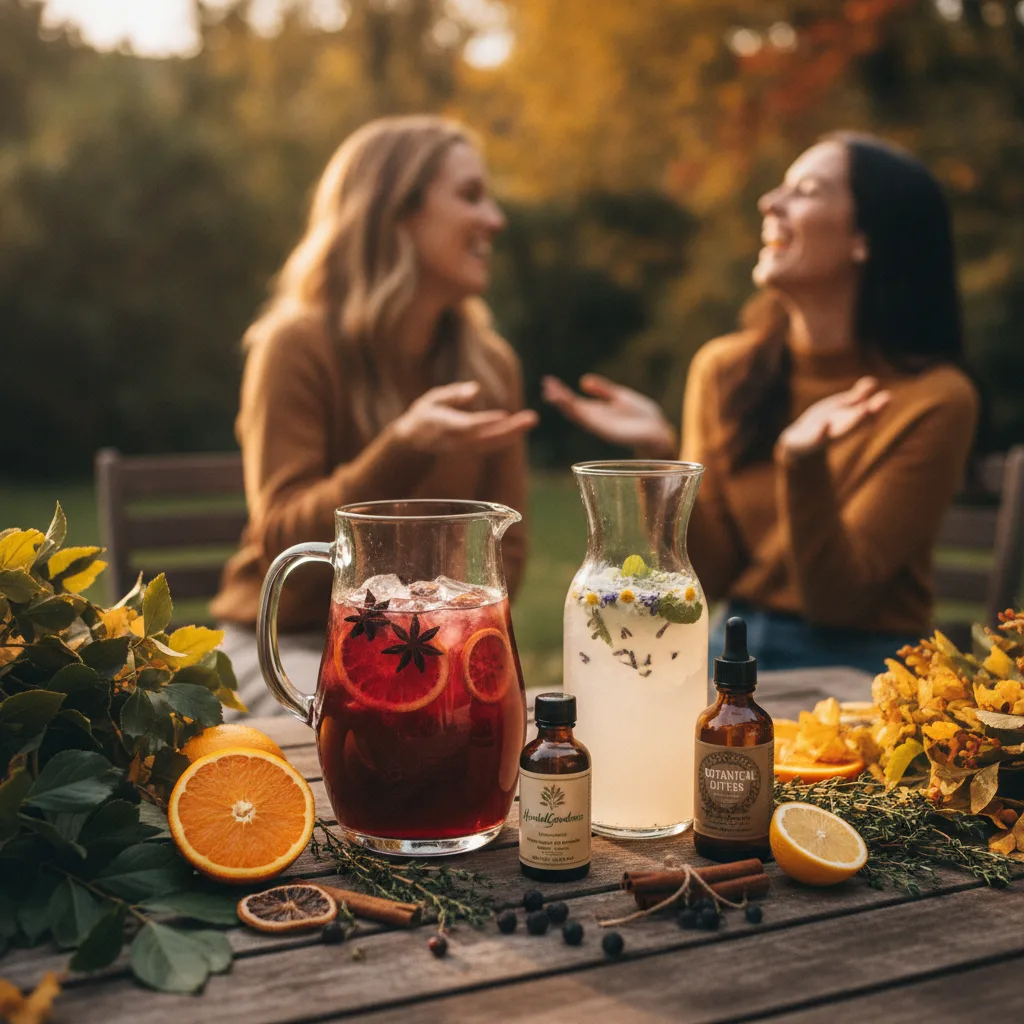
Children enjoy flavorful drinks, too! Herbal teas and diluted extracts (used per safety guidelines) offer color and taste with no artificial flavors. Tips for making kid-safe beverages:
- Use caffeine-free herbal teas for the base: hibiscus, chamomile, peppermint, or fruit-infused blends. Kids Plant-Based Supplements 1oz | Organic – Focus, Calm, Sleep & Tummy complements gentle herbal blends for children wishing to join the ritual.
- Limit or avoid bitters for young palates; choose mellow extracts and subtle juices instead.
- Let kids decorate their drinks with fruit wheels, fresh herbs, or fun glassware.
- Avoid sweeteners when possible—let the natural fruit or herbs shine.
Rituals and Mindfulness in Herbal Drink Making
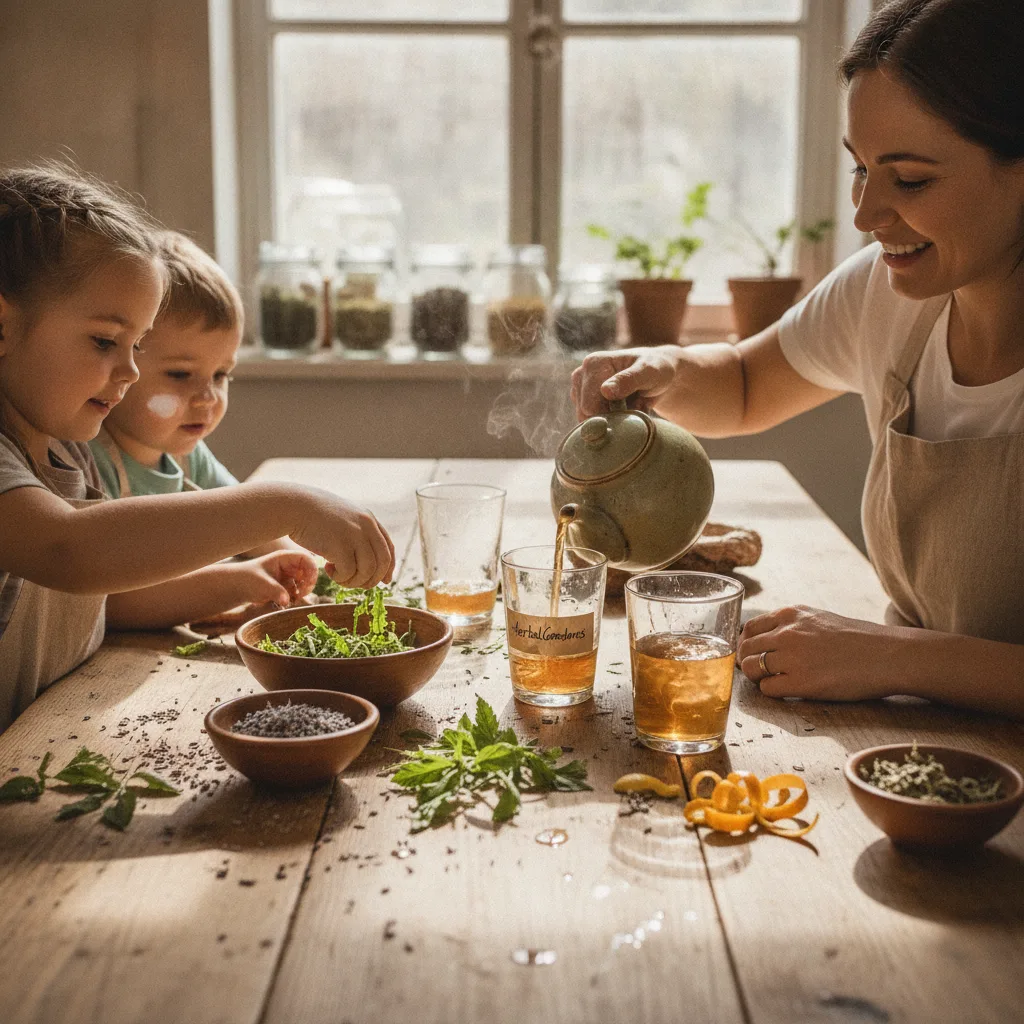
Crafting flavorful herbal drinks can become a cherished ritual. The acts of steeping, blending, and garnishing connect you to the moment and your senses. Sharing these drinks with friends or family fosters community—sans alcohol, everyone can participate fully. Experiment with introducing small rituals, like selecting a tea in the morning, sharing a cold pitcher in the afternoon, or winding down with a warming mug in the evening. Herbal Goodness is dedicated to quality, tradition, and bringing meaning into each step of your herbal drink experience.
Safe Dilution and Enjoyment Tips
- Always follow product instructions regarding concentration and dilution for extracts and bitters.
- For most liquid extracts or bitters, start with 1–3 drops per cup, taste, and increase gradually if needed.
- If making large batches (pitchers), scale slowly and mix thoroughly for consistent taste.
- Store finished drinks in the refrigerator if not serving immediately, especially if using fresh fruit or herbs.
Experimentation is at the heart of herbal-forward non-alcoholic drinks. As you discover new ingredient combinations and rituals that fit your lifestyle, you’ll realize there’s no limit to the creativity and flavor that herbs can offer—any time of year, for any age, and every occasion.
Frequently Asked Questions
Question 1: What are the best herbal teas for non-alcoholic drinks?
Answer: Some excellent options include hibiscus, rooibos, chamomile, and soursop. Hibiscus is the star of many blends, and Soursop Leaf Tea | Organic Graviola 24 Bags | Soursop Tea Benefits for Immunity & Wellness makes a vibrant, refreshing base.
Question 2: How do I safely use herbal liquid extracts in drinks?
Answer: Always follow product-specific instructions. For potent options such as Soursop Leaf Graviola Extract 15X Liquid | Organic Cell & Immunity or Organic Papaya Leaf Extract 16oz | 15X Liquid – Best Value Size, start with a few drops and adjust to taste, ensuring proper dilution.
Question 3: Can kids enjoy herbal non-alcoholic drinks too?
Answer: Absolutely! Select caffeine-free herbal teas like hibiscus or chamomile and avoid strong bitters. For an extra boost, Kids Plant-Based Supplements 1oz | Organic – Focus, Calm, Sleep & Tummy can be safely mixed in with guidance.
Question 4: What makes soursop a good ingredient in drinks?
Answer: Soursop offers a mildly tangy, complex flavor and is valued for its wellness properties. Products like Soursop Leaf Graviola Extract 15X Liquid | Organic Cell & Immunity and Soursop Leaf Tea | Organic Graviola 24 Bags | Soursop Tea Benefits for Immunity & Wellness are great additions.
Question 5: How can I make my herbal drinks more festive?
Answer: Use garnishes such as citrus slices, edible flowers, and fresh herbs. Including flavorful extracts such as Blood Platelet Support with Papaya Leaf | Organic 15X Liquid Extract can add a unique wellness twist to the presentation.
Question 6: Which herbal drink is best for warm, comforting vibes?
Answer: Rooibos, cinnamon, ginger, or papaya leaf tea offer rich warmth. Consider blending Organic Papaya Leaf Tea | 24 Premium Bags – Caffeine-Free with spices for the ultimate cozy cup.
Explore the herbal tradition in your own kitchen and create meaningful beverage rituals with herbal teas, extracts, and bitters—perfect for any season or gathering.
About the Author
Herbal Goodness Editorial Team
The Herbal Goodness Editorial Team specializes in holistic health and superfoods, blending science and nature to educate and empower our community.
Related blogs:
Dandelion Root in Telugu: Local Names, Folk Uses, and Traditional Preparations
How to Read and Use Dandelion Root in Chinese: Names, Labels, and Preparation Tips
How to Read and Use Dandelion Root Capsule Reviews: A Consumer’s Checklist
How Long Do Guava Leaves Take to Show an Effect? Timelines for Tea, Extracts, and Rinses
From Prune to Pot: How to Compost, Mulch, and Reuse Guava Leaves in Your Garden
Alphabetical Guide to Herbal Supplements: Names, Formats, and Flavor Insights
Why Herbal Supplements Taste, Smell, and Look Unique: Exploring Plant Parts and Processing
Herbal Supplements: How to Read Labels, Compare Formats, and Make Informed Choices
What Happens If You Take Dandelion Root Every Day? A Practical Guide