





Buying Bamboo Tea Bags Online: Practical Guide to Materials, and Labels

Introduction: Navigating the Online Bamboo Tea Bag Marketplace
Shopping online for bamboo tea bags is becoming increasingly popular among eco-conscious consumers and tea lovers. If you’re interested in making thoughtful purchases that support sustainability, choosing the right bamboo tea bag involves more than just selecting a flavor. It means understanding materials, reading labels, interpreting product photos and descriptions, and considering how your purchase fits into a low-waste lifestyle. This guide breaks down the essentials of buying bamboo tea bags online, from material comparison to compostability and storage—so you’ll be prepared to shop for the best quality options with confidence and clarity.
Understanding Bamboo Tea Bag Materials Before You Buy
Materials impact flavor, safety, and the environmental footprint of tea bags. Online listings may mention bamboo fiber, PLA (polylactic acid), paper, or blends. Each has advantages and practical considerations for conscious shoppers.
Key Materials to Look For:
- Bamboo Fiber: Sourced from the cellulosic fibers of bamboo, these bags tend to be biodegradable and low in chemical treatments. They offer a compostable option, but check for purity—sometimes blended with paper or PLA.
- PLA (Polylactic Acid): Known as a plant-based bioplastic, PLA can make a tea bag appear eco-friendly but requires specific composting conditions—usually industrial, not home.
- Paper: Often made from wood or other plant pulps, paper tea bags are familiar, though sometimes reinforced with plastic for strength. Not every paper tea bag is plastic-free.
When you shop bamboo tea bags, product descriptions should specify the exact fabric composition, like bamboo & PLA blend, or pure bamboo fiber. Notice clues about weave tightness and heat resistance as these affect how well your tea infuses and the compostability of the bag. Authentic bamboo tea bags often clarify their sources and natural color, commonly off-white.
Examining Packaging: Shopper's Questions for Eco-Conscious Choice
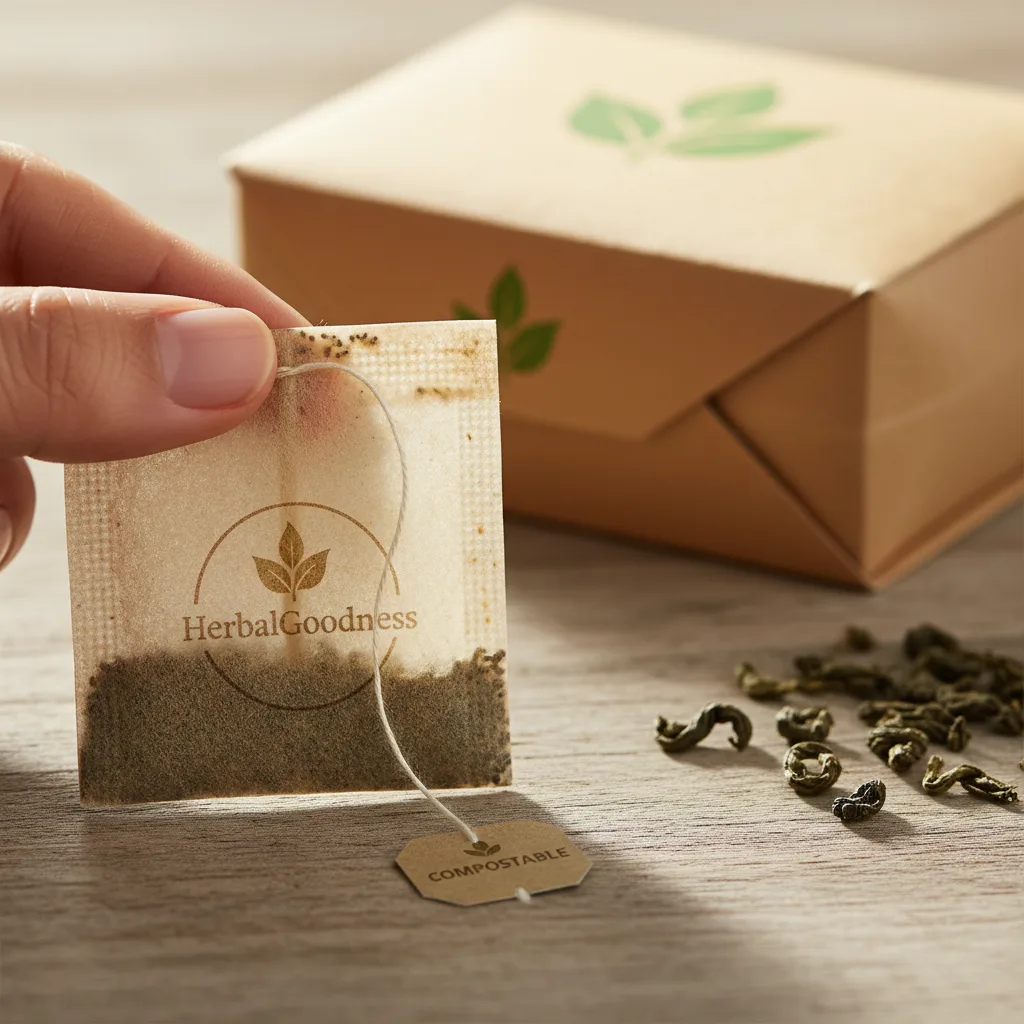
An online listing for organic bamboo tea bags might look promising, but check if the packaging is compostable or recyclable as well. Sustainable packaging ensures your low-waste intentions are followed through to delivery. Examine product photos for packaging labels mentioning "compostable," "biodegradable," or "plastic-free." Certifications such as BPI Certified or OK Compost HOME are excellent signals of independently evaluated claims.
If the information isn't clear, ask sellers directly about packaging. And pay attention to any details about plastic liners within boxes or pouches. Brands that are mindful about both their tea bags and packaging contribute to the best bamboo tea bags experience for eco-minded buyers.
Interpreting Labels and Certifications When Shopping Bamboo Tea Bags
During your search for premium bamboo tea bags, you’ll find a variety of labels and claims, including “compostable” and “biodegradable.” Compostable materials should fully break down into non-toxic components, but standards for home versus industrial compostability differ. Biodegradable can mean eventual breakdown without a strict timeline or environmental protocol.
Seek out reputable certifications such as BPI, OK Compost HOME, and USDA Certified Biobased Product when buying bamboo tea bags for sale. Closely inspecting product listing photos can help, or you can check the Q&A section for direct proof. If a claim is made without listed certification, ask the seller for authentic documentation.
Comparing Bamboo Tea Bag Material Blends Online: What’s Best for Low Waste?
Single-material products, especially those made with 100% bamboo fiber, tend to be more compostable and have a lower risk of unwanted chemical residue than synthetic blends. For options that use PLA for added strength, remember that this material usually requires industrial composting—not every local facility will process it. Bamboo-paper blends may break down well but can be compromised by added mesh or sealants. If you notice a shiny, silky appearance, double-check for hidden synthetics.
If you’re looking for alternatives, consider the Bamboo Leaf Tea – 24/1.5g Tea Bags - Nature's Collagen & Biotin for a tea bag option where brand transparency and compostability are central. It’s useful to reach out to sellers with specific questions about blends and adhesives.
Assessing Shelf Life and Storage from Product Details
High-quality bamboo tea bags should keep your tea fresh, aromatic, and structurally sound until you’re ready to use them. Look for online listings that mention shelf life, with best-by dates or freshness claims extending up to 24 months in resealable or airtight bags.
Proper packaging keeps both the tea and the tea bags pristine. Brands like Bamboo Leaf - Organic 15X Liquid Extract - Nature's Collagen & Biotin can also complement your wellness routine with added bamboo goodness, supporting longevity and storage.
When freshness is a priority, review details for resealable packaging or reach out for specifics—this small step ensures your premium purchase is preserved.
Evaluating Low-Waste Disposal Options Before You Buy
Prioritizing low-waste living means identifying clear composting instructions and avoiding ambiguous disposal guidance. Favor products certified as “home compostable” for the simplest at-home disposal. Clear directions, such as "dispose any staples or plastic," and step-by-step guides for curbside or bin composting, are essential.
A practical herbal option for pairing with your bamboo tea bag practice is Soursop Leaf Tea Graviola Leaves - Organic 24/2g Tea Bags - Immunity & Cell Renew, which features plant-based ingredients with low-waste packaging for feel-good sipping.

Understanding Shipping, Sourcing, and Transparency in Bamboo Tea Bags
Shipping methods affect the true eco-friendliness of your purchase. For example, reputable companies like Herbal Goodness are known for shipping in compostable or recyclable packaging, which supports your sustainability goals. Ordering in bulk reduces total packaging and environmental impact per tea bag. When transparency about sourcing is provided—such as bamboo grown on certified sustainable farms—you can shop with greater peace of mind.
Details like these are easy to spot in responsible brands. Transparency around certifications, sourcing, and testing is reflected in the product information for Bamboo Leaf Tea – 24/1.5g Tea Bags - Nature's Collagen & Biotin and other select teas.
Smart Questions to Ask Sellers Before You Order
Before making your purchase, verify if the full ingredient and material list is available, including adhesives and reinforcements. Confirm the compostability of both the tea bag and packaging, check the country of origin for both the tea and the bamboo, and research composting options for your area. Empower your low-waste lifestyle and prioritize certified, transparent brands to find the best organic bamboo tea bags online.
Final Considerations for Premium, Organic, Best-Quality Bamboo Tea Bags
Shopping for bamboo tea bags online is about more than price or flavor. It’s about matching your values for sustainability and quality with clear facts from sellers. Focusing on trusted options like Bamboo Leaf Tea – 24/1.5g Tea Bags - Nature's Collagen & Biotin ensures you can enjoy a natural, flavorful cup while minimizing waste. Other products, such as Papaya Leaf Tea - Organic 24/2g Tea Bags, can also enrich your tea time with organic ingredients and thoughtful packaging. Those seeking variety might also appreciate the Herbal Tea Gift Set – Wellness Tea Gift Variety Collection - Organic 24 Teabags, offering multiple organic teas crafted for minimal environmental footprint.

Ready to make more sustainable decisions? Use this guide to confidently compare, shop, and buy the best bamboo tea bags online—supporting both your wellness routine and a low-waste lifestyle.
FAQs:
- How can I verify if bamboo tea bags online are truly compostable before buying?
Check product details and photos for certifications like OK Compost HOME or BPI Certified. If claims aren’t backed up with labels or specifics, contact the seller directly for documentation to ensure compostability.
- What material is best when shopping for premium bamboo tea bags online?
Pure bamboo fiber is generally considered the best for low-waste, compostable tea bags. Blends with PLA or paper can be practical but check for clear details on compostability and the presence of any synthetic fibers.
- Are all bamboo tea bags organic?
Not all bamboo tea bags are organic. Look for third-party certifications in product listings, such as USDA Organic, to verify organic sourcing. Always read labels and ingredient details for confirmation.
- What does ‘industrial compostable’ mean on bamboo tea bag labels?
‘Industrial compostable’ means the tea bag will compost fully only in specialized facilities with higher temperatures. Home compost bins usually aren’t sufficient for these materials, so check your local waste options.
- How do I store bamboo tea bags for best quality after buying online?
Store bamboo tea bags in a cool, dry place away from light and moisture. Resealable or airtight packaging helps keep both the tea and bags fresh until use. Review product details for specific storage recommendations.
- Where can I shop the best price for high-quality bamboo tea bags?
Compare reputable online vendors that provide transparent information about materials, certification, and packaging. Look for those offering bulk options or direct-from-brand pricing to ensure premium quality and best value.
Author Name:
Herbal Goodness Editorial Team
Author Bio:
The Herbal Goodness Editorial Team specializes in holistic health and superfoods, blending science and nature to educate and empower our community.
References:
Introducing Graviola to Young Taste Buds: Fun, Family-Friendly Flavor Exploration
Graviola in the Classroom and at Home: Creative Activities to Teach Kids About Tropical Plants