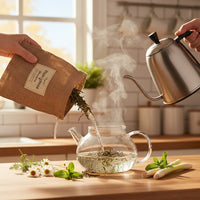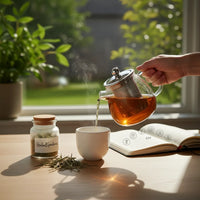





How to Host a Bamboo Leaf Tea Tasting: Ordering Online Samples and Easy Home Cupping

Inviting friends or family to explore the world of bamboo leaf tea can be a rewarding journey—no travel necessary. Hosting a bamboo leaf tea tasting by mail starts with curiosity about this unique herbal infusion and grows into a festive, educational gathering, even if your guests join from afar. This approachable guide shows you how to order sample packs or small-batch bamboo leaf teas online, plan a minimal-fuss home cupping, and thoughtfully compare qualities like freshness, cut, and origin. Whether you’re a herbal enthusiast or just discovering bamboo leaf tea, every step is designed for sensory exploration and meaningful conversation.
Why Host a Bamboo Leaf Tea Tasting by Mail?
Bamboo leaf tea has long been appreciated for its light, grassy character and smooth mouthfeel. Hosting a tasting—especially by mail—offers a way to explore a range of teas, origins, and preparations, inviting others to join in wherever they are. Ordering premium quality or organic samples online allows you to compare options and connect over a shared sensory adventure, even if you can’t meet in person. It’s an opportunity to:
- Sample diverse cuts and sources of bamboo leaf tea side by side
- Learn how to assess flavor, aroma, and appearance
- Support sustainable, low-waste practices by choosing eco-friendly packaging when buying
- Start interesting tea conversations (even virtually!)
Step 1: Researching and Ordering Bamboo Leaf Tea Samples Online
What to Look for on Product Pages
To get the most from your tasting, begin with a focused online search using high purchase intent keywords such as “buy bamboo leaf tea samples,” “best quality bamboo tea for sale,” and “order organic bamboo leaf tea online.” Look for:
- Sample sizes or variety packs: Many premium tea providers, including specialist brands like Herbal Goodness, offer small-sized packs or loose-leaf samples, perfect for tastings.
- Transparency about origin: The best quality bamboo leaf teas often clarify the geographic source (region, farm, or estate) as well as any organic or sustainable certifications.
- Cut and grade: Product descriptions sometimes list whether the tea is whole leaf, chopped, shredded, or blended. Trying various grades helps you experience breadth in mouthfeel and flavor potential.
- Freshness date or harvest info: For the purest taste, select teas processed more recently. Look for packing or harvest dates on listings or ask suppliers for this information when ordering.
- Eco-friendly packaging: Low-waste shipping is easier than ever—seek brands that highlight compostable, recyclable, or minimal packaging for sample packs.
When shopping, make a list of at least three distinct bamboo leaf tea samples—varying in cut, origin, or style—to maximize your tasting.

Tips for Getting the Best Sample Packs
- Compare cost per gram: The best price isn’t always the cheapest. Compare the price against the sample weight and consider the reputation for freshness or sourcing. For those who want both quality and value, the Bamboo Leaf Tea 24 Bags | Nature's Silica – Collagen & Biotin Support option from Herbal Goodness can be a smart place to start.
- Check customer reviews: Look for comments about taste, packaging, and shopping experience.
- Reach out to brands: If you have questions about origin or cut, reputable sellers like Herbal Goodness are usually willing to share more details.
Step 2: Planning a Simple Home Tasting—Solo or By Mail
Organizing a "Tasting by Mail" Experience
A tasting by mail lets you include friends or family who can’t attend in person. Here’s how:
- Order multiple sample packs: Buy a few extra bamboo leaf tea samples as you shop, or order identical packs to be shipped directly to participants.
- Mail kits ahead of time: Place each set of sample teas (ideally still labeled by cut and origin) in small, resealable bags, then mail or deliver them with basic instructions. If sustainability is a goal, use recycled envelopes or compostable pouches.
- Schedule your tasting: Choose a date for everyone to brew and taste together, whether on a video call or by sharing notes and pictures via group chat.
Setting Up for a Home Cupping
Whether you’re solo or sharing with others, prepare your tasting space with:
- Clean mugs or small cups (one per sample)
- Kettles or pots for heating water
- A timer, teaspoon, and measuring scale (for precise brewing)
- Notepads or printable tasting sheets
- Glasses of water for cleansing your palate between tastings
To deepen your tea journey, consider expanding your sensory exploration with options like the Bamboo Leaf Organic 15X Liquid Extract | Silica, Collagen & Biotin, which offers the beneficial compounds of bamboo in a concentrated form for added variety or wellness routines.
Step 3: Brewing Bamboo Leaf Tea for a Fair Comparison
To truly compare different bamboo leaf teas, use a consistent brewing protocol for each sample. Here’s a simple approach:
Standardized Cupping Method
- Water temperature: Use water just off the boil (90–95°C/194–203°F).
- Leaf-to-water ratio: 2–3 grams of tea leaves per 8 oz (240 ml) cup.
- Steeping time: 5–7 minutes. Adjust by preference, but keep it the same for all samples.
- No added flavors: Skip sweeteners or citrus so the natural character of each tea stands out.
Prepare all samples at the same time if possible, so you can experience aroma and flavor at their freshest.

If you enjoy comparing herbal flavors, you might also appreciate building a broader tasting flight with bundles like the Organic Herbal Tea Trio – Build-Your-Own Bundle, which lets you mix and match a variety of organic teas including bamboo, guava, and hibiscus.
Step 4: Creating a Simple Tasting Note System
Observing, Smelling, and Tasting
Encourage yourself or your group to slow down and notice each sensory element:
- Leaf appearance: Note the color (emerald, pale green, yellow-green) and cut (whole, shredded, fine cut).
- Aroma (dry and brewed): Describe the scent in your own words. Common notes are grassy, lightly sweet, vegetal, or hay-like.
- Liquor color: Examine the brewed tea—usually a clear, pale green or golden hue.
- Flavor: Taste each tea in sips. You might note sweetness, earthiness, or subtle complexity. Compare mouthfeel (silky, light, mellow) and any lingering aftertaste.
Writing Tasting Notes
A simple two-column chart works well (tea sample and your impressions), or you can use a sensory wheel with taste and aroma descriptors. Invite others to share their thoughts—there’s no wrong answer. The goal is to develop a richer vocabulary for what you notice and prefer.
For those excited by the wellness potential of botanicals, the Bamboo Leaf Organic 15X Liquid Extract can add an extra layer to your at-home tasting and exploration and is known for supporting collagen and biotin naturally.

Step 5: Comparing Cuts, Origins, and Freshness
Each bamboo leaf tea will offer subtle differences. Guided tasting can help you develop a more discerning palate:
- Cuts: Coarser or whole-leaf teas might brew lighter or with more mild flavors, while fine cuts may infuse quickly with stronger aromas. This is easy to experience if you order both bagged teas and loose-leaf or bulk herbs; try options such as the our Bulk Herbs collection if you want to experiment with different preparations.
- Origins: Just as with classic teas, bamboo grown in different regions or climates may offer distinctive notes—even from the same species.
- Freshness: Fresher teas commonly feature brighter color and a more lifted aroma. Older samples might brew darker but lack the crispness of younger leaves.
Discuss these elements openly during your tasting. Use conversation prompts like:
- "Which sample felt most vibrant or fresh to you?"
- "Did you notice any difference in aroma after the tea cooled?"
- "Which cut gives the smoothest brew?"
Step 6: Low-Waste Shipping and Green Tasting Practices
A mindful tea tasting experience considers not only what you drink but how your ordering and sharing impact the environment. When selecting your bamboo leaf tea samples or sample packs:
- Choose suppliers—like Herbal Goodness—who emphasize minimal or compostable packaging.
- Reuse shipping materials for mailing tasting kits to friends.
- Compost or recycle tea leaves and used packaging as appropriate after the tasting.
These practices not only reduce waste but add a deeper sense of purpose to your gathering. If you want to bulk order eco-conscious options or tisanes, our organic herbal teas can complement your tasting line-up or serve future gatherings.
Step 7: Conversation Prompts and Sensory Exploration
Facilitate richer connections with these prompts for bamboo leaf tea tastings:
- "What’s the biggest difference you taste between the samples?"
- "How does the packaging from each origin influence your experience?"
- "Did any tea surprise you with its aroma or taste?"
- "Would you choose to buy any of these teas for daily use, or as gifts? Why?"
Encourage open, curiosity-driven discussion rather than chasing a "right answer." The more you experience, the more confident you’ll become in recognizing what makes a premium bamboo leaf tea special to you.
Bringing It All Together: Building Appreciation, One Cup at a Time
By thoughtfully ordering and tasting a flight of bamboo leaf teas—solo or by mail—you not only discover your preferences but also learn what to look for in future purchases: transparency, freshness, quality cut, and sustainable practices. Each step primes you for more joyful, mindful tea buying and enjoyment, whether you become a regular sampler or simply savor the experience once.
FAQs:
- Where can I buy high-quality bamboo leaf tea samples online?
Many specialty herbal brands and reputable online tea shops offer premium quality bamboo leaf tea sample packs for sale. Look for providers with detailed product information, clear origins, and freshness dates. Shopping with established brands helps ensure you receive fresh, authentic samples and reliable shipping.
- What should I look for when ordering bamboo leaf tea for a tasting?
Prioritize teas with transparent origin details, clear freshness or harvest information, different cut styles, and eco-friendly packaging. Sample or variety packs are ideal for comparison. Reading product descriptions and customer reviews can help you choose the best teas to order.
- How do I host a bamboo leaf tea tasting by mail with friends?
Order identical bamboo leaf tea samples for each participant. Send each set to your friends in advance, then schedule a virtual meeting or group chat to taste, discuss, and compare notes together. Use low-waste shipping materials when mailing tasting kits.
- Why is cut and freshness important in bamboo leaf tea tasting?
Different cuts (whole leaf, shredded, fine cut) influence the brew’s flavor and texture, while fresher teas usually offer brighter colors and more vibrant aromas. Comparing these factors helps refine your preference and guides your buying decisions.
- What is the best way to brew bamboo leaf tea for a fair tasting?
For consistency, use a standard protocol: about 2–3 grams of leaves per 8 oz cup, water just off boil, and steep for 5–7 minutes without additives. This allows you to fairly compare aroma and taste across different samples.
- Can I reuse or recycle the packaging from my bamboo leaf tea samples?
Yes, many brands now offer recyclable, compostable, or minimal packaging for sample packs. Reuse packaging when mailing to participants, and compost or recycle materials after your tasting where possible.
- How do I know if I’m buying the best quality bamboo leaf tea?
Look for sellers who provide detailed information about origin, cut, and processing, use clear labeling, offer freshness guarantees, and maintain strong reputations. Ordering from brands like Herbal Goodness known for quality sourcing can add reassurance.
Author Name:
Herbal Goodness Editorial Team
Author Bio:
The Herbal Goodness Editorial Team specializes in holistic health and superfoods, blending science and nature to educate and empower our community.
References:
Introducing Graviola to Young Taste Buds: Fun, Family-Friendly Flavor Exploration
Graviola in the Classroom and at Home: Creative Activities to Teach Kids About Tropical Plants