





Allergen-Aware Bulk Herbal Tea Sourcing Guide for Small Business

Sourcing herbal tea in bulk brings exciting opportunities—and important responsibilities—for small cafés, emerging wellness brands, and specialty grocers who wish to serve sensitive customers. Allergen awareness is more than a passing concern: it is a practical commitment to providing safe, trustworthy beverages. Whether you’re seeking chamomile for cozy blends or moringa for nutrient-rich infusions, knowing how to reduce cross-contact risks is essential.
Bulk buying adds complexity to sourcing, storage, and handling compared to consumer-size purchases. As a small buyer, you may lack the in-house labs or extensive protocols of larger producers. However, with practical steps grounded in clear supplier communication and basic quality control, you can play a central role in reducing allergen cross-contact throughout your supply chain. This guide walks you through the key strategies—from supplier questions to storage tips—to help protect all customers, especially those with sensitivities.
Understanding Allergen Cross-Contact in Bulk Herbal Tea Sourcing
Allergens can be introduced into herbal teas through cross-contact—a process where traces of allergenic foods or botanicals transfer unknowingly during harvesting, processing, packaging, or distribution. Common risk points include shared harvesting tools, multi-use production lines, or inadequate cleaning protocols. For small buyers, awareness and proactive sourcing steps act as your first line of defense against unwanted surprises in your tea blends.
Bulk purchasing often means that even tiny lapses can have far-reaching consequences, especially when serving groups with diverse needs. By understanding where cross-contact most often occurs, you can better target your sourcing questions and quality control measures.
Supplier Screening: The Right Questions to Ask
One of the most powerful tools you have as a small buyer is your choice of supplier—and the questions you ask. Transparency and cooperation from your supplier set the foundation for safer herbal tea sourcing. Here are practical, targeted questions to raise:
1. Facility Allergen Segregation
- Are allergenic ingredients handled or processed in your facility? If so, are they segregated from herbs and botanicals?
- What specific measures do you use to prevent cross-contact between allergenic and non-allergenic products?
2. Shared Equipment and Line Protocols
- Do you process herbal teas on equipment shared with nuts, soy, gluten, or other common allergens?
- How do you clean, sanitize, and verify the cleaning between different production batches?
- Can you provide details of your changeover and equipment cleaning procedures?
3. Sourcing and Processing Traceability
- Can you trace each herbal ingredient back to its origin or lot?
- Do you receive allergen documentation or testing results from upstream suppliers?
4. Employee Training and Allergen Awareness
- Are staff trained regularly on allergen awareness and cross-contact prevention?
- How do you handle reports of contamination or errors in your production processes?
Open, detailed answers to these questions help you identify potential risks before committing your business or community to a particular supplier or product line.
Documentation to Request for Allergen Safety
Supplier assurances are important, but written documentation provides an added level of security. These records may not turn you into an allergen control expert overnight, but they give you vital talking points and safety benchmarks:
- Allergen Control Plans: Often known as HACCP or similar documentation, detailing how the supplier manages allergen risks.
- Ingredient Statements and Allergen Declarations: Make sure these are updated for every new lot or blend, noting potential cross-contact points.
- Sanitization Logs: Cleaning and maintenance records for all equipment used in your herbal tea lots.
- Third-Party Audits or Certifications: Look for safety audits, food safety certifications, or routine inspection reports where available.
Requesting these documents can seem daunting at first, but most reputable suppliers expect and welcome diligence in these areas. The habit of reviewing these records reduces surprises and builds mutual trust between buyer and supplier.
Choosing the right herbal tea supplier is an important part of building customer trust. Beyond product quality, reliable sourcing requires transparency, clear documentation, and a commitment to responsible handling practices.
Herbal Goodness works with businesses looking for quality herbal products and dependable wholesale solutions. If you’re interested in stocking herbal teas and botanical products for your customers, complete our Retailer & Wholesaler Interest Form to connect with our team.
Packaging and Storage Strategies to Minimize Risk
Bulk herbal tea, unlike pre-packed retail boxes, requires care not only at the supplier but also upon receipt, storage, and eventual preparation. Simple, clear storage strategies help you uphold allergen safety at every stage:
Establish Dedicated Storage Areas
- Store bulk herbs in areas clearly separated from other potential allergens (such as grains, nuts, or processed foods).
- Use color-coded bins or shelving if possible to visually mark allergen-free zones.
Use Sealed, Labeled Containers
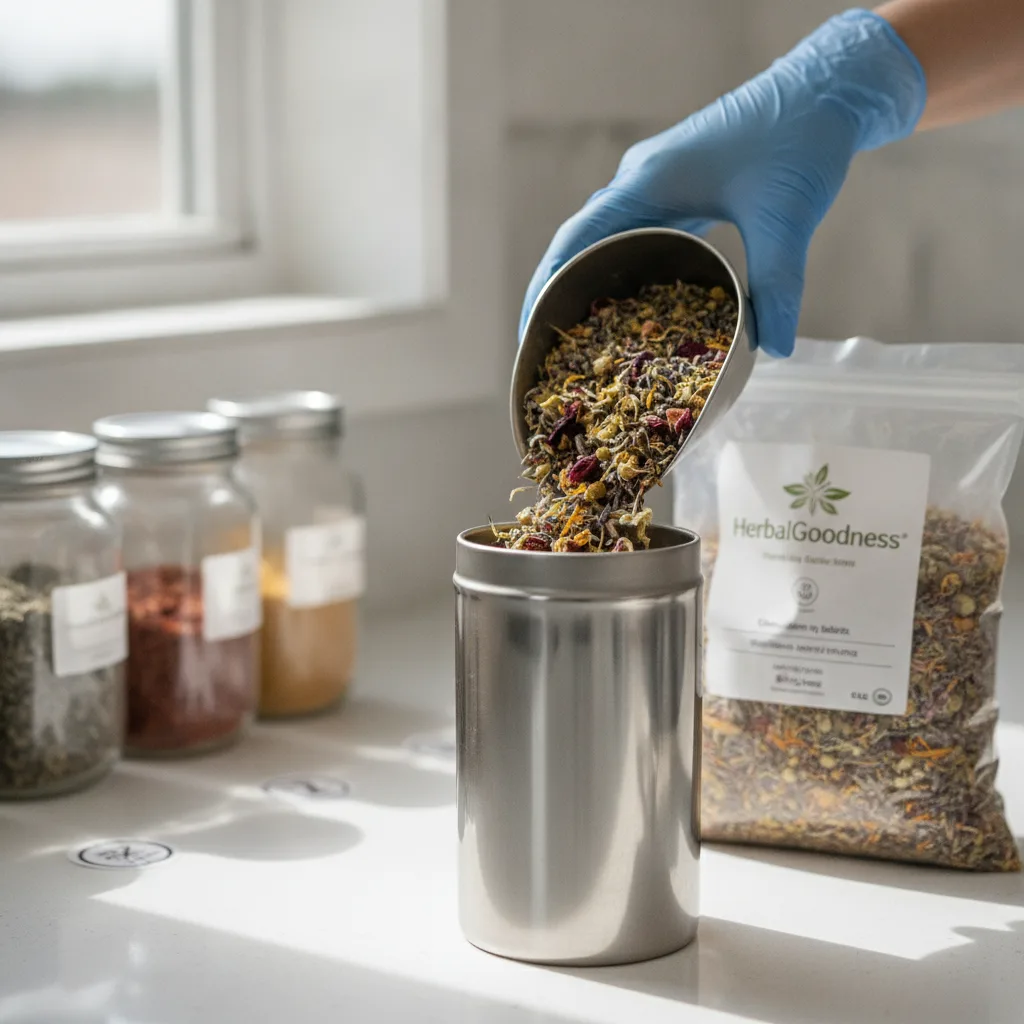
- Always store bulk herbs in tightly sealed, food-grade containers.
- Require clear labels with delivery dates, lot numbers, and allergen statements for each container.
Practice FIFO (First In, First Out)
- Rotate stock so older inventory is used before new, minimizing risk of cross-contamination from partially opened lots.
Train Staff Thoroughly
- Make sure employees understand the required handling practices for herbal teas.
- Encourage the use of dedicated scoops or utensils for allergen-free products.
Regularly Inspect Storage Areas
- Look for signs of spillage, pest intrusion, or packaging failure.
- Clean and monitor shelves and bins between different herbal tea lots.
These measures layer your sourcing vigilance with sound in-house practices, reducing cross-contact risk from supplier to cup. When utilizing bulk loose leaf teas, these strategies ensure each batch maintains optimal freshness and meets strict allergen standards.
Basic Quality Control for Small Bulk Tea Buyers
Full-scale laboratory testing may be out of reach for small brands and cafés, but consistent basic quality control can make a big difference:
Visual and Sensory Inspection
- Look for unexpected particles, color changes, or signs of contamination before blending or serving.
- Note any shifts in aroma or texture that may indicate an issue.
Sample Retention
- Keep small samples from each bulk lot for reference, labelled and stored in sealed containers.
Staff Communication
- Train staff to report any off-odors, irregular appearances, or customer-feedback promptly.
Routine Supplier Review
- Schedule periodic reviews of supplier performance and communication, updating screening questions as needed.
Documentation Review
- Revisit allergen statements and documentation with every new shipment or blend.
These steps add minimal time to your routine but create strong checks that can help catch cross-contact concerns early—protecting both your brand and your community. If you wish to diversify tea offerings without sacrificing convenience, consider the Organic Herbal Tea Gift Set for a curated approach to allergen-sensitive selections.
Building Relationships with Allergen-Aware Suppliers
The relationships you create in sourcing are just as vital as the processes you implement. Herbal tea suppliers who value allergen-aware practices will often:
- Respond quickly and clearly to your allergen-related questions
- Update documentation proactively as practices change
- Offer feedback on best storage and handling for your operation size
Choosing suppliers who support your safety priorities—rather than simply offering the lowest cost—can pay dividends in customer trust and operational peace of mind. For those seeking functional teas with credible sourcing, Soursop Leaf Tea | Organic Graviola 24 Bags | Soursop Tea Benefits for Immunity & Wellness is an example of a product that emphasizes wellness and allergen transparency.
Creating a trusted herbal tea selection starts with a supplier who understands the importance of quality, consistency, and transparency. Whether you’re expanding a café menu, launching a wellness brand, or adding new products to your store, having the right sourcing partner makes the process easier.
Explore wholesale opportunities with Herbal Goodness by submitting our Retailer & Wholesaler Interest Form and starting a conversation with our team.

Allergen Awareness as an Ongoing Commitment
For cafés, wellness brands, and smaller bulk buyers, allergen-aware herbal tea sourcing is not a one-time checklist but an evolving part of business culture. Awareness, documentation, and vigilant storage practices connect you directly to your end-customers, ensuring every cup is served with informed confidence.
Taking even modest practical steps, from screening suppliers to labeling storage bins, demonstrates real care about the people you serve. This commitment supports not only those with allergies or sensitivities, but also lifts the entire community’s trust in your herbal tea offerings. Choose trusted products, such as Organic Papaya Leaf Tea | 24 Premium Bags – Caffeine-Free, to provide safe and delicious selections for everyone.
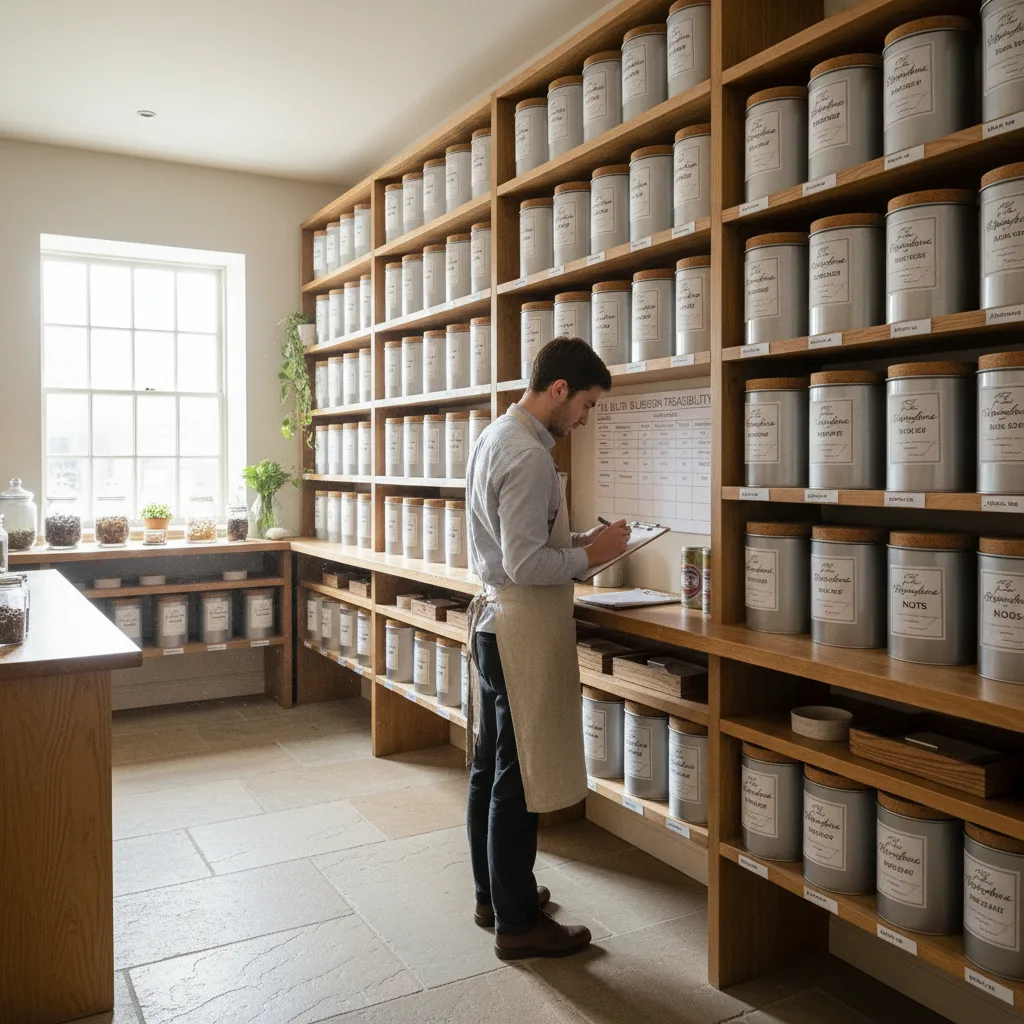
With robust sourcing questions, clear documentation, and in-house protocols in place, you support both sensitive customers and the broader wellness community through safe, transparent bulk herbal tea practices.
Frequently Asked Questions
Question 1: What are the main sources of allergen cross-contact in bulk herbal tea?
Answer: Allergen cross-contact typically occurs when shared equipment, storage, or packaging are used for both allergen-containing products and herbs. Sourcing bulk loose leaf teas from suppliers with strong segregation practices reduces these risks.
Question 2: How can small buyers ensure proper allergen documentation from tea suppliers?
Answer: Ask for current allergen control plans, updated ingredient statements, and sanitization logs. Reputable suppliers are happy to provide clear allergen declarations for each product, such as those supplied with the Soursop Leaf Tea | Organic Graviola 24 Bags | Soursop Tea Benefits for Immunity & Wellness.
Question 3: What are some best practices for storing bulk herbal teas?
Answer: Use sealed, food-grade containers with clear labels, separate allergen-free zones, and rotate stock using FIFO. These practices are also essential when handling products like Organic Papaya Leaf Tea | 24 Premium Bags – Caffeine-Free.
Question 4: Do individually wrapped tea bags reduce allergen risk?
Answer: Yes, single-serve tea bags, such as those in the Organic Herbal Tea Gift Set, offer added protection against cross-contact compared to loose, unwrapped tea.
Question 5: How frequently should allergen statements and supplier documentation be reviewed?
Answer: Revisit all allergen statements with every new shipment or blend, especially when using bulk herbs in your facility. Regular review helps catch changes in formulations or supplier processes early.
Question 6: Can you recommend safe herbal teas for allergen-sensitive customers?
Answer: Products emphasizing allergen transparency are ideal. Consider Soursop Leaf Tea | Organic Graviola 24 Bags | Soursop Tea Benefits for Immunity & Wellness and Organic Papaya Leaf Tea | 24 Premium Bags – Caffeine-Free for well-documented, safe choices.
Question 7: Why is supplier selection critical for allergen-aware bulk tea sourcing?
Answer: Supplier practices impact every step of your quality control. Partnering with proven, transparent vendors ensures allergen risks are addressed, especially when purchasing bulk and specialty teas.
Ready to source bulk herbal teas with greater peace of mind? Use this practical guide as your foundation—start conversations with your suppliers and build allergen-aware habits that protect your community.
About the Author
Herbal Goodness Editorial Team
The Herbal Goodness Editorial Team specializes in holistic health and superfoods, blending science and nature to educate and empower our community.
References
Introducing Graviola to Young Taste Buds: Fun, Family-Friendly Flavor Exploration
Why Social Impact Matters in Plant-Based Wellness
Oregano Oil vs. Black Seed Oil: Sensory & Sourcing Guide
Graviola in the Classroom and at Home: Creative Activities to Teach Kids About Tropical Plants