


Wildcrafted vs. Farmed Bamboo Leaf Extract: Key Buying Difference

Bamboo leaf extract has gained enthusiastic interest thanks to its history in traditional wellness practices and perceived eco-friendly qualities. As consumer awareness grows around what goes into herbal supplements, understanding the differences between wildcrafted and farmed bamboo leaf extract becomes more important than ever. Whether you’re new to herbal wellness or aiming to make more sustainable choices, getting to grips with these sourcing distinctions and environmental considerations is the first step toward confident, values-aligned buying.
What Does “Wildcrafted” vs. “Farmed” Bamboo Leaf Extract Mean?
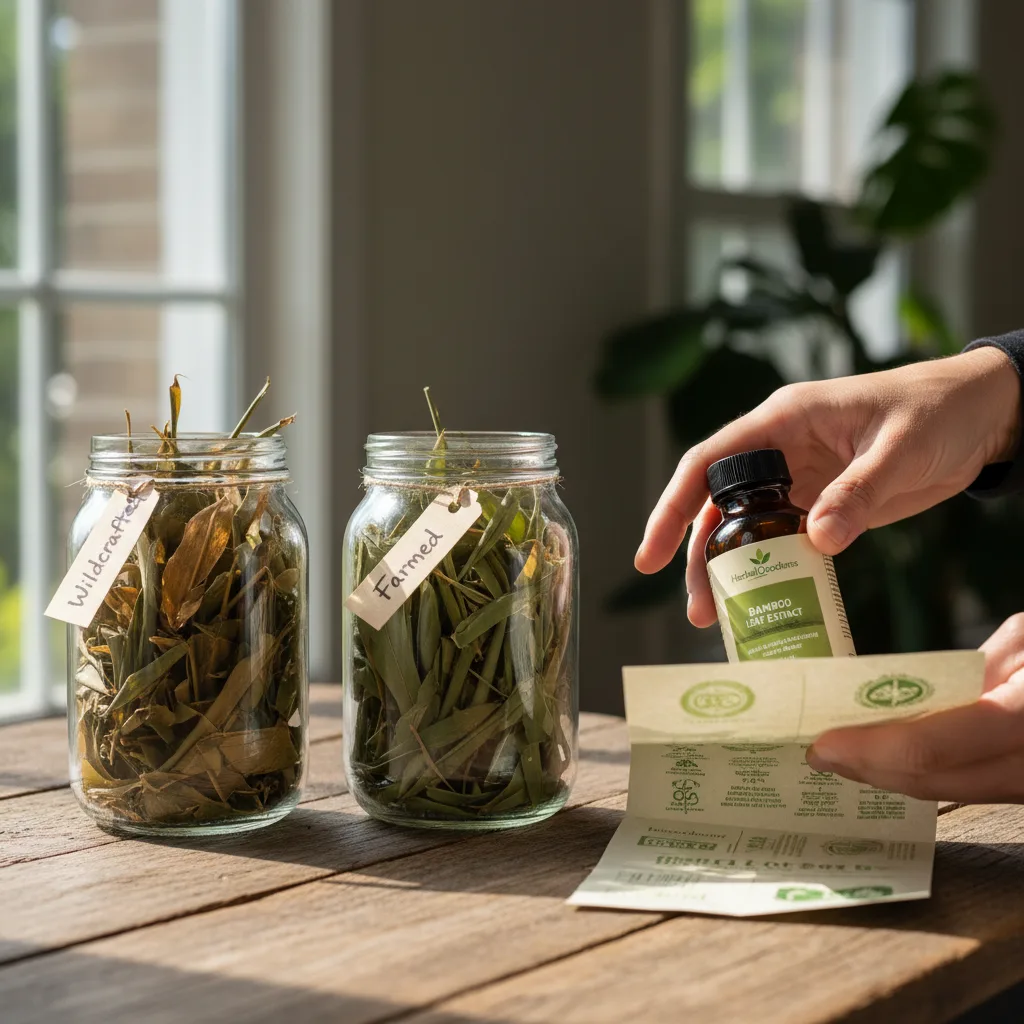
When scanning the labels of bamboo leaf extract products, you’ll typically see two main sourcing designations: wildcrafted (or wild-harvested) and farmed (cultivated) bamboo. Here’s what those terms actually mean in practice:
Wildcrafted or Wild-Harvested Bamboo Leaf Extract
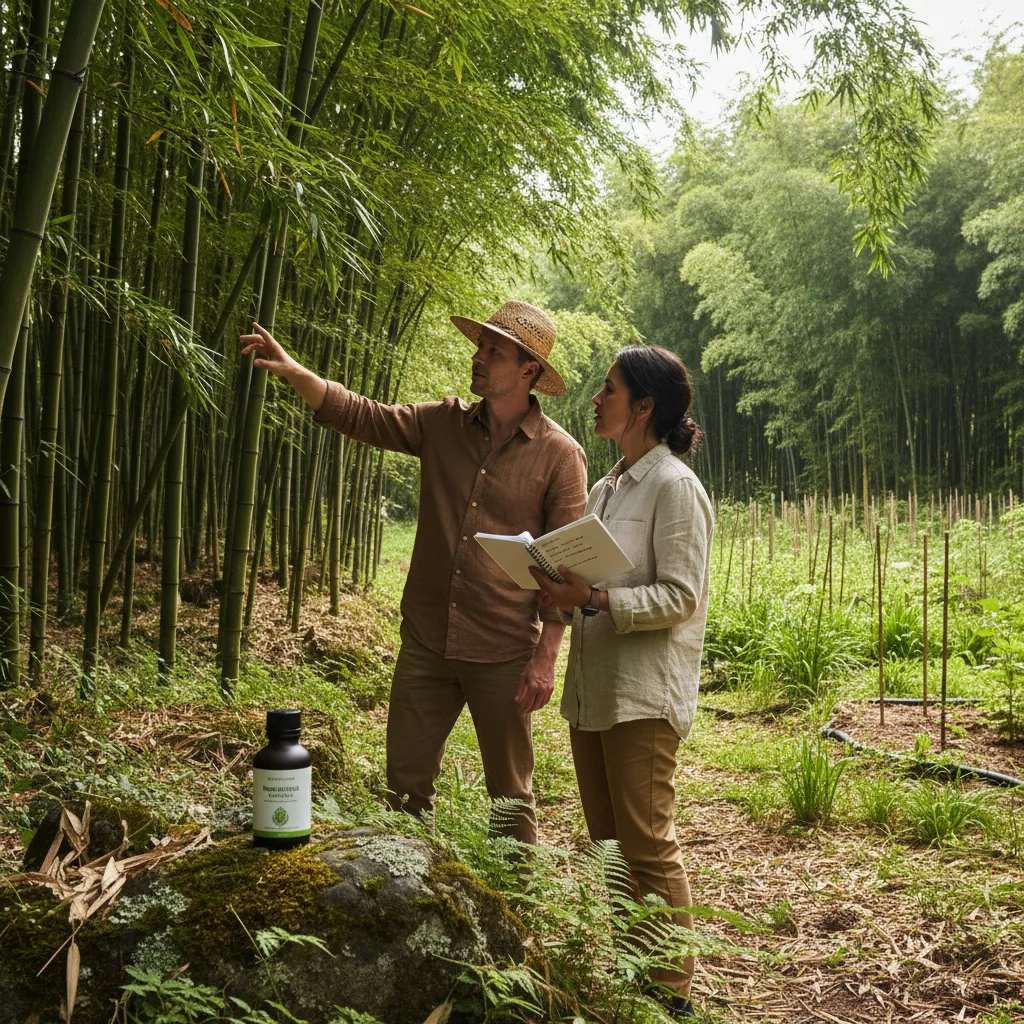
Wildcrafting refers to the gathering of bamboo leaves from naturally occurring stands in the wild. Rather than being sown and tended like a crop, wild bamboo grows in unmanaged forests or grasslands. Harvesters collect the leaves using traditional or low-impact methods, aiming to avoid harming the surrounding ecosystem.
- Growth Conditions: No agricultural intervention—bamboo matures in its natural habitat.
- Harvesting Practices: Usually conducted by hand or simple tools to minimize ecosystem disturbance.
- Seasonality: Harvest windows often align with natural cycles, timed for leaf quality and sustainability.
- Traceability: Provenance can be harder to document unless transparent, community-driven approaches and certifications are applied.
Farmed or Cultivated Bamboo Leaf Extract
Cultivated bamboo is grown on agricultural land, often managed much like a traditional crop. Stands of bamboo are sown, irrigated, weeded, and harvested at scale, with sustainability practices varying by farm.
- Growth Conditions: Controlled planting, sometimes using organic or regenerative farming methods.
- Harvesting Practices: Mechanical or manual harvesting—may enable larger-scale production for consistent supply.
- Seasonality: May offer more predictable or year-round harvest opportunities, depending on farm management.
- Traceability: Can have clear supply chains, with farms documenting growing and harvesting protocols.
Understanding these definitions forms the backbone of interpreting product labels and evaluating which type might match your personal values for responsible sourcing and ecosystem stewardship.
Environmental Impact: How Sourcing Affects Ecosystems
Environmental considerations play a major role in the sourcing discussion—especially for nature-conscious buyers who want bamboo leaf extract to support, not undermine, long-term ecological health.
Wildcrafted Bamboo: Pros and Trade-Offs
Wild-harvested bamboo can be supportive of biodiversity if conducted with respect for growth cycles and population health. However, it also poses risks:
Potential Benefits:
- Maintains natural habitats and encourages preservation of ecosystems.
- No synthetic fertilizers or pesticides involved.
- Can empower local communities to steward wild areas.
Possible Drawbacks:
- Unsustainable or unregulated harvesting risks over-depletion or ecosystem disruption.
- Limited scalability—wild stands may not supply larger markets reliably.
- Seasonality may constrain availability and consistency.
Farmed Bamboo: Pros and Trade-Offs
Farmed bamboo leaf extract often appeals for its scalability and potential for traceable supply.
Potential Benefits:
- Allows for environmental controls, like organic irrigation and soil health management.
- Can provide predictable output and easier documentation of farming practices.
- Reduces harvesting pressure on wild populations.
Possible Drawbacks:
- Depending on the operation, may use agricultural inputs that affect local soils, waterways, or biodiversity.
- Large-scale monoculture farming could displace native species if not managed responsibly.
- Operational transparency varies—look for farms with certifications and good stewardship records.
As you weigh these environmental trade-offs, consider options that also account for social sustainability. When choosing herbal infusions, look for blends made with certified, responsibly sourced ingredients such as the Wellness Tea Blends – 4oz Organic Premium Herbal Infusions, which highlight eco-friendly practices and full traceability.
Navigating Bamboo Leaf Extract Labels for Informed Choices
Labels can feel confusing, especially with terms like "wildcrafted," "organic," or "sustainably harvested" appearing alongside product names. Learning what these labels actually mean—and what to watch for—puts more control in your hands as a conscious shopper.
Key Label Claims: What to Look For
- Wildcrafted/Wild-Harvested: Indicates gathering from the wild, but check if the brand provides details about region, community involvement, or stewardship practices.
- Organic: Signals cultivation without synthetic inputs. Organic wildcrafted bamboo is rare but possible if certifying agencies inspect wild stands.
- Certified Sustainable: Third-party certifications (such as USDA Organic or independent sustainability seals) demonstrate audited adherence to certain environmental or ethical standards.
- Region of Origin: Regional detail (e.g., “Harvested in Southeast Asia’s protected forests”) increases transparency and supports traceability.
- Harvest Method Details: Brands with strong sourcing ethics may specify hand-harvesting, partnerships with local harvesters, or eco-sensitive protocols.
Red Flags and Marketing Hype
- Vague Sourcing Claims: Phrases like “natural bamboo” or “eco-friendly” without details can signal unclear supply chains.
- Overly Broad Sustainability Claims: Ensure that what’s on the label is backed by real certification or verifiable information.
- Missing Harvest Date or Batch: Inconsistent labeling or omission of the lot or harvest may limit traceability and freshness assessment.
If you're exploring other herbal extracts, options like Joints Be Happy - 2fl.oz - Bone & Joints often display transparent sourcing information and certifications for added buyer reassurance.
Sourcing Questions for Curious Shoppers: Aligning with Your Values
Newcomers to bamboo leaf extract will encounter a range of claims and options. Asking targeted questions can clarify product origins and ethics:
- What is the provenance of your bamboo leaf extract? (Wild or farmed? Which region?)
- Which harvesting methods are used, and how is the surrounding ecosystem protected?
- Can you provide details or documentation of third-party certifications?
- Is seasonality respected with wild harvesting, or is cultivated supply more consistent?
- How do you ensure the communities involved benefit sustainably from your sourcing?
Responsible brands are often transparent and appreciate informed questions—they may even share extra details to support your decision-making. Other herbal products, like the Stone Breaker Chanca Piedra 15X Liquid | Kidney & Urinary Wellness, often highlight both traceability and region of origin to empower informed shoppers.
Recognizing Seasonal Cycles and Their Effects on Quality
Understanding the role of seasonal cycles can add nuance to your appreciation of both wild and farmed bamboo leaf extract:
-
Wildcrafted: Harvest windows are typically chosen for peak leaf vitality. This ties the extract’s qualities to local weather patterns and growing seasons, which can subtly influence taste and characteristics.
-
Farmed: May be cultivated for staggered or multiple harvests, potentially offering year-round availability. Quality can remain high if the farm follows good post-harvest handling, storage, and documentation.
-
Label Signals: Artisans and eco-minded brands sometimes highlight the harvest month or season, which can provide a fresher snapshot and support buyers prioritizing maximum potency or locality.

Appreciating these seasonal differences supports informed expectations about availability, flavor, and variation in Wellness Tea Blends – 4oz Organic Premium Herbal Infusions as well as bamboo leaf extracts across brands and batches.
Certification Signals: Organic, Fair, and Sustainable Practices
While bamboo naturally grows robustly and resists many pests, certified organic and ethical stewardship still matter for mindful sourcing. Here’s how to read common certification signals:
Organic Certification
- For farmed bamboo: USDA Organic or similar seals confirm no use of synthetic fertilizers, pesticides, or GMOs in cultivation.
- For wildcrafted bamboo: Rarer, but possible if wild stands are certified and harvesting follows strict protocols.
Fair and Sustainable Certifications
- Eco-certifications (like Rainforest Alliance, FairWild, or local equivalents): Indicate third-party audits for social and environmental criteria, including fair pay and community involvement.
- Batch Traceability: Lot or harvest numbers help validate supply chain integrity and freshness.
Certifications offer extra reassurance, but absence does not always mean low quality—smaller community harvests or traditional methods may not pursue costly certification but might still honor ethical standards. When certifications aren’t listed, ask brands for documentation or additional information. Looking for responsibly sourced products, such as Joints Be Happy - 2fl.oz - Bone & Joints, ensures ethical and transparent protocols are prioritized in supplement choices.
Practical Trade-Offs: Matching Your Priorities with Sourcing Types
Choosing between wildcrafted and farmed bamboo leaf extract often requires weighing different values and trade-offs:
- Prioritizing Biodiversity: Wildcrafted bamboo can support naturally resilient ecosystems if done responsibly—but make sure brands clarify sustainable harvest details.
- Ensuring Consistency and Traceability: Farmed, especially organic-certified bamboo, often offers reliable quality and clearer documentation, which may suit those prioritizing transparent supply chains.
- Seasonal vs. Year-Round Supply: Wildcrafted may be more sensitive to seasonal cycles and availability, while farmed bamboo is typically managed for steady production.
- Supporting Community Harvests: Brands that work directly with wild-harvesters or farming cooperatives can deliver social impact along with environmental sensitivity.
Consider which of these factors matter most for your lifestyle and buying philosophy, and use label clues or direct questions to align your purchases with your principles. Sometimes, formulas such as Belly Bliss Liquid Extract | Natural Digestive Support & Gut Comfort offer details about both community harvests and regionality.
Comparing Bamboo Leaf Extract Formats: What to Expect
Bamboo leaf extracts are available in multiple forms, including liquid extracts, capsules, powders, and teas. Sourcing protocols apply regardless of format:
- Label Reading: Look for the same sourcing, traceability, and certification signals on every format you consider.
- Batch and Origin Transparency: Some formats, such as artisan teas, may spotlight micro-batch harvesting or regional uniqueness.
- Sourcing Impact: Bulk products and manufactured forms (like capsules) often come from farmed sources, while smaller, specialty items may use artisan wildcrafted inputs.
Knowing what sourcing information matters equips you to assess the full product range and make choices that reflect both your health and your environmental values. Choosing Wellness Tea Blends – 4oz Organic Premium Herbal Infusions can be a way to ensure quality across formats as you enjoy the benefits of bamboo and other functional botanicals.
Frequently Asked Questions
Question 1: How do I know if a bamboo leaf extract was wildcrafted or farmed?
Answer: Check the label for clear sourcing language such as 'wildcrafted' or 'cultivated.' Responsible brands may also provide region of origin or harvest details. For added transparency, products similar to Wellness Tea Blends – 4oz Organic Premium Herbal Infusions often highlight these distinctions.
Question 2: Does the method of harvesting bamboo affect the supplement’s eco-friendliness?
Answer: Yes, wildcrafted bamboo can support biodiversity when sourced responsibly, while farmed bamboo offers traceability and predictable supply. Always look for brand transparency about sourcing, as seen with Joints Be Happy - 2fl.oz - Bone & Joints.
Question 3: What certifications should I seek out when buying bamboo leaf extract?
Answer: USDA Organic, FairWild, and other sustainability certifications validate responsible sourcing. Some products, including Stone Breaker Chanca Piedra 15X Liquid | Kidney & Urinary Wellness, make certifications or batch traceability clear on the label.
Question 4: Are seasonal factors important when choosing bamboo leaf extract products?
Answer: Yes, seasonal harvesting impacts leaf quality and product freshness. Brands offering details about harvest timings, such as Wellness Tea Blends – 4oz Organic Premium Herbal Infusions, enable more informed purchasing.

Looking for bamboo leaf extract that aligns with your values? Carefully reading labels, asking about certifications, and learning about proper sourcing can help you make decisions that support both your well-being and the planet.
About the Author
Herbal Goodness Editorial Team
The Herbal Goodness Editorial Team specializes in holistic health and superfoods, blending science and nature to educate and empower our community.
Related Blogs:
Buying Bamboo Leaf Tincture? 10 Shopping Terms You Should Know
Why Bamboo Leaf Tinctures Smell and Taste the Way They Do: Beginner’s
Orthosilicic Acid vs Bamboo Extract: Which Silica Source Is Better?