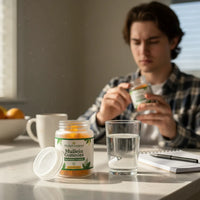





Why Mullein Extract Feels Slippery: Exploring Mucilage and Its Uses

Mullein extract is often described as having a uniquely slippery, gel-like feeling that sets it apart from many other herbal extracts. If you've ever wondered why mullein extract feels this way—and how you might harness this remarkable texture in your own projects and routines—you're not alone. Let's dive into the natural science behind that signature slipperiness, uncover the plant chemistry that creates it, and explore practical, non-medical ways to engage with mullein's tactile qualities.
Understanding Why Mullein Extract Feels Slippery
The distinct slipperiness of mullein extract is primarily due to a group of plant compounds known as mucilage. This section explores what mucilage is, how it forms in mullein, and why it has such a signature sensation.
What Is Mucilage and How Does It Work in Mullein?
Mucilage is a soluble fiber found in various plants, serving as a moisture-retaining gel. In mullein, these water-loving polysaccharides absorb and hold onto water, creating a viscous, slippery texture. When mullein leaves or flowers are soaked or processed in water or alcohol, mucilage is released and gives the resulting extract its characteristic feel.
Mucilage acts as a protective shield for plant tissues, trapping water and keeping cells hydrated. When you encounter this texture in mullein extract, you're experiencing the natural self-care strategies of the plant itself, transferred into a form you can handle and explore.
Compounds Behind the Slippery Texture of Mullein
Mullein contains a high concentration of mucilaginous polysaccharides—complex sugar molecules designed by nature to soften and hydrate plant tissue. These polysaccharides, such as arabinogalactans and glucans, are the molecular backbone of mucilage. Unlike simple sugars, they form long, winding chains that tangle with water, resulting in a thick, cushiony experience when you touch or pour mullein extract.
Interesting Facts About Mullein Mucilage
- It’s naturally odorless and tasteless.
- It can absorb many times its weight in water, which is why mullein feels especially thick when steeped with excess moisture.
- The concentration varies by plant part: Leaves typically contain more mucilage than flowers, and young harvests tend to offer more pronounced viscosity.
How Extraction Methods Influence Mullein’s Texture
How you extract mullein makes a significant difference in the viscosity and tactile quality of your end product. Here’s how common home and commercial extraction techniques affect mucilage content and the overall feel.
Water Extraction (Infusion or Decoction)
Hot water infusions and decoctions are the most direct ways to capture maximum mucilage from mullein. Steeping mullein leaves in hot water (as you would for tea) plumps up the mucilage, leading to a thick, almost gel-like infusion. Longer steep times and hotter temperatures generally create a more slippery, viscous result.
- Best For: Simple DIY hair rinses, gentle thickening agents, or crafting bases.
- Texture: Most gel-like; clearly slippery and often leaves a light film on surfaces.
If you're fascinated by herbal infusions overall, Mullein Leaf Tea Organic 24 Bags provides an accessible way to experience this tactile sensation with the convenience of portioned bags, perfect for both beginners and experienced crafters.
Alcohol Extraction (Tincture)
Alcohol-based extracts (tinctures) pull out a broader range of volatile and non-water soluble compounds from mullein. However, they tend to concentrate less mucilage, resulting in a less slippery texture compared to water extractions.
- Best For: Those curious about a different sensory feel or wanting broader compound coverage.
- Texture: Often thinner; the traditional slipperiness of mucilage is less apparent.
Glycerin Extraction
Glycerin extracts (sometimes called 'glycerites') are gentler and may retain both water-soluble and select water-insoluble constituents. Glycerin can help preserve the slick feel of mucilage and adds its own smoothness, making it pleasant for topical or spray applications.
- Best For: DIY moisture sprays, crafts, or as a natural thickeners where a mild, sweet viscosity is desired.
- Texture: Noticeably slippery, sometimes with a slight tacky finish due to residual glycerin.

Testing and Comparing Mullein Extract’s Slipperiness at Home
Curious about how different extractions or batches might feel? Here’s how to directly explore the gel-like character of your mullein extract at home.
Materials Needed
- Two or more samples of mullein extract (from different methods if possible)
- Clean glass jars or mugs
- Spoons and pipettes
- Water (preferably distilled)
- Notebook for observations
Simple Home Texture Tests
1. The Drop Test
Place a single drop of each extract onto a flat, clean plate. Gently tilt the plate from side to side. Notice how each drop moves—is it slow and sticky, fast and watery, or forming defined ‘beads’? Slipperier, more mucilaginous extracts will move more slowly and may leave faint trails behind.
2. The Pinch Test
Dip your thumb and forefinger into the extract and slowly pull them apart. Does the liquid string along, forming a strand or film between your fingers? The thicker the strand, the higher the mucilage content.
3. The Stir Test
Using a teaspoon, stir two different extracts in identical glass jars. Pay attention to resistance—the more drag or "weight" as you stir, the greater the viscosity.
Recording Your Results
Rate each sample on a 1–5 scale for slipperiness, clarity, and scent. Over time, you can track how storage, temperature, or different plant batches change these scores.

Creative Everyday Uses for Mullein's Unique Texture
Mullein extract’s viscosity isn’t just a plant curiosity—it’s a practical asset in the hands of creative users. Here are a few inventive and approachable uses to make the most of mullein’s naturally slippery feel, all non-medicinal and beginner-friendly.
Mullein Extract as a Gentle Thickener in DIY Recipes
Mullein mucilage can be a natural thickener for simple, non-edible crafts or skincare bases:
- Homemade gentle hair rinses: Add a splash of mullein-infused water to final hair rinses for extra glide and slip, leaving strands easy to comb.
- DIY body mists or sprays: The mild viscosity helps homemade sprays cling gently to skin or hair, offering a natural "weight" without stickiness.
- Crafting natural play gels: Combine mullein mucilage with flour or cornstarch to produce a sensory gel perfect for children’s craft time.
To elevate your DIY hair routines, consider using Bamboo Silica + Biotin Hair Growth Extract | 15X Liquid with mullein infusion. Its botanical blend is known for natural hair and follicle support, making it a smart pairing with home-extracted mullein gels for extra shine and manageability.
Integrating Mullein Into Natural Crafting Projects
Because of its inherent viscosity, mullein extract can double as a base for botanical painting, paper-mâché glues, or other sensory crafts:
- Nature-inspired glue: Mix mullein extract with homemade starch glue for better spreadability.
- Sensory art: Its gel-like texture adds a new dimension to tactile art and creative exploration for all ages.
If you want additional clean ingredients with a similar texture for crafting or sensory play, Raw Sea Moss 8oz Bag is another hydrating botanical you can use. Sea moss is renowned for its thick, gel-forming properties and complements mullein for smooth play gels, craft activities, or moisturizing non-edible DIYs.

Storage, Freshness, and Sensory Testing Tips
To enjoy the full sensory profile of mullein extract, proper storage and simple sensory checks are important—especially when you're working with DIY or home-prepared infusions.
Best Practices for Storage
- Keep mullein extract in airtight glass containers to preserve texture and aroma.
- Store in a cool, dark location, such as a pantry or refrigerator, to slow any breakdown of mucilage or plant compounds.
- Label your extract with preparation date and method for easy tracking and comparison.
If you’re planning to rotate your homemade extracts or try different botanicals to compare texture, the Bulk Herbs & Roots Online collection allows for experimentation with high-quality, shelf-stable ingredients.
Sensory-Testing Your Extract
Every few weeks, perform basic sensory checks:
- Observe the extract’s clarity, color, and thickness
- Smell for any signs of sourness or off aromas
- Test a small drop on your fingers for continued slipperiness
If the extract loses its gel-like quality or develops unusual odors, it’s best to prepare a fresh batch.
Exploring the Science of Mullein Mucilage: A Beginner’s Guide
Mullein’s mucilage is a beautiful example of how plant chemistry connects with our senses. From its soothing slip to its versatility in household and creative activities, mullein extract invites you to notice the subtleties of texture and transformation in everyday plant traditions. As you experiment, track your observations and compare your results—you’ll deepen both skills and appreciation for this remarkable botanical resource.
Herbal Goodness is committed to sharing practical knowledge rooted in both modern science and time-honored herbal wisdom. Whether you're crafting a gentle hair rinse, experimenting with natural thickeners, or simply curious about why mullein feels so uniquely slippery, embracing the science of mucilage puts you in touch with one of nature’s most intriguing plant secrets.
Frequently Asked Questions
Question 1: What gives mullein extract its slippery texture?
Answer: Mullein extract gets its slippery texture from mucilage, a natural, water-absorbing soluble fiber rich in polysaccharides like arabinogalactans and glucans. You can experience this unique texture using products such as Mullein Leaf Organic 15X Liquid Extract | Respiratory & Lung Wellness.
Question 2: Can I make a gel-like mullein infusion at home?
Answer: Yes! Steeping mullein leaves in hot water for a long duration encourages mucilage to create a gel-like, slippery texture. For a convenient start, Mullein Leaf Tea Organic 24 Bags are perfect for easy infusions.
Question 3: Is mucilage found in other botanicals or just mullein?
Answer: Mucilage is found in various plants, not just mullein. For example, Raw Sea Moss 8oz Bag is another botanical known for its gel-forming mucilage, useful for natural thickening in DIY crafts.
Question 4: What recipes or activities can benefit from mullein’s viscosity?
Answer: Try adding mullein to DIY hair rinses, body mists, play gels, or even craft glues. Pairing with Bamboo Silica + Biotin Hair Growth Extract | 15X Liquid enhances hair and scalp DIYs.
Question 5: How should I store homemade mullein extract to preserve its texture?
Answer: Store mullein extract in airtight glass containers and keep them in a cool, dark location. Check texture and aroma every few weeks—if it loses slipperiness or smells off, start a new batch. For more experimentation, try Bulk Herbs & Roots Online.
Curious about mullein’s texture? Try a home extraction, experiment with simple tests, and explore its creative uses for crafts and hair care. Discover how sensory science blends with traditional herbal wisdom in your daily routines.
About the Author
Herbal Goodness Editorial Team
The Herbal Goodness Editorial Team specializes in holistic health and superfoods, blending science and nature to educate and empower our community.
Related Articles
How to Evaluate Mullein Reviews on Trustpilot: A Savvy Shopper’s Guide
Natural Dyeing with Mullein Extract: Beginner’s Guide to Safe Color Crafting
Is It Safe to Drink Mullein Tea Every Day? An Evidence‑Aware Guide for Curious Tea Drinkers
What’s in a Mullein Tea Blend? Exploring Ingredients, Flavor, and DIY Recipes