





Why Focus Drops Taste Different: The Extraction Science Explained

In recent years, liquid brain and focus botanicals have become a staple for those seeking to promotes their ritual or support daily clarity in a natural way. But stepping into the world of liquid herbal drops, you might be greeted not just by a shelf of beautifully colored bottles—but also by a whole new language: alcohol extraction, glycerin base, vinegar infusions, oil macerates, and even fermented formats. Why do brands, including Herbal Goodness, make such varied choices? And what do these categories mean for your taste buds, your timing, and the way you incorporate these drops into your day? This article unpacks in plain English how extraction methods shape the sensory experience, shelf life, and daily use of liquid brain and focus botanicals—bringing clarity to your purchasing decisions and dropper habits alike.
Understanding Extraction: The Heart of Liquid Botanicals
Every liquid botanical extract starts with a simple idea: drawing beneficial compounds from a plant using a solvent. The type of solvent and process creates differences in how the plant’s aroma, color, and various botanical properties end up in your dropper bottle. For brain and focus botanicals, choices like ginkgo, bacopa, rosemary, lion’s mane, or green tea are common. Let’s explore how the most popular extraction methods affect the character of these blends.
Alcohol Extraction: The Classic Tincture Tradition
Alcohol, most often ethanol, is the most traditional and widely used method for extracting plant compounds. It’s prized for its ability to draw out a wide range of both water- and alcohol-soluble phytochemicals.
Taste & Aroma
- Alcohol-based extracts typically have a bright, herbaceous flavor with a warming presence. Some botanicals yield a sharper note, which can stand out when added to plain water or sipped directly.
Timing & Routine Fit
- These tinctures are fast-absorbing due to their alcohol content. Many choose to take their drops sublingually (under the tongue), or blend into tea or juice. Since alcohol is volatile, it can be added to hot beverages without losing much potency.
Shelf Life & Label Language
- Expect a long shelf life—often several years. On labels, look for words like “alcohol-based tincture,” “ethanolic extract,” or “spirits extraction.”
Practical Tip: If you’re sensitive to alcohol or prefer a subtler taste, try diluting your drops into a flavored drink, or check if the label lists the alcohol percentage for easier dosing.
Glycerin Extraction: The Sweet Solution
Vegetable glycerin is a popular alternative for those seeking an alcohol-free option. This plant-derived, syrupy liquid acts as a mild solvent for botanical compounds.
Taste & Aroma
- Glycerin extracts have a gentle, naturally sweet flavor—a favorite for children or those sensitive to bitterness. The mouthfeel is often smooth and less pungent than alcohol-based options. If you’re looking for a botanical drop that’s easy on the palate, the Kids Plant-Based Supplements 1oz | Organic – Focus, Calm, Sleep & Tummy is a noteworthy option with a child-friendly profile.
Timing & Routine Fit
- Glycerites blend well into both hot and cold drinks, though they may take slightly longer to absorb sublingually. Their palatable taste makes them especially suitable for morning smoothies or evening teas.
Shelf Life & Label Language
- Generally, shelf life is a bit shorter than alcohol-based extracts but still typically ranges from one to three years. Look for terms like “glycerite,” “glycerin extract,” or “alcohol-free formula.”
Practical Tip: If you’re buying premium glycerites, ensure the product specifies “vegetable glycerin”—as this indicates plant-based sourcing, aligning with herb-forward values.

Vinegar Extraction: The Tart Tradition
Uncommon but valued, vinegar serves as a gentle solvent, especially in apple cider vinegar-based extracts. This method stems from historical traditions.
Taste & Aroma
- Expect a bright, tangy profile—sometimes sharp or apple-forward, with a lighter herbal background. This zing blends well in salad dressings or as a zesty addition to sparkling water.
Timing & Routine Fit
- Vinegar extracts suit culinary routines well, easily added to meals as much as to a midday tonic. If you enjoy wellness elixirs with tang or innovate with salad dressings, you might also find integrating the Organic Papaya Leaf Extract 16oz | 15X Liquid – Best Value Size into your routine a balanced choice when looking for versatility.
Shelf Life & Label Language
- Vinegar extracts generally have a moderate shelf life, typically one to two years. Labels often read “vinegar extraction,” “herbal vinegar,” or “ACV extract.”
Practical Tip: For maximum clarity, check for product transparency in ingredient lists—some blends mix vinegar with minimal actual botanical content, so look for active ingredient percentages.
Oil Infusion: The Rich, Smooth Textural Choice
Oil infusions use natural carrier oils—often olive, coconut, or MCT oil—to draw out flavor and fat-soluble plant compounds. For brain and focus botanicals, this is less common but growing among those who prioritize gradual absorption and creamy textures.
Taste & Aroma
- These infusions tend to have a creamy or earthy subtleness, often masking dominant herbal flavors. Perfect if you appreciate mellow undertones and silky textures. For those interested in fat-soluble actives, consider the Black Seed Oil 8oz | Cold-Pressed Nigella Sativa – Immune & Daily Wellness with its smooth richness and immune support benefits.
Timing & Routine Fit
- Oil-based drops blend best into smoothies, yogurt, or warm food. They are suitable for those looking for a slow-absorbing, gradual addition to their routine.
Shelf Life & Label Language
- Expect a medium shelf life—usually one to two years, depending on the oil used. On the label, seek out “oil infusion,” “herbal oil extract,” or details of the carrier oil in use.
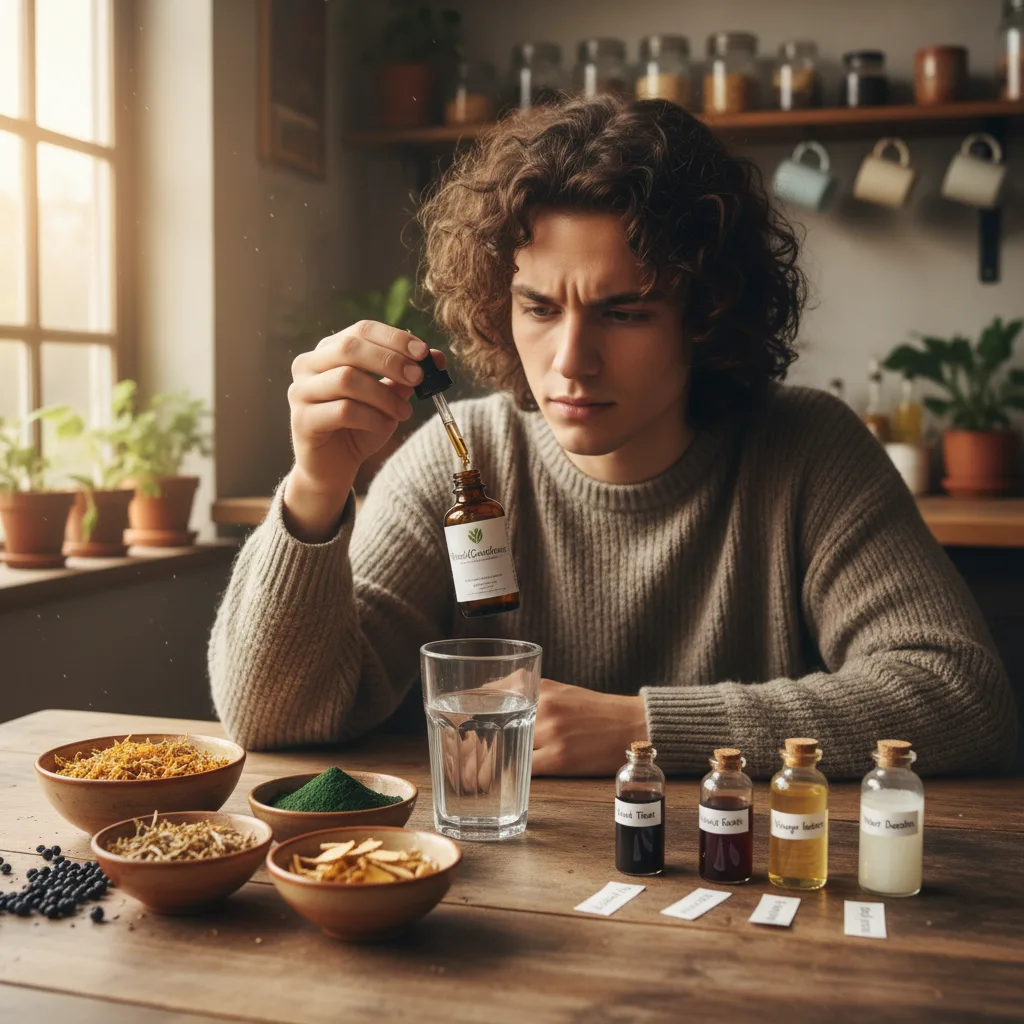
Practical Tip: Check for premium, cold-pressed oils for best quality. Oil separation is natural—shake the bottle before use.
Fermentation: The Old-World Alchemy
Fermentation, while less common, is making a modern return. It harnesses beneficial microorganisms to break down plant material, creating bio-active infusions beneficial for both flavor and gut support.
Taste & Aroma
- Fermented botanical drops may have a mild tang, complex aroma, or subtle effervescence. The flavor is naturally complex and can feel richer on the palate.
Timing & Routine Fit
- These are ideal for adventurous taste seekers, often integrated into more layered rituals—such as adding to spritzers or sipping as part of a mindful moment. Fans of adaptogenic blends may applaud the ritual flexibility of the Mushroom Blend Organic 15X Extract | Adaptogen for Brain & Immunity, which can be used for both creative and restorative daily blends.
Shelf Life & Label Language
- Fermented extracts have a stable shelf life, usually similar to vinegar-based options. Labels mention “fermented extract” or “botanical fermentation.”
Practical Tip: Always refrigerate unless the label specifically states shelf-stable. Fermentation may lead to slight cloudiness—this is normal.
Reading the Label: Tips for Choosing Your Extract
Navigating dropper bottles can be overwhelming. Here’s how label language points you toward the taste, timing, and ritual that fit:
- Look for clear extraction type indicators: Find phrases such as “alcohol extract,” “glycerin-based,” “oil infusion,” or “vinegar extraction.”
- Assess the main ingredients: The first few ingredients reveal the solvent and whether the product aligns with your preferences for alcohol, sweetness, or tanginess.
- Check percent or ratio: Some quality brands specify botanical-to-solvent ratios, guiding dosing strength. If you see a marked strength like 15X or similar, products such as Organic Papaya Leaf Extract 1oz | 15X Liquid – Trial & Travel Size indicate potent concentrations ideal for attentive supplementation.
- Sourcing and quality notes: Labels may mention “organic,” “wildcrafted,” or “premium grade.” For best quality, these cues reflect commitment to standards.
- Flavor and mixing notes: Some products highlight ideal combinations (e.g., “add to tea,” “best in smoothies”), making it easier to shop according to your daily habits. The Brain & Focus Plus | Organic 15X Liquid Extract for Memory & Cognitive Wellness Support is crafted specifically for cognitive clarity and adds well into various wellness drinks.
Crafting Your Ritual: Mixing and Matching with Your Lifestyle
How you choose to use your liquid botanicals is a highly personal ritual. But extraction type can guide how you prepare, mix, and incorporate these drops:
Straight Drops or Blended Beverages?
- Alcohol-based: Often strong-tasting—try dropping directly under the tongue for quick absorption, or add to a small amount of water or herbal tea to mellow the edge. Cognitive blends such as the Memory & Cognition 15X Liquid Extract | Natural Brain & Focus Support can be used in either method depending on personal preference.
- Glycerin-based: Mild and sweet—perfect to add to juices, shakes, or directly on the tongue for a gentle experience. When flavor is paramount, a formulation like Kids Plant-Based Supplements 1oz | Organic – Focus, Calm, Sleep & Tummy offers an approachable option for all ages.
- Vinegar-based: Add to salad dressings, sparkling water, or a wellness shot at lunch.
- Oil infusions: Stir into smoothies, oatmeal, or drizzle over grain bowls for a lush boost. Black seed oil infusions work harmoniously with creamy foods or nourishing breakfasts.
Deciding by Timing
- Morning Focus: Alcohol and glycerin-based extracts are both popular in a morning routine—one for its punchy presence, the other for its subtle sweetness. Products like the Brain & Focus Plus | Organic 15X Liquid Extract for Memory & Cognitive Wellness Support can play a central role.
- Midday Ritual: Vinegar-based or fermented drops add tang and complexity, comforting as an afternoon palate refresher. Adaptogenic mushroom blends can also support midday balance.
- Evening Calm: Oil infusions, with their rich mouthfeel, may suit those winding down and seeking a gentle savor.

Finding Your Match: Taste, Texture, and Feel
Ask yourself:
- Do I prefer sharp, sweet, tart, or creamy flavors?
- Will I take my drops alone, or mix them into something?
- Do I want a product with longer shelf life for less frequent use?
Practical Considerations for Buying Liquid Brain & Focus Botanicals
When shopping for the best quality liquid brain and focus botanicals, consider these key takeaways:
- Shop according to your taste and texture preferences. If you dislike the bite of alcohol, a glycerin or oil infusion may fit better. Options like the Kids Plant-Based Supplements 1oz | Organic – Focus, Calm, Sleep & Tummy offer a gentle, family-friendly solution.
- Order from sources that clearly disclose extraction method and sourcing. Labels should specify the method (“alcohol-based,” “infused with MCT oil”) and highlight any organic or premium sourcing. For those who want a strong, focused blend, Memory & Cognition 15X Liquid Extract | Natural Brain & Focus Support provides clarity in labeling and intent.
- Assess shelf life. If you’ll use drops occasionally, look for longer-lasting alcohol or vinegar-based extracts. For daily rituals, a fresh glycerite may be ideal.
- Look for trustworthy brands like Herbal Goodness that provide transparent labeling, ingredient traceability, and offer different extraction types tailored for every routine.
- For maximum versatility and value, the Organic Papaya Leaf Extract 16oz | 15X Liquid – Best Value Size makes it simple to keep a high-strength extract on hand for the whole household.
Conclusion: Personalizing Your Liquid Botanical Ritual
Choosing the right extraction type for your brain and focus botanicals is about much more than potency—it shapes every element of the experience: taste on the tongue, timing in your day, and ease of integrating into your favorite rituals. By understanding what each method offers, how to read label language, and matching your palate to your purchase, you can craft a ritual that feels as enjoyable as it is natural.
FAQs:
- What is the best extraction method for liquid brain and focus botanicals?
There is no single best method—it depends on your priorities. Alcohol extractions provide longer shelf life and robust flavor, while glycerin or oil infusions offer milder taste and are alcohol-free. Read the label to match the method to your daily routine and flavor preferences.
- How do I know if an extract is alcohol-free?
Look for terms like 'glycerin extract,' 'glycerite,' or 'oil infusion' on the label. These indicate the product is alcohol-free. Always double-check ingredient lists for added certainty before you buy.
- Can I mix my liquid botanicals into drinks or food?
Absolutely. Alcohol-based drops blend well with water, tea, or juice, while glycerin and oil-based extracts are well-suited for smoothies or even drizzling over cereals. Vinegar infusions shine in salad dressings or sparkling beverages.
- Does extraction method affect how long my extract lasts after opening?
Yes—alcohol-based tinctures typically offer the longest shelf life, up to several years. Glycerin, vinegar, and oil infusions usually last one to two years depending on storage conditions. Always check the expiry date and store as directed.
- What should I look for when shopping for premium quality brain and focus botanicals?
Seek clear labeling of extraction method, transparent ingredient lists, information on sourcing (such as organic or wildcrafted claims), and a brand reputation for quality. These details help ensure you shop with confidence.
- Why does my herbal extract look cloudy or separate?
Cloudiness or separation is normal in some natural extracts, especially in oil-based or fermented preparations. Simply shake the bottle before use to redistribute contents.
- Where can I buy liquid brain and focus botanical extracts with different extraction types?
You can shop for a range of premium brain and focus botanical drops from trusted brands like Herbal Goodness, which offer extracts crafted by various methods to fit diverse taste and ritual needs.
Author Name:
Herbal Goodness Editorial Team
Author Bio:
The Herbal Goodness Editorial Team specializes in holistic health and superfoods, blending science and nature to educate and empower our community.
References:
Introducing Graviola to Young Taste Buds: Fun, Family-Friendly Flavor Exploration
Graviola in the Classroom and at Home: Creative Activities to Teach Kids About Tropical Plants