





Wholesale Packaging and Handling for Black Seed Oil: A Beginner’s Guide

Starting out in the world of black seed oil retail or formulation is exciting, but navigating wholesale packaging and handling can feel daunting to newcomers. Choosing how to receive, store, and inspect bulk black seed oil impacts not only product sustainability but also customer satisfaction. Understanding key packaging types, quality basics, and supplier questions builds confidence for small retailers and makers. This guide demystifies essential considerations so you can launch with clarity, protect oil quality, and develop safe, organized systems from day one.
Understanding Bulk Packaging Options for Black Seed Oil
Choosing the right packaging for black seed oil shipped in bulk is foundational to maintaining its natural qualities and usability. Several container types are commonly used in wholesale transactions, and each meets different needs for size, transfer, and preservation.
Drums: Versatile Bulk Packaging
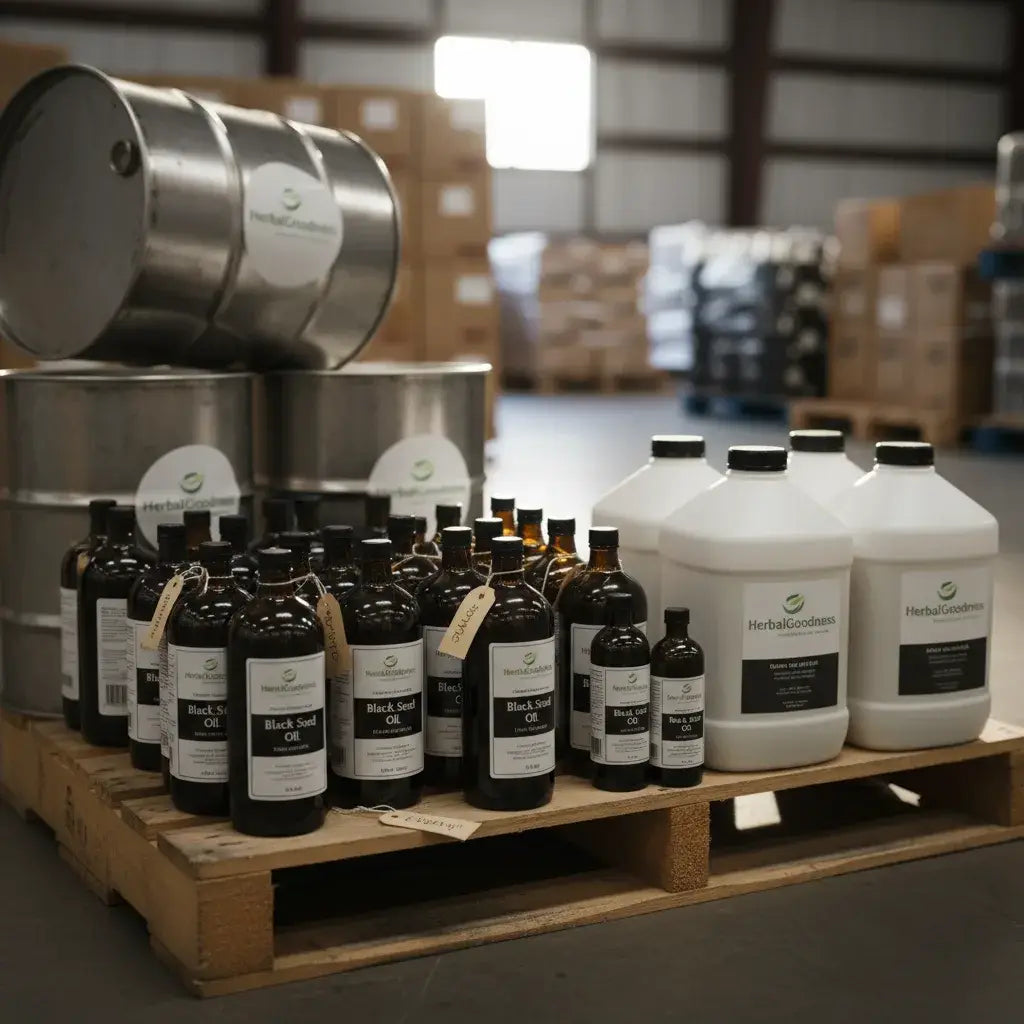
Drums—typically made from food-grade stainless steel or high-density polyethylene (HDPE)—are one of the most common formats for transporting black seed oil. Standard drum sizes are 55-gallon (208-liter) and 30-gallon (114-liter), suitable for both medium and large orders. Their tight seals protect the oil from excess air exposure, reducing the chance of oxidation and extending the usable lifespan. Drums are moved with drums dollies or forklifts in warehouse settings, so access to basic equipment is helpful for handling.
IBCs and Totes: For Very Large Quantities
Intermediate Bulk Containers (IBCs), sometimes called totes, are used for very large-scale wholesale buyers—think producers or high-volume co-packers. These containerized cubes can range from 275 to 330 gallons. Featuring robust plastic bladders inside a metal cage, IBCs optimize shipping efficiency, but require forklifts or pump systems for safe extraction and decanting.
Kegs: Smaller Bulk Needs
For formulators or independent retailers who need bulk quantities without large-scale logistics, kegs (usually in the 5- to 15-gallon range) offer portability and ease of handling. Their compact size makes them manageable by hand. Kegs also generally come with tight-sealing lids and spouts, making sampling and pouring more convenient.
Retail-Ready Bottles: Pre-Packaged Simplicity
Sometimes, black seed oil is supplied in retail-ready glass or PET bottles directly from the manufacturer or bulk supplier. While this option can be more expensive, it dramatically simplifies the repackaging process for smaller retailers. Retail-ready formats can also help with consistent labeling and lot tracking right from arrival.
How Packaging Formats Affect Oil Freshness and Shelf Life
The material and design of your chosen packaging make a significant impact on the characteristics of black seed oil once it leaves the supplier.
- Material Matters: Food-grade stainless steel and opaque HDPE plastics are favored because they minimize light and oxygen exposure that oil-sensitive compounds dislike.
- Sealing Mechanisms: Airtight lids, tamper-evident caps, and proper sealing are crucial to keeping black seed oil at its freshest. Bulk containers should never be left open for prolonged periods.
- Portioning: Sometimes it’s wise to decant bulk oil into smaller, sealed containers upon arrival. This practice reduces the number of times the main container is opened and closed, minimizing the oil’s contact with air.
Tips for Preserving Freshness:
- Store bulk oil in a cool, dry area away from direct sunlight.
- Keep original packaging intact as long as possible.
- When transferring oil, use clean, dry tools—avoid water or air getting into the containers.
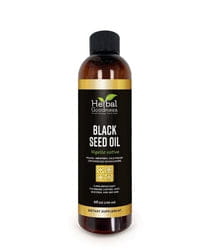
If you’re selling retail bottles, maintaining oil quality and tracking freshness is key: Black Seed Oil 8oz - Cold-Pressed Liquid - Immunity & Wellness comes in packaging designed to protect its contents and support optimal shelf life.
Storage and Sampling: Practical Strategies for Small Retailers and Makers
Sound storage practices from the start support a longer shelf life and consistent oil quality until bottling or sale. Here’s how to handle your black seed oil stock wisely:
Storage Best Practices
- Location: Find a storage space with stable temperature (ideally below room temperature) and low humidity.
- Light Exposure: Use closed cabinets, opaque drums, or amber glass to guard oil against light.
- Label Everything: As soon as you decant or re-bottle oil, label the date of opening, lot number, and supplier information on every vessel.
For businesses that also carry natural wellness goods, effective bulk handling is vital. The Sea Moss - Raw Dried from St Lucia - 8oz Bag - Nature's MultiVitamins offers inspiration on managing product freshness and integrity in storage.
Successful Sampling
Sampling is important for both quality assurance and product development.
- Use a clean, food-grade pipette, ladle, or pump for every sample.
- Do not return sampled oil to the main container.
- Keep a log of sampling activities—date, amount, person, and purpose.

Reliable sampling methods and proper tracking also support businesses expanding into functional products such as the Soursop Leaf Graviola Extract - - Organic 15X Liquid Extract - Cell Renew & Immunity.
Quick Guide to Quality Checks (Non-Technical)
You don’t need a laboratory to do a basic quality check of black seed oil when it arrives and as you use it. Here are some simple ways to evaluate your bulk oil:
- Visual Inspection: Look for cloudiness, unusual sediments, or splitting (oil separating into distinct layers).
- Aroma Check: Fresh black seed oil has a characteristic earthy, nutty, and slightly spicy scent. Any off or rancid smell is a sign to discuss with your supplier.
- Taste Test: If you’re familiar with black seed oil’s robust flavor, a small sample can alert you to changes that might indicate freshness issues.
- Color: The oil is typically golden to dark amber. Extreme color change may warrant closer observation.
Keep a written record of each check, and note any concerns promptly. For peace of mind, try the Black Seed Oil 8oz - Cold-Pressed Liquid - Immunity & Wellness, which is rigorously quality-checked for consistency.
Quality assessment is equally important for products featuring herbal infusions, as you’ll see in the management of the Soursop Leaf Tea Graviola Leaves - Organic 24/2g Tea Bags - Immunity & Cell Renew.
Basics of Labeling and Lot Tracking
Legible, accurate labeling and lot tracking are much more than regulatory considerations—they also protect your brand reputation and ensure a smooth workflow if you ever need to reference a shipment. Here’s how to keep it simple and effective:
Labeling Basics
- Include the arrival date, supplier name, lot number, and intended repack or use date.
- Use permanent marker or durable labels—avoid anything that can easily rub off over time.
Simple Lot Tracking
- Assign a batch or lot number to each new drum, keg, or tote on arrival.
- Record every transfer, sampling, or repack action associated with that lot.
- Keep a lot tracking logbook (digital or paper) that’s easy for your team to update and review.
Clear tracking routines benefit not only bulk oils but all botanicals, such as Sea Moss - Raw Dried from St Lucia - 8oz Bag - Nature's MultiVitamins, which also come with traceability and labeling in mind.
Building these basic tracking habits now makes growth and quality management more seamless as your business scales. Similarly, if you’re diversifying with premium extracts, keep your processes streamlined as seen with the Soursop Leaf Graviola Extract - - Organic 15X Liquid Extract - Cell Renew & Immunity.
Questions to Ask Your Black Seed Oil Supplier
Selecting a wholesale black seed oil source with confidence means asking key questions about handling, packaging, and quality assurance before you order. Here are some starting points:
- Which packaging formats can you offer, and which do you recommend for my order size?
- What is the shelf life from your facility, and what storage do you recommend?
- Can you share recent third-party quality testing or certificates of analysis?
- How are your containers cleaned and sanitized before filling?
- What is your lot numbering or batch system?
- Are your bulk containers resealable for sampling and repackaging?
- Do you offer guidance or supplies for safe handling and decanting?
Being proactive with these questions helps build mutual trust and keeps supply-chain communications smooth. For suppliers or retailers focused on holistic wellness, incorporating products like the Black Seed Oil 8oz - Cold-Pressed Liquid - Immunity & Wellness can add credibility and confidence to your product selection.
Building Your Black Seed Oil Operation on a Strong Foundation
Wholesale packaging and handling for black seed oil doesn’t have to be complex or overwhelming. With thoughtful packaging choices, proper storage, straightforward checks, and supplier dialogue, you set up your retail or maker business for consistency and quality. Early attention to detail builds habits that support future growth and safeguard your reputation in the natural products marketplace.
FAQs:
- What are the most common bulk packaging formats for black seed oil?
Black seed oil is often packaged in drums, IBC totes, kegs, and sometimes retail-ready bottles. Each format suits different order sizes, storage needs, and handling capabilities.
- How does packaging choice influence black seed oil freshness?
Airtight, opaque, and food-grade materials help maintain oil freshness by limiting light and air exposure. Proper sealing and storing bulk containers in cool, dark places are essential.
- Can I repackage black seed oil into smaller bottles myself?
Yes, many retailers and makers decant bulk oil into smaller bottles. Use sanitized tools, label everything clearly, and work in a clean, low-light environment to protect quality.
- What basic quality checks should I perform on arrival?
Visual checks (clear color, no unusual sediments), aroma evaluation, light taste sampling, and verifying packaging integrity help assess basic oil quality.
- Why is lot tracking important for small retailers or formulators?
Lot tracking links each bottle or batch to its source, enabling quick reference for quality assurance and simplified responses if supplier updates occur.
- What questions should I ask my bulk black seed oil supplier?
Ask about packaging options, storage recommendations, quality certifications, cleaning procedures, lot numbering, and handling guidance for bulk oil. Clear answers build confidence.
Author Name:
Herbal Goodness Editorial Team
Author Bio:
The Herbal Goodness Editorial Team specializes in holistic health and superfoods, blending science and nature to educate and empower our community.
References:
Oregano Oil vs. Black Seed Oil: Sensory & Sourcing Guide
A World Map of Adaptogenic Herbs: Origins & Traditions
Why Social Impact Matters in Plant-Based Wellness
Introducing Graviola to Young Taste Buds: Fun, Family-Friendly Flavor Exploration