





Wholesale Herbal Supplements Buying Calendar: Best Times to Order Teas, Powders, Tinctures & Oils

Understanding seasonal cycles and processing windows is crucial for anyone sourcing wholesale herbal supplements. Knowing when to buy herbal teas, powders, tinctures, and oils sets you up for better pricing, reliable supply, and fresh, potent products. Whether you’re a small retailer, herbal maker, or bulk buyer, a well-planned calendar streamlines purchasing and helps avoid common pitfalls like stockouts, overbuying, or wasted inventory. This guide breaks down the when and why behind the herbal supplement calendar, so your business can thrive year-round.
Why Seasonality Matters for Wholesale Herbal Supplements
Herbs are agricultural products, meaning their availability hinges on growing and harvesting cycles. Processing—whether for teas, powders, tinctures, or oils—adds further timing considerations. Many favorite botanicals become available only once or twice a year in their freshest, most vibrant form. For the wholesale buyer, understanding this flow ensures optimal quality and cost control.
- Harvest windows influence both price and availability—buying at peak season can mean fresher products and better value.
- Lead times reflect the steps needed between field, processing, and delivery, especially for specialized formats like tinctures or oils.
- Storage and rotation are essential for keeping bulk orders fresh from season to season, minimizing waste and ensuring customer satisfaction.
Core Harvest and Processing Windows: What to Expect
Herbal supply cycles differ based on plant type, climate, and processing methods. Here are generalized timelines for popular herbal supplements, grouped by format to highlight when each type is typically at its best for wholesale purchasing.
Herbal Teas: Leaves and Flowers
Many classic teas—chamomile, peppermint, hibiscus, and lemongrass—are harvested during peak bloom for maximum aroma and active components.
- Spring/Early Summer: Most leafy and floral herbs (peppermint, chamomile, lemon balm) are harvested from late spring through early summer.
- Late Summer/Autumn: Hibiscus, elderflower, and similar botanicals may reach harvest peak later in the season.
- Harvest-to-Market Lag: Expect a 2–6 week turnaround time post-harvest before new stock is processed, dried, and available wholesale.
If your business focuses on bulk herbal teas, keeping a close eye on harvest calendars will help you stock up on potent varieties at the best time. Options like the Organic Hibiscus Tea 24 Bags | Heart Health & Antioxidant Wellness, for example, will be freshest just after the late summer harvest.
Powders: Roots, Seeds, and Dried Botanicals
Herbal powders can be produced from many plant parts, but roots and seeds such as ginger, turmeric, and milk thistle dominate this category.
- Late Autumn/Winter: Root crops (ginger, turmeric, echinacea) are typically harvested after the plant's energy has returned underground, often late fall or early winter.
- Spring: Seeds used in supplements (like milk thistle or fenugreek) are generally harvested after the plants finish setting seed, sometimes extending into late spring.
- Post-Harvest Processing: Drying and powdering add to lead times; expect 4–8 weeks from harvest to powder availability.
Wholesale buyers looking for supplement powders should check with an established herbal supplement powders supplier to time bulk purchases and maximize shelf life. Proper scheduling ensures you capture the most vibrant nutritional content, which is especially important for formats like Raw Sea Moss 8oz Bag | St. Lucia Wildcrafted – Nature's Multivitamin.
Tinctures: Alcohol or Glycerin Extracts
Tincture production combines harvested herbs with extraction solvents. Quality tinctures ideally use botanicals processed immediately post-harvest, but require a maceration period afterward.
- Sourcing Raw Materials: Buy fresh or recently dried stock at or just after harvest windows (as described above).
- Manufacturing Lead Time: Most tinctures require a minimum 2–6 week maceration before bottling. Factor this wait into orders for best quality and timely restock.
For high-volume tincture needs, coordinating orders of botanicals like Soursop or Papaya just after the harvest can ensure you produce products such as Soursop Leaf Graviola Extract 15X Liquid | Organic Cell & Immunity at peak freshness.
Oils: Infused and Essential Oils
Oils can be extracted from flowers (like calendula or lavender), leaves (peppermint), or seeds (black cumin). Seasonality mirrors the raw materials:
- Spring: Floral and leafy infusions tend to be produced after spring and early summer harvests.
- Autumn: Oilseeds, like black cumin or evening primrose, are harvested late summer or autumn.
- Processing Considerations: Essential oil distillation commonly follows harvest by days or weeks, but infused oils need longer; plan for up to a month processing after the initial plant harvest.
If you rely on popular ingredients for herbal oils, paying attention to oilseed harvests increases the likelihood of fully stocked Black Seed Oil 8oz | Cold-Pressed Nigella Sativa – Immune & Daily Wellness throughout the year.
A Practical Seasonal Buying Calendar for Wholesalers
Here’s a sample calendar illustrating optimal months for sourcing core supplement formats. Adjust as needed for your climate, suppliers, or specific herbs:
- January–March:
- Review previous year’s stock and rotate out aging products
- Place advance orders for spring harvest teas (chamomile, lemon balm) and plan for tincture lead times
- Check remaining root powders and plan for late-winter harvests
- April–June:
- Peak sourcing for spring herbs; teas and fresh botanicals available
- Schedule incoming shipments of floral and leafy infusions
- Initiate tincture production or reorder ready-made formats
- July–September:
- Floral teas and oils available; late-summer herbs (hibiscus, elderflower) entering market
- Seed-based oils and powders approaching harvest—consider preordering
- Evaluate storage capacity in advance of incoming bulk shipments
- October–December:
- Root-based powders reach peak availability after autumn harvest
- Complete bulk purchases to lock in pricing before year-end
- Rotate out older lots and organize for new stock arrivals
This planning not only improves freshness but can stabilize costs and smooth out vendor relationships, particularly during high-demand or limited-harvest periods.
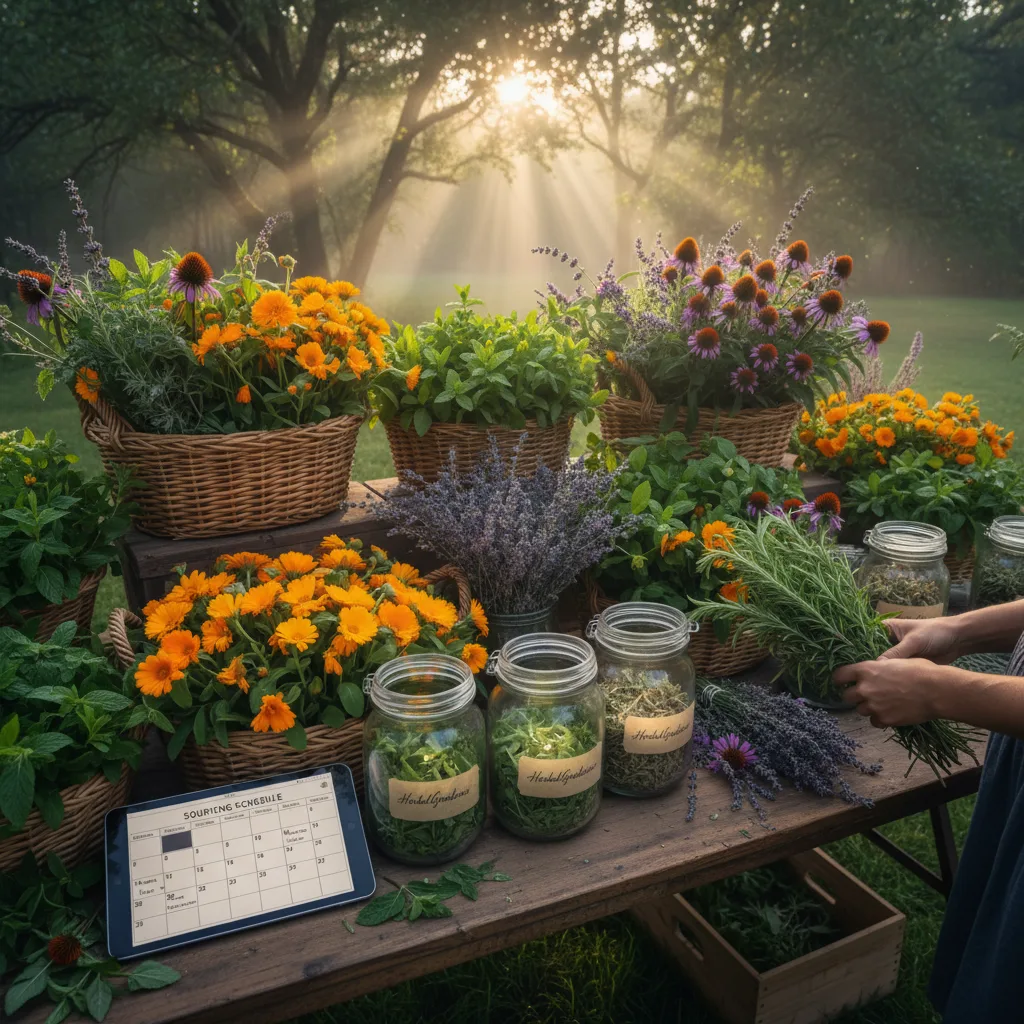
Timing your wholesale purchases to these windows is key for businesses seeking to always offer vibrant botanicals. For instance, many choose the Bulk Herbs & Roots Online for Tea, Tinctures & DIY Wellness - Organic 4oz Bags to build flexible inventory for both teas and tinctures.
How Seasonality Affects Price and Supply
Prices often dip at harvest time due to higher supply, then may climb as inventories dwindle. Likewise, some herbs are only briefly available in high-quality form; those who buy immediately post-harvest may secure better pricing, choice of grades, and freshness advantages.
- Buy in Season: Sourcing teas, powders, and oils as soon as they’re processed ensures the most vibrant, potent product—plus the best deal, before supply tightens.
- Anticipate Lead Times: Especially for tinctures and labor-intensive extracts, plan ahead for the lag between plant harvest, product manufacturing, and wholesale distribution.
- Preorder for Scarce Herbs: Where supply is famously brief or demand is spiking—for example, a trendy botanical—advance orders or allocations may be the only way to secure stock at reasonable prices.
Join our Wholesale Buyers List for Priority Herbal Supply Access. Unlock bulk pricing, seasonal availability updates, and early access to high-demand herbal supplements before stock runs low.

Storage and Rotation: Keeping Wholesale Herbs Fresh
After purchasing large orders of herbal supplements, maintaining freshness becomes the next challenge. Proper storage and rotation minimize waste and preserve quality.
Tips for Storing Teas, Powders, Tinctures, and Oils
- Keep It Cool and Dry: Temperature and moisture are the chief threats to herbal freshness. Store in airtight containers away from direct light or heat.
- Label and Date Everything: Clear labeling with purchase and batch dates simplifies rotation, helping use older stock first (FIFO: first-in, first-out).
- Separate by Form: Dedicate spaces for teas, powders, liquids, and oils to prevent cross-contamination and streamline tracking inventory.
- Monitor Bulk Supplies Regularly: Inspect periodically for changes in aroma, texture, or color—signs that it may be time to rotate out aging product.
- Adjust for Format:
- Teas and dried herbs are generally most sensitive to air and humidity exposure.
- Powders can cake if mishandled or kept in moisture-prone environments.
- Tinctures and oils last longer thanks to their solvent base, but should still be stored in opaque, well-sealed bottles.
Implementing dedicated storage for sensitive formats is easier with bulk-friendly options such as Bulk Loose Leaf Teas & Tisanes - Organic 4oz - Herbal Wellness Teas. This approach lets wholesalers rotate and manage lots more systematically, preserving quality from season to season.
Simple Inventory Rotation Strategies for Supplement Buyers
A structured approach to inventory rotation will keep your herbal offerings at their peak and reduce costly waste.
- Implement FIFO Methods: Always move the oldest product to the front when new stock arrives so it gets used or sold first.
- Quarterly Audits: Schedule regular checks to match inventory levels with sales rates, adjusting orders as needed.
- Set Shelf Life Alerts: Note recommended shelf lives for each product type and proactively plan for close-out or promotional sales if necessary.
Maintaining a robust rotation system supports the longevity of premium wellness lines, from Raw Sea Moss 8oz Bag | St. Lucia Wildcrafted – Nature's Multivitamin to high-grade teas. Wholesale buyers benefit from creating alerts and using bulk-specific formats to prevent expired stock and ensure customer satisfaction.
Lead Times: Planning Bulk Herbal Supplement Orders
Lead time is the span between placing an order and receiving final product. For herbal supplements, this encompasses harvesting, processing (drying, extraction), logistics, and packaging. Understanding this timeline is central to seamless bulk buying.
- Teas: Usually available within weeks of harvest but factor in time for processing and overseas shipping if applicable.
- Powders: May require longer lead times for cleaning, drying, grinding, and testing, especially with roots and seeds.
- Tinctures and Oils: Often involve multi-week maceration or infusion; production may not begin until harvest, so order well in advance.

Building strong relationships with suppliers—many of whom publish anticipated harvest and production calendars—can provide critical insights for large orders. Soursop Leaf Graviola Extract 15X Liquid | Organic Cell & Immunity and similar botanicals are prime candidates for timed production, maximizing both yield and quality.
Applying a Buying Calendar to Real-World Bulk Sourcing
Integrating a seasonal buying calendar into your sourcing process can boost efficiency, lower costs, and ensure the quality your customers expect. Here are key takeaways:
- Know Your Key Herbs’ Seasons: Track when botanicals are harvested and processed, and mark ideal buying months on your procurement calendar.
- Adapt Orders Based on Format: Factor in processing and lead time differences between teas, powders, tinctures, and oils.
- Align Inventory with Projected Demand: Use past sales and upcoming seasonal trends to anticipate reordering needs and storage requirements.
- Prioritize Storage and Freshness Practices: Protect your investment by following best practices for storing and rotating bulk inventory.
With this roadmap, small retailers, makers, and wholesale buyers can navigate herbal supplement seasonality with confidence, ensuring a consistent, high-quality supply and reducing unnecessary waste.
Ready to source smarter? Join our Retailer & Wholesaler Interest List to access seasonal supply planning support and bulk ordering opportunities.
FAQs:
- When is the best time to buy wholesale herbal teas for maximum freshness?
Wholesale herbal teas are at their freshest when purchased just after peak harvest, typically in late spring to early summer for leafy and floral herbs. Reviewing supplier calendars can help target the optimal buying window.
- How does seasonality affect the pricing of bulk herbal supplements?
Seasonality impacts price due to supply and demand fluctuations. Purchasing at harvest time generally means better prices and fresher inventory, while waiting until later can result in higher costs.
- What lead times should I expect when ordering wholesale tinctures?
Lead times for tinctures include both plant harvest and the required maceration period, usually totaling 2–6 weeks. Planning bulk orders ahead is key to ensuring timely product availability.
- Are oils and tinctures less sensitive to storage conditions compared to teas and powders?
Oils and tinctures often have longer shelf lives due to their liquid or solvent base, but still require cool, dark storage in sealed containers for best quality. Teas and powders are more sensitive to moisture and air exposure.
- What are effective ways to rotate bulk herbal inventory to prevent waste?
Use FIFO (first-in, first-out) inventory methods, label all stock by date, perform quarterly audits, and monitor shelf life closely. This helps minimize waste and ensures customers receive the freshest product.
- How far in advance should I place bulk orders for seasonal herbal supplements?
It’s wise to plan and place bulk orders several weeks before the anticipated harvest season, especially for high-demand or limited-availability products, to secure the best selection and pricing.
- Does Herbal Goodness offer guidance or support for wholesale buying calendars?
Herbal Goodness shares expert sourcing tips and seasonality information to help wholesale buyers plan orders, coordinate shipping, and maintain high standards for inventory freshness and quality.
Author Name:
Herbal Goodness Editorial Team
Author Bio:
The Herbal Goodness Editorial Team specializes in holistic health and superfoods, blending science and nature to educate and empower our community.
References:
Introducing Graviola to Young Taste Buds: Fun, Family-Friendly Flavor Exploration