




Where to Buy Black Cumin Seed Oil: Shopping Tips & Store Guide

Where to Buy Black Cumin Seed Oil: Shopping Tips & Store Guide
If you’ve heard about black cumin seed oil (Nigella sativa) and are curious about where to find it, you’re not alone. This deeply aromatic oil—long valued in culinary traditions and wellness routines around the globe—has found its way from ancient apothecaries to modern kitchen shelves. Whether you’re interested in its distinct flavor or simply curious about its traditional use, tracking down a fresh, high-quality bottle can seem daunting. This guide offers a practical map for navigating various stores, online marketplaces, and farmer’s stalls, along with clear tips on choosing wisely, recognizing quality, and keeping your oil fresh after purchase.
Exploring Your Options: Where Black Cumin Seed Oil Is Sold
Black cumin seed oil enjoys growing popularity, which is good news for shoppers—there are quite a few ways to get your hands on it. Each buying channel offers a unique experience, selection, and convenience factor.
Health Food Stores & Natural Markets
Specialty health food stores often dedicate sections to oils, superfoods, and natural products. Here’s why they’re a strong option:
- Curated Selection: These stores typically stock culinary and supplement-grade black cumin seed oil, sometimes carrying local brands or imported bottles.
- Knowledgeable Staff: If you have questions about oil type, ingredient sourcing, or storage, the staff can often help or suggest alternatives.
- Freshness Control: Turnover at popular locations helps keep inventory current.
Look for natural markets or co-ops in your city—many prioritize organic and cold-pressed options to meet health-conscious demand. At many specialty shops, you may find Black Seed Oil 8oz - Cold-Pressed Liquid - Immunity & Wellness, which is sought after for both culinary inspiration and wellness support.
Local Grocery Stores
Many major grocery chains are expanding their international and natural sections to include black cumin seed oil. Expect a modest selection, usually within the international foods aisle or in the health supplement section. Mainstream brands often focus on culinary uses, but you might discover supplement-style bottles as well. Your neighborhood store may also carry nutrient-dense extras for your pantry, such as Sea Moss - Raw Dried from St Lucia - 8oz Bag - Nature's MultiVitamins for an extra mineral boost.
Online Marketplaces
The easiest way to compare a variety of Nigella sativa oils is online. Digital retailers and e-commerce sites offer broader selection and helpful buyer reviews. Common platforms include:
- Large E-commerce Sites: Well-known sites list dozens of brands. Use filters for origin, extraction method, and packaging.
- Specialty Wellness Websites: Some focus on natural or organic goods, providing detailed sourcing and ingredient backgrounds.
- Direct-from-Brand Shops: Buying straight from the producer (when available) often allows for greater transparency and freshness details.
Buying online pairs convenience with the ability to scrutinize labels, see user ratings, and often apply price comparisons. For example, ordering Black Seed Oil 8oz - Cold-Pressed Liquid - Immunity & Wellness direct from a producer ensures you’re getting a recently pressed, pure oil.
Spice Shops, Middle Eastern, and African Markets
In cities with cultural diversity, small spice shops or ethnic markets are a treasure trove for old-world ingredients. Black cumin seed oil—sometimes sold as black seed oil or “huile de nigelle”—can often be found in:
- Middle Eastern markets
- Indian grocery stores
- African markets specializing in regional botanicals
Local shopkeepers add value by sharing culinary tips, origin stories, or pointers for traditional use. These venues might also introduce you to superfoods that complement your wellness routine, such as Papaya Leaf Extract - - Organic 16oz 15X Liquid Extract, popular for immune support.
Farmers’ Markets and Local Producers
Some farmers’ markets highlight herbal extracts and small-batch oils, including black cumin seed oil. Here’s what makes these sources unique:
- Freshness: Oils are often cold-pressed in small runs, resulting in fresh batches.
- Direct Sourcing: Producers are available to discuss their process and answer questions on site.
- Supporting Local: Your purchase may support small-scale agriculture or family-run operations.
Even if black cumin seed oil isn’t listed by a vendor, it’s worth inquiring—they may make custom batches or point you to a regional producer. These local markets sometimes reveal unexpected finds, such as Soursop Leaf Graviola Extract - - Organic 15X Liquid Extract - Cell Renew & Immunity, which pairs well with wellness-focused lifestyles.

Understanding Oil Types: Culinary vs. Supplement Formats
Not all black cumin seed oils are alike. Differences in processing, intended use, and even label claims can affect your selection criteria.
Culinary Black Cumin Seed Oil
- Flavor Profile: Rich, peppery, and earthy, making it popular in dips, salad dressings, or drizzled atop grains.
- Packaging: Usually sold in glass bottles, sometimes labeled as “edible” or “food grade.”
- Ingredients List: Should contain only pure Nigella sativa seed oil with no additives, flavorings, or carriers.
Black Seed Oil 8oz - Cold-Pressed Liquid - Immunity & Wellness offers a food-grade, cold-pressed option ideal for both culinary use and dietary supplementation.
Supplement Black Cumin Seed Oil
- Packaging Format: Often found in softgel capsules or tincture bottles. These formats may be standardized for serving size.
- Concentration: Some are more concentrated or specify a standardized thymoquinone content (a naturally occurring compound in the oil).
- Label Language: Words like “cold-pressed,” “virgin,” “therapeutic grade,” or “unrefined” may appear on supplement bottles.
Choosing Which Format Is Right for You
Consider your intended use:
- For culinary creativity, choose food-grade oil with simple, clear labeling.
- For measured, routine addition to a wellness regimen, supplement-formulated oils or capsules may suit you better. Outside of black cumin, you can find targeted formulations like Blood Platelet Plus - 60/600mg 20X Strength Capsule - Platelet Boost for specialized wellness needs.
Reading Labels and Recognizing Quality Signals
Finding black cumin seed oil is only half the battle—selecting a good one requires learning the language of the label.
What to Look for on the Label
- Botanical Name: Look for “Nigella sativa” to ensure authenticity.
- Extraction Method: “Cold-pressed” indicates gentler processing that helps preserve natural compounds and flavor.
- Origin or Source: Some bottles feature the country or region where seeds were grown; traditional Nigella sativa regions include Egypt, Turkey, and India.
- Organic or Non-GMO Certifications: If you value organic farming practices, seek relevant certifications.
- Ingredients List: Pure black cumin oil should not contain fillers, extra flavors, or unnecessary additives.
Packaging Signals
Glass bottles (especially dark or amber-colored) help shield oil from light and preserve freshness. Avoid oils in clear plastic containers, which can shorten shelf life and may leach chemicals into the oil over time. Reputable brands, such as Black Seed Oil 8oz - Cold-Pressed Liquid - Immunity & Wellness, use quality packaging that protects your investment.

Other Green Flags of Quality
- Recent Press Date: Some brands print a pressing or bottling date—freshness matters with natural oils.
- Lot or Batch Number: Indicates quality control and traceability.
- Pleasant, Robust Aroma: Strong, peppery, or slightly herbal notes signal freshness when opened.
Comparing Oils: In-Store vs. Online Shopping Experiences
Advantages of Shopping In-Store
- Sensory Feedback: See, smell, and sometimes sample the oil before buying.
- Instant Access: Take the product home the same day.
- Ask Questions: Engage knowledgeable staff or the producer directly.
Benefits of Buying Online
- Wider Selection: Access global brands, artisan producers, or specialty formulations.
- Reviews and Feedback: Read buyer reviews for real-life insights into taste, freshness, and packaging.
- Deal-Finding: Easier to compare prices and spot discounts or bundle offers.
In addition to black cumin oil, buying online gives you quick access to other high-quality products, including Papaya Leaf Extract - - Organic 16oz 15X Liquid Extract and Sea Moss - Raw Dried from St Lucia - 8oz Bag - Nature's MultiVitamins, both favorites for wellness enthusiasts.
Simple Storage and Freshness Tips for Your Black Cumin Seed Oil
Proper storage helps preserve both the taste and longevity of your black cumin seed oil. Here’s how to keep your oil in top condition:
- Cool, Dark Place: Store bottles away from heat and sunlight—think pantry or kitchen cupboard, not by the stove or window.
- Seal Tightly After Each Use: Exposure to air accelerates oxidation and may shorten shelf life.
- Watch the Date: Use the oil by its “best by” date when possible, but note that fresher is generally better for aromatic and flavor quality.
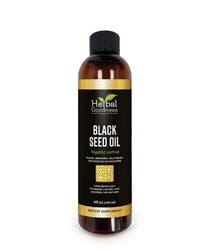
Once opened, most black cumin seed oils are best used within a few months for optimal freshness. If the flavor or aroma changes significantly (becomes musty, overly bitter, or off), consider replacing the oil. For those looking to keep their household well-stocked, maintaining freshness with Black Seed Oil 8oz - Cold-Pressed Liquid - Immunity & Wellness is simple—just follow airtight storage!
Extra Tip: Don’t Refrigerate Unless Specified
These oils usually do well at cool room temperature. While some people refrigerate opened bottles, only do so if the label suggests it. Refrigeration can cause some oils to develop cloudiness—this is natural and not harmful, and returns to normal at room temperature.
Final Reminders for First-Time Buyers
- Compare Before Committing: Give yourself permission to check out different stores, both online and local. Quality and price can vary widely.
- Trust Your Senses and Research: Aroma and taste matter, but don’t discount clear, honest labeling and recent pressing dates.
- Start Small: If you’re new to black cumin seed oil, consider buying a small bottle first to test freshness and flavor before stocking up.
Learning where to buy black cumin seed oil doesn’t have to be overwhelming. With this practical guide, you’ll be well-equipped to explore your options, read labels with confidence, and enjoy the deep heritage and distinctive character that Nigella sativa oil brings to the table.
FAQs:
- Is there a difference between black seed oil and black cumin seed oil?
Yes, the terms are often used interchangeably, but the most accurate source is Nigella sativa seeds. Always check the label for the botanical name to ensure authenticity.
- Should I buy black cumin seed oil online or in a physical store?
Each option has its perks. In-store shopping lets you see the product, possibly sample it, and take it home immediately. Online shopping offers more selection and access to global brands and buyer reviews.
- How can I tell if a black cumin oil is high quality?
Look for oils that are cold-pressed, packaged in dark glass, clearly labeled with the botanical name, and provide a pressing or 'best by' date. Organic certifications and a robust aroma are also good signals.
- How should I store black cumin seed oil after buying?
Keep the bottle tightly sealed in a cool, dark place, such as a pantry. Use within a few months of opening for peak freshness and flavor.
- What should I look for on the label when buying?
Check for ‘Nigella sativa’ as the ingredient, details about extraction method (ideally cold-pressed), and certifications for organic or non-GMO status. Simplicity and transparency in labeling are key.
- Are there different uses for culinary vs. supplement black cumin seed oil?
Culinary oils add flavor to foods and are sold as edible-grade, while supplement oils may be found in capsules or tinctures intended for measured daily intake. Choose based on your intended use and check the packaging for guidance.
Author Name:
Herbal Goodness Editorial Team
Author Bio:
The Herbal Goodness Editorial Team specializes in holistic health and superfoods, blending science and nature to educate and empower our community.
References:
Oregano Oil vs. Black Seed Oil: Sensory & Sourcing Guide
Introducing Graviola to Young Taste Buds: Fun, Family-Friendly Flavor Exploration
Graviola in the Classroom and at Home: Creative Activities to Teach Kids About Tropical Plants