




What's in a Stonebreaker Blend? Beginner’s Guide to Multi-Herb Labels and Botanicals

Curious about what's actually in a "stonebreaker" blend? If you’ve seen chanca piedra (known as stonebreaker) at your local wellness shop or online, you might notice it’s often paired with other plants in ready-made blends. Understanding those labels can help you shop confidently, compare ingredients, and explore the world of premium, multi-herb products. This beginner’s guide demystifies common companion botanicals, highlights practical things to look out for on herbal supplement labels, and offers straightforward tips to help you make informed, non-medical decisions about the best quality stonebreaker blend for your needs.
Why Is Stonebreaker (Chanca Piedra) Commonly Found in Multi-Herb Blends?
Chanca piedra, sometimes labeled by its Spanish name "stonebreaker," has a long tradition of use in various holistic practices. Many brands—including Herbal Goodness—offer this valued herb both solo and combined with companion botanicals. But why do so many stonebreaker products come as blends?
Key reasons for blending chanca piedra:
- Synergy: Certain botanicals are traditionally combined to support complementary plant actions or flavors (without implying medical effects).
- Flavor balancing: Stonebreaker on its own can be quite earthy or bitter in tea or tincture formats, so blending with milder herbs can boost taste.
- Market demand: Consumers often look for convenient, all-in-one formulas featuring well-known herbs together.
- Herbal traditions: Many cultures blend botanicals based on traditional pairings, making some combinations more familiar or desirable to shoppers.
Whether you intend to shop for organic stonebreaker capsules, sample an herbal tea blend, or compare tinctures for sale, noticing a blend on the label is normal—and can offer a broader sensory and botanical experience. For example, if you’re looking for additional herbal support, you may also be interested in Soursop Graviola Leaf Extract Capsules 10X, which many health-conscious consumers pair with their botanical routines.
What Are Typical Companion Herbs in Stonebreaker Blends?
While formulas differ by brand, a handful of companion botanicals appear regularly alongside chanca piedra. Understanding these names can help you identify high-quality blends that align with your preferences.
Common Multi-Herb Ingredients Included With Stonebreaker
- Hydrangea root: Often valued for its gentle earthy notes, this root is paired with chanca piedra in many formulas.
- Celery seed: Sometimes included for its crisp, aromatic properties.
- Horsetail (Equisetum arvense): Distinctive for its grassy profile, horsetail is a staple in several multi-herb blends featuring stonebreaker.
- Dandelion leaf: Valued for its history in traditional herbal blends, dandelion adds mild bitterness and green flavor.
- Corn silk: Subtly sweet, corn silk complements earthier botanicals and is a regular addition to some stonebreaker blend teas.
- Juniper berry: Occasionally included, juniper berry imparts piney, slightly astringent notes.
Label tip: Multi-herb combinations will usually list ingredients in order of predominance, meaning the first herb listed (often stonebreaker) makes up the largest proportion. If you’re searching for blends that also support immune health, Soursop Leaf Graviola Extract 15X Liquid can be a smart companion to your stonebreaker regimen.
Reading Multi-Herb Supplement Labels: Key Elements Explained
Shopping for stonebreaker blends can be confusing, especially when ingredient lists are long or unfamiliar. Here’s how to break down the most important elements:
1. Ingredient List Order
- The first ingredient generally makes up the largest weight or volume.
- Herbal blends may use full botanical names (e.g., "Phyllanthus niruri" for stonebreaker) or familiar names; either is common.
2. Format and Type
-
Capsules: Usually list dried powdered herbs, sometimes as an herbal extract, with possible fillers such as cellulose. Buying capsules is popular for convenience and neutral flavor.
-
Tinctures/Liquid Extracts: Ingredient labels will list the plant parts, the solvent (often alcohol and/or water), and sometimes ratios. Shop these for fast-absorbing formats or when exploring options like Stone Breaker Chanca Piedra 15X Liquid for variety in your wellness routine.
-
Tea bags or loose tea: Ingredients reflect the actual dried plant parts and may note the cut size, organic status, or country of origin.
3. Other Key Features
- Organic or wildcrafted: Indicates ingredient sourcing standards and quality—something many seeking the best quality stonebreaker blend look for.
- Certified vegan, non-GMO, gluten-free: Watch for these icons if they match your values or dietary needs.
- Country of origin: Some blends specify where key herbs are grown or harvested. This can influence your choice if you prefer certain regions.
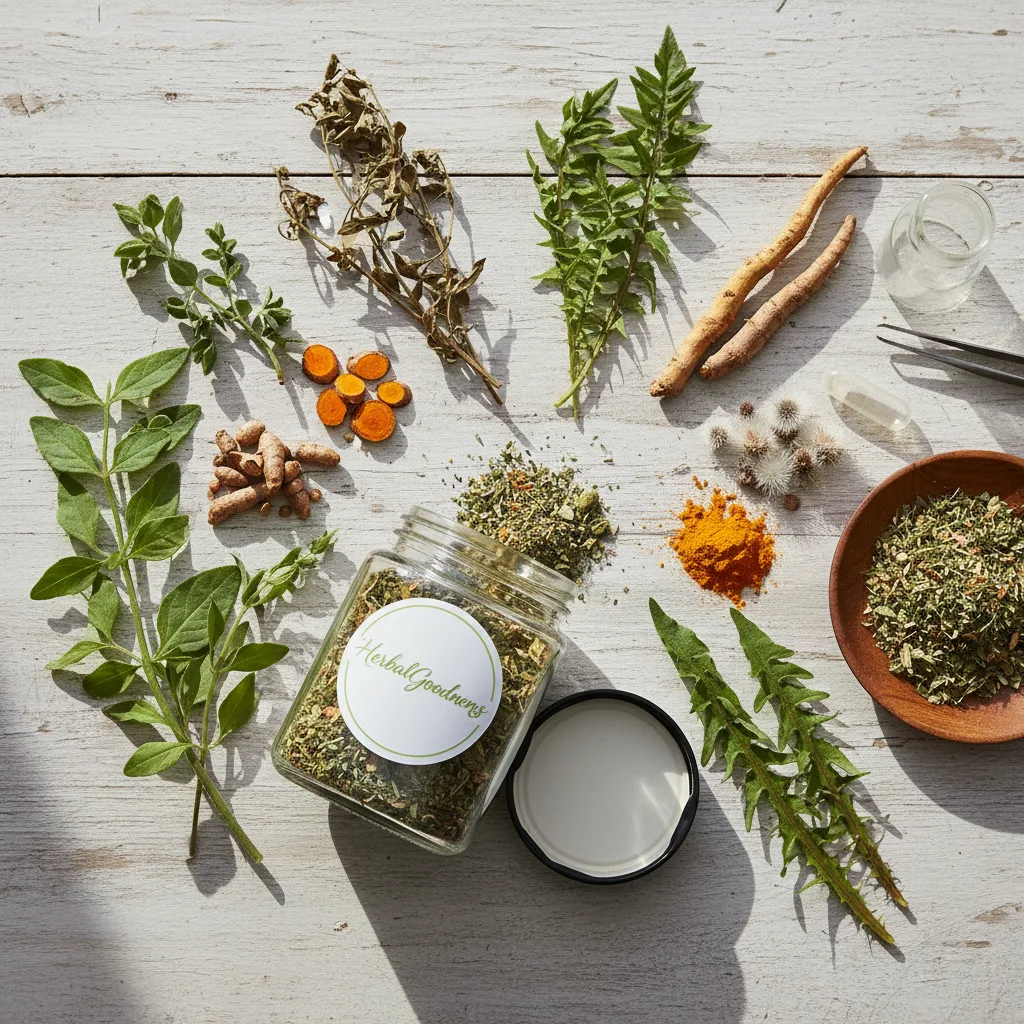
How to Compare Stonebreaker Blend Formats (Capsules, Tea, Tincture)
Blends come in a variety of forms—each with unique advantages. Here’s how they differ for the curious shopper:
Capsules
- Pros: Easy to measure dose, portable, tasteless.
- Cons: May include excipients/fillers; some may prefer liquid or whole-plant formats.
- Purchase Tips: If seeking organic or premium blends, scan the supplement facts for third-party certifications. You might compare Stone Breaker Chanca Piedra Capsules 10X with other capsule-based options for clean labeling and traditional pairings.
Liquid Extract / Tincture
- Pros: Can be blended into liquids for customizable servings, often more concentrated.
- Cons: Alcohol taste (unless alcohol-free); typically higher price per ounce.
- Ingredient Tip: Read the label for extract ratios and the solvent used. Stone Breaker Chanca Piedra 15X Liquid makes an excellent showcase of this botanical in liquid form, usually combined with other companions.

Tea (Loose or Bags)
- Pros: Offers the opportunity to savor the herbal aroma and flavor, often with visible plant pieces.
- Cons: Taste can be strong or earthy for some palates. If you're open to expanding your herbal tea selection, try Bamboo Leaf Tea 24 Bags for a different flavor and companion support.
- Shopping for Tea: Look for blends described as "mild," "refreshing," or "earthy"—these terms hint at flavor profile.
Decoding Ingredient Lists: What Do Common Label Terms Mean?
Multi-herb blends often use terms that aren’t always self-explanatory. Here’s a guide to frequently seen words and what they actually mean for buyers:
-
Standardized extract: The blend contains a specific, tested concentration of an active plant compound (not a medical guarantee but a quality marker). Some products, including Soursop Leaf Graviola Extract 15X Liquid, highlight their concentration for label clarity.
-
Proprietary blend: The exact ratio of herbs is not disclosed, though all ingredients should be listed.
-
Natural flavors: Botanical extracts or essential oils used to boost taste, not artificial chemicals.

Being able to read and interpret these terms helps ensure you order the blend that matches your priorities, whether that’s purity, concentrate strength, or simply finding the best price for a blend with mostly organic herbs.
Flavor Profiles of Stonebreaker and Its Common Companions
Taste matters—especially for teas and tinctures. Here’s how familiar botanicals in stonebreaker blends generally contribute to flavor:
- Chanca piedra itself: Earthy, slightly bitter, with a somewhat grassy undertone.
- Hydrangea root: Mellow, with faint woodsy notes.
- Dandelion leaf: Light bitterness and herbaceous character. Herbalists sometimes pair their teas with Dandelion Root Organic Liquid Extract for extra herbal depth.
- Corn silk: Sweet and mild, tempers harsher flavors.
- Juniper berry: Distinct piney tang, sometimes astringent.
- Celery seed: Crisp, adds a light, aromatic touch.
Flavor balancing tip: Buying a blend described as "well-rounded" or "pleasantly herbal" can help those sensitive to bitterness enjoy the experience more. Adding a broader selection of Wellness Tea Blends can allow for greater experimentation with herbal flavors.
Practical Tips for Comparing Stonebreaker Blends as a New Shopper
Here’s a checklist to keep handy when shopping for stonebreaker-based blends online or in-store:
- Scan the full ingredient list first—make sure you recognize and feel comfortable with all companion herbs.
- Check the format (capsules, tincture, tea) and confirm which best fits your preferences and routine. our Bulk Herbs collection can be especially helpful if you like creating your own blends.
- Look for organic or premium quality sourcing—organic blends may cost more, but many shoppers feel this indicates extra care.
- Compare serving size and servings per container for the best price-to-value ratio.
- Taste preferences count—read reviews or product descriptions for flavor notes if you’re considering teas or tinctures.
Remember: Brands like Herbal Goodness craft blends with care but always select based on your own reading and comfort with the ingredient list. Exploring their Organic Herbal Tea Gift Set is a great way to try several herbal infusions with a variety of common botanicals.
Final Thoughts: Making Informed, Non-Medical Choices
There’s no single "best" stonebreaker blend for everyone. Understanding what’s on a label, what companion botanicals bring to the table, and how different formats and flavors may fit your lifestyle is the first step toward confident, empowered shopping. By learning to interpret multi-herb supplement labels and comparing quality markers—from organic certification to format and flavor—you’re better prepared to choose a blend that’s right for your goals and taste preferences.
FAQs:
- What is a stonebreaker blend, and why are there multiple herbs in it?
A stonebreaker blend combines chanca piedra with companion botanicals to create a balanced flavor and leverage traditional herbal pairings. Blends may offer taste or convenience benefits and are common for those shopping for organic or premium stonebreaker products.
- How do I read a multi-herb supplement label when buying stonebreaker blends?
Read ingredients in the listed order, check for organic or certification icons, and note if the blend specifies plant parts or extract ratios. Labels help you compare quality, ingredient sourcing, and serving formats for your needs.
- What are the most common herbs found in stonebreaker multi-herb formulas?
Companion botanicals like hydrangea root, dandelion leaf, corn silk, horsetail, celery seed, and juniper berry are frequently paired with chanca piedra in multi-herb blends for their traditional roles and flavor-balancing qualities.
- What is the difference between stonebreaker capsules, tinctures, and teas?
Capsules offer convenience and neutrality; tinctures deliver concentrated extracts; teas showcase the natural flavors of the botanicals. Choose the format that matches your lifestyle and taste preferences.
- How do I compare the best quality stonebreaker blends for sale?
Compare ingredient lists, sourcing (look for organic), serving sizes, and product format. Reading user reviews and noticing quality certifications can help you choose a premium blend that fits your goals.
- Where can I shop for authentic stonebreaker blends?
Look for reputable brands such as Herbal Goodness and check for clear labeling, certifications, and ingredient transparency to support your informed buying decisions.
Author Name:
Herbal Goodness Editorial Team
Author Bio:
The Herbal Goodness Editorial Team specializes in holistic health and superfoods, blending science and nature to educate and empower our community.
References:
Introducing Graviola to Young Taste Buds: Fun, Family-Friendly Flavor Exploration
Graviola in the Classroom and at Home: Creative Activities to Teach Kids About Tropical Plants