




What’s Really in Kids’ Immune Support Drops? A Parent’s Guide to Ingredients & Labels

Making sense of what’s really in kids’ immune support drops can feel like deciphering another language. As a parent, you want options that align with your values, suit your child’s needs, and come with minimal surprises. But between herbal names, unfamiliar carriers, sneaky sweeteners, and dosing info in tiny print, how can you compare products confidently? This plain-English guide unpacks what matters for ingredient lists, format choices, potential allergens, and buying tips—empowering you to be a well-informed caregiver, not just a shopper.
Understanding Ingredient Labels on Children's Immune Support Drops
Navigating a supplement’s ingredient label takes a bit of detective work. Many parents find themselves confronted by hard-to-pronounce plant names, vitamin codes, or chemical-sounding additives. Here are the labels you’ll see most often—and what those words actually mean.
Herbal Ingredients: Familiar Names & Their Traditional Use
Some children’s immune drops list herbal ingredients common in wellness traditions. These may include:
- Elderberry (Sambucus nigra): Traditionally used to support wellbeing, elderberry is known for its deep purple pigment and tart taste. It’s often one of the main plant ingredients in kid-friendly drops.
- Echinacea: Sourced from brightly colored coneflowers, this herb has been long appreciated in various cultures.
- Astragalus: A root commonly used in holistic wellness traditions for generations.
- Olive leaf, ginger, turmeric: These botanicals each have their own traditional uses but are less common in children’s blends and are sometimes included for broader support.
When reading the label, look for the Latin name in parentheses (like Sambucus nigra for elderberry). This signals botanical specificity, helping you recognize plant sources and assess whether they match your expectations or any family sensitivities.
If you're seeking formulas with unique botanicals, consider ingredients found in Soursop Leaf Graviola Extract - - Organic 15X Liquid Extract - Cell Renew & Immunity, which highlight the power of traditional herbs for immune support. These types of products can sometimes offer a novel alternative to more commonly seen Western herbal drops.
Vitamins and Nutrients in Immune Drops
Beyond herbs, many immune support drops for children contain added vitamins or minerals, such as:
- Vitamin C: Often listed as ascorbic acid, sodium ascorbate, or naturally sourced from acerola or camu camu berries.
- Vitamin D: Sometimes labeled as cholecalciferol (D3) or ergocalciferol (D2).
- Zinc: Might appear as zinc gluconate or zinc citrate; often present in small, child-appropriate amounts.
Knowing these forms helps you spot the origin of each vitamin (plant vs. synthetic) and evaluate synergy (how herbs and micronutrients work together within the formula).
Carriers and Liquids in Children’s Supplements: What’s the Base?
Nearly all liquid immune drops contain a carrier—an inert liquid used as a solvent for herbs and vitamins. Parents may be surprised to find several different options:
Vegetable Glycerin
A sweet, syrupy liquid derived primarily from plant oils like coconut or palm. Vegetable glycerin is often preferred for children because it has a mild, sweet flavor, doesn’t ferment or spoil as quickly as some other liquids, and is generally hypoallergenic.
Benefits for Parents to Note:
- Alcohol-free, which many families prioritize for young children
- Naturally sweet, often reducing the need for extra sugar
- Clear and stable for shelf storage
Glycerin-based blends are a staple among gentle, family-friendly herbal options such as Kids Plant-Based Supplements - 1oz - Organic 15X Liquid Extract - Focus, Calm, Sleep, Tummy. These formulas deliver ease of use and taste acceptance while catering to sensitive tummies.
Purified Water
Frequently mixed with glycerin or used as the primary base in very mild formulas. It provides a neutral solvent but can make for a more diluted product, so dosing may require a larger volume.
Alcohol-Based Extracts
Some herbal tinctures—especially for adults—are prepared with ethanol (typically derived from cane sugar or grain). However, alcohol is rarely used for children’s immune drops due to flavor, safety, and dietary preferences. If present, it should be clearly declared and the percentage included on the label.
Honey
In some natural formulas, honey serves as both a carrier and sweetener. While naturally appealing, honey-based drops should not be used for children under one year of age due to safety concerns (risk of botulinum spores). Labels should always mention the presence of honey and suggested age range.
Sweeteners, Flavorings, and What to Watch For
Flavor plays an important role in whether children will willingly take supplements. Here’s what to look out for:

Natural and Artificial Sweeteners
- Natural Sweeteners: Stevia leaf extract, monk fruit, honey, and agave are sometimes used. These aim to balance bitter herbal flavors without adding cane sugar.
- Sugar and Syrups: Some brands add organic cane sugar, brown rice syrup, or fruit juice concentrate for a more familiar taste. While minimal, added sugars are still a point to consider for daily use.
- Artificial Sweeteners: Ingredients like sucralose or aspartame are less common in children’s immune drops, but always read labels to avoid any you do not want in your child’s supplement.
Blends delivering both taste appeal and beneficial botanicals, like Papaya Leaf Extract 16oz – Organic 15X Liquid Papaya Leaf Herbal Supplement, often choose natural sweetening strategies to meet both parent and child expectations.
Flavorings and Colors
Look for “natural flavor” or “fruit flavor” in the fine print—this often means concentrated fruit essences. Coloring agents should be listed, with natural options like black carrot juice or turmeric preferred by those wanting to avoid artificial dyes.
Allergen Alert: Even natural flavors may sometimes be processed with other ingredients. If your child has food sensitivities (e.g., to citrus, gluten, nuts), check for allergen statements near the ingredient list or in a separate bolded section on the label.
Preservation and Shelf Stability: What Parents Should Know
Liquid supplements need to stay fresh without spoiling, especially when shipped or stored at room temperature. Preservation ingredients help but are sometimes unfamiliar. Here’s what you’ll see:
- Citric Acid: A common plant-based acid used to brighten flavor and keep products shelf-stable.
- Potassium Sorbate/Sodium Benzoate: Food-grade preservatives, typically present in small amounts, used to maintain freshness. These are generally recognized as safe but may be avoided by parents who want minimal processing.
- Refrigeration Guidance: Some liquids specify "refrigerate after opening", others are shelf-stable. Always check for use-by dates and storage instructions.
If you prefer blends with minimal processing and clear safety guidance, family-focused options such as Kids Plant-Based Supplements - 1oz - Organic 15X Liquid Extract - Focus, Calm, Sleep, Tummy list storage tips directly on the packaging and minimize unnecessary additives.
Comparing Formats: Liquid Extracts, Sprays, and Gummies
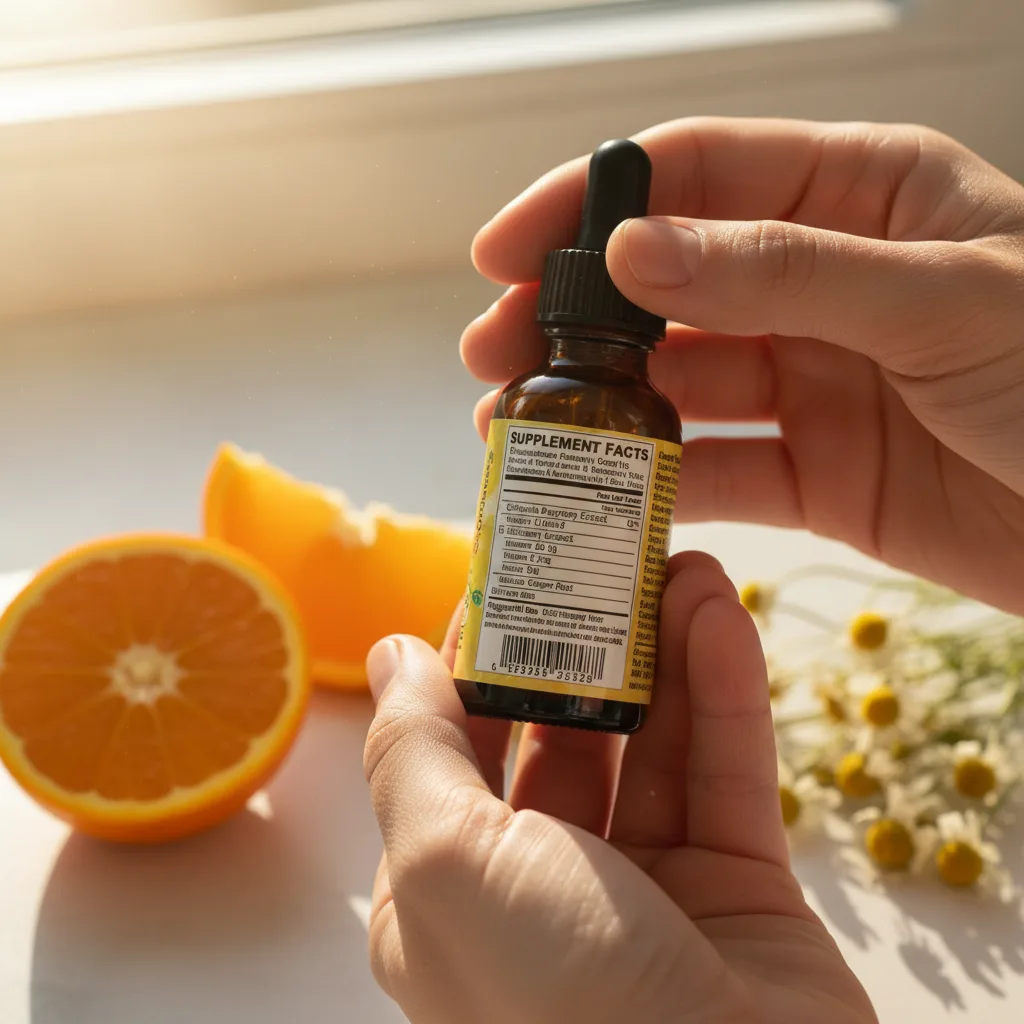
The format you choose can be as important as what’s inside:
Liquid Drops
Deliver concentrated amounts—dispensed via dropper or measuring spoon into the mouth, a small cup, or mixed with juice. Many parents like liquid drops for flexible dosing, faster absorption, and ease of mixing into drinks or smoothies.
Some high-strength herbal drops, including Soursop Leaf Graviola Extract - - Organic 15X Liquid Extract - Cell Renew & Immunity, showcase the popularity of liquid format for customizable dosing and rapid action.
Mouth Sprays
Offer quick delivery and are easy for traveling, though the flavor may be stronger and droplet sizes less controlled than a dropper.
Gummies
Kids love these for taste and texture. However, gummies often contain more sugar and stabilizers. Ingredients are generally similar but may include different sweeteners, gelling agents (gelatin or pectin), and flavors.
Dosing Tools, Practical Tips, and Label Guidance
Dosing Measurements
Most immune support drops will include either an oral dropper or a precise measuring cup. Drops are measured in milliliters (mL), droppers (typically 1 mL), or occasionally number of drops (with conversion guidance on the label).
- Tip: Always follow age-appropriate guidelines, starting with the smallest recommended dose for your child unless directed differently by a healthcare professional.
Papaya Leaf Extract - 1oz - Organic - 15X Liquid - Platelet is an example of an immune-focused, easily dosed, liquid extract that includes a clear dropper for accuracy.
Age Ranges and Safety Statements
Carefully read any directions about suitability by age. Some drops are only for ages two and up, while others specifically mention infants or toddlers. Labels should clearly outline any age restrictions, guidance for splitting doses, and conditions for discontinuing use.
Shelf Life and Storage
- Check the expiration date and note whether the product needs refrigeration after opening.
- Tighten bottle caps firmly to maintain cleanliness and drying out.

Low-maintenance options with excellent shelf life can simplify busy routines. Products such as the Kids Plant-Based Supplements have become favorites among parents seeking blends that combine clarity of use with quality plant extracts.
When to Check with a Pediatrician
While kids’ immune support drops use gentle herbals and vitamins, it’s always wise to consult your pediatrician, especially if your child:
- Is on prescribed supplements or has unique dietary needs
- Has known sensitivities or a history of allergies
- Is under age 2 (or the label provides no dosing for toddlers/infants)
- Is starting a new wellness regimen alongside other daily nutrients or multivitamins
Your doctor can help confirm ingredients are appropriate and discuss any potential for interactions with your child’s routine.
Making Well-Informed Choices as a Parent
As you browse children’s immune support drops, look for transparency in labeling, clear dosing directions, minimal added sugars, and a format your child will accept. Cultivating label-reading skills empowers you to compare brands, prioritize your child’s wellbeing, and seek support from trusted sources whenever you’re unsure.
FAQs:
- Why do kids’ immune drops have glycerin instead of alcohol?
Glycerin is a plant-derived, mildly sweet carrier liquid. It’s preferred over alcohol for children’s products because it’s gentle, palatable, doesn’t cause a strong taste, and is generally safe for young children.
- What does 'natural flavor' mean on a supplement label?
'Natural flavor' refers to flavoring components derived from natural sources like fruits, herbs, or spices. It’s used to promote taste but doesn’t specify which ingredient was used, so check for allergen statements if your child has sensitivities.
- Are sweeteners in immune drops a concern?
Many drops use natural sweeteners like stevia or honey to promote flavor. Some may contain added sugars or syrups. If you prefer a formula with less sweetness, compare ingredient lists and serving sizes carefully.
- Should I refrigerate my child’s immune support drops?
Always read the product label. Some drops need refrigeration after opening, while others are shelf-stable. Storing as directed ensures freshness and safety.
- Can I mix immune support drops into drinks or food?
Most liquid drops are designed to mix easily into water, juice, or smoothies. Check the label for specific mixing instructions and recommended serving suggestions.
- How do I measure an accurate dose for my child?
Use the dosing tool provided—usually a dropper or measuring cup. Follow age-specific guidelines on the label and consult your pediatrician if you’re unsure about the right amount.
- Are there allergens I should be aware of in immune drops?
Always review the label for allergen statements regarding soy, nuts, dairy, gluten, or specific fruit sources. Contact the manufacturer if uncertain about ingredients for your child’s sensitivities.
Author Name:
Herbal Goodness Editorial Team
Author Bio:
The Herbal Goodness Editorial Team specializes in holistic health and superfoods, blending science and nature to educate and empower our community.
Related blogs:
Can Oregano Oil Detox Your Body? The Term, The Science, And Safe Use Explained
Papaya Leaf Tea for Men: Evidence-Aware Basics, Traditions, and Safe Use
How to Choose Papaya Leaf Brands: Shopper’s Checklist for Every Lifestyle
Can chanca piedra damage your kidneys? An evidence-aware safety guide
Does Dandelion Root Actually Work? A Plain-English Guide to the Evidence
What Not to Mix Rhodiola With? A Practical Guide for Curious Beginners
How to Interpret Organ-Targeted Claims About Guava Leaves: Understanding the Facts
Is Olive Leaf Safe for Kidneys? A Comprehensive Consumer Primer
Papaya Leaf Tea Benefits for Men: A Research-Inspired, Practical Guide
Chanca Piedra Phytochemistry Explained: Beginner’s Guide to Plant Compounds