



What Organic Really Means for Dandelion Root Extract: Certifications & Wise Shopping

When browsing shelves or scrolling online for herbal supplements, you may have noticed dandelion root extracts boasting organic status. The term “organic” often inspires trust, but what does it precisely mean, especially for a root-based botanical like dandelion? With various certifications, label language, and brand claims, understanding organic standards and what they guarantee is essential. This guide dives into how organic applies to dandelion root extract—clarifying certifications, labels, and practical steps you can use to make savvy, confident decisions.
Understanding the Term “Organic” for Dandelion Root Extract
Organic farming and processing abide by specific methods that avoid certain synthetic inputs and emphasize environmental stewardship. But how are these values reflected once a dandelion plant becomes an extract in your supplement bottle? For dandelion root, the organic designation should assure you it was cultivated and processed according to recognized protocols. However, since not all “organic” claims are created equal, knowing how to navigate certifications and marketing terms is key.
Key Organic Certifications: What Do They Cover for Dandelion Root Extract?
Exploring the Main Certification Bodies
Several internationally recognized agencies oversee organic standards. Each strives to ensure authenticity and integrity, but subtle differences matter, especially if you’re shopping for imported supplements. Let’s examine the most common labels you’ll encounter:
USDA Organic (United States)
- Sets requirements for crops, wild-harvested botanicals, and processed products.
- Prohibits most synthetic pesticides, herbicides, fertilizers, and genetically modified organisms (GMOs).
- Requires soil health practices and biodiversity considerations.
- Ensures rigorous record-keeping and annual third-party inspections.
- For dandelion root extract, the final product and all its agricultural ingredients—even the alcohol or glycerin in a tincture—must comply for the “USDA Organic” label to appear.
In the same category, it's worth noting that liquid herbal products like the Dandelion Root Liquid Extract - Organic 1oz - Detox & Liver are developed to strict standards, reassuring customers about authenticity and purity.
EU Organic (European Union)
- Applies compatibility to EU countries and export-certified products.
- Overseen by regulatory authorities to enforce farming, processing, and transport standards.
- Prohibits synthetic agrochemicals and GMOs.
- Environmental and animal welfare practices are emphasized.
- When shopping for dandelion root extract from the EU, look for the EU organic leaf logo.
JAS Organic (Japan Agriculture Standard)
- Japan’s national standard recognized by many global trade partners.
- Strict rules about agrochemical and synthetic inputs.
- JAS-certified dandelion products carry a distinct mark, signaling product traceability and compliance with Japanese organic requirements.
Other Regional Labels
- Countries like Canada, Australia, and Korea have their own organic standards, often mutually recognized with those above—but it’s smart to know which regional label applies where you shop.
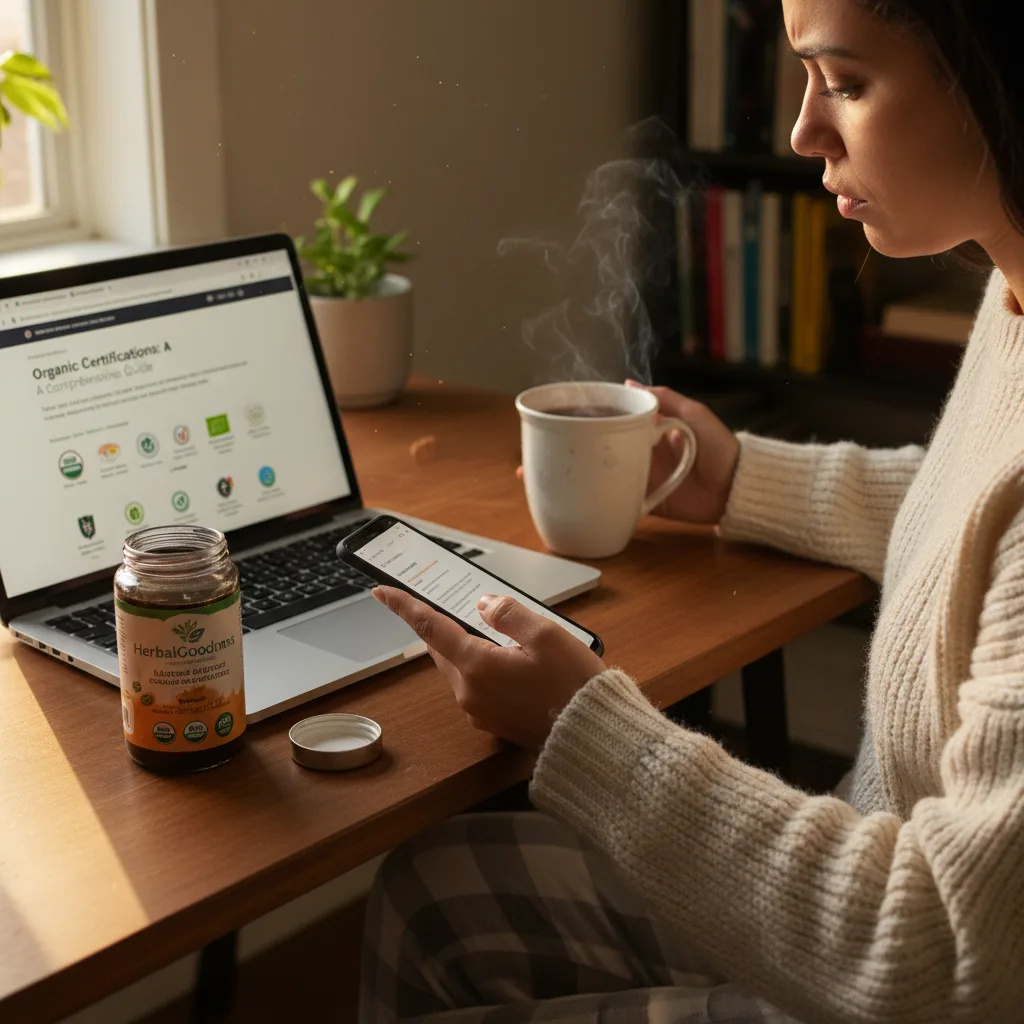
What “Organic” Labels Actually Signal About Dandelion Root Extract
From Field to Bottle: Key Steps Covered by Certification
A certified organic dandelion root extract isn’t just grown differently; every step from seed germination to packaging follows detailed rules. Here’s what’s typically required:
- Seed Selection: Seeds must come from non-GMO, untreated, and organic sources where available.
- Cultivation: Herb farmers refrain from prohibited pesticides, herbicides, and use crop rotations or other practices to support ecosystem health.
- Harvesting and Handling: Roots are dug, washed, and dried in facilities that prevent contamination from non-organic materials.
- Processing: Organic standards apply to extraction processes— including solvents (alcohol or glycerin), water quality, and cleanliness of facilities.
- Packaging and Storage: Segregation of organic versus conventional batches is mandatory to preserve traceability.
If you're curious about traceability standards in other botanicals, check products such as Papaya Leaf Extract 16oz – Organic 15X Liquid Papaya Leaf Herbal Supplement, which also uphold these rigorous protocols for organic designation.
Are There Exceptions or Limitations?
- Wildcrafted Dandelion Root: If roots are harvested wild, the land must be free of prohibited substances for a defined period (often three years) and must not impact sustainability of the plant population.
- Multi-Ingredient Extracts: Every botanical and additive (even flavorings and carriers) must also be certified organic for the finished product to display a full organic seal—otherwise, you might see phrases like “made with organic dandelion root.”
Reading and Decoding Organic Labels on Dandelion Root Extract Products
Consumers often feel confused by label jargon. Here’s how to decode:
- 100% Organic: Every agricultural ingredient is certified organic.
- Organic: At least 95% of the finished contents are certified organic, but a small portion can use approved non-organic ingredients.
- Made with Organic [Ingredient]: At least 70% of the contents come from certified organic sources, and the rest follow strict ingredient guidelines.
If your focus is on maximizing purity, reviewing label details—such as those found on products like Organic Papaya Seed Powder 4oz | Gut Cleanse & Digestive Support—can help clarify exactly which organic standards are followed. Detailed ingredient lists and certifications can provide added peace of mind.
What About Ingredient Lists?
- Look for detailed listings (how much dandelion, what part—root vs. leaf, type of solvent or carrier).
- Confirm whether solvents like alcohol, glycerin, or water are also sourced organic.
- Check for clear labeling of the certifying agency and/or logo.
Questions to Ask When Buying Dandelion Root Extract
Empowered shoppers don’t just rely on a seal. Consider asking these key questions before purchasing any dandelion extract—especially from new or unfamiliar brands:
- Who is the certifying body? Is it USDA Organic, EU Organic, JAS, or a regional equivalent?
- Is the organic certificate accessible? Can the seller provide a current certificate or list the registration number?
- Is the entire product certified or just certain ingredients?
- How is the dandelion root sourced? Is it cultivated or wild-harvested, and from where?
- What extraction method is used? Do all solvents and carriers meet organic standards?
- What testing is performed? Is there documentation of lab testing for purity (pesticide, heavy metals, etc.) beyond the organic standard?
- Can they guarantee traceability from field to final product?
It's worth reaching out to trusted sellers, especially those offering products that feature certifications prominently, like the Dandelion Root Liquid Extract - Organic 1oz - Detox & Liver. This provides further transparency and ensures quality.
Why Organic Dandelion Root Extract Certification Matters
While organic dandelion root extract may not look or taste different from conventional versions, organic certification offers certain assurances that resonate with mindful consumers. These may include:
- Fewer synthetic residues: Certification prohibits many chemical inputs, which can be a priority for those avoiding synthetic additives.
- Transparent sourcing: Organic seals require detailed supply chain records— helping you trace the product’s origin with confidence.
- Ecological considerations: Organic standards generally favor farming methods that prioritize soil, water, and biodiversity stewardship.
- Social and community impact: Some standards also evaluate fair labor practices and community well-being initiatives, though these are more common with third-party ethical certifications rather than organic alone.

Organic products like the our Bulk Herbs collection are excellent for those who want more than just a supplement—they offer flexibility and traceability for making teas or tinctures at home while ensuring standards are met.
Verifying Organic Dandelion Root Extract Claims for Peace of Mind
Certification is important, but verification closes the loop. Here are practical steps to check that a dandelion root extract aligns with your organic priorities:
Independent Research and Label Reading
- Examine certifications: Check that labels display the logo of a recognized certifying agency. If missing or obscured, ask for documentation.
- Read the fine print: Labels should specify which ingredients are organic and which certifier validated the claim.
- Seek transparency: Trustworthy brands often make their certificates available on websites or upon request.

Direct Communication with Sellers or Manufacturers
- Reach out: Ask for a copy of the most current organic certificate, batch numbers, or traceability documentation.
- Clarify sourcing: Request information on where and how the dandelion was grown and extracted.
- Inquire about quality standards: Responsible companies are open to questions and will provide information about supply chain and third-party testing.
Community and Peer Reviews
- Read reviews: See if customers and herbal enthusiasts comment on their experiences with organic labeling, transparency, and support from brands.
- Look for consistency: Repeat buyers often highlight whether stated claims match what’s provided.
Common Pitfalls and Red Flags in Organic Dandelion Root Extract Shopping
Being informed protects you from misleading claims. Keep an eye out for:
- Unsubstantiated “organic” claims: Labels using words like “natural” or “organically grown” without a certifier’s logo or registration may not be verified.
- Lack of traceability: Brands that cannot or will not provide source or certifier information should be viewed cautiously.
- Vague ingredient lists: Genuine organic sellers customize their labels for transparency, detailing part used (root versus leaf), extraction method, and certifier.
If ensuring a truly authentic herbal experience is crucial for you, supplement options such as the Papaya Leaf Extract Blood Support - Organic 1oz 15X Liquid Extract - Platelet Health demonstrate how leading brands document quality from seed to final product.
Conclusion: Choosing Your Dandelion Root Extract with Clarity
Navigating the world of organic dandelion root extract doesn’t have to feel overwhelming. With a basic understanding of leading certifications, label language, and the right questions to ask, anyone can shop with greater confidence and insight. Whether your priority is cleaner sourcing, traceable origins, or environmental responsibility, knowing what “organic” means—and how it is verified—transforms you into an empowered, informed herbal buyer.
For those committed to mindful supplement choices, exploring dandelion root extract with clarity about organic certifications makes for a more rewarding experience.
FAQs:
- What does 'USDA Organic' mean for dandelion root extract?
USDA Organic certification assures the root, extraction process, and all agricultural ingredients in the final product were grown and processed according to stringent organic standards. It prohibits most synthetic inputs and requires documentation and inspections.
- How can I tell if a dandelion root extract is truly organic?
Check for recognized certification logos (such as USDA, EU, or JAS), look for clear label language about organic content, and ask brands for their latest organic certificates and traceability documentation.
- Are all parts of the dandelion used in organic extracts?
Labels should specify which part of the plant is used. For dandelion root extract, look for mentions of root specifically, rather than leaf or whole plant, to be sure you're getting the intended product.
- Why do organic certifications vary by country?
Each country or region sets its own organic standards to address local agriculture and trade needs. While many are mutually recognized, they can differ in their requirements for crops, processing, and documentation.
- Can wild-harvested dandelion root be certified organic?
Yes, if the land where it’s collected meets organic regulations and sustainable harvest criteria. Ask brands about their source and certification for wild-crafted ingredients.
- Do all ingredients in a multi-herb blend need to be organic?
For a product to display a full organic seal, all agricultural components must be certified organic. Otherwise, look for phrasing like 'made with organic dandelion root' and read the ingredient list carefully.
Author Name:
Herbal Goodness Editorial Team
Author Bio:
The Herbal Goodness Editorial Team specializes in holistic health and superfoods, blending science and nature to educate and empower our community.
References:
Introducing Graviola to Young Taste Buds: Fun, Family-Friendly Flavor Exploration
Graviola in the Classroom and at Home: Creative Activities to Teach Kids About Tropical Plants
Why Social Impact Matters in Plant-Based Wellness