




What Mullein Tea Tastes Like: Flavor Science & How Processing Shapes Your Cup

Curious about what mullein tea tastes like? You’re not alone—many herbal enthusiasts are drawn to mullein for its gentle reputation but want to know what to expect when they steep those soft, pale leaves. Behind this centuries-old herbal tea is a fascinating interplay of plant chemistry, artisanal processing methods, and tradition. In this article, we’ll journey into the flavor science behind the mullein leaf, discover how different drying and processing steps affect its taste and aroma, and find out how you can gently enhance your own cup with thoughtful pairings and brewing tips. While mullein often appears in seasonal tea blends as a comforting cultural staple, here our focus remains firmly on its sensory story—so you can brew with confidence and savor every sip.
The Core Flavor Profile of Mullein Tea
Before considering how processing impacts mullein, it helps to ground ourselves in what the tea typically tastes like in its most basic, unadorned state.
Mullein tea is characteristically mild and soothing—often described as tasting light, slightly earthy, and somewhat grassy, with delicate notes that set it apart from bolder herbal infusions. Many fans claim a subtle floral aspect that softens its earthiness, making mullein distinctly approachable even for those new to herbal teas.
Key Words to Describe Mullein Tea:
- Mild: The overall impression is gentle, without bitterness or astringency.
- Earthy: Reflects the plant’s roots and leaf structure, but not in an overpowering way.
- Herbaceous/Grassy: Hints of freshly cut grass or green leaves.
- Slightly Sweet: Though unsweetened, some pick up a faint, naturally sweet undertone.
- Floral Subtlety: Faintly reminiscent of chamomile or honeysuckle, but never perfumed.
A great way to experience these characteristics is by brewing Mullein Leaf Tea - Organic 24 Tea Bags - Respiratory & Lung, as it delivers the classic taste profile in a convenient tea bag form for everyday enjoyment.
What Makes Mullein’s Flavor Unique?
Unlike robust teas such as peppermint or licorice, mullein’s subdued taste creates a calming experience. Its natural smoothness allows it to blend easily with other herbs—without dominating a blend or leaving a sharp aftertaste. For those who find value in soothing botanicals, the Mullein Leaf - Organic 15X Liquid Extract - Respiratory & Lung Health is an option for a more potent, extract-based mullein experience, conveniently added to warm water or mixed with other gentle infusions.
Plant Compounds: What Shapes Mullein Tea’s Aroma and Taste?
The sensory qualities of mullein tea are driven by a mix of plant constituents, each subtly influencing aroma, texture, and palatability.
Notable Constituents Affecting Flavor
- Flavonoids: These plant pigments can lend faint color and a delicate, almost pollen-like taste. They’re also common in flowers and mild herbal teas.
- Mucilage: Mullein leaves are rich in mucilage, a jelly-like substance that imparts the tea’s smooth, silky body. While not highly flavorful, mucilage creates the pleasant “softness” mullein is known for.
- Tannins: Present in low amounts, tannins are responsible for the whisper of dryness often detected in the mouth after sipping mullein tea. Because mullein’s tannins are much gentler than those in black tea, they don’t produce bitterness.
- Volatile Oils: These aromatic compounds are responsible for the tea’s mild fragrance. While less concentrated than in some herbs, they help animate mullein’s character by contributing subtle grassy and floral notes.
If you appreciate exploring the harmony of plant compounds, Bamboo Leaf Tea – 24/1.5g Tea Bags - Nature's Collagen & Biotin can be a complementary herbal infusion to rotate with your mullein, as both offer soft flavors and herbal sweetness in their profiles.
Processing Steps: How Harvest, Drying, and Storage Transform Flavor
Processing is where mullein’s story becomes truly intriguing. Everything from when the leaves are harvested to how they're dried can enhance or mute mullein’s best elements.
1. Harvest Timing
- Younger Leaves: Typically yield the mildest, freshest taste.
- Mature Leaves: Can offer earthier, slightly stronger flavors, and sometimes a heavier mouthfeel.
2. Drying Methods
How the leaves are dried (and how quickly) can make or break the final flavor profile:
- Air Drying: The most traditional and common method. Air drying preserves delicate aromas and avoids excessive bitterness. The result is a tea with pronounced softness and subtlety.
- Oven or Dehydrator Drying: Speeds up the process but can sometimes dull the leaves' natural fragrance or add a toasted quality. If not done gently, it may introduce harsh notes or reduce the tea’s gentle sweetness.
- Shade vs. Sun Drying: Drying mullein in the shade helps preserve its soft, grassy aroma, while direct sunlight can sometimes create a slightly harsher and more mineral-tinged cup.
If you enjoy experimenting with traditional air-dried botanicals, adding our Bulk Herbs collection to your pantry can offer fresh options for home blending, ensuring optimal flavors when making your own herbal infusions.
3. Storage Choices
- Airtight Containers: Preserves the mild, clean flavor for many months.
- Exposed to Air or Light: Can lead to a “stale” taste and muted fragrance, signaling that mullein tea is best stored away from heat and light.
4. Leaf Texture and Preparation
- Whole Leaf: Retains the fullest spectrum of aroma; brewing may be slower but delivers the gentlest cup.
- Crumbled or Powdered Leaf: Releases flavor compounds more quickly, sometimes intensifying the grassy and earthy notes.

Brewing Mullein Tea for Optimal Taste and Comfort
Getting the most out of your mullein tea means noticing how easy preparation tweaks can influence the cup you enjoy. Here are some best practices borne from generations of herbal enthusiasts, focused on flavor and comfort:
Step-by-Step Gentle Brewing Guide
- Use Filtered Water: Mullein’s soft profile benefits from clean, fresh water—chemicals in tap water can cloud its subtle flavors.
- Water Temperature: Aim for just below boiling (around 200°F). Boiling water may degrade delicate aromatics.
- Portion: Typically, 1–2 teaspoons of dried mullein leaf per cup.
- Steep Time: 10–15 minutes. A longer steep draws out more of the mellow, sweet undertones from the mucilage.
- Straining: Use a very fine mesh strainer or cloth filter—mullein leaves have fine hairs that are best filtered out for a smooth experience.
- Optional Pairings: See below for gentle ways to enrich the flavor without overpowering it.

For those who enjoy variety, our organic herbal teas offer a spectrum of infusions to blend alongside your mullein, allowing you to tailor aroma and flavor.
Gentle Pairings: Elevating Your Mullein Tea Without Masking Its Essence
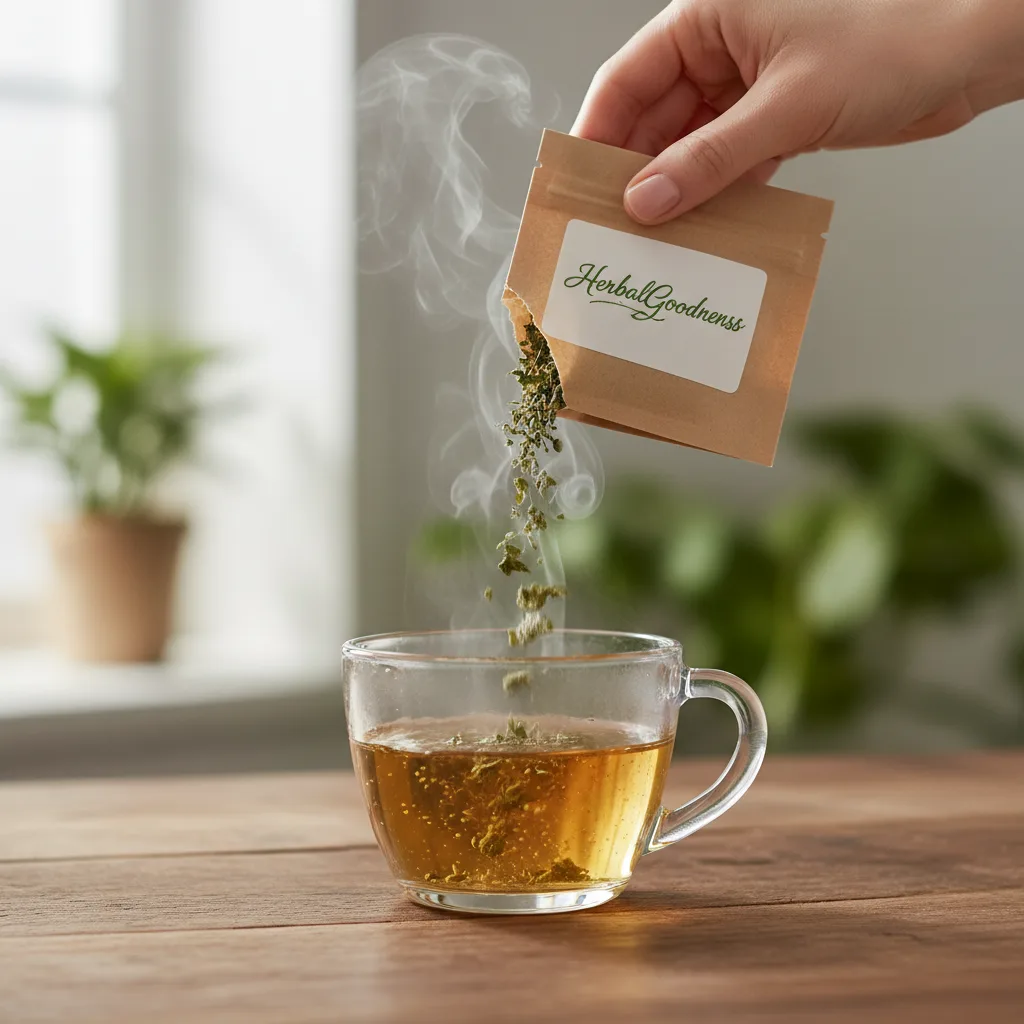
Mullein tea’s mildness makes it an ideal canvas for blending, particularly for those who appreciate a fuller-flavored or more aromatic cup—without losing what makes mullein unique.
Popular Pairings and Serving Ideas
- Chamomile: Enhances floral sweetness and creates a calming pairing.
- Lemon Balm or Lemon Peel: Introduces a bright, zesty note—great for a refreshing afternoon tea.
- Mint (a pinch): For a cool uplift; use sparingly to avoid eclipsing mullein’s nuances.
- Mild Raw Honey: Accentuates mullein’s natural sweetness. Stir in only after the tea cools slightly to maintain delicate aromatics.
- Ginger (very small amount): Adds gentle warmth and depth.
If experimenting with seasonal blends is your style, or if you want easy gifting options, check out the Herbal Tea Gift Set – Wellness Tea Gift Variety Collection - Organic 24 Teabags to discover different herbal teas including those that make subtle pairings with mullein.
Find your own signature combination by blending just enough to highlight—not hide—mullein’s core qualities.
Why Does Mullein Appear in So Many Seasonal Blends? (Cultural Touchpoint)
Beyond its flavor, mullein’s role in tea traditions is worth a brief note. Across North America, Europe, and Asia, mullein has long found its way into tea blends enjoyed during chilly months or at times of seasonal transition. This cultural connection likely stems from the plant’s soft, soothing taste and historical appreciation in warm beverages designed for comfort and gentleness—qualities valued in family and community shared times.
Consider expanding your seasonal tea explorations with Soursop Leaf Tea Graviola Leaves - Organic 24/2g Tea Bags - Immunity & Cell Renew for another gentle and subtle herbal infusion that’s ideal during colder months.
While mullein’s role in such blends is rooted in generations of experience, the focus here is on its sensory and cultural presence, rather than implied health impacts. Many tea lovers today still reach for mullein when they want a naturally soft, easy-sipping herbal beverage.
Understanding Quality: Sourcing and Selecting Mullein for the Best Cup
If you’re seeking the truest expression of mullein tea’s flavor, consider the following tips when selecting your dried leaves:
- Look for Vibrant Color: Pale green or silvery, never brown or overly faded.
- Check Aroma: Should smell clean and subtly herbal, not musty.
- Organic or Responsibly Wildcrafted: Minimizes exposure to unwanted chemicals and respects sustainability.
- Texture: Soft, fluffy leaves are a positive sign. Crisp or brittle texture indicates age and may result in muted taste.
A brand known for transparent sourcing and gentle processing, such as Herbal Goodness, can help ensure a taste experience that’s both authentic and consistent.
If whole-leaf options are your preference, our Bulk Herbs collection can be sourced for your personal blending and experimentation.
Experimenting with Mullein Tea: A Sensory Adventure Worth Repeating
Part of the charm of mullein tea is its adaptability—both to your preferences and creative curiosity. Don’t hesitate to try different preparations, pairings, and even compare tea made from leaves processed in different ways. By tuning into the unique flavors revealed in each cup, you cultivate not just your palate but also a rich sense of connection with an herbal tradition that spans generations.
FAQs:
- What does mullein tea taste like compared to other herbal teas?
Mullein tea is notably milder than many other herbal teas. It’s gentle, slightly earthy, and subtly sweet, lacking the strong minty or licorice notes that some blends bring. Many describe it as smoother and more delicate on the palate.
- Does the drying method really change the flavor of mullein tea?
Absolutely. Air drying often creates the softest, most aromatic cup, while faster methods or direct sun can mute the gentle, grassy notes or bring out a more mineral-flavored character.
- Are there any best practices for brewing mullein tea to highlight its flavor?
Use just-under-boiling filtered water, brew for 10–15 minutes, and always strain well to capture the fine leaf hairs. This maximizes mullein’s mild, soothing qualities.
- What are the most popular herbs to pair with mullein tea?
Chamomile, lemon balm, mint in small amounts, and a hint of ginger or lemon peel are classic choices. Each adds a complementary note to mullein’s mild base.
- Why is mullein commonly found in blends for seasonal sipping?
Traditionally, mullein is valued for its soft, comforting taste, making it a natural fit in blends enjoyed during colder or transitional times, especially in family or community settings.
- Is mullein tea caffeine-free?
Yes, mullein tea is naturally caffeine-free. It’s made solely from the dried leaves of the mullein plant, offering a gentle experience whenever you wish to enjoy it.
- How can you tell if mullein tea has gone stale?
Stale mullein will smell musty instead of clean and herbal, look brown or faded, and may taste flat or lack the usual mild, floral sweetness. Storing it in an airtight, shaded container helps preserve freshness.
Author Name:
Herbal Goodness Editorial Team
Author Bio:
The Herbal Goodness Editorial Team specializes in holistic health and superfoods, blending science and nature to educate and empower our community.
References:
Introducing Graviola to Young Taste Buds: Fun, Family-Friendly Flavor Exploration
Graviola in the Classroom and at Home: Creative Activities to Teach Kids About Tropical Plants