




What Is Carvacrol in Oregano? Flavor, Aroma & Plant Chemistry

Oregano is a kitchen staple recognized for its robust aroma and signature flavor—qualities that trace back to a fascinating molecule: carvacrol. You might have noticed that oregano, whether fresh, dried, or as an essential oil, varies in smell and taste. This difference revolves around plant chemistry, specifically how and why the oregano plant creates carvacrol as both a natural defense and a building block of its characteristic scent. Understanding the relationship between oregano and carvacrol not only deepens your appreciation for flavor but also helps explain why oregano products differ and how growers and producers can influence these aromatic outcomes.
What Is Carvacrol and Why Does Oregano Make It?
Carvacrol is a small, aromatic molecule found in the essential oils of various herbs—most famously in oregano. Belonging to a family of plant compounds called monoterpenes, carvacrol delivers the intense, slightly spicy, warm aroma that makes oregano stand out in the culinary world. But why does this plant choose to spend energy creating it?
Oregano produces carvacrol as part of its natural chemical defense system. Throughout the plant kingdom, aromatic compounds like carvacrol act as protectors. They help discourage grazing insects, ward off some environmental challenges, and may reduce competition from neighboring plants. Oregano’s unique adaptation gives it a distinct ecological advantage in the Mediterranean hillsides and dry fields where it naturally thrives. Many aromatic plants, including papaya and soursop, also synthesize secondary metabolites to protect themselves, which can be found in products like Soursop Leaf Graviola Extract 15X Liquid | Organic Cell & Immunity.
Plant Chemistry 101: How Oregano Synthesizes Carvacrol
Oregano’s leaf cells contain tiny organs called glandular trichomes, which are like specialized miniature factories. Within these structures, oregano converts simple plant sugars and acids into complex molecules such as carvacrol during a process called secondary metabolism. Unlike primary metabolism—which handles growth and energy—secondary metabolism focuses on survival compounds. The result: essential oils rich in distinctive plant chemicals.
Production of carvacrol doesn’t just happen all at once or stay constant. Multiple factors—from the plant’s genes to its environment—determine how much carvacrol is actually synthesized and stored in the leaves. This is why essential oil products such as Oil of Oregano 75% Carvacrol | 2oz – Potent Immune & Antifungal Support can vary significantly in aroma and potency from batch to batch.
Ecology in Action: The Role of Carvacrol in Oregano Survival
In its wild Mediterranean habitat, oregano deals with hungry insects, browsing animals, changing weather, and competition for space. Carvacrol is one of oregano’s ecological defenses. Its pungent smell and taste help protect it from insect feeding and can discourage some herbivores. The compound may even contribute to keeping fungal growth in check on the plant’s leaves.
Because these environmental threats aren’t always the same, oregano plants that face more stress or tougher growing conditions may adjust by producing higher levels of carvacrol. This built-in flexibility means different oregano plants—sometimes even from the same field—can have unique aroma profiles. For those interested in other plant-based ways to support wellness, Black Seed Oil 8oz | Cold-Pressed Nigella Sativa – Immune & Daily Wellness is another example of a product sourced for its natural defense compounds.
Flavor and Aroma: How Carvacrol Shapes the Oregano Experience
Most people recognize oregano by its bold scent and flavor. That signature intensity is due mainly to carvacrol, though over thirty other aromatic compounds also play minor supporting roles. When you crush a fresh oregano leaf or open a bottle of oregano oil, what you smell is largely carvacrol’s warm, herbal note.
Because carvacrol is so aroma-active, its concentration essentially dictates how “strong” oregano will taste and smell. Higher carvacrol content gives oregano products a more pronounced, peppery, and sometimes even slightly medicinal edge, while lower levels can yield a greener, milder profile. Similar plant chemistry can be found in other superfoods, including Raw Sea Moss 8oz Bag | St. Lucia Wildcrafted – Nature's Multivitamin, which offers a natural source of minerals alongside its signature taste and texture.
Growing Conditions: Nature’s Influence on Carvacrol Content
Whether wild or cultivated, the growing conditions of oregano have a significant impact on carvacrol levels:
- Sunlight: Oregano grown in bright, direct sunlight tends to produce more carvacrol. The stress of strong UV light prompts the plant to ramp up its defense chemistry.
- Soil Type: Poor, rocky, and well-drained soils—typical of the Mediterranean—encourage carvacrol-rich oregano. When soil is overly nutrient-rich or waterlogged, the plant focuses more energy on growth and less on aromatics.
- Altitude: Oregano at higher elevations may face harsher winds and cooler temperatures, often resulting in more concentrated essential oils and higher carvacrol.
- Water Availability: Drier conditions can increase carvacrol production as the plant naturally shifts toward protective chemistry under stress.
These factors combine in countless ways, making each oregano harvest a truly unique snapshot of place and season. That’s why two oregano oils—even from nearby farms—can have noticeably different aromas.
Harvest and Post-Harvest: Timing and Technique Matter
The timing and method of harvest significantly influence carvacrol content:
- Harvest Timing: Oregano’s essential oil content peaks just before or during the flowering stage. Cutting plants too early or too late can mean less carvacrol in the harvested material.
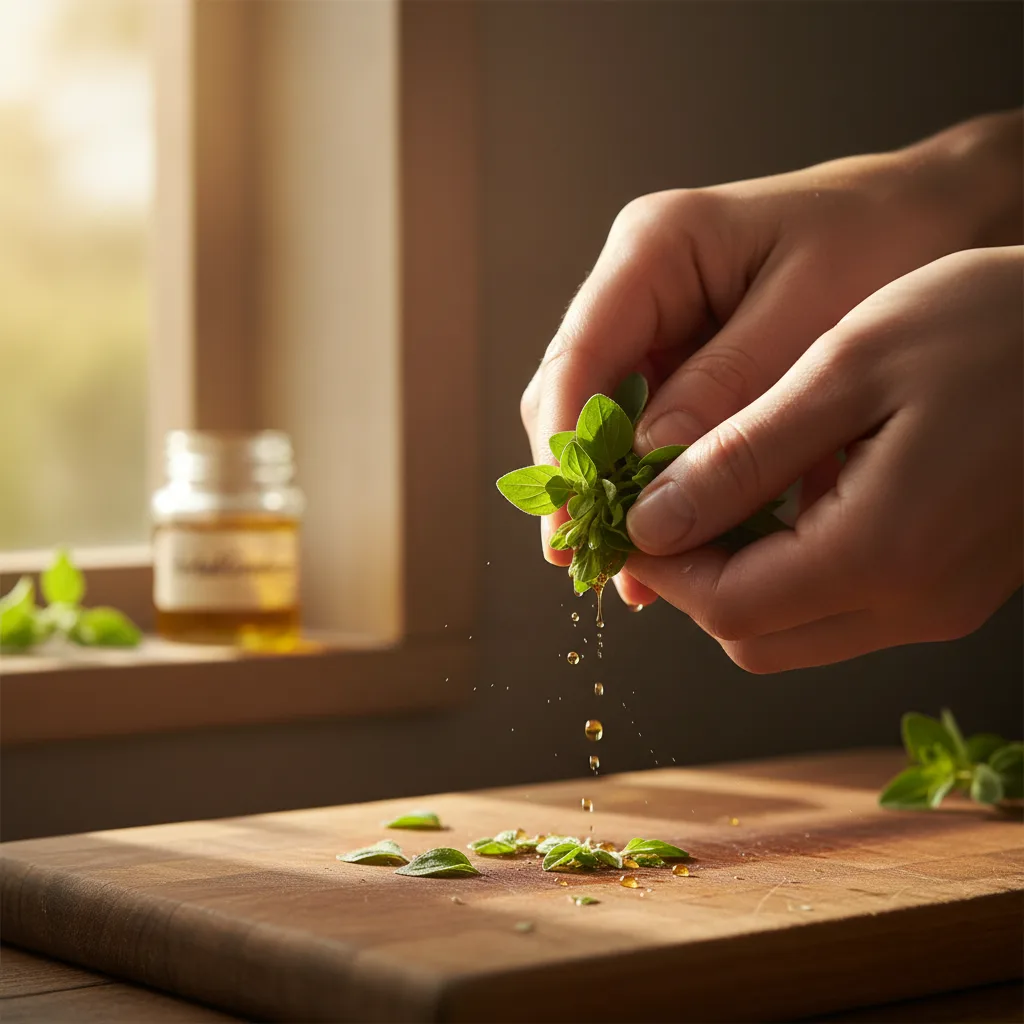
- Harvest Technique: Gently handling oregano helps preserve the delicate glandular trichomes packed with volatile oils, including carvacrol. Rough harvesting can damage these trichomes and reduce aroma.
After harvest, drying must be managed carefully. High temperatures or direct sunlight during drying can cause essential oil loss, including precious carvacrol. Modern producers often use controlled-air drying to protect these compounds. When selecting Oil of Oregano 75% Carvacrol | 2oz – Potent Immune & Antifungal Support, it’s worth looking into how harvest and drying methods are handled to ensure optimal carvacrol retention.
Processing Differences: From Field to Essential Oil
Even after careful growing and harvesting, the processing pathway further affects carvacrol concentration:
- Distillation Method: Steam distillation, commonly used to extract oregano oil, varies in duration and technique. Longer or more forceful distillation can sometimes drive off lighter, more volatile components.
- Storage Conditions: Oregano oil rich in carvacrol needs to be stored in cool, dark conditions to minimize evaporation and chemical change. Poor storage can cause loss of aroma and flavor intensity.
- Quality Standards: Premium brands like Herbal Goodness monitor carvacrol levels during processing and packaging to maintain the distinctive, true-to-source oregano aroma that clients expect.
Why Oregano Oils Vary on the Shelf: The Natural Roots of Product Differences
With so many factors at play—from seed origin to field environment to final packaging—it’s no surprise that oregano oils can differ greatly in scent, taste, and aroma strength. Sometimes a bottle will have an almost sweet, herbal bouquet; another might be sharp, warm, and intensely pungent. These differences are usually not a matter of quality but a reflection of chemistry, ecology, and craft. If you seek potent defense and robust aroma for wellness, Oil of Oregano 75% Carvacrol | 2oz – Potent Immune & Antifungal Support provides a concentrated solution for natural support.
For those interested in aroma, flavor, or sustainable sourcing, understanding these plant chemistry basics can help in choosing oregano products that align with personal values and sensory preferences. When sourcing, it’s worth noting where and how the oregano was grown, what harvesting and drying techniques were used, and whether the producer makes an effort to protect and standardize natural carvacrol levels. Supplementing your kitchen and wellness cabinet with naturally rich superfoods—such as Raw Sea Moss 8oz Bag | St. Lucia Wildcrafted – Nature's Multivitamin—may complement a balanced approach to health.
Sustainable Sourcing: Carvacrol, Tradition, and Ecosystem Balance
Finally, the method of oregano cultivation and harvest touches not just flavor but broader ecological concerns. Traditional harvesting in native regions often relies on hand-cutting or small-scale drying that preserves both plant integrity and future growth. Sustainable cultivation practices can encourage carvacrol-rich oregano while protecting wild populations and maintaining local biodiversity.

Producers focused on sustainable sourcing aim to combine respect for the wild oregano’s habitat with modern techniques that ensure consistency, aroma, and a positive impact on both communities and the environment. This approach mirrors similar strategies in the harvesting of botanicals like Soursop Leaf Graviola Extract 15X Liquid | Organic Cell & Immunity, where ecological balance and community benefit are prioritized.
Key Takeaways: Carvacrol’s Role in Oregano’s Unique Signature
- Oregano creates carvacrol as part of its natural defense strategy, directly shaping aroma and taste.
- Natural factors—sunlight, soil, altitude, and water—profoundly influence carvacrol levels in oregano plants.
- Harvest timing, handling, drying, and oil extraction all impact the final carvacrol concentration in oregano products.
- Aroma and flavor variability between oregano oils originates in nature and is shaped by how plants are grown and processed.
- Sustainable sourcing practices help maintain both desired aroma and ecosystem balance, ensuring carvacrol-rich oregano for future generations.
With a deeper understanding of carvacrol’s origins, the hands that guide oregano harvests, and the ecological forces at play, you’re now equipped to appreciate every savory sprinkle and aromatic drop.
Frequently Asked Questions
Question 1: What is carvacrol and why is it important in oregano?
Answer: Carvacrol is the key aromatic compound that gives oregano its signature warm, spicy aroma and flavor. It's produced by the plant for natural defense and is the main factor in determining the intensity of oregano products.
Question 2: Why do oregano oils vary so much in smell and taste?
Answer: Variations come from natural factors (such as sunlight, soil, altitude, and water) and human factors (harvest timing, drying, oil extraction). Choose products like Oil of Oregano 75% Carvacrol | 2oz – Potent Immune & Antifungal Support with standardized carvacrol content for consistency.
Question 3: How does sustainable sourcing affect carvacrol levels?
Answer: Sustainable sourcing practices, including traditional harvesting and small-scale drying, can maintain high carvacrol concentrations in oregano by protecting both plant and habitat. Similar approaches can be found in botanicals like Soursop Leaf Graviola Extract 15X Liquid | Organic Cell & Immunity.
Question 4: Are there other herbs with similar aromatic defense compounds?
Answer: Yes, many herbs like black seed and soursop are valued for their defense molecules, featured in products such as Black Seed Oil 8oz | Cold-Pressed Nigella Sativa – Immune & Daily Wellness.
Question 5: Can growing conditions impact the strength of oregano products?
Answer: Absolutely. Sunlight, soil quality, water availability, and altitude all influence how much carvacrol oregano produces, much like how Raw Sea Moss 8oz Bag | St. Lucia Wildcrafted – Nature's Multivitamin varies in nutrient profile depending on its environment.
Question 6: How can I be sure my oregano oil contains high carvacrol?
Answer: Look for transparent brands that standardize and test carvacrol content, such as Oil of Oregano 75% Carvacrol | 2oz – Potent Immune & Antifungal Support for reliable potency.
Question 7: What are some ways to complement oregano-based wellness?
Answer: Pairing oregano products with other botanicals rich in natural defense compounds, like Black Seed Oil 8oz | Cold-Pressed Nigella Sativa – Immune & Daily Wellness or Soursop Leaf Graviola Extract 15X Liquid | Organic Cell & Immunity, can help round out a natural approach to health.
Curious about how the flavor and aroma of oregano are born from nature? Understanding the journey of carvacrol can help you select oregano products that match your preferences and values.
About the Author
Herbal Goodness Editorial Team
The Herbal Goodness Editorial Team specializes in holistic health and superfoods, blending science and nature to educate and empower our community.
References
Oregano Oil vs. Black Seed Oil: Sensory & Sourcing Guide