





What “Calming” on Supplements Really Means (Plain-English Guide)

Modern shoppers face a crowded marketplace when looking to buy herbal supplements for relaxation. If you've ever flipped over a bottle of capsules or browsed liquid herbal extract options, you might have noticed a range of terms like “nervine,” “adaptogen,” or simply “calming” splashed across the label. Add terms such as “standardized extract,” “extract ratio,” or badges like “third-party tested,” and it's easy to feel overwhelmed. In this guide, we'll break down these terms in plain language, helping you confidently navigate herbal supplement labels and make informed choices that feel right for you.
Nervines, Adaptogens, and ‘Calming’: What Do These Herbal Terms Really Mean?
What Does 'Nervine' Mean on a Supplement Label?
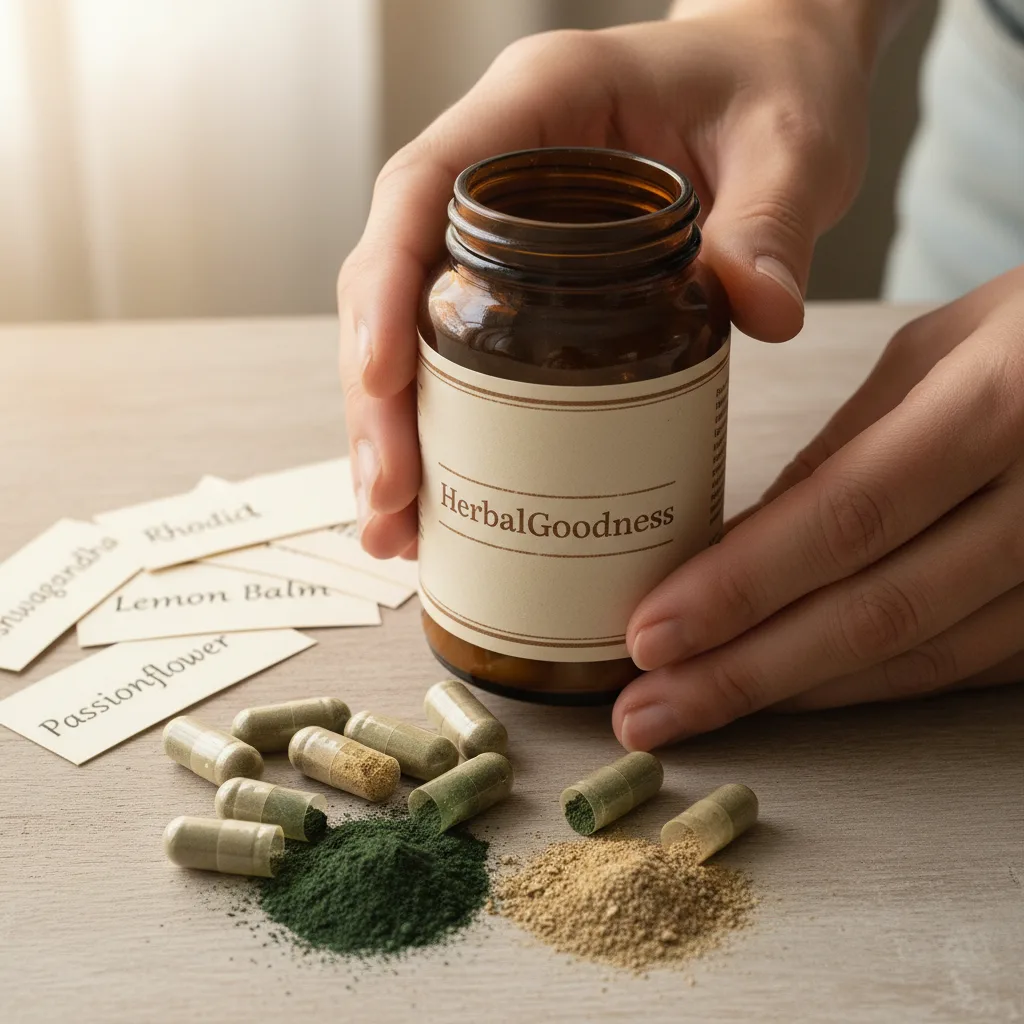
Nervines are a category of herbs traditionally valued for their gentle, supportive role within the body’s nervous system function. When you see “nervine” on a product label, it generally means the formula features ingredients loved by herbalists for promoting relaxation or a sense of calm. Not every brand uses the same herbs or definitions, but common nervines you might find include Lemon Balm, Passionflower, and Chamomile. Think of nervines as a gentle, time-honored group in the world of herbal relaxation.
Adaptogens: More Than Just Stress Support
Adaptogens are another term you’ll see on many herbal supplement labels, including those focused on relaxation. Adaptogens refer to a group of botanicals traditionally appreciated for helping the body adjust to occasional stressors and maintain a sense of balance.* Classic adaptogens include Ashwagandha, Tulsi (Holy Basil), and Rhodiola. Unlike nervines, which are often directly associated with relaxation, adaptogens tend to be described for their overall support of resilience and equilibrium—making them popular for those seeking balanced energy in addition to healthy stress coping.*
For instance, formulations such as Mushroom Blend Organic 15X Extract | Adaptogen for Brain & Immunity bring attention to adaptogenic support for both resilience and daily wellness.
The 'Calming' Label: What Does It Really Promise?
Herbal supplement bottles labeled as “calming,” “relax,” or “unwind” often contain a blend of nervines, adaptogens, or both. While the word “calming” may sound reassuring, it’s important to view it as a general descriptor rather than a promise of a particular result. These terms aren’t regulated to a strict definition, so always check the ingredient list and supplemental facts to better understand what’s inside.
Common Ingredient Categories in Relaxation Supplements
Botanicals Most Frequently Seen
When scanning a “calming” supplement label, you’ll notice some ingredients show up time and again. Here’s how they generally fit into label categories:
- Chamomile, Lemon Balm, Passionflower: Often classified as nervines and popular in teas or capsules formulated for relaxation.
- Ashwagandha, Rhodiola, Holy Basil (Tulsi): Adaptogens that show up in many relaxation blends aiming to support overall stress resilience.*
- Lavender, Hops, Skullcap: Sometimes labeled simply as “calming agents,” and may be included in nighttime or relaxation-focused formulas.
If you're seeking a simple daily ritual, consider an herbal tea like Soursop Leaf Tea | Organic Graviola 24 Bags – Immunity & Cell Renew, blending traditional botanicals for gentle support.
Reading the full ingredients list provides the clearest snapshot of whether a supplement is built primarily on nervines, adaptogens, or a blend of both.
“Sedatives” and Why You Rarely See the Word
“Sedative” is a much less common term on natural supplement labels, as it has a stricter technical meaning and comes with regulatory attention. Most herbal supplement brands opt for words like “calming” or “relaxing” as compliant alternatives that reflect the plants’ traditional uses without making direct health claims.
Understanding Herbal Extract Types: Standardized vs. Whole Herb and Extract Ratios
Standardized Extracts: Consistency Matters
A standardized extract means a product has been concentrated and measured to provide a predictable amount of certain plant compounds—such as flavonoids or saponins—across every batch. Shoppers seeking best quality or premium herbal supplements may look for this term when wanting reliability from one bottle to the next. For example, a label reading “Standardized to 4% Rosavins” tells you the manufacturer guarantees this exact composition for every capsule or drop.
Whole Herb vs. Extract: What’s the Difference?
Some supplements use the whole herb in dried, ground, or powdered format. Others might list “extract,” which typically means the plant has undergone a process (like being steeped in water or alcohol) to concentrate selected constituents. Extracts can deliver a higher amount of the desirable plant compounds per serving. Choosing between the two depends on your preference for traditional usage (whole herb) versus a more potent, consistent experience (extract).
For those who want potent, easy-to-dose options, a Soursop Leaf Graviola Extract 15X Liquid | Organic Cell & Immunity provides highly concentrated plant goodness in liquid form, allowing flexible serving size and easy absorption.

Deciphering Extract Ratios
You may see ratios like “10:1” or “20:1” on labels. The first number refers to the pounds of raw herb used to make a single pound of extract. For instance, a 10:1 extract uses ten pounds of herb to yield one pound of extract. Larger ratios suggest a more concentrated product, but it’s wise to double-check which compounds are being concentrated, and if the label specifies what that means for the formula’s effectiveness or flavor.
Practical Tips for Comparing Calming Herbal Supplements
Choosing Your Preferred Form: Capsules, Teas, or Liquid Extracts?
Relaxation supplements come in a variety of forms, each offering its own advantages:
- Capsules/Tablets: Convenient to travel with, easy for those who dislike herbal flavors.
- Loose Leaf Teas or Tea Bags: Support daily rituals; favored for relaxing routines, though may require more time to prepare.
- Liquid Extracts (Tinctures): Quickly absorbed and easy to adjust serving size; some shoppers find them especially versatile.
Whether you love sipping blends or want a quick wellness addition, Organic Ashwagandha Root Liquid Extract delivers a flexible solution.

When shopping for best quality calming herbal supplements, consider which form best suits your lifestyle and preferences.
Reading Ingredient Sourcing and Transparency
Top-tier brands, such as Herbal Goodness, often share sourcing details—look for labels noting “organic,” “wildcrafted,” or the region where herbs are grown. This can be a sign of premium quality and a commitment to environmental responsibility. For peace of mind on ingredient integrity, Balance Boss 15X Liquid Extract – Mood Balance & Relaxation highlights both ingredient transparency and a focus on calm.
Checking for Allergens and Additives
Ingredients lists should clearly identify common allergens (such as soy, gluten, or tree nuts) or added fillers. For those with sensitivities, finding allergen-free herbal supplements is essential. Transparent brands will proudly state if their products are free from artificial flavors, colors, or unnecessary binders.
The Role of Third-Party Testing
Third-party testing is a marker of batch purity and quality assurance. When you see “third-party tested” on an herbal supplement, it means an independent lab has tested aspects like potency, cleanliness, and absence of contaminants. Consistent third-party testing is often looked for by those seeking the best price on premium-caliber supplements, since it provides peace of mind regarding what’s actually in the bottle.
Key Takeaways When Exploring Relaxation Herbal Supplement Labels
- Understand the language: Nervine and adaptogen label claims are rooted in herbal tradition, not guaranteed health outcomes.
- Examine ingredients: Look for which herbs are classified as nervines, adaptogens, or supporting botanicals.
- Learn the extract details: Recognize what “standardized,” “whole herb,” or ratio numbers actually mean.
- Check source and quality: Scan for third-party testing, allergen information, and sourcing transparency.
Taking time to read and compare labels gives you more confidence—and greater alignment with your own relaxation goals. By understanding these common terms and ingredient categories, you’re empowered to shop knowledgeably and select the best quality calming herbal supplements that match your individual needs and preferences.
FAQs:
- What does 'nervine' mean when shopping for calming herbal supplements?
On a supplement label, 'nervine' refers to herbs traditionally valued for their supportive effect on the nervous system. These herbs, such as Lemon Balm or Chamomile, are often used in relaxation-focused supplements. The term suggests gentle, calming botanical ingredients.
- How are adaptogens different from nervines on supplement labels?
Adaptogens are herbs recognized for supporting the body's resilience to occasional stress, while nervines are generally used for their traditional calming properties. Both may appear in relaxation blends, but adaptogens focus more on balance and overall stress support.
- What is a 'standardized extract' in herbal supplements?
A standardized extract is an herbal preparation processed to ensure each serving contains a consistent amount of specific plant constituents. This provides predictable potency and is considered a marker of best quality for many herbal shoppers.
- How should I compare herbal supplement forms for relaxation?
Consider convenience (capsules), ritual experience (teas), or flexible dosing (liquid extracts). Personal lifestyle, taste preferences, and ease of use help determine which form is best for you when shopping for calming herbs.
- Why is third-party testing important for herbal supplements?
Third-party testing verifies the product’s content, purity, and absence of contaminants. It adds an extra layer of confidence that what’s on the label matches what’s inside, which is important for those seeking best price and premium quality.
- Are allergen-free herbal supplements easy to identify?
Yes, reputable brands clearly state if their products are free from common allergens like gluten, soy, or dairy. Always read the full ingredients label and look for dedicated allergen information for peace of mind.
Author Name:
Herbal Goodness Editorial Team
Author Bio:
The Herbal Goodness Editorial Team specializes in holistic health and superfoods, blending science and nature to educate and empower our community.
References:
Introducing Graviola to Young Taste Buds: Fun, Family-Friendly Flavor Exploration