




Soursop Tea and Hair Health: Tradition, Key Plant Compounds, and How to Assess Evidence

Soursop Tea and Hair Health: Exploring Plant Tradition and Evidence
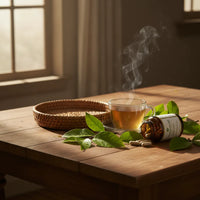
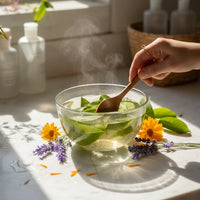
Curiosity about herbal teas for hair care has grown, and soursop tea is often a part of this conversation. People frequently look to soursop leaf tea for its longstanding use in traditional rituals and modern herbal routines. In this article, we’ll explore how soursop tea fits into hair health traditions, what plant compounds it contains, and what it really means to read the available evidence. Let’s journey through folkloric knowledge, plant science, and tips for hands-on exploration—always keeping realistic expectations in mind.
Looking Back: Soursop Leaf Tea in Traditional Hair Care
Across tropical regions, the soursop tree (Annona muricata) is respected for its many uses, with leaf tea standing out in home herbalism. Soursop leaf tea has been used in a variety of ways—from soothing rituals to topical rinses. Among the practices passed down in Caribbean, South American, and West African communities, soursop leaves are sometimes included in homemade hair rinses and washes.
These traditions often value soursop leaf for its refreshing qualities, and some attribute it with supporting a sense of scalp well-being or general hair vitality. Beyond beverage form, cooled soursop tea has reportedly been used as a rinse, with devotees praising its gentle, astringent feel on the scalp and hair. However, understand that these uses are part of cultural heritage and anecdotal experience—they shouldn’t be confused with proven biological outcomes.
Delving Into Soursop’s Plant Compounds: What’s Actually Inside?
The potential appeal of soursop tea for hair health often leads people to ask: what specific plant compounds are present? Soursop leaves contain a mosaic of bioactive phytochemicals, including
- Antioxidants: Soursop leaves are known to contain phenolic compounds and flavonoids, which are widely researched for their antioxidant activity in general botanical science.
- Bitters: Traditionally, "bitters" refers to a class of compounds that give certain herbs their distinctive sharp flavor and are often valued in folk wisdom for topical rituals.
- Other Phytochemicals: These may include tannins, saponins, and alkaloids—present in a wide array of plants, each with unique interactions and a very broad range of traditional uses.
It’s important to underscore: while antioxidants and phytochemicals are popular among those interested in botanical self-care, there is no direct proof that these compounds, as found specifically in soursop leaf tea or rinses, interact with hair or scalp in a measurable way.
Much of the conversation about soursop leaf focuses on its antioxidant content. Antioxidants can interact with free radicals in test tubes, and they are a buzzword in natural beauty. In a general sense, people enjoy experimenting with antioxidant-rich botanicals as part of their self-care approach. Yet, research has not specifically isolated or measured antioxidant effects of soursop tea on the hair shaft or scalp environment. The leap from plant chemistry to visible hair results is significant and not yet bridged by evidence.
Decoding the Evidence: Scientific Studies vs. Tradition
How can we sort tradition from science? Here are some steps that help:
- Recognizing Traditional Knowledge: Folk uses and anecdotal reports are valuable for cultural context and for sparking scientific questions—but tradition by itself does not establish measurable effects.
- Understanding Scientific Standards: For any plant-based rinse or tea to be regarded as effective for hair care according to science, it would need multiple peer-reviewed studies. These studies ideally would use human participants, control groups, measurement tools (such as hair microscopy or scalp health surveys), and standardized preparations.
- Current State of Research: As of now, the body of rigorous research connecting soursop tea with measurable changes in hair quality or scalp attributes is limited. Most studies of soursop focus on other applications or general plant chemistry, so the hair health discussion remains largely based in tradition and personal account.
While we wait for more direct scientific exploration, cultural uses and personal stories continue to guide curiosity about soursop tea as a hair rinse. These experiences, while not proof of effect, can offer:
- Ritual enjoyment and connection to heritage or community rountines
- Personal satisfaction with natural self-care routines
- A sense of mindful experimentation with plant-based beauty practices
If you’re interested in experimenting with soursop leaf tea in your hair care regimen, consider a careful, curious approach. Here are some practical guidelines for safe, informed exploration:
Sourcing Quality Soursop Leaves
- Look for reputable sources that provide information on sustainable harvesting. Quality can influence your overall experience, even outside of scientific parameters.
- If possible, choose dried soursop leaves that are free from additives or contaminants.
Brewing Soursop Leaf Tea for Rinses or Self-Care Rituals
- Standard brewing: Gently simmer 5–7 dried soursop leaves in about 3–4 cups of water for 10–15 minutes.
- Allow to cool completely before applying to hair or scalp.
- Use the cooled tea as a rinse after your normal wash routine, applying it gently from roots to ends.
For those seeking other traditional botanicals used in hair routines, bamboo leaf tea has also been valued for its silica content, contributing to the diversity of natural hair care options.
Patch Testing and Sensitivity
- Always patch test before full use. Apply a small amount of the cooled tea to a discreet area of the scalp or inner arm.
- Wait 24 hours to observe any redness, sensitivity, or discomfort. Discontinue use if any irritation occurs.
- Never apply hot or concentrated tea to the hair or scalp.
Safe Experimentation: Tracking Observations
- Make notes of your experience, including the texture, scent, and how your hair or scalp feels after use.
- If you try soursop leaf tea over several weeks, jot down personal observations—always keeping in mind these are single-person anecdotes, not equivalent to clinical results.
- Avoid mixing soursop tea with other home remedies unless you’ve tested each ingredient separately for sensitivity.

It’s also helpful to explore gentle, science-backed options that may support a healthy scalp. For instance, products like Hair Growth - 15X Liquid Extract - Hair & Follicles are focused on botanical blends intended for hair and scalp support, adding modern science to your botanical toolkit.
Realistic Expectations
- Approach soursop tea as a way to connect with a traditional routine and natural self-care.
- Remember, any observed changes (such as softness, shine, or scalp comfort) are subjective, and differences in hair type or scalp sensitivity can shape your individual outcomes.
- The absence of strong scientific evidence doesn’t negate the enjoyment of a personal hair tradition, but it’s important to distinguish pleasure in ritual from expectation of outcomes.
How to Read and Interpret Botanical Evidence
Engaging with herbal self-care options like soursop tea can prompt deeper questions—especially for those interested in scientific validation. Here’s how to critically explore:
Look for Human Studies: Focus on research conducted with human subjects, ideally with diverse hair types and backgrounds. Most available soursop research is not hair-focused, so read study summaries and note what outcomes they measure.
Check Sample Size and Control: Reliable studies use enough participants and control for outside factors. Case reports and very small surveys might not provide robust evidence.
Distinguish Lab Research from Real-World Effects: Laboratory studies may examine how plant compounds interact with cells or in test tubes, but this doesn’t always translate to effects on actual hair when used as a rinse or tea.
Recognize Limitations: Most botanical self-care methods, including soursop tea, have a limited number of published, direct studies measuring visible hair or scalp outcomes. This leaves much of the conversation grounded in tradition rather than measured science.

Those who are interested in a more concentrated and practical way to include soursop leaf benefits in daily life might consider exploring Soursop Leaf Graviola Extract - - Organic 15X Liquid Extract - Cell Renew & Immunity, which can be integrated into your wellness regimen, offering the plant's active compounds in liquid form.

Today’s interest in soursop tea for hair health often reflects a broader movement toward mindful, nature-inspired routines. For many, using soursop tea as a rinse isn’t about measurable change, but about
- Connecting with tradition
- Enjoying an aromatic and soothing ritual
- Creating a sense of self-care and relaxation
For a complete botanical self-care program, combining options like Soursop Leaf Tea Graviola Leaves - Organic 24/2g Tea Bags - Immunity & Cell Renew with complementary herbal blends such as Bamboo Leaf Tea – 24/1.5g Tea Bags - Nature's Collagen & Biotin may help create a personalized approach to natural hair care rituals.
As with any herbal practice, prioritize safety, gentle experimentation, and informed expectations.
Conclusion: Balancing Heritage, Curiosity, and Caution
Soursop tea’s connection to hair health spans cultural tradition, plant compound curiosity, and the ongoing search for evidence. While antioxidants and bitters fuel interest, and community recipes offer rich anecdotes, science has yet to directly link soursop tea with specific hair outcomes.
If you are inspired to try soursop tea as part of a hair rinse or self-care mask, proceed thoughtfully: source quality leaves, patch test carefully, and observe for your own experience—while recognizing the difference between tradition, observation, and research. With this balanced approach, you can enjoy the heritage and ritual of soursop leaf tea in a mindful, informed way.
FAQs:
- How is soursop tea traditionally used for hair care?
In some cultures, soursop leaf tea has been used as a rinse, incorporated into hair washing rituals, or simply appreciated as a self-care tradition. These uses are typically based on cultural heritage and anecdotal experience, not scientific studies.
- Does soursop tea contain plant compounds linked to hair health?
Soursop leaves contain antioxidants, bitters, and other phytochemicals that are popular in natural beauty discussions. However, there is no scientific evidence directly linking these compounds in soursop tea to tangible hair health outcomes.
- Are there scientific studies showing soursop tea affects hair or scalp?
Current research on soursop leaf tea primarily investigates general plant chemistry. There are few, if any, published studies examining its effects on hair or scalp in humans, so claims should be viewed as unproven.
- How can I experiment with soursop tea safely for hair?
Start with a small patch test to check for any sensitivity. Brew tea from quality dried leaves, cool completely before use, and note any personal observations. Avoid mixing with other new ingredients before confirming tolerance.
- Can soursop tea replace my regular hair products?
Soursop tea may be an enjoyable ritual, but it shouldn't be relied upon as a substitute for products with well-established roles in hair hygiene. It is best viewed as a gentle, traditional complement rather than a replacement.
- What should I look for in quality soursop leaves for tea?
Opt for sources that emphasize sustainable harvesting and purity. Leaves should be clean, dried, and free of contaminants. If buying packaged leaves, look for transparency in sourcing and ingredient listing.
- Why is patch testing recommended before using soursop tea on hair?
Patch testing helps identify potential sensitivities or reactions before fully applying an herbal tea to your scalp or hair. This is especially important with any new botanical ingredient.
Author Name:
Herbal Goodness Editorial Team
Author Bio:
The Herbal Goodness Editorial Team specializes in holistic health and superfoods, blending science and nature to educate and empower our community.
References:
Introducing Graviola to Young Taste Buds: Fun, Family-Friendly Flavor Exploration
Graviola in the Classroom and at Home: Creative Activities to Teach Kids About Tropical Plants