




Savory Hibiscus in the Kitchen: Petals and Powder for Sauces, Pickles, and Salads

The bold crimson hue of hibiscus isn't just for tea. Home cooks are increasingly drawn to the ingredient's tangy character, vivid color, and surprising versatility. If you're curious about making the leap from sipping hibiscus tea to exploring savory dishes, you're not alone. This guide delves into using hibiscus petals and powder in sauces, pickles, and salads—giving your meals a twist that's equal parts traditional, contemporary, and creative.
Understanding Savory Hibiscus: Petals and Powder in the Kitchen
The hibiscus flower, notably Hibiscus sabdariffa, is long appreciated worldwide for its tart profile and decorative beauty. In kitchens across Africa, the Middle East, and Latin America, hibiscus is not just steeped for beverages but celebrated in savory foods. Fresh, dried, or as a powder, the petals impart a cranberry-like brightness and a vibrant punch of color.
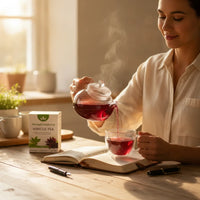
For those interested in both refreshing teas and culinary hibiscus exploration, Organic Hibiscus Tea 24 Bags | Heart Health & Antioxidant Wellness provides a convenient and high-quality source of food-grade hibiscus for your pantry.
Hibiscus Petal Formats: Fresh, Dried, and Powdered
- Fresh petals: Offer bright acidity and a less concentrated tartness; typically used where gentle flavor is desired.
- Dried petals: Provide a more robust, concentrated tang and deep coloring. They are often rehydrated or simmered in liquids.
- Hibiscus powder: Made from finely ground dried petals, this is convenient for adding both flavor and pigment to sauces, dressings, and spice blends.
If you prefer pairing vibrant botanicals with nutrient-rich ingredients, Raw Sea Moss 8oz Bag | St. Lucia Wildcrafted – Nature's Multivitamin can add texture and nutrition alongside hibiscus in creative kitchen projects.
Knowing which form to use depends on your dish and the intensity of hibiscus flavor you want to achieve.
Using Hibiscus in Savory Sauces and Marinades
How Hibiscus Transforms Sauces
Hibiscus brings complexity to sauces with its tartness—think of it as an alternative to citrus or vinegar. It can uplift tomato sauces, play off earthy spices in chutneys, or brighten up creamy dressings. The color is deep magenta to ruby, which remains impressive through moderate cooking.

Example: Hibiscus Chili Sauce
- Ingredients: Dried hibiscus petals, fresh chilies, garlic, vinegar, olive oil, touch of honey.
- Method: Simmer dried petals in water until softened, blend with other ingredients, and simmer again. The result: a vibrant tart-sweet sauce ideal for roasted vegetables or grilled proteins.
Marinade with Hibiscus Powder
- Combine hibiscus powder with olive oil, garlic, cumin, and citrus zest. This marinade works beautifully on white fish, chicken, or grilled tofu, giving a tangy, colorful crust.
Acidity and Color When Cooking
During cooking, the acidity of hibiscus can subtly mellow but will remain pronounced, especially in short-cooked sauces. Prolonged heat can dull some of the color, so add hibiscus toward the end if the magenta hue is key.
Hibiscus in Pickles: Tangy and Colorful Preserving
Why Hibiscus Works in Pickling
Pickling with hibiscus not only brings acidity but infuses ingredients with its jewel toned tint. The tart notes work alongside spices and vinegar, resulting in pickled vegetables or fruits that stand out both visually and in taste.
If you like adding unique flavors to your pickle and salad preparations, Organic Papaya Leaf Extract 16oz | 15X Liquid – Best Value Size is another versatile ingredient that complements hibiscus with subtle herbal notes and digestive support benefits.
Hibiscus-Infused Quick Pickles
- Steps:
- Steep dried hibiscus petals in hot pickling liquid (vinegar, water, salt, optional sugar) until vibrant.
- Strain and pour over prepared vegetables or fruits (try red onions, cucumbers, carrots, or watermelon rind).
- Chill for several hours or overnight, allowing flavors and colors to meld.

Hibiscus pickling brines can also be reused for eggs, jalapeños, or even for a unique twist on classic relishes or chutneys.
Basic Preservation & Safety Tips
- Always use food-grade hibiscus from reputable sources.
- Sterilize jars and utensils thoroughly.
- Follow reliable pickling recipes for safe acidity levels.
- Store refrigerator pickles and sauces in airtight containers; consume within several weeks.
Elevating Salads With Hibiscus Petals and Powder
Freshness and Color in Greens, Grains, and More
Hibiscus is a natural fit for salads—its tartness brightens greens, balances creamy elements, and complements grains. Consider these methods:
Fresh or Rehydrated Petals
Toss fresh or rehydrated dried petals into leafy salads for bursts of tang and color. They pair especially well with arugula, spinach, or mixed microgreens.
Those who love botanical variety in salad blends might enjoy the mix of flavors found in the Herbal Tea Trio Bundle | Guava, Hibiscus & Avocado – 3 Organic Packs, providing three distinct teas that can be steeped for vinaigrettes or used as garnish.
Hibiscus Powder Dressings
Stir hibiscus powder into vinaigrettes or yogurt-based dressings for an instantly colorful, tart effect. Try blending with lemon juice, olive oil, a hint of honey, and mustard for a rosy, flavorful drizzle.
Grains and Legumes
Fold hibiscus petals into cooked quinoa, lentils, or chickpeas. Their tartness cuts through earthiness, while the color enlivens the presentation.
Pairing Hibiscus in the Kitchen
Knowing how to pair hibiscus maximizes both its aesthetic and flavor contribution to a dish. Here are straightforward suggestions for busy home cooks:
Grain Bowls
Add rehydrated hibiscus to farro, bulgur, or rice bowls. Complement with roasted squash, feta, or toasted nuts.
Legume Salads
Use hibiscus petals or pickled vegetables infused with hibiscus to add zip to bean salads—white beans, chickpeas, or black lentils all shine against hibiscus.
Cheeses and Dairy
Creamy cheeses (like goat cheese or ricotta) and tangy yogurts are natural partners; the creaminess buffers hibiscus’s acidity, and the contrast is both striking and delicious.
Proteins
Pair hibiscus marinades or sauces with grilled chicken, tofu, or seafood. The tart notes cut through richness and brighten the dish.
Those seeking further versatility can experiment with Raw Sea Moss 8oz Bag | St. Lucia Wildcrafted – Nature's Multivitamin in salads, grain bowls, or as a thickener in dressings and relishes.
Vegetables
Root vegetables (carrots, beets), cucumbers, tomatoes, and leafy greens all respond well to hibiscus, especially in salads or pickles.
Hibiscus: Handling, Preservation, and Safety for Home Kitchens
Sourcing and Quality
It’s best to purchase food-grade hibiscus petals and powder from suppliers you trust. Look for petals that are brightly colored and dry, free of moisture or blemishes. For powder, seek vibrancy and freshness in aroma and color.

When stocking your pantry, consider Organic Hibiscus Tea 24 Bags | Heart Health & Antioxidant Wellness for a guaranteed food-grade, vibrant hibiscus source for both culinary and beverage uses.
Storing Hibiscus
- Dried petals and powder: Store in an airtight jar in a cool, dark place. Properly stored, they remain potent for up to a year.
- Fresh petals: Store wrapped in a damp paper towel in the fridge and use within several days.
Safe Preparation Tips
- Hibiscus is generally considered safe for most home cooking applications.
- Rinse petals before use, especially if fresh or loosely packaged.
- Avoid over-dosing: Hibiscus flavor is pronounced, so start with a small amount and adjust to taste.
- When pickling, always use enough acid (vinegar or citrus juice) to ensure food safety.
If you’d like to boost the wellness factor in your kitchen, Organic Papaya Leaf Extract 16oz | 15X Liquid – Best Value Size provides an additional antioxidant kick in sauces, dressings, or beverages, and stores well alongside dried hibiscus.
Making Hibiscus a Staple of Your Savory Pantry
Exploring hibiscus in your kitchen unlocks a palette of new flavors and presentation possibilities. Whether you’re stirring petals into a salad, infusing color and zing into pickled onions, or blending powder into dressings, hibiscus transforms everyday foods into memorable culinary experiences. Enjoy being creative, experiment with proportions, and trust your taste—savory hibiscus is as open to interpretation as it is rewarding.
Frequently Asked Questions
Question 1: Can I use hibiscus tea bags in savory dishes?
Answer: Yes, you can use Organic Hibiscus Tea 24 Bags | Heart Health & Antioxidant Wellness as a source of high-quality hibiscus for infusions, sauces, or even pickling brines.
Question 2: What pairs best with hibiscus in salads?
Answer: Fresh greens, grains, and legumes pair beautifully with hibiscus. Try adding Raw Sea Moss 8oz Bag | St. Lucia Wildcrafted – Nature's Multivitamin or using hibiscus alongside creamy cheeses and roasted vegetables for added nutrition and variety.
Question 3: How should I store dried hibiscus petals and powder?
Answer: Store dried hibiscus petals and powder in an airtight jar, in a cool, dark place. Organic Hibiscus Tea 24 Bags remains fresh for up to a year when stored properly.
Question 4: Can I pickle vegetables with hibiscus?
Answer: Absolutely! Hibiscus is fantastic in pickling brines, lending tart flavor and vibrant color to pickles. For added wellness, consider including Organic Papaya Leaf Extract 16oz in your brines.
Question 5: Is hibiscus powder different from dried petals?
Answer: Yes, hibiscus powder is simply ground dried petals. It's ideal for evenly distributing color and tang in sauces or dressings and is available in many premium hibiscus tea products.
Question 6: What other botanicals complement hibiscus in savory recipes?
Answer: Raw Sea Moss 8oz Bag | St. Lucia Wildcrafted and Organic Papaya Leaf Extract 16oz both complement hibiscus flavors in a wide variety of recipes—from salads to dressings.
Ready to get creative in your kitchen? Experiment with savory hibiscus petals and powder in sauces, salads, and pickles—discover new flavor possibilities that spark culinary adventure.
About the Author
Herbal Goodness Editorial Team
The Herbal Goodness Editorial Team specializes in holistic health and superfoods, blending science and nature to educate and empower our community.
Related Articles
Hibiscus Tea and Kidney Health: What the Evidence Actually Says Today
Beginner’s Guide to Using Hibiscus for Skin: Safe Infusions, Toners, and Masks
How to Read Hibiscus Reviews for Weight Loss: Separating Fact from Anecdote