





Reading 'Cleanse' Supplement Labels: Understand 'Organic', Extract Ratios, and Additives

Deciphering supplement labels can feel like reading a foreign language, especially when you’re considering a body 'cleanse' supplement and simply want to make a wise, well-informed choice. Terms like 'organic', 'standardized extract', 'extract ratio', or 'proprietary blend' can sound impressive but may leave you wondering what really matters for your wellness journey. In this guide, we’ll break down the key language found on cleanse supplement labels, demystifying complicated terms and offering clear guidance for comparing products confidently—no chemistry degree required. From understanding organic certifications to spotting common carriers and fillers, let’s simplify the label so you can focus on what’s most important to you.
The Meaning Behind 'Organic' on Cleanse Supplement Labels
Organic is a buzzword in the wellness world, but understanding what it means on a supplement label helps ensure you choose products that align with your values.
- What 'Organic' Signifies: On a supplement label, 'organic' indicates that the ingredient or product is made from plants grown without synthetic pesticides, herbicides, or genetically modified organisms (GMOs). The USDA and other national certifying bodies enforce strict standards.
- USDA Organic Certification: If you see the official USDA Organic seal, the product must contain at least 95% organic ingredients. A 'Made with Organic' claim (without the seal) requires at least 70% organic content. This can apply to individual herbs, herbal blends, and even carriers used in the supplement.
- Why It Matters: Organic certification supports transparency, traceability, and a commitment to non-GMO sourcing. However, not all quality supplements will be certified organic—sometimes due to the growing region or availability of certified sources.
Quick Tip: Always look for the certification seal itself (like USDA Organic), not just marketing claims using the word 'organic.' If you’re searching for an organic cleanse product, Papaya Leaf Extract - - Organic 16oz 15X Liquid Extract is an example of a supplement grounded in certified organic ingredients.
Standardized Extracts: Consistency in Every Dose
'Standardized extract' is a term meant to indicate a more predictable supplement experience, but how does it really work?
- Definition: A standardized extract is a botanical ingredient where one or more plant compounds have been measured and adjusted to ensure a consistent amount in each batch. For example, an extract may be 'standardized to 50% saponins.'
- Why Use Standardization: Herbal plant components can vary due to soil, weather, or harvest timing. Standardizing helps supplement makers deliver a uniform composition, giving you reliable servings.
- Interpreting Labels: Look for wording like 'standardized to X%' or named plant compounds. If the label doesn't specify what part is standardized or how much, it may simply be a general extract.
Simple Question: Which specific plant compounds are standardized, and to what percentage? If you want reliable concentration, Soursop Leaf Graviola Extract - - Organic 15X Liquid Extract - Cell Renew & Immunity offers a measurable extract ratio and clear labeling for consistency in every dose.
Understanding Extract Ratios: 10:1, 4:1, and More
Extract ratios are another common label detail, but what do they actually tell you about the supplement in your hand?
- What Ratios Mean: An extract ratio (like 10:1 or 4:1) tells you how much raw plant material was used to make the extract. A 10:1 ratio means 10 parts of herb were concentrated into 1 part of extract.
- Not Always About Strength: While higher ratios generally indicate a more concentrated extract, they don’t always mean the product is more beneficial. Factors like extraction method and plant part used also matter.
- Quality Considerations: A high extract ratio is most useful when combined with standardization—so you know what’s being concentrated, not just that it’s “strong.”
Questions to Ask:
- What part of the plant is used (root, leaf, seed)?
- Is the strength or marker compound specified?
- Does the manufacturer explain their extraction method?
For example, the Papaya Leaf Extract - Organic 1oz 15X Liquid - Blood Platelet lists a 15X strength, which means you’re getting a concentrated version of the beneficial herbal ingredients used for various wellness goals.
Proprietary Blends: What’s Really Inside?
Many cleanse supplements contain a 'proprietary blend.' This can seem like a premium feature, but it’s important to know what it means for transparency.
- What Is a Proprietary Blend? This label phrase allows companies to group several ingredients under one name, listing the combined weight without breaking down individual quantities.
- Potential Drawbacks: While blends can help protect company formulas, they can make it difficult to know how much of each herb or ingredient you’re getting per serving.
- How to Interpret: Ingredients in a proprietary blend are listed in order of predominance by weight. If there are important botanicals for you, look for full-disclosure formulas when possible. Choosing supplements that clearly list ingredient amounts can help you make an informed selection; for example, the 15 Day Detox - Capsules 60/600mg - Detox & Cleanse notes a transparent approach to labeling its potent blend.
Smart Shopper Move: Favor products that list exact amounts for each primary ingredient, especially if you’re seeking certain botanicals.
Common Carriers, Fillers, and Additives on Supplement Labels
Reading beyond the 'active' ingredients is vital for a full picture of what’s in your cleanse supplement. Here’s how to understand carriers, fillers, and common labeling language:
Carriers and Excipients
- What Are Carriers? Some active herbal extracts are very concentrated or unstable. Carriers—like rice flour, maltodextrin, or cellulose—are used to dilute, stabilize, or deliver these plant extracts in a usable form.
-
Common Examples:
- Rice flour
- Microcrystalline cellulose (plant fiber)
- Maltodextrin (from corn or tapioca)
Products such as Papaya Seed Powder - 60/600mg Capsules - Gut & Colon Cleanse and similar capsules may use safe carriers and excipients to achieve consistency, but always check the ingredient list to ensure it aligns with your preferences.

Fillers and Additives
- Why Are They Used? Fillers help ensure consistent serving size and structure in capsules or tablets. Additives may be used as flowing agents, to prevent caking, or to help compress tablets.
-
Typical Fillers:
- Magnesium stearate (lubricant)
- Silicon dioxide (anti-caking)
- Stearic acid or calcium carbonate
- Are They Safe? Most are food-grade and used in small amounts, but if you want to reduce extra ingredients, check the 'Other Ingredients' section for a concise list.
Tip: Fewer additives may indicate a more carefully formulated supplement, but context matters. Some botanical ingredients need responsible stabilizers for consistency and shelf-life. If you’re looking for a product that is careful with excipients, the Body Detox with Papaya Seed - Organic 1oz 15X Liquid Extract - Intestine & Gut Cleanse can be an option worth reviewing, thanks to its concise ingredient listing.
Certifications and Quality Seals: What to Look For
It’s easy to focus on ingredient names, but quality and integrity are also certified by trusted third parties. These certifications can provide added confidence:
- USDA Organic: For at least 95% certified-organic contents
- Non-GMO Project Verified: Shows ingredients are sourced without genetic modification
- Certified Vegan or Vegetarian: Important for those with dietary preferences
- cGMP (Current Good Manufacturing Practices): Indicates the facility meets high production standards
- Kosher / Halal Certification: For those with specific religious or cultural requirements
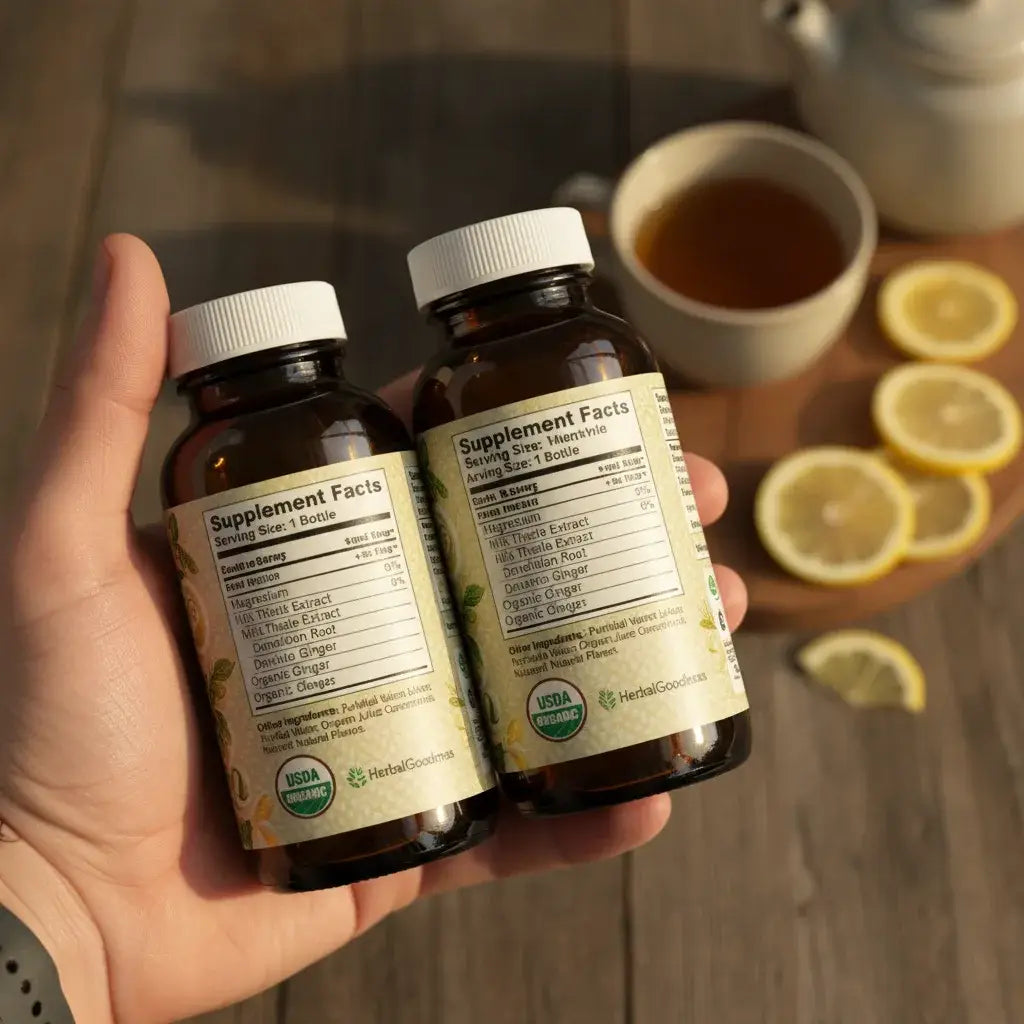
Practical Advice: Certifications are usually found as logos or statements on supplement packaging. Look for clarity—vague claims without seals may be less verifiable. Quality choices such as the Soursop Leaf Tea Graviola Leaves - Organic 24/2g Tea Bags - Immunity & Cell Renew feature badges for organic and other certifications for your convenience.
Simple Questions to Guide Your Cleanse Supplement Search
As you read cleanse supplement labels, ask yourself these key questions:
- What is the source of each primary ingredient?
- Are the extraction method and extract ratio clearly described?
- Are all ingredient amounts transparent, not hidden in a proprietary blend?
- Which certifications are displayed to support quality and purity?
- Are the 'Other Ingredients' minimal and familiar?
Carefully reading and questioning product labels can help you find the right option that best fits your values and wellness approach. For example, those interested in a gentle, traditional method can explore Soursop Bitters - 15X Liquid Extract - Detox & Cell Renew or similar formulas that are open about their extraction potency.
How Herbal Goodness Approaches Transparency
At Herbal Goodness, label clarity and ingredient integrity are a foundational focus. Sourcing organically whenever possible, detailing extract types and ratios, and limiting non-essential additives are part of what sets our products apart—but more importantly, these practices support a community that values both tradition and transparency. When you see Herbal Goodness on a supplement label, you can expect straightforward information, thoughtful sourcing, and an ongoing dedication to education.
Takeaway: Demystifying Cleanse Supplement Labels
Choosing a cleanse supplement doesn’t have to involve guesswork. By understanding terms like 'organic', 'extract ratio', 'standardized extract', and recognizing the function of carriers or fillers, you’re more prepared to select products that genuinely align with your wellness goals. Use the questions above next time you shop, and look for brands that are open about their sourcing, processes, and certifications.
Empowering yourself with knowledge is the first step to feeling confident in your supplement decisions.
FAQs:
- What does 'USDA Organic' mean on a supplement label?
The 'USDA Organic' label means the product contains at least 95% organically produced ingredients, as verified by the U.S. Department of Agriculture. This ensures strict farming and production standards.
- How do extract ratios like 10:1 or 4:1 affect a supplement?
An extract ratio shows how much raw plant was used compared to the final extract. For example, a 10:1 ratio means 10 parts plant for 1 part extract. It indicates concentration, but not necessarily potency.
- What should I look for to avoid unnecessary fillers in cleanse supplements?
Check the 'Other Ingredients' section for common fillers like magnesium stearate or maltodextrin. Choose products with minimal, simple ingredient lists for fewer additives.
- Are proprietary blends less transparent than single-ingredient supplements?
Proprietary blends usually list combined weights for groups of ingredients, not exact amounts for each. For maximum transparency, look for products that specify amounts for every component.
- Why do some herbal supplements use carriers like rice flour or cellulose?
Carriers like rice flour or cellulose help dilute, stabilize, or deliver concentrated plant extracts. They can offer consistency in serving size and help maintain the supplement’s quality.
- Which certifications can help verify supplement quality?
Look for certifications such as USDA Organic, Non-GMO Project Verified, cGMP, and Certified Vegan/Vegetarian. These credentials indicate third-party quality and ethical sourcing standards.
Author Name:
Herbal Goodness Editorial Team
Author Bio:
The Herbal Goodness Editorial Team specializes in holistic health and superfoods, blending science and nature to educate and empower our community.
References:
Introducing Graviola to Young Taste Buds: Fun, Family-Friendly Flavor Exploration
Graviola in the Classroom and at Home: Creative Activities to Teach Kids About Tropical Plants