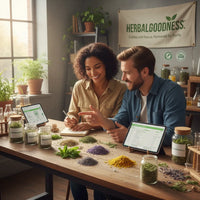





Private-Label Tea Blending Service: How to Prepare Your Brief

Bringing a unique herbal tea blend to life begins with more than just the spark of inspiration; it starts with clear communication. For makers and small brands, working with a private-label tea blending service opens the door to transforming moods—like morning focus or evening calm—and daily rituals into distinctive products. But bridging the gap between creative vision and the final blend requires a focused, approachable brief. This guide will walk you through translating your big ideas into practical steps that ensure your private-label partner can craft a tea that truly reflects your intended experience, flavor, and customer promise.
Understanding the Role of a Private-Label Tea Blending Service
Before diving into the art of briefing, it helps to know what a private-label tea blending service actually does. These professional blenders take your brand's inspiration—whether it’s a desired mood, ritual, or specific audience—and formulate distinctive blends under your label. With their expertise, they help small brands and makers craft products from loose-leaf blends to organic herbal teas, handling details like sourcing, formulation, packaging, and meeting quality standards.
A private-label service isn’t just a supplier—it’s a collaborative partner, helping translate your intent into a taste experience, while also considering requirements like organic certification or allergen constraints. That’s why a thoughtful, well-structured brief makes all the difference in achieving a result that matches your vision.
From Mood or Ritual to Flavor Direction: Getting Specific With Your Vision
The most successful tea blends start with a clear sensory and emotional goal: is your blend meant for energetic mornings, a calming evening break, or perhaps a refreshing midday ritual? Framing your vision in terms of intended mood or ritual gives your tea blender a strong starting point.
Describing the Desired Experience
- Mood: What feeling are you looking for? Words like "uplifting," "calming," "invigorating," or "comforting" help define the objective.
- Ritual: When and how will people enjoy this tea? Is it for morning clarity, winding down at night, or sharing at a social event?
- Inspiration: Mention any personal stories or motifs—nature, nostalgia, or culinary traditions—that might give the blend distinct character.
Translating Ideas Into Flavor Profiles
Once you’ve defined the mood or ritual, imagine what flavors evoke that experience. For example:
- Morning Focus: Citrus, mint, rosemary, or subtle spice notes can make a blend feel bright and awakening.
- Evening Calm: Chamomile, lavender, rose, or soft vanilla can lend to a soothing profile.
- Refreshing Iced Tea: Hibiscus, lemongrass, berries, or cucumber may capture cool, revitalizing qualities.
The more detail you can offer about associations, the easier it is for your blending partner to match your vision. Don’t worry about using technical terms—simple, sensory language is perfectly effective. If you’re looking to create blends that evoke clarity or vibrancy, including botanicals such as those in Soursop Leaf Tea | Organic Graviola 24 Bags – Immunity & Cell Renew can help.
Ingredient Priorities: Organic, Allergen-Free, and Caffeine Considerations
Selecting the right ingredients is another vital part of your brief, especially if your brand values clean-label, organic, or allergen-free options. Here’s how to detail your preferences:
Setting Ingredient Constraints
- Organic Sourcing: If organic certification matters, request "all botanicals must be USDA organic" or "prefer certified organic whenever possible."
- Allergen Awareness: If your blend needs to be free from common allergens like nuts or gluten, clarify this clearly. For example, "All ingredients must be free of nut and gluten allergens."
- Caffeine Content: State whether you want a caffeine-free, low-caffeine, or high-caffeine blend. For evening teas, caffeine-free herbs like rooibos or chamomile are excellent. Consider Organic Papaya Leaf Tea | 24 Premium Bags – Caffeine-Free, especially if you’re striving for gentle, bedtime blends.
- Other Preferences: You may want non-GMO, fair-trade, or vegan ingredients—state those upfront if they are non-negotiable elements of your brand promise.
Communicating Ingredient Exclusions or Preferences
Simple lists help: “Please avoid licorice, ginger, and cinnamon” or “Prefer floral notes, minimal earthy flavors.” If you want to highlight antioxidant benefits or support immune wellness, consider Organic Hibiscus Tea 24 Bags | Heart Health & Antioxidant Wellness for your inspiration.
Flavor Balance: Sweet, Spicy, Fruity, and More
Identifying not just the base notes, but also other flavors—like sweet, sour, bitter, or spicy accents—help your blender achieve a more nuanced result. Consider:
- Sweet: Naturally sweet botanicals (like stevia leaf or apple pieces) versus sugar additives.
- Spicy: Light warmth (cardamom, ginger) or bold spice.
- Fruitiness: Tangy berries, citrus, or apple for a fresh finish.
You don’t need expertise in flavor chemistry; describing your favorite teas or flavors you wish to emulate is plenty. If your customers rave about a specific taste—note it in your brief. Some brands opt to use our organic herbal teas as a versatile starting point for custom blends that require a combination of sweet and spicy notes.
Sample Expectations: From Prototype to Final Blend
The sampling process is your opportunity to experience firsthand what your customers will taste. Being clear about your expectations and feedback method up front makes for effective collaboration.
Requesting and Reviewing Samples
- Sample Quantity: Clarify if you want 2-3 options for comparison.
- Feedback Format: Decide if you’ll give feedback solo or with a panel. Make space for notes on flavor, aroma, and appearance.
- Tweak Requests: Note what adjustments you’d like, such as "a touch less floral" or "more citrus brightness."
Most private-label services, including those trusted by discerning brands like Herbal Goodness, have established processes for sampling and iterating—your brief helps ensure this step stays focused and efficient.

Packaging Preferences Made Simple
Packaging may seem secondary, but it’s integral to your tea’s shelf appeal and freshness. When briefing your partner, include both aesthetic and functional needs:
Clarifying Design Needs
- Label Style: Share if you want a minimalist, colorful, or nature-inspired look.
- Material Preferences: Specify if you prefer biodegradable, resealable, or premium tins.
- Regulatory Elements: If needed, request help with including ingredient lists or best-by dates.
For small brands, cafés, and wellness entrepreneurs looking to turn a concept into a market-ready product, click here to get started as a retailer or wholesaler and explore private-label tea blending and bulk partnership opportunities tailored to your brand.
Shelf Life and Storage
Quality tea depends on careful storage. Communicate any shelf-life expectations (“minimum 12 months shelf life in sealed packaging”) and intended storage environment (“products will be displayed at room temperature, away from direct sun”). Products like our Bulk Herbs collection offer options for brands that want larger format or DIY-focused blends with long shelf life.
Guidance for an Effective, Non-Technical Brief
Your brief doesn’t have to be technical or filled with industry jargon—clarity, context, and honesty are more valuable than perfection. Here are practical steps to follow:
- Summarize Vision in One Sentence: “I want a caffeine-free herbal tea that feels like a warm hug at bedtime.”
- List Must-Haves and Must-Not-Haves: Ingredients, certifications, or sourcing priorities.
- Describe Desired Flavor Notes: Use everyday language—"a bit tart, very soothing, not too floral."
- Communicate Packaging Wishes: Simplified, eco-friendly, or statement-making.
- Request Sample and Feedback Plan: How many samples, and how will you send input?

Working with Your Private-Label Tea Blending Partner
Open, transparent conversation is key to building a partnership that brings your vision to life. Don’t hesitate to ask questions or seek advice on practical aspects like shelf stability, sourcing rare botanicals, or creating blends suitable for a range of customer moods. Products such as Soursop Leaf Graviola Extract 15X Liquid | Organic Cell & Immunity can add wellness benefits and flavor depth to your custom blends.
Makers and small brands can benefit from the know-how of blending experts who are skilled in translating even the simplest inspiration into premium private-label tea blends. A clear, concise, and thoughtful brief is the first step toward a lasting, fruitful collaboration.

Pathway to a Flavor-First Tea Product: Steps at a Glance
For easy reference, here’s a beginner-friendly checklist to help you structure your brief:
- Define the Mood or Ritual: When and why will your tea be enjoyed?
- Translate Into Flavors: What tastes, aromas, or textures align with that experience?
- List Ingredient Priorities: Organic, allergen-free, caffeine level? Clarify must-haves and exclusions.
- Sample Expectations: How many rounds? What’s your preferred feedback style?
- Packaging & Shelf Life: Simple, eco, premium? Expected storage and display environment?
- Summarize and Share: Keep it brief but complete, using everyday language.
By following this guide, you’ll confidently brief any private-label tea blending service—turning your dream of a mood-driven, ritual-inspired herbal tea product into reality.
If you’re ready to develop and launch your own custom tea line with a trusted blending partner, click here to get started as a retailer or wholesaler and access private-label and bulk supply solutions built for growing brands.
FAQs:
- What is a private-label tea blending service and how does it work?
A private-label tea blending service partners with brands and makers to create unique tea blends tailored to their specifications. They handle formulation, ingredient sourcing, blending, and packaging under your label, translating your creative direction into a finished product ready for sale.
- How can I communicate the mood or ritual I want my tea blend to evoke?
Use simple, sensory descriptions in your brief—such as “invigorating for mornings” or “calming for relaxed evenings.” Describe when the tea will be enjoyed and what feeling or atmosphere you hope to capture, giving your blending partner context for flavor direction.
- What ingredient details should I include in a tea blending brief?
Clearly state any requirements like organic sourcing, allergen avoidance, caffeine content, or other dietary preferences. List both must-have and must-not-have ingredients to help the blend meet your brand’s standards and target customers.
- How do I request and review blend samples from a private-label tea partner?
Specify how many sample blends you’d like (usually 2-3), provide feedback based on taste, aroma, and visual appeal, and communicate any adjustments clearly. This collaborative process helps fine-tune the blend to match your vision before production.
- What packaging and shelf life considerations should I mention for private-label tea blends?
Include preferences for packaging materials (biodegradable, resealable, tins), labeling style, and desired shelf life (for example, minimum 12 months). This ensures the tea remains appealing and fresh for buyers from shelf to cup.
- Can I request full organic or allergen-free tea blends from a private-label service?
Yes, most reputable private-label tea blenders—including Herbal Goodness partners—can accommodate fully organic and allergen-free requests. Be explicit in your brief to ensure compliance with your brand’s standards.
- How detailed should my brief be if I’m new to tea blending?
Keep your brief clear and concise, focusing on the intended mood, preferred flavors, key ingredient requirements, and basic packaging wishes. Everyday language and honest goals are more important than technical detail for a productive collaboration.
Author Name:
Herbal Goodness Editorial Team
Author Bio:
The Herbal Goodness Editorial Team specializes in holistic health and superfoods, blending science and nature to educate and empower our community.
References:
Introducing Graviola to Young Taste Buds: Fun, Family-Friendly Flavor Exploration
Graviola in the Classroom and at Home: Creative Activities to Teach Kids About Tropical Plants