





Private-Label Herbal Supplements: How to Write a Manufacturer Brief

Entering the world of private-label herbal supplements can be exciting, but bridging the gap between your vision and a manufacturer's capabilities starts with clear communication. One of the first—and most essential—steps is preparing a well-structured product brief that outlines your expectations, specifications, and priorities for your private-label herbal supplement. Whether you're a small brand, an established buyer venturing into new categories, or just beginning to explore supplement offerings, learning how to write a product brief for a private-label herbal supplement sets your project up for smoother production, fair cost assessments, and higher quality results.
In this beginner-friendly guide, we break down the core elements every manufacturer wants to see in your private-label supplement brief.
Why a Detailed Product Brief Matters for Herbal Supplement Manufacturers
A comprehensive product brief provides the foundation for transparent communication between brands and manufacturers. It gives both sides a clear reference point, helps avoid mid-project misunderstandings, and lays out all expectations upfront. By compiling the essential information, brands allow manufacturing partners to evaluate feasibility, expected costs, and potential production timelines efficiently—without the back-and-forth that can cause delays.
Clarifying Your Herbal Supplement’s Format and Delivery Method
One of the earliest decisions in your product brief is specifying the format you want your herbal supplement to take. Common delivery forms include:
- Liquid extracts (for easy mixing, sublingual use, or liquid blends)
- Powders (ideal for mixing into drinks or adding to foods)
- Capsules (convenient, pre-measured supplementation)
- Teas (herbal blends designed for brewing)
Each format comes with unique processing requirements and may affect ingredient selection, cost, and packaging. Make your preferred format clear in the brief, but allow for a conversation with your manufacturer about what’s feasible given your ingredient, dose, and market vision.
Think about your target customers’ preferences, the ease of use, and how you intend to position your product in the market. For example, Herbal Goodness often notes that consumers seeking gentle, daily supplementation may favor capsules, while wellness enthusiasts who value ritual might prefer teas or drops. If exploring capsule options for your supplement line, you might look at products like Papaya Leaf Blood Support Capsules 10X | 60ct – Platelet Wellness as inspiration for high-potency, botanically-focused capsule formulas.
Join our Retailer & Wholesaler Interest List to receive updates on private-label supplement formats, bulk pricing access, and new manufacturing capabilities.
Specifying Ingredient Choices and Sourcing Preferences
Your brief should identify:
- The main herbal ingredient(s) (e.g., moringa, guava leaf, papaya seed)
- Supporting or complementary botanicals (if any)
- Any carrier or base ingredients (like glycerin for extracts or cellulose capsules)
Be as precise as possible, including desired plant parts (leaf, seed, root), suggested percentages of actives (if known), and target potency per serving. Consider the popularity of leading liquid botanicals such as Soursop Leaf Graviola Extract 15X Liquid | Organic Cell & Immunity, known for its nutrient concentration and immune support benefits.
Describe your preferences for sourcing, such as:
- Organic or non-GMO requirements
- Domestic versus international sourcing
- Preferred countries of origin
- Sustainable or fair-trade certifications
Manufacturers appreciate clarity, as these details impact ingredient availability, pricing, and certification feasibility. Many popular teas and powders, such as Organic Papaya Leaf Extract 16oz | 15X Liquid – Best Value Size, boast USDA Organic and non-GMO labels, giving examples for certifications to include in your brief.
Outlining Desired Certifications and Quality Standards
Certifications act as quality benchmarks and signals to consumers. If your supplement must meet certain standards, indicate them in your brief, such as:
- USDA Organic
- Non-GMO Project Verified
- Kosher or Halal
- Gluten-free, vegan, allergen-free
- cGMP (current Good Manufacturing Practices) compliant facility
List all mandatory certifications, noting which are non-negotiable and which are preferred but flexible. Being upfront saves time for both sides, particularly if certain ingredients or processes affect certification eligibility.
Detail Packaging Specifications for Your Private-Label Herbal Supplement
Explain your desired packaging type:
- Bottles (glass or plastic? Color preference?)
- Jars, sachets, pouches, or blister packs
- Size (e.g., 60-count capsules, 8oz powder, 30 servings per bottle)
Manufacturers may provide templated options or allow you to design custom labels. Note:
- Branding elements you want included
- Space for supplement facts and required information
- Your plans for compliance reviews of labels prior to print
If you want eco-friendly options or unique sizes, reviewing best-sellers like Raw Sea Moss 8oz Bag | St. Lucia Wildcrafted – Nature's Multivitamin (for bagged formats) or capsule bottles gives you practical packaging references. Include requests for child-resistant caps, tamper-evident seals, recyclable materials, or other packaging features that support your vision and values.
Establishing Sample Requests and the Approval Process
Sampling is a common part of private-label supplement development. Indicate in your brief:
- Which sample stages you require (e.g., ingredient sample, pilot batch, final production sample)
- Quantity of samples needed
- Any sensory, visual, or analytical testing you plan to perform
For example, before approving a liquid extract supplement such as Blood Platelet Support with Papaya Leaf | Organic 15X Liquid Extract, your sample request might include comparative taste and viscosity checks to ensure consistency and palatability. Describe your ideal approval process, from initial sample delivery through to production sign-off. The more specific your expectations, the more precise manufacturer timelines and cost estimates will be.
Setting Realistic Production Timelines and Milestones
Timelines can vary greatly depending on ingredient sourcing, production capacity, and packaging complexity. Outline your ideal schedule for:
- Brief review and manufacturer response
- Ingredient sourcing and formulation
- Sample development and feedback cycle
- Full order production and delivery
Be clear about any key launch dates or seasonal needs (e.g., inventory for holiday promotions) so manufacturers can flag potential pinch-points as early as possible.

Sharing Forecasted Volumes and Flexibility
If you know your anticipated order quantities, communicate them in the brief. Include:
- Ideal initial batch size
- Estimated reorder cadence (monthly, quarterly, etc.)
- Willingness to scale up or down as needed
This information allows manufacturers to assess their operational fit and prepare accurate quotes. Referencing top-selling categories such as Soursop Graviola Leaf Extract Capsules 10X | 60ct – Cell & Immunity can help project standard batch sizes for capsules or other formats in your own proposal.
Budget Parameters and Cost Considerations
Being open about expected price range and production budget helps manufacturers tailor their proposals—from ingredient grades to packaging options—realistically from the outset. Specify:
- Per-unit price targets (if any)
- Maximum allowable budget
- Factors where you are flexible (e.g., premium ingredients vs. standard packaging)
Manufacturers appreciate honesty, ensuring that time isn’t lost quoting formulations or features beyond the project’s financial scope. Use the pricing on best-value bulk liquid extracts like Organic Papaya Leaf Extract 16oz | 15X Liquid – Best Value Size as a benchmark for budgeting discussions.

Including Contact Information and Communication Preferences
End your product brief by listing your primary point of contact, preferred method of communication (email, phone, project management portal), and expected response timeframes. Clear lines of communication speed up clarifications and keep projects moving efficiently.
Common Pitfalls When Writing a Product Brief for Private-Label Herbal Supplements
While clarity and detail are critical, certain missteps can create confusion:
- Omitting essential information (such as ingredient part or dosage)
- Being overly rigid on specs without market or cost research
- Ignoring feasibility feedback from manufacturers
- Including restricted medical claims (stay focused on structure, quality, and safety, not unapproved promises)
- Not specifying packaging or labeling compliance needs
Review your brief for completeness and practicality to ensure smooth progress.
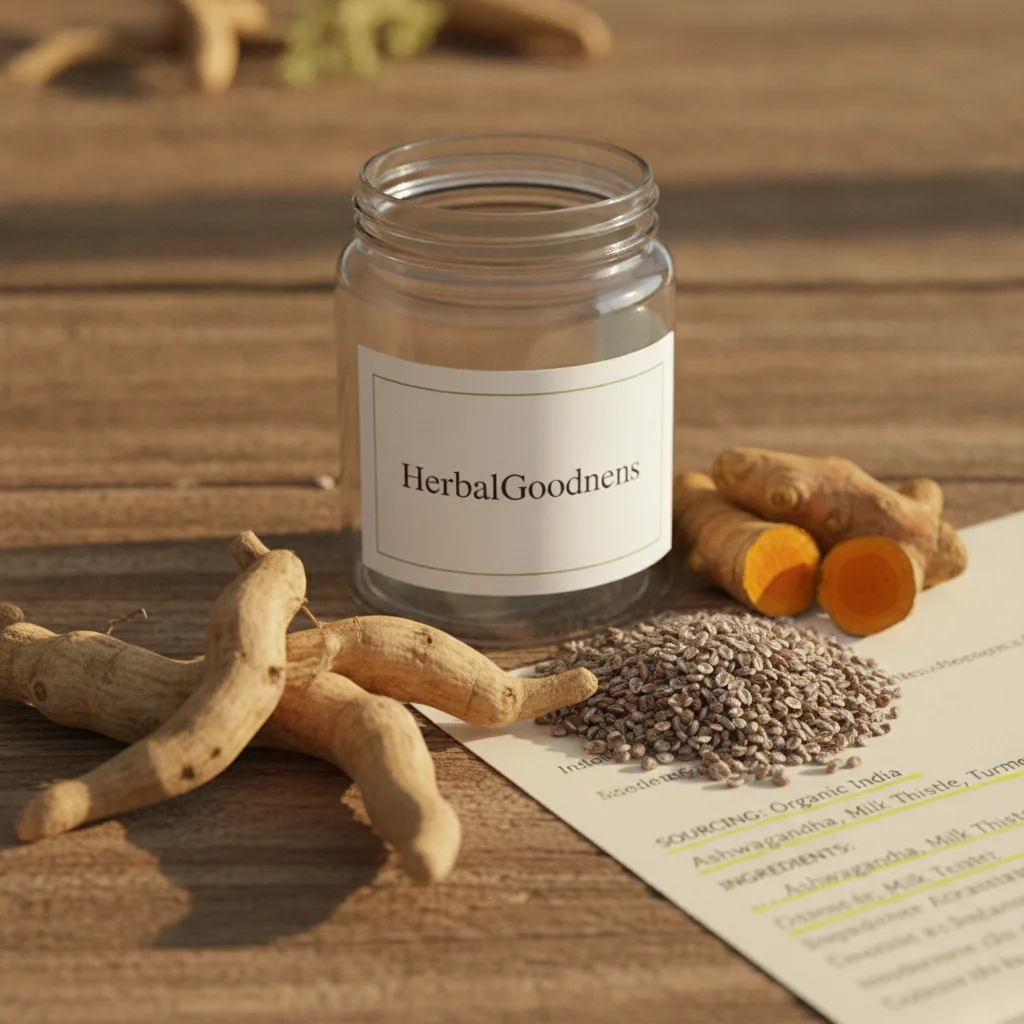
A Simple Outline for Your Private-Label Herbal Supplement Product Brief
To streamline your process, use this overview to guide your brief:
- Product Concept & Format: Description, supplement form (capsule, powder, liquid, tea) — Get ideas from products such as Soursop Leaf Tea | Organic Graviola 24 Bags – Immunity & Cell Renew.
- Key Ingredients & Sourcing: Main herbs, sourcing preferences, desired origin or certifications
- Certifications Needed: Organic, non-GMO, Kosher, allergen-free, etc.
- Packaging Specs: Type, size, branding, sustainability notes
- Sample Requests: For which stages, quantity, approval process
- Production Timelines: Key milestones, deadline needs
- Forecast Volumes: Order size, expected reorders
- Budget: Cost targets, areas of flexibility, priorities
- Contact Info: Project lead, communication method
Collaborating Effectively with Your Manufacturer
After sending your first brief, remain open to feedback and dialogue. The most successful private-label supplement releases come from honest, upfront communication and a willingness to adapt when constraints arise. Manufacturers like Herbal Goodness, rooted in supply chain transparency and best-in-class ingredient standards, are more likely to meet your vision if your brief facilitates a collaborative partnership.
Taking the time to prepare a thoughtful, detailed product brief not only streamlines your journey into private-label herbal supplements but also supports higher-quality product outcomes, accurate budgeting, and time savings for all parties involved.
Join our Retailer & Wholesaler Interest List to access private-label manufacturing opportunities, bulk pricing updates, and priority availability for herbal supplement production.
FAQs:
- What should be included in a private-label herbal supplement product brief?
A product brief should detail the supplement format, primary and supporting ingredients, sourcing preferences, required certifications, packaging specifications, sample requests, estimated production timelines, forecasted volumes, budget ranges, and clear contact information.
- Why is specifying supplement format important when working with manufacturers?
Stating your preferred format—such as capsules, powders, liquid extracts, or teas—guides manufacturers on production methods, ingredient compatibility, and influences packaging and cost estimates.
- How do ingredient sourcing preferences affect the feasibility of a private-label supplement?
Preferences like organic sourcing, country of origin, or sustainable harvesting can impact ingredient availability, cost, and certification options. Being specific helps manufacturers assess and quote accurately.
- Which packaging details should be highlighted in a product brief for herbal supplements?
Clearly specify type (bottle, pouch, jar), material (glass or plastic), size/servings, custom branding or labeling needs, and any special requests like eco-friendly or child-resistant features.
- When should you discuss sample requests with your manufacturer?
Include sample requests in the initial product brief and outline the types and quantities needed, as well as the approval criteria, to ensure both parties understand the process and timelines.
- How can realistic timelines and volumes benefit both brands and manufacturers?
Providing estimated order sizes and deadlines helps manufacturers plan resources, avoid delays, and deliver more accurate cost and production schedules for your supplement project.
Author Name:
Herbal Goodness Editorial Team
Author Bio:
The Herbal Goodness Editorial Team specializes in holistic health and superfoods, blending science and nature to educate and empower our community.
References:
Introducing Graviola to Young Taste Buds: Fun, Family-Friendly Flavor Exploration
Graviola in the Classroom and at Home: Creative Activities to Teach Kids About Tropical Plants
Why Social Impact Matters in Plant-Based Wellness