




Papaya Seed Supplements Demystified: Formats, Labels, and How to Choose

When it comes to exploring the world of superfoods and plant-based supplements, papaya seed supplements are gathering attention for their unique profile and versatile uses. With a range of choices available—each with specific labels, extraction techniques, and practical features—it can be challenging to know which type of papaya seed supplement fits your daily wellness routine. This guide unpacks the mysteries behind papaya seed supplement formats, helps you interpret common label jargon, and provides thoughtful questions to match your product choice with your preferred lifestyle or routine.
Papaya Seed Supplement Formats Explained
Papaya seed supplements aren’t a one-size-fits-all affair. To help you navigate the options, let’s break down the most common formats you’ll see, and what they are often appreciated for.
Papaya Seed Powder
Powdered papaya seed is made by drying and finely grinding the seeds. Known for its earthy, subtly spicy flavor, it can be easily mixed into smoothies, yogurts, or sprinkled over foods.
- Best For: Culinary uses, adding a punch to cereals or shakes, or as a convenient way to integrate whole ground seeds into a variety of recipes.
- What to Look For: Labels often state “raw” or “toasted” powder. Raw preserves the natural compounds, while toasted offers a milder, nuttier flavor.
Seeking a straightforward powder for recipes? Organic Papaya Seed Powder 4oz | Gut Cleanse & Digestive Support makes it easy to stir a measured amount into your favorite dishes.
Papaya Seed Oil
Papaya seed oil is extracted by cold-pressing the seeds, resulting in a lightweight, golden oil. Traditionally valued for topical and culinary applications, it is appreciated for its smooth texture.
- Best For: Skincare routines, massage oils, or culinary drizzling. Some enjoy it as a nourishing addition to facial serums or hair products.
- What to Look For: “Cold-pressed” on the label indicates minimal heat exposure and higher preservation of natural properties.
If your interest leans toward topical care, consider complementing your routine with formulas containing similar botanicals—Radiantly Good Looking - 2fl.oz - Skin & Anti-Aging is crafted for skin and anti-aging needs.
Papaya Seed Capsules
Encapsulated papaya seed offers a fuss-free and portable way to include papaya seed in your daily regimen. Inside the capsule is usually finely ground seed, sometimes blended with other plant-based ingredients.
- Best For: Those with busy schedules or seeking pre-measured servings, and for individuals who prefer not to taste the seed directly.
- What to Look For: “Vegetarian capsules” versus gelatin, additive-free, and single-ingredient formulas for a cleaner label.
For easy, measured serving sizes, Papaya Seed Powder - 60/600mg Capsules - Gut & Colon Cleanse provide a simple way to integrate supplementation into your routine at home or on the go.
Papaya Seed Tinctures
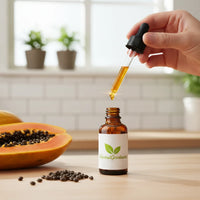
A tincture is a concentrated liquid extract, usually made by steeping seeds in alcohol or glycerin. This results in a potent, easy-to-use dropper format.
- Best For: Quick daily supplementation by adding drops to water or juice, or seeking a highly concentrated product.
- What to Look For: “Alcohol-free” tinctures use glycerin as a base and offer a mild, sweet taste.
Some shoppers prefer a broader spectrum tincture that also focuses on gut and colon support, such as Papaya Seed - Organic 15X Liquid Extract - Colon & Gut Cleanse.
Papaya Seed Topical Infusions
Topical infusions incorporate papaya seed extract into creams, balms, or oils designed for use on the skin. These products are typically formulated with additional botanical oils.
- Best For: Skin massage, body oils, and botanical self-care rituals.
- What to Look For: Ingredient lists should place papaya seed oil or extract high on the label, signaling a significant amount is included.
Herbal-infused blends like Radiantly Good Looking - 2fl.oz - Skin & Anti-Aging are well-suited for those who appreciate botanical rituals in their skincare.
How to Decode Papaya Seed Supplement Labels
Navigating supplement labels can feel daunting, but a few simple tips can help you become a confident, informed shopper.
Sourcing and Purity Indicators
- Non-GMO: Indicates the papaya seeds come from non-genetically modified plants. This is typically sought by those wanting to avoid GMOs in their supplements.
- Organic: Certified organic means the plants are grown without synthetic pesticides or fertilizers. Not all papaya seed products are organic, so this term can be a differentiator.
- Wildcrafted: Wildcrafted papaya seed is sourced from wild plants, not cultivated farms, and may appeal to those who value sustainability.
Extraction and Processing Terms
- Cold-Pressed: Signifies low-heat extraction for oils, which can maintain natural characteristics and nutrients.
- Standardized Extract: Indicates the extract is calibrated to specific concentrations, typically making comparison between brands easier.
- Raw: Suggests minimal heat or processing, helping retain the natural profile of the seeds.
- Third-party tested: This means an independent laboratory has verified the supplement’s contents and composition. It’s a mark of transparency and commitment to quality.
If your goal is a supplement backed by transparency, products like Papaya Seed - Organic 15X Liquid Extract - Colon & Gut Cleanse often highlight organic certification and clear labeling for peace of mind.
Ingredient Lists and “Other Ingredients”
- Single-ingredient: Many consumers look for pure papaya seed as the only listed ingredient.
- Blends: Sometimes papaya seed is combined with other fruit powders or botanical extracts. Read these closely to know exactly what you’re getting.
- Additives and Fillers: Shorter, simpler ingredient lists generally mean fewer additives. Avoid options with a long list of synthetic binders or fillers if you prefer a more natural product.
Common Extraction Methods for Papaya Seed Supplements
The extraction and production process can influence the supplement’s qualities. Here’s what’s typically involved—without getting overly technical.
Grinding and Milling for Powders & Capsules
After cleaning and drying, papaya seeds are milled to produce a fine powder. This is either directly packaged as a powder or encapsulated.
- Gentle, low-heat processing preserves beneficial components.
- Some brands toast the seeds first for a milder taste.
If you’re searching for a straightforward way to use papaya seed, Organic Papaya Seed Powder 4oz | Gut Cleanse & Digestive Support delivers the convenience of powdered form for versatile kitchen or supplement applications.
Cold-Press Extraction for Oils
Cold-pressing involves mechanically pressing seeds to extract oil at a low temperature.
- No solvents or high heat, preserving flavor and consistency.
- Produces oil suitable for culinary or topical use.
Alcohol or Glycerin Extraction for Tinctures
Tinctures are made by soaking seeds in a solvent like alcohol or vegetable glycerin.
- Extracts concentrated plant constituents.
- Glycerin yields an alcohol-free, often sweeter option.

Practical Questions to Help You Choose the Right Format
There’s no universally “best” papaya seed supplement; the right option depends on your routine, preferences, and intended uses. Consider these guiding questions:
- How do you prefer to incorporate supplements? Do you enjoy adding powders to smoothies, or would you rather take a capsule with your morning beverage?
- Is taste a factor? Powders and oils have flavors that some people savor, while capsules and tinctures are more neutral.
- Are you seeking topical applications? If so, look for oils and infusions labeled for external use.
- Do you value organic, non-GMO, or wildcrafted sourcing? Decide what matters most for you when scanning labels.
- Do you want to avoid alcohol in your supplements? Glycerin-based tinctures or capsules may be the answer.
- Do you prefer a quick, portable dose? Capsules and tinctures fit seamlessly into travel or work routines.
Exploring multiple formats? Trying both Papaya Seed Powder - 60/600mg Capsules - Gut & Colon Cleanse and the liquid Papaya Seed - Organic 15X Liquid Extract - Colon & Gut Cleanse can offer flexibility depending on your schedule.
Integrating Papaya Seed Supplements Into Your Day
Once you’ve chosen a format, how can you easily make papaya seed supplements part of your daily routine? Here are some gentle suggestions:
- For culinary creativity: Stir a pinch of Organic Papaya Seed Powder 4oz | Gut Cleanse & Digestive Support into yogurt, salad dressings, or even sprinkle on avocado toast.
- On the go: Pop a Papaya Seed Powder - 60/600mg Capsules - Gut & Colon Cleanse capsule with water during your breakfast routine or toss a tincture bottle into your bag for a midday pick-me-up.
- Self-care rituals: Massage a few drops of Radiantly Good Looking - 2fl.oz - Skin & Anti-Aging into your skin after a shower or blend into your evening skin care products.

Whatever your preference, start low and adjust over time as you get familiar with the experience and flavor.

Reading Papaya Seed Supplement Labels: Red Flags and Tips
Empowering yourself as a label reader ensures your supplement aligns with your values and quality expectations. Watch for:
- Overly complex ingredient lists
- Artificial dyes or preservatives
- Unverified supplement claims
- Lack of sourcing information
Brands like Herbal Goodness, for example, often highlight their sourcing transparency and commitment to ingredient integrity, which may assist your product selection process.
Why Format and Quality Matter
Choosing the right papaya seed supplement format for your routine not only affects convenience, but also shapes your daily enjoyment and overall satisfaction. Whether it’s flavor, sourcing, or application method, understanding each detail supports more mindful decisions and helps you craft a routine that feels uniquely yours.
By approaching your search with curiosity and a few helpful questions, you’ll shift from overwhelmed to informed—one label at a time.
FAQs:
- What are the most common papaya seed supplement formats?
Papaya seed supplements are available as powders, oils, capsules, tinctures, and topical infusions. Each serves different practical uses, from culinary applications to daily supplementation or topical rituals.
- How do I read labels on papaya seed supplements?
Look for key terms like non-GMO, organic, cold-pressed, raw, and third-party tested. Check the ingredient list for single-source or blended formulas, and ensure the sourcing details match your values.
- What extraction method is best for papaya seed supplements?
Cold-pressed is favored for oils, preserving natural compounds with minimal heat. Powders and capsules usually use milling, while tinctures involve alcohol or glycerin extraction. The best method depends on your intended use.
- Can I use papaya seed powder in food?
Yes, papaya seed powder fits well in smoothies, yogurts, dressings, or sprinkled on foods. Start with small amounts to learn its flavor profile and culinary versatility.
- Are there alcohol-free options for papaya seed tinctures?
Yes, some tinctures use vegetable glycerin instead of alcohol, which offers a milder taste and suits those avoiding alcohol-based extracts.
- What should I watch out for when choosing a supplement?
Prefer simple ingredient lists, look for transparency in sourcing, and verify quality markers like third-party testing or organic certification when available.
- How can I know if a papaya seed product is suitable for topical use?
Look for labels that indicate 'for external use' or reference topical applications, and ensure papaya seed oil or extract appears high in the ingredient list.
Author Name:
Herbal Goodness Editorial Team
Author Bio:
The Herbal Goodness Editorial Team specializes in holistic health and superfoods, blending science and nature to educate and empower our community.
References:
Introducing Graviola to Young Taste Buds: Fun, Family-Friendly Flavor Exploration
Graviola in the Classroom and at Home: Creative Activities to Teach Kids About Tropical Plants
Why Social Impact Matters in Plant-Based Wellness