




Papaya Powder vs Papaya Seeds: Key Differences, Uses, and Tips

Curiosity about papaya’s many forms is growing as more people explore tropical superfoods beyond the basics. Two options—papaya powder and papaya seeds—often come up in ingredients lists, smoothies, and home wellness recipes. But what exactly sets them apart? What does “papaya powder” even mean, and when is it better to use seeds vs. powders? This article unpacks the origins, uses, and characteristics of papaya powder (including fruit, seed, and leaf powder varieties) compared to whole papaya seeds, empowering you to explore each with confidence in your kitchen and beyond.
Understanding Papaya Powder: Fruit, Seed, and Leaf Varieties
Papaya powder isn’t just one thing—it can refer to several distinct preparations derived from different parts of the Carica papaya plant. Understanding these differences is essential before you decide which to use.
Papaya Fruit Powder
Papaya fruit powder is made by dehydrating ripe papaya flesh and grinding it into a fine, sweet, orange-colored powder. This process preserves many of the fruit’s nutrients and its characteristic flavor. Papaya fruit powder is often used in smoothies, desserts, and as a sprinkle over cereals or yogurt. Its light, tropical sweetness and subtle floral notes make it a popular natural ingredient in both culinary and DIY beauty recipes.
Papaya Seed Powder
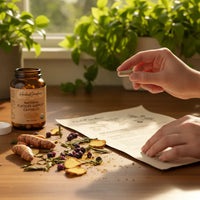
Papaya seed powder comes from mature, dried papaya seeds. Once thoroughly dried, the seeds are ground into a coarse or fine powder. The resulting product retains the seeds’ distinctive sharp, peppery, and slightly bitter taste. The aroma and flavor of papaya seed powder are more pronounced than papaya fruit powder, and it can bring a tangy kick to savory dishes, salad dressings, or homemade spice blends. For those seeking a ready-to-use supplement, Organic Papaya Seed Powder 4oz | Gut Cleanse & Digestive Support offers a convenient way to add this unique ingredient to your pantry.
Papaya Leaf Powder
Less commonly, you may encounter papaya leaf powder—produced by drying papaya leaves and grinding them into a green, earthy-tasting powder. While its culinary appeal is less pronounced than that of fruit or seed powder, some people use it as an herbal addition to teas, smoothies, or wellness blends, appreciating its bitter, grassy character and traditional reputation in tropical regions. A liquid option such as the Papaya Leaf Extract 16oz – Organic 15X Liquid Papaya Leaf Herbal Supplement can be useful for various wellness routines.
What Are Papaya Seeds?
Papaya seeds are the small, round, black seeds found inside the papaya fruit. When fresh, they are encased in a gelatinous sac and have a polish-like shine. Their flavor is often compared to black pepper or mustard seeds—sharp, pungent, and slightly bitter. Papaya seeds can be enjoyed whole (fresh, dried, or ground) or as papaya seed powder, making them a highly versatile part of the fruit.
How Are Papaya Powders and Seeds Processed?
A look at sourcing and preparation helps clarify the distinctions between these forms.
Fruit Powder Processing
- Selection: Ripe, high-quality papaya fruits are selected.
- Preparation: The fruit is peeled and deseeded.
- Dehydration: The flesh is sliced and dried at gentle temperatures to retain nutrients and flavor.
- Grinding: Once dry, the pieces are finely ground to a smooth-textured powder.
- Storage: The powder is stored in airtight containers to protect from moisture and preserve freshness.
Seed Powder Processing
- Harvesting: Seeds are scooped from mature papaya fruits.
- Washing and Drying: Seeds are cleaned and thoroughly dried.
- Grinding: Dried seeds are ground into a coarse or fine powder, similar in texture to ground pepper. You can try encapsulated options like Papaya Seed Powder - 60/600mg Capsules - Gut & Colon Cleanse for convenience and dose control.
- Storage: Like fruit powder, seed powder requires airtight storage.
Leaf Powder Processing
- Harvesting: Healthy, mature leaves are harvested.
- Washing and Drying: Leaves are rinsed and dried, either naturally or in a dehydrator.
- Grinding: Dried leaves are powdered.
- Storage: Stored in a cool, dry location to avoid clumping or nutrient loss.
Papaya Seeds Preparation
- Fresh Use: Scoop directly from ripe fruit, rinse, and use with their gelatinous coating or dry for later use.
- Drying: Spread seeds on a tray in a cool, dry place until hard and crisp.
- Grinding: Dried seeds can be used whole or ground for immediate use.

Key Differences: Flavor, Texture, and Culinary Versatility
When exploring these ingredients, it’s important to recognize how each stands out in flavor, texture, and kitchen applications.
Flavor Profiles
- Fruit Powder: Sweet, mild, and subtly fruity with floral undertones. Excellent for naturally boosting sweetness and color in recipes.
- Seed Powder (and Whole Seeds): Sharp, peppery, and slightly bitter. Provides a bold, savory punch, making it a unique substitute for black pepper. Those preferring a liquid format for digestive support may consider Papaya Seed - Organic 15X Liquid Extract - Colon & Gut Cleanse for culinary or wellness uses.
- Leaf Powder: Grassy, earthy, and noticeably bitter; often used for its botanical attributes rather than taste.
Texture and Mouthfeel
- Fruit Powder: Fine, soft, and easily incorporated; dissolves well in moist preparations.
- Seed Powder: Coarse and gritty or finely ground (depending on processing). Whole seeds have a hard, crunchy bite.
- Leaf Powder: Flaky or powdery, with a texture similar to other dried leafy herbs.
Best Uses in the Kitchen
- Papaya Fruit Powder:
- Smoothies
- Homemade ice cream and desserts
- Sprinkled on yogurt, oatmeal, or fruit salad
- Mixed into pancake or muffin batter for a tropical flair
- Papaya Seed Powder and Whole Seeds:
- Salad dressings (as a spicy, peppery element)
- Seasoning meats, tofu, or vegetables before grilling or roasting
- Blended into dips and spreads
- Used as a black pepper alternative
- Papaya Leaf Powder:
- Steeped into herbal teas
- Added sparingly to blended juices or smoothies
- Occasionally featured in DIY botanical blends

Beyond the Kitchen: Herbal and DIY Applications
Papaya’s components have been traditionally valued in various cultures. While culinary uses are most common, some also appreciate papaya seed and leaf powders in:
- Homemade face masks (as gentle exfoliants)
- Body scrubs (especially seed powder)
- Crafting botanical sachets or herbal blends
- Infusions for non-medical DIY wellness routines
Always ensure the powder or seeds are food-grade and free of any processing additives. Avoid ingesting large amounts of papaya seeds or powders without researching traditional practices and consulting credible sources. For those focused on blood platelet support, Papaya Leaf Extract 10X - 600mg Capsule - Platelet & Digestive Aid combines ease and efficacy in a supplement form.
Reading Papaya Labels: What Should You Look For?
With so many forms of papaya available, understanding what’s actually in the package is essential. Here’s how to confidently choose the right product:
- Check the Specific Part Used: Does the label specify 'fruit powder', 'seed powder', or 'leaf powder'? Look for clear language.
- Ingredient List: Look for pure, single-ingredient products. Fillers or additives are sometimes added, especially in blends.
- Processing Method: Air-dried, freeze-dried, and low-temperature dehydration are ideal for preserving natural qualities.
- Certifications: Organic, non-GMO, and food-grade certifications from reputable third parties (such as USDA Organic) add transparency.
If you are unsure which version to pick, the Papaya Leaf Extract Blood Support - 10X 60/450mg Capsules - Blood Platelet product clearly states its source and processing transparency on the label.
Sourcing and Quality Tips
Selecting quality papaya powders and seeds is essential for both culinary creativity and safety. Consider these quick guidelines:
- Reputable Brands: Choose companies with tested sourcing standards, transparency, and strong reputations for quality (such as Herbal Goodness for those seeking U.S.-based, ethically sourced superfoods).
- Sustainably Sourced: When possible, opt for brands supporting sustainable farming and ethical harvesting in tropical regions.
- Freshness: Seek products with clear production and best-by dates and opaque, resealable packaging to reduce exposure to air and light.
- Batch Testing: Some reputable brands test for purity and potential contaminants and share this data publicly.

How to Store Papaya Powders and Seeds for Freshness
To extend the life and flavor of your papaya ingredient collection:
- Store powders and seeds in airtight jars or resealable bags, away from direct light, moisture, and heat.
- If using bulk quantities, consider decanting a portion into a smaller, daily-use jar to keep the main supply fresher.
- Refrigeration is optional but can help with humidity control in hot or damp climates, especially for ground powders.
- Regularly check for signs of clumping, discoloration, or off-odors, which may signal spoilage.
Comparing Papaya Powder to Whole Seeds: When to Choose Each
Papaya Powder:
- Best for blending smoothly into recipes, drinks, and wellness concoctions.
- Ideal when you want quick, measured doses of papaya’s flavor or a subtle herbal note.
- Fruit powder offers sweetness; seed and leaf powders deliver sharpness or earthiness without the crunch.
Papaya Seeds (Whole or Ground):
- Preferable for recipes where texture, crunch, or a strong, peppery bite makes an impact—such as crusts, spice blends, and salad toppings.
- Convenient for DIY beauty, botanical crafts, and infusions where whole seeds add visual or textural interest.
Carefully matching the ingredient to your intended use is the key to unlocking papaya’s diverse kitchen and DIY potential.
FAQs:
- Is papaya powder the same as papaya seed powder?
No. Papaya powder may refer to ground fruit, seed, or leaf, whereas papaya seed powder specifically comes from dried, ground papaya seeds and has a distinct peppery taste.
- Can I use papaya seeds instead of pepper?
Yes, dried and ground papaya seeds are often used as a natural, spicy, and slightly bitter substitute for black pepper in culinary recipes.
- How should I store papaya powder and seeds?
Keep both in airtight containers away from light, heat, and moisture. Store in a cool, dry place to preserve freshness and flavor.
- What should I look for when buying papaya powder?
Seek pure, single-ingredient powders clearly labeled as fruit, seed, or leaf. Opt for reputable brands with transparent sourcing and organic certifications when possible.
- Are there differences in taste between papaya leaf, fruit, and seed powders?
Yes. Fruit powder is mildly sweet, seed powder is peppery and sharp, and leaf powder is earthy and bitter. Each suits different kitchen or DIY uses.
- Can papaya powders be used in DIY beauty recipes?
Papaya seed and fruit powders are sometimes added to homemade exfoliants or face masks, but make sure they are food-grade and free of harmful additives.
- Are papaya seeds safe to eat whole?
Papaya seeds are edible in small quantities and offer a crunchy, peppery flavor. However, enjoy them in moderation and consult reputable sources about traditional use.
Author Name:
Herbal Goodness Editorial Team
Author Bio:
The Herbal Goodness Editorial Team specializes in holistic health and superfoods, blending science and nature to educate and empower our community.
References:
Introducing Graviola to Young Taste Buds: Fun, Family-Friendly Flavor Exploration
Graviola in the Classroom and at Home: Creative Activities to Teach Kids About Tropical Plants
Why Social Impact Matters in Plant-Based Wellness