




Original Organic Oil of Oregano: Sourcing, Tradition & Modern Extraction

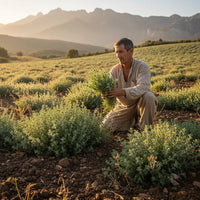
Curiosity about the origins and authenticity of original organic oil of oregano is growing alongside the demand for transparent, plant-based wellness choices. This article will guide you through a thoughtful exploration of oregano’s journey — from its Mediterranean roots, traditional culinary roles, and folk practices to today's organic cultivation, harvesting, and precise extraction techniques. Along the way, you’ll discover how factors like plant species, growing region, and clean sourcing methods are central to what is considered truly "original" and "organic" oregano oil. By unpacking these details, you’ll be better informed to navigate the nuanced world of oregano oil quality and understand what elevates certain oils as trusted staples in the realm of botanical wellness.
The Mediterranean Roots of Oregano: Historical & Cultural Perspectives
Oregano in Culinary and Folk Traditions
For centuries, oregano has held a cherished spot in Mediterranean kitchens, where it flavors sauces, breads, meats, and vegetables. Historically, oregano was valued not only for its bold, aromatic flavor but also for its role in folk wisdom. Communities across Greece, Italy, and Turkey have long harvested wild oregano, carefully drying and infusing it into cooking oils or brewing it as a tea for everyday use.
Recognizing Regional Varieties and Species
While “oregano” often conjures a single flavor, several plant species are embraced under this umbrella. Most original organic oil of oregano comes from Origanum vulgare or Origanum heracleoticum. Regional growing conditions, altitude, soil composition, and climate uniquely shape each harvest's taste and aromatic profile. For example:
- Greek mountain oregano is prized for robust, spicy notes.
- Italian oregano leans more subtly floral.
- Turkish oregano offers peppery, earthy undertones.
Understanding these distinctions is essential when considering what is labeled as “original” oregano oil. For those interested in authentic Mediterranean botanicals, exploring the potent Oil of Oregano 75% Carvacrol – 2oz Liquid Extract is an effective way to experience the robust, traditional qualities of oregano in a concentrated form, reflecting genuine regional characteristics.
Cultivation of Organic Oregano: From Wildcrafting to Certified Crops
Transitioning from Wildcrafting to Organic Agriculture
Traditional oregano harvesting relied on wildcrafting — hand-collecting wild plants in their natural habitats. As global demand grew, conscious cultivators began developing organic oregano farms under certified practices. Organic cultivation means abstaining from synthetic pesticides, herbicides, or fertilizers, following guidelines for healthy soil, water stewardship, and ecosystem preservation.
Key Steps in Organic Oregano Farming
- Selecting Suitable Land: Proper sunlight, drainage, and soil pH are fundamental.
- Building Healthy Soil: Compost, crop rotation, and natural amendments support resilient growth.
- Responsible Watering: Drip irrigation and mulching conserve moisture and minimize runoff.
- Natural Pest Management: Companion planting and beneficial insects help maintain plant vitality without harsh chemicals.
- Adhering to Organic Certifications: Third-party auditors verify ongoing compliance with strict organic standards.
Cultivators who value ecological harmony may also be drawn to herbal solutions that incorporate organic, plant-based ingredients. Papaya Leaf Extract 16oz – Organic 15X Liquid Papaya Leaf Herbal Supplement is one such product, aligning with the same dedication to organic farming principles and ingredient purity.
Harvesting Practices that Preserve Integrity
Timing is crucial in oil-rich plants like oregano. Skilled harvesters often select plants just as flower buds appear—when essential oil content is at its peak. Hand-harvesting and air-drying techniques, rather than mechanical harvesting and high-temperature drying, are frequently chosen to safeguard delicate compounds that contribute to original organic oil of oregano’s signature profile.

From Field to Bottle: Exploring Extraction and Processing Methods
Steam Distillation: The Classic Approach
Steam distillation dominates as the most common extraction method for original organic oil of oregano. Here's an overview:
- Harvested oregano is placed in a sealed chamber, and steam passes through the plant material.
- The steam carries volatile oils through a condenser, separating the essential oil from the water.
- Minimal heat and no solvents mean the oil remains unaltered and true to origin.
This method reflects traditional values and modern efficiency, yielding a concentrated oil capturing oregano’s aromatic complexity.
Cold Extraction and Alternative Methods
A less common but emerging practice, cold extraction, involves suspending oregano leaves in a carrier oil at cool temperatures. This approach is often favored for culinary or topical uses, where a milder flavor and aroma are desirable. While not as concentrated as essential oil, cold-extracted oregano maintains plant chemistry without intense heat, echoing some historical preparations.
Products like Black Seed Oil 8oz – Cold-Pressed Nigella Sativa Oil for Immune Support & Daily Wellness demonstrate the value of gentle cold-pressed extraction for sensitive botanicals, a principle shared by authentic original organic oregano oil producers.
Evaluating Purity through Transparent Processing
The term “original organic oil of oregano” signals more than just cultivation—it implies a commitment to transparent, minimal processing. Reputable producers provide documentation on their sourcing, extraction, and bottling, sometimes including:
- Batch and origin information
- Independent lab analysis of active compounds
- Traceability from farm to bottle
Transparency is also a value with other botanicals; look for products that emphasize full traceability, such as Soursop Leaf Graviola Extract - - Organic 15X Liquid Extract - Cell Renew & Immunity, which provides origin and purity details for quality assurance.

Why Transparency and Source Integrity Matter
Identifying Authentic Original Organic Oil of Oregano
With mounting global interest, oregano oil now appears in diverse forms—liquid extracts, capsules, and culinary infusions. However, only a fraction meet the benchmarks of being truly original and organic. Here are factors to consider:
- Botanical Specificity: Does the product clearly identify its plant species and origin?
- Organic Certification: Is there evidence of third-party organic verification?
- Transparent Processing: Are details on extraction methods and purity available?
- Traceability: Can you follow the supply chain from farmer to finished oil?
Those seeking complete ingredient clarity may appreciate the transparent sourcing typical of both Oil of Oregano 75% Carvacrol – 2oz Liquid Extract and herbal blends such as the Wellness Tea Blends – 4oz Organic Premium Herbal Infusions collection, both designed with traceability from seed to bottle in mind.
The Role of Clean Sourcing in Plant-Based Wellness Products
For those invested in plant-based choices, clean sourcing is about more than personal preference—it connects to ecological sustainability and community support. Organic practices reduce exposure to environmental contaminants and encourage biodiversity. Additionally, working with small-scale farmers and transparent brands helps preserve traditional knowledge, regional livelihoods, and the authentic character of original organic oil of oregano.
Advocates for clean sourcing will discover parallels across plant-based wellness products. Botanical supplements such as Papaya Leaf Extract Blood Support - 10X 60/450mg Capsules - Blood Platelet often document their sustainable harvest practices, much like reputable oregano oil brands.

Artisan Values and Modern Expectations: Bringing It All Together
The Evolving Definition of "Original"
As organic oregano oil grows in global popularity, the definition of "original" must balance heritage with present-day standards. Qualities that once depended on foraging and local, small-batch preparation now also encompass:
- Certified organic sourcing
- Environmentally sustainable farming
- Scientifically validated extraction
- Full product transparency
Herbal Goodness, among other responsible producers, has engaged with these evolving expectations, highlighting the importance of clarity, authenticity, and respect for tradition in every step from seed to bottle.
Herbal blends like Oil of Oregano 75% Carvacrol – 2oz Liquid Extract are examples of products that bridge artisan values with transparency, offering full details from cultivation through extraction. If you wish to broaden your botanical wellness repertoire, discovering vitamin-rich options such as Sea Moss - Raw Dried from St Lucia - 8oz Bag - Nature's MultiVitamins can add a layer of nutritional diversity.
Choosing with Confidence
Becoming an informed consumer of original organic oil of oregano means appreciating the agricultural heritage, plant nuances, and ethical sourcing within every bottle. Whether you’re exploring essential oils for culinary applications, aromatics, or tradition-inspired uses, a commitment to transparency and origin allows for a more meaningful connection to both the plant and the people who steward its journey. Consumers who value ingredient clarity may also gravitate towards versatile herbal products or consult resources like Personal Consultation with Herbalist or Health Coach, which offers tailored advice about integrating high-quality botanicals into a mindful lifestyle.
Conclusion: Continuing the Cultural and Botanical Journey
The story of original organic oil of oregano is one of resilience, resourcefulness, and reverence for nature’s abundance. From Mediterranean hillsides dotted with wild oregano to modern, organic-certified fields and thoughtful extraction rooms, every step in oregano’s journey is shaped by human values and ecological awareness. Making informed choices honors both tradition and the contemporary quest for product integrity — furthering the enduring legacy of oregano in kitchens and beyond.
FAQs:
- What makes original organic oil of oregano different from conventional oregano oil?
Original organic oil of oregano is produced from specific Mediterranean oregano species and farmed under certified organic practices, free from synthetic pesticides and chemicals. Its authenticity is reflected in traditional harvesting methods, clean extraction, and transparent sourcing, setting it apart from conventional oils that may lack these standards.
- Why is the regional origin of oregano important for oil quality?
Regional origin influences plant species, soil, climate, and cultivation methods—all factors that shape the oil’s aroma, flavor, and compound profile. Mediterranean-grown oregano is traditionally valued for its unique characteristics, often resulting in a more aromatic, robust oil.
- How is original organic oil of oregano typically extracted?
Most original organic oil of oregano is extracted through steam distillation, a process that uses heat and steam to release volatile oils from harvested oregano plants while preserving the oil's integrity and authentic profile.
- What does transparent sourcing mean for oregano oil products?
Transparent sourcing involves clear, traceable supply chains from the farm to the final bottled oil. This includes detailed documentation on plant species, cultivation methods, extraction processes, and independent quality analysis, empowering consumers to make informed choices.
- Can cold-extracted oregano oil be considered original and organic?
Cold-extracted oregano oil can be original and organic if it uses organic-certified oregano and follows transparent, traditional methods. Although less concentrated, cold extraction echoes historical preparations and may suit culinary or topical needs.
- Why are organic certifications and third-party audits important?
Organic certifications confirm that the oregano was grown and processed without prohibited chemicals, using sustainable methods. Third-party audits provide independent assurance of these practices, fostering confidence in product quality and integrity.
- How do I identify a truly original organic oil of oregano?
Look for specific plant species (such as Origanum vulgare), clear details on regional origin, certified organic labels, full ingredient lists, transparent extraction methods, and trustworthy sourcing information from reputable producers.
Author Name:
Herbal Goodness Editorial Team
Author Bio:
The Herbal Goodness Editorial Team specializes in holistic health and superfoods, blending science and nature to educate and empower our community.
Related blogs:
How Much Black Seed Oil to Take Daily: Practical Guidance on Formats & Servings
Why Many Clinicians Are Cautious About Black Seed Oil: Evidence and Safety Factors
Understanding the Dangers of Herbal Supplements: A Consumer Safety Guide
Choosing the Best Online Herbal Store: A Local McKinney Shopper’s Guide
Safe Pairings & Precautions: What to Avoid When Taking Mullein for Wellness
Can Oregano Oil Help With Tonsil Stones? An Evidence-Aware Guide for Oral Care
When Is the Best Time to Take Moringa Powder? Evidence-Aware Timing Guide
Soursop Fruit vs. Soursop Leaves: A Practical Guide to Using Each Part
What Does Soursop Tea Do to the Body? An Evidence-Aware Explainer
How to Evaluate Mullein Reviews on Trustpilot: A Savvy Shopper’s Guide