





Organic Papaya Leaf Tea vs Herbal Teas: Environmental Impact Guide

Every warm cup of tea you enjoy has a story—one that begins long before water ever touches leaf. As more of us look to minimize our footprint, it’s natural to wonder: How does your favorite organic papaya leaf tea stack up against other herbal teas in terms of environmental cost? This approachable guide unpacks the journey of organic papaya leaf tea from farm to cup, comparing its carbon, water, and waste impacts with other herbal brews—and offers simple, practical choices for making every sip a little greener.
From Seedling to Steeping: Understanding Tea’s Environmental Life Cycle
When you think about the environmental cost of tea, consider the entire chain: how the plant is grown, harvested, dried, packaged, transported, and finally brewed. Each stage influences the earth differently and helps define the true sustainability of your cup.
Organic Papaya Leaf Tea: Planting and Harvesting Practices
Papaya leaf tea begins with tropical papaya trees, often grown in organic-certified environments. Organic practices avoid synthetic pesticides and fertilizers, relying instead on natural composting, crop rotation, and biodiversity to keep soils healthy. These methods can lower harmful runoff and help preserve native pollinators, making papaya leaf cultivation gentler on local ecosystems.
By contrast, conventionally grown herbal teas—like chamomile, mint, or lemon balm—may use synthetic agricultural inputs that can contribute to soil and water degradation. Choosing Organic Papaya Leaf Tea | 24 Premium Bags – Caffeine-Free ensures an organic option that avoids these intensive practices.
Water Use: Papaya Leaf Tea’s Water Footprint vs. Other Teas
Water consumption varies widely between tea crops. Papaya trees are well-suited to rain-fed tropical climates, so organic farms often depend less on artificial irrigation. In comparison, traditional camellia sinensis (black and green tea) plantations—and some large-scale herbal tea farms—may use irrigation systems requiring additional water, especially in drier regions.
By choosing organic papaya leaf tea sourced from rain-nourished farms, drinkers can subtly reduce their indirect water footprint versus teas grown with intensive irrigation. For those seeking highly efficient use of plant material with minimal environmental impact, Organic Papaya Leaf Extract 16oz | 15X Liquid – Best Value Size provides a concentrated format with a longer shelf life and smaller packaging footprint.
Carbon Footprint: Growing, Drying, and Global Shipping
-
Growing: Papaya trees sequester carbon as they mature, and organic farming avoids fossil-fuel intensive fertilizers. Herbal teas like mint or lemongrass are usually annual plants with shorter lifespans, leading to more field turnover and potential soil disruption.
-
Drying: Once picked, papaya leaves are dried—sometimes using solar methods or efficient dehydrators. Many mass-produced herbal teas rely on large-scale, energy-intensive dryers, potentially increasing their carbon emissions.
-
Shipping: Papaya leaf tea, when sourced and shipped in bulk or eco-friendly formats (like larger loose-leaf packs), generally requires fewer resources per serving compared to individually wrapped tea bags or long-haul tea blends. By choosing bulk organic papaya tea, you can contribute to a smaller shipping footprint.
Comparing Waste: Packaging Choices and Brewery Habits
Packaging and Waste Generation
Packaging is a surprisingly large player in the environmental cost of tea:
-
Loose-leaf papaya tea typically uses less individual packaging than tea bags, meaning less waste ends up in landfills. Look for brands using recyclable, compostable, or minimal packaging materials.
-
Tea bags (including some herbal blends) can contain microplastics, glues, or non-compostable mesh, contributing to long-lasting landfill waste. Organic Papaya Leaf Tea | 24 Premium Bags – Caffeine-Free, when purchased in bulk loose-leaf or compostable sachets, offers a lower-waste alternative.
Brewing Habits: Managing Everyday Impact
Small changes in your tea brewing routine can also cut environmental costs:
- Boil only the water you need—heating excess water for every cup wastes a surprising amount of energy.
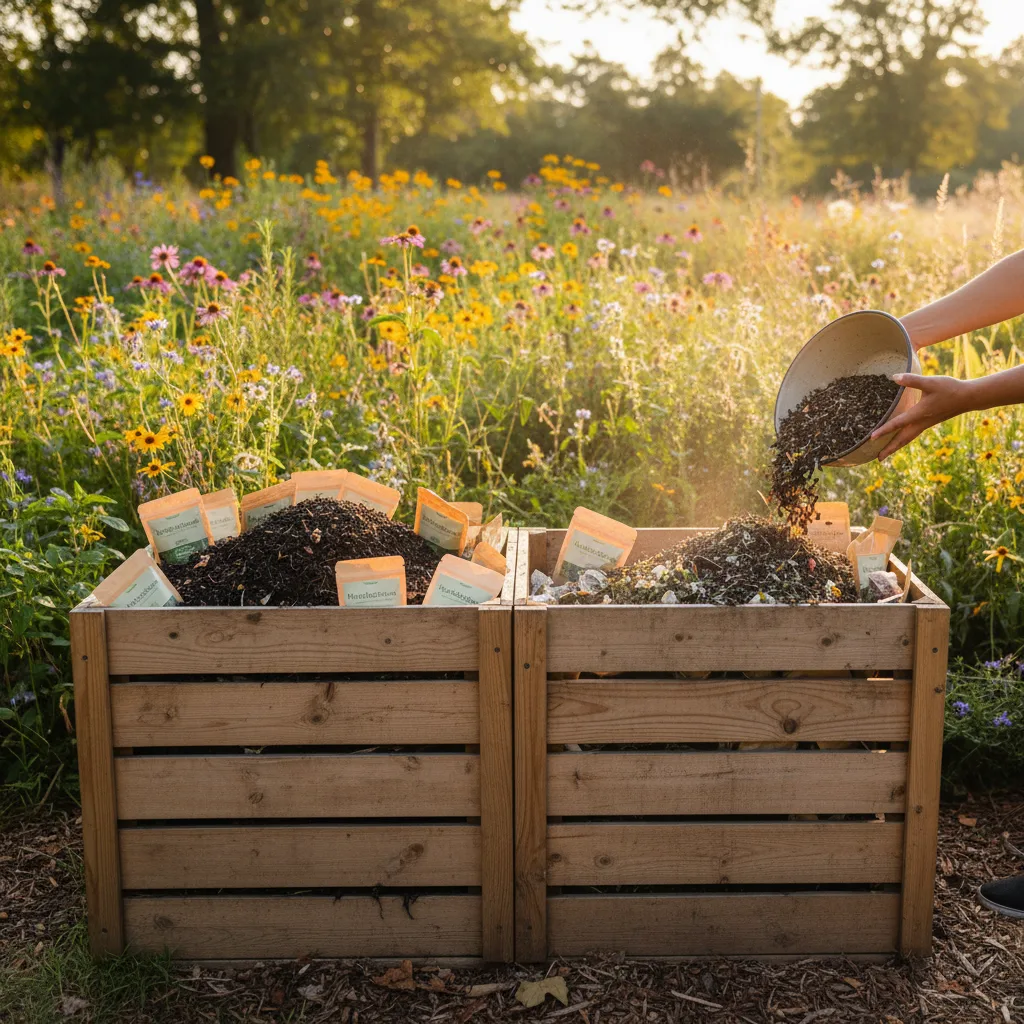
- Reuse or compost spent leaves—organic papaya leaves can enrich your garden or potted plants when composted. Compared to traditional tea bags (especially those with synthetics), loose-leaf residue breaks down naturally.
Practical, Low-Impact Choices for Eco-Conscious Tea Lovers
Curious how to enjoy organic papaya leaf tea with the lightest environmental cost? Here are a few easy, actionable steps:
Tip 1: Shop Bulk, Buy Organic
Choose bulk or larger-format Organic Papaya Leaf Extract 16oz | 15X Liquid – Best Value Size when possible. Fewer small packages means less total packaging, less waste, and a smaller shipping impact. Brands like Herbal Goodness often offer both bulk and loose-leaf options for sustainable sipping.
Tip 2: Select Responsible Packaging
Look for teas in recyclable tins, compostable pouches, or simple paper bags rather than plastic or foil. If you buy papaya tea in bags, confirm they’re unbleached and plastic-free. You’ll also find sustainability in supporting formats like the Bulk Loose Leaf Teas & Tisanes - Organic 4oz - Herbal Wellness Teas, which cut down on unnecessary waste.
Tip 3: Be Smart With Water and Heat
Only boil what you need, and if you brew extra, store it in the fridge for a refreshing iced tea later—cutting down on wasted energy and water. Consider a potent product such as Organic Papaya Leaf Extract 1oz | 15X Liquid – Trial & Travel Size for efficient daily brewing.
Tip 4: Compost Your Leaves
Unlike many tea bags, loose organic papaya leaves compost beautifully. Add them to your food scraps or garden pile to close the loop.
Tip 5: Explore Alternative Formats
Consider single-extract liquids or concentrated herbal infusions. These formats can be highly efficient, supporting reduced packaging, longer shelf lives, and smaller doses shipped per serving. Try Blood Platelet Support with Papaya Leaf | Organic 15X Liquid Extract for a versatile, sustainable option.

Side-by-Side: Papaya Leaf Tea vs. Common Herbal Teas
How does organic papaya leaf tea stack up against household favorite herbal teas such as chamomile, mint, and hibiscus?
- Chamomile: Often grown with intensive agriculture, requiring irrigation and sometimes chemicals. Usually sold in packaged tea bags. Water and packaging footprint can be higher than bulk papaya leaf.
- Peppermint/Mint: Grows abundantly but often intensively farmed, annual cultivation means frequent soil disruption. Waste varies by package format.
- Hibiscus: Requires significant water for peak flower growth. Petal harvesting is labor-intensive and often shipped globally, raising carbon footprint per ounce. To minimize these impacts, consider the low-waste Organic Hibiscus Tea 24 Bags | Heart Health & Antioxidant Wellness.
- Lemon Balm: Delicate, sensitive to pests—thus may be treated with more agrochemicals when not organically sourced.
Papaya leaf tea stands out due to:
- Ability to thrive well in wild or organic-managed settings with minimal irrigation
- Year-round harvest from a perennial tree (lower soil turnover)
- Potential for compostable packaging and bulk formats
- Traditionally, fewer additives or blends needed—supporting purer, single-source products with smaller footprints like Organic Papaya Leaf Tea | 24 Premium Bags – Caffeine-Free.

The Story Behind Sustainable Sourcing
A key step in managing the environmental cost of your tea is knowing your supplier’s practices. Brands like Herbal Goodness emphasize:
- Transparent, organic farming partnerships
- Renewable-energy powered drying facilities
- Packaging innovations such as biodegradable tins or pouches
- Sourcing close to origin to reduce overall shipping miles
Asking questions about where your organic papaya leaf tea comes from—and how it’s grown—empowers you as a consumer to support sustainable business models.
Enjoying Papaya Leaf Tea the Low-Impact Way
If you’re new to papaya leaf tea, consider starting with loose-leaf or concentrated formats. Practice mindful brewing, reusing leaves when possible (papaya leaves often infuse two or three cups), and opt for eco containers that can be refilled. Each intentional choice you make nudges your daily ritual toward a lower environmental impact, helping shape a gentler future—one cup at a time.
Exploring organic papaya leaf tea in bulk or loose-leaf formats is a thoughtful way to enjoy your favorite brew with a lighter environmental touch. Every mindful choice—whether in sourcing, packaging, or brewing—supports a more sustainable tea tradition.
FAQs:
- Is organic papaya leaf tea more sustainable than other herbal teas?
Organic papaya leaf tea is often considered more sustainable because it typically requires less intensive irrigation, benefits from perennial farming practices, and can be purchased in eco-friendly bulk or compostable packaging formats. Its environmental footprint is generally smaller compared to many conventional herbal teas when considering water use, carbon output, and waste generation.
- What is the carbon footprint of organic papaya leaf tea compared to other teas?
Organic papaya leaf tea usually has a lower carbon footprint due to renewable farming practices, minimal fertilizer use, and energy-efficient drying processes. Buying in bulk or loose-leaf reduces packaging and shipping impacts compared to individually wrapped herbal teas.
- How can I reduce waste when buying herbal teas like papaya leaf tea?
To lower waste, opt for bulk loose-leaf papaya tea in recyclable or compostable packaging. Avoid individually wrapped tea bags and look for brands that use minimal or eco-friendly materials in their packaging.
- Are compostable tea bags available for papaya leaf tea?
Some brands offer organic papaya leaf tea in compostable sachets or unbleached, plastic-free bags. Always check product descriptions or reach out to the supplier to confirm eco-friendly credentials.
- Does papaya leaf tea require a lot of water to produce?
Papaya trees often flourish in rain-fed tropical regions, so organic papaya leaf tea generally requires less artificial irrigation than some other herbal teas, making it less water-intensive and a solid choice for eco-conscious consumers.
- What brewing habits can reduce my tea’s environmental impact?
Boil only the water you need, reuse papaya leaves for multiple infusions, and compost your spent leaves. These habits minimize water and energy use while reducing the waste associated with daily tea drinking.
Author Name:
Herbal Goodness Editorial Team
Author Bio:
The Herbal Goodness Editorial Team specializes in holistic health and superfoods, blending science and nature to educate and empower our community.
References:
Introducing Graviola to Young Taste Buds: Fun, Family-Friendly Flavor Exploration
Graviola in the Classroom and at Home: Creative Activities to Teach Kids About Tropical Plants
Why Social Impact Matters in Plant-Based Wellness