





Organic Bamboo Leaf Extract Buying Guide: Expiry Dates & Lot Codes

Choosing the highest quality organic bamboo leaf extract can feel overwhelming, especially with so many labels, codes, and subtle signs to consider. For anyone prioritizing purity and the essence of botanicals, learning how to read expiry dates, lot codes, and simple sensory clues is a valuable step toward confidently selecting your next organic bamboo leaf extract. This guide unpacks the basics in plain English, so you'll know exactly what to look for, what to ask, and how to ensure your extract is as fresh and high quality as possible.
Understanding Expiry Dates on Organic Bamboo Leaf Extracts
Expiry dates are one of the main indicators of a product’s freshness and stability. They provide a reference point for when the product is expected to maintain its labeled potency, color, and aroma under proper storage.
What Does the Expiry Date Mean?
In the context of organic bamboo leaf extracts, the expiry or "best by" date signifies the last date by which the product is expected to remain at its highest quality, as determined by manufacturers like Herbal Goodness through testing and stability studies. Consuming bamboo leaf extracts past this date may not be harmful, but it can mean diminished flavor, aroma, or effectiveness.
Where to Find the Expiry Date
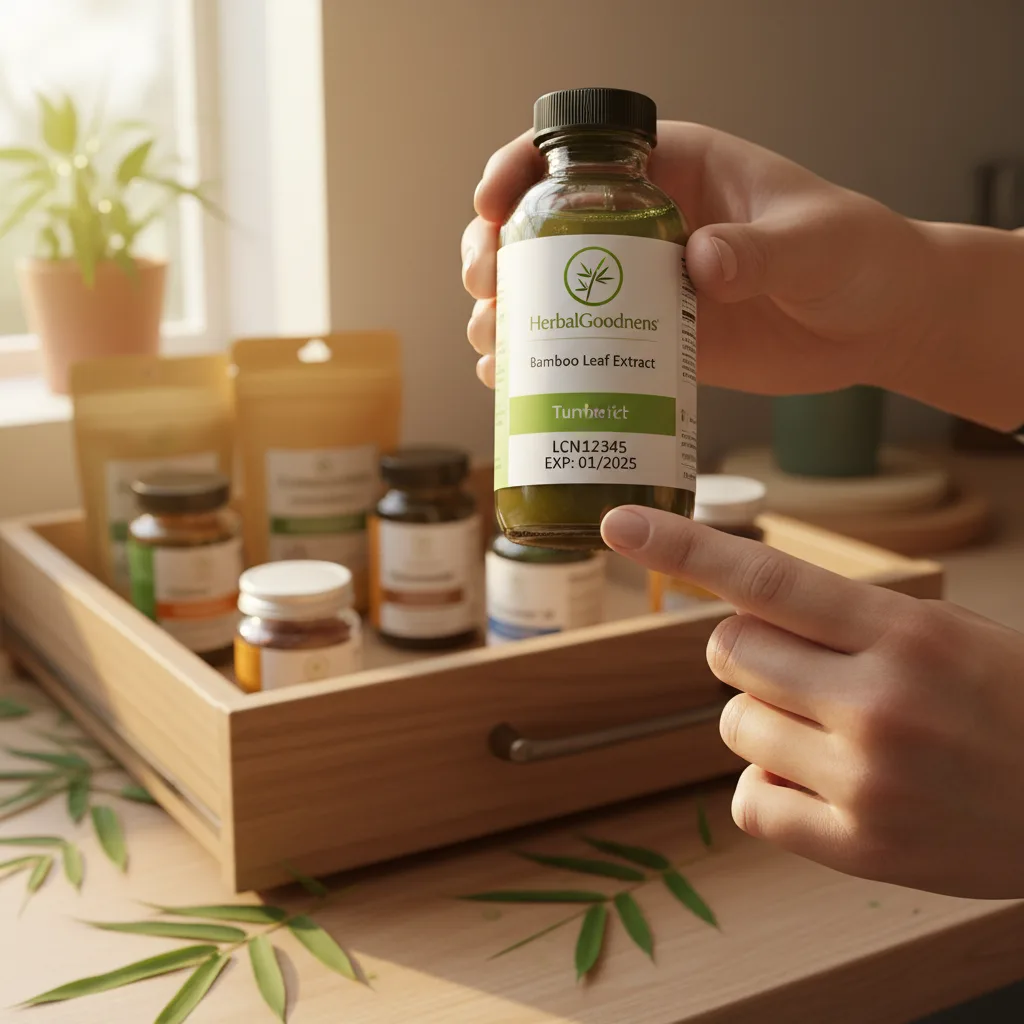
On most organic bamboo leaf extract bottles or packaging, you’ll typically find the expiry (or best by) date printed on either the label’s back, the bottom of the bottle, or on the packaging’s side. It’s often formatted as MM/YYYY (for example, '04/2026') or sometimes as a specific day, month, and year.
Why Freshness Matters in Herbal Extracts
The peak freshness of any plant extract depends on natural compounds that can change or degrade over time. Although bamboo leaf extract is relatively stable if stored correctly, fresher product is generally associated with bolder aroma and taste—qualities closely linked to its traditionally prized plant profile.
For those looking to explore the cosmetic and nutritional synergy of bamboo further, Bamboo Silica + Biotin Hair Growth Extract | 15X Liquid | Natural Hair & Follicle Support provides silica and unique plant nutrients great for hair and skin routines as well.
Decoding Lot Codes on Organic Bamboo Leaf Extracts
Beyond expiry dates, lot codes are another crucial piece of information, especially for those who want assurances about traceability and consistency.
What Is a Lot Code?
A lot code (sometimes known as a batch code) is a unique identifier the manufacturer assigns to a specific production run. This code allows for tracking of the product’s origin, including manufacturing date, specific ingredients’ batches, and where quality checks were performed.
How to Find and Read the Lot Code
Lot codes may look like a seemingly random string of numbers and letters (for example, 'BGLE20230315A'), but they’re essential for quality control. Often, these codes encode the manufacturing date and production sequence. If you see a code like ‘BGLE20230315A,’ it might break down to:
- BGLE: Bamboo Leaf Extract
- 20230315: March 15th, 2023 (year, month, day)
- A: Batch
Check the bottle or box—lot codes are usually next to or near the expiry date. Some brands, such as Herbal Goodness, offer transparency about how to interpret these codes. If not, you can always ask the seller for clarification.
Why Lot Codes Matter
Lot codes ensure traceability—a key standard for certified organic and quality-driven brands. Should any issues arise with a batch, the code helps the brand track quality and share specifics about the product’s journey. This focus on transparency is also present in supplements that blend functional botanicals, such as Blood Platelet Support with Papaya Leaf | Organic 15X Liquid Extract, where each batch is closely monitored for consistency and efficacy.
Sensory Clues to Determine Freshness in Organic Bamboo Leaf Extracts
In addition to printed dates and codes, your own senses offer wisdom when choosing organic bamboo leaf extract. Even with perfect labeling, some sensory investigation empowers you to spot freshness and quality right away.
Visual Clues
- Color: Fresh bamboo leaf extract is usually a pure green to deep olive shade, depending on extraction method.
- Clarity: A quality extract should appear evenly colored. Cloudiness or separated layers may indicate age or improper storage but can also result from natural sediment. Give a gentle shake and observe.
- Sedimentation: Minimal sediment is normal with whole-plant extracts, but heavy or unusual particles can be a sign to ask questions.
Aromatic Clues
- Aroma: Open the bottle—fresh organic bamboo leaf extract typically has a mild, grassy to subtly sweet scent. A dull, musty, or "off" aroma signals it’s past its best.
Texture Observations
- Consistency: Extracts are usually free-flowing liquids or light syrups in the case of certain concentrates; very thick or sludgy textures may point to aging or impurities, but always check product specifics first.
Taste Sample (If Allowed)
If sampling is possible in-store or via a sample pack, note the flavor: it should be soft and plant-like, without bitterness or sourness. Extreme tastes typically aren’t normal for bamboo leaf extracts unless otherwise described by a reputable source. Enjoying bamboo in tea form is a great option for taste sampling, and Bamboo Leaf Tea 24 Bags | Nature's Silica – Collagen & Biotin Support brings out the gentle herbal profile while delivering the same silica and plant goodness, making it a perfect addition to your wellness routine.
Practical Storage Tips for Maintaining Freshness
Proper storage preserves the quality you’ve chosen with care. Here are key storage practices to keep your organic bamboo leaf extract at its best:
- Keep away from light and heat: Store your extract in a cool, dry place, away from direct sunlight or stovetops.
- Seal tightly: Always replace the cap or dropper after every use to reduce air contact.
- Refrigerate if needed: Some bamboo leaf extracts benefit from refrigeration, especially after opening. Check the product instructions.
- Avoid cross-contamination: Do not dip used utensils directly into the bottle.
- Use a clean, dry spoon if needed: This helps preserve product integrity when portioning.
- Monitor regularly: Keep an eye on any changes in color, scent, or consistency—even before the printed expiry date.
If you're sourcing other plant extracts, many products benefit from similar storage, including blends like Beauty Builder 15X Liquid Extract | Skin & Collagen Wellness Support, which can be sensitive to heat and air.
Polite Questions to Ask Sellers About Freshness and Testing
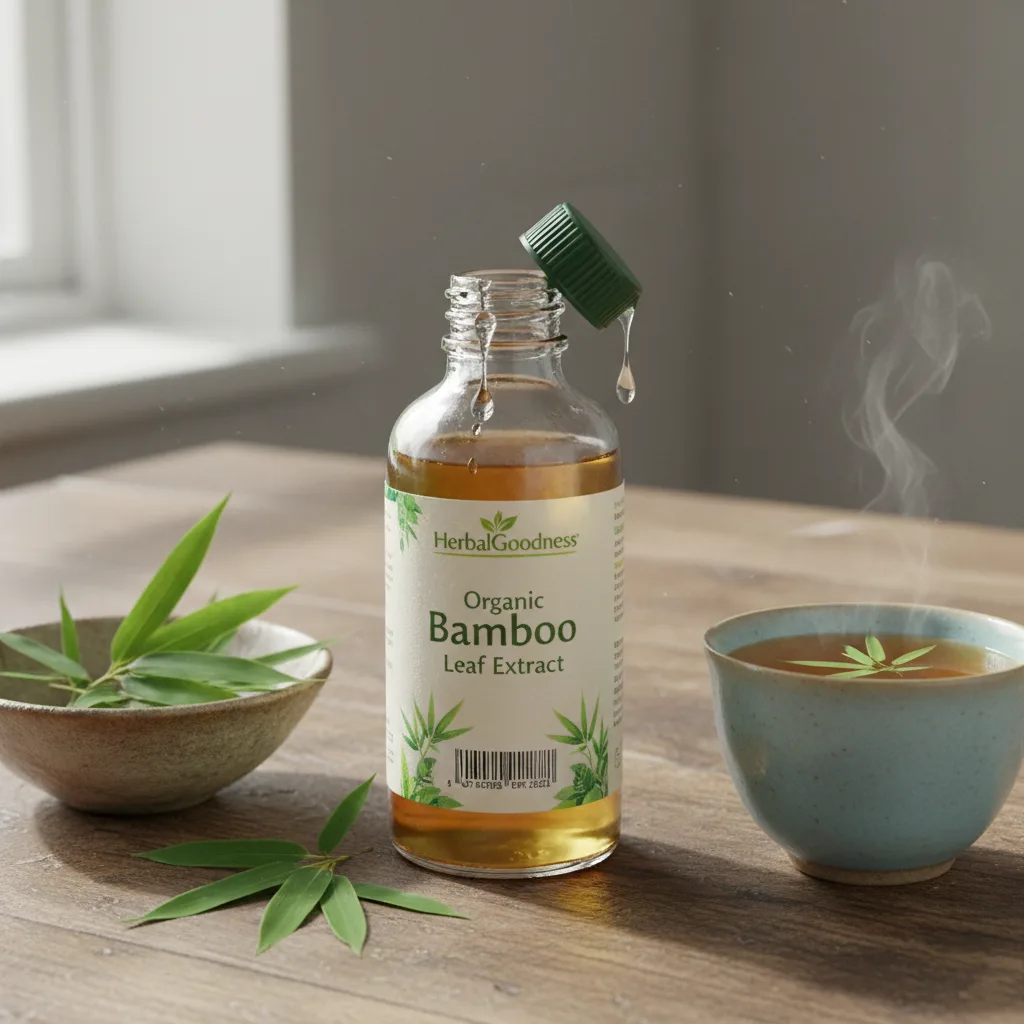
Sometimes, labels may not answer all your questions about organic bamboo leaf extract freshness or quality. If you feel unsure, don’t hesitate to reach out to the retailer or manufacturer. Here are respectful ways to ask:
- “Could you tell me when this batch of bamboo leaf extract was manufactured?”
- “Is there a third-party lab confirming the freshness or quality of this organic bamboo leaf extract?”
- “How should this extract be stored for optimal freshness?”
- “Could you clarify the lot code format for this product?”
- “Does this batch have a certificate or documentation for current quality standards?”
A reputable supplier (such as Herbal Goodness) will welcome these questions. It shows you care about product quality and ingredient transparency. For comprehensive product support and lot code transparency, the Bamboo Leaf Organic 15X Liquid Extract | Silica, Collagen & Biotin is an excellent example—every batch is traceable and comes with clear quality documentation.

Red Flags: Signs Your Bamboo Leaf Extract May Be Past Its Prime
While expiry dates and lot codes offer guidance, here are a few additional pointers that may signal your extract is nearing or past its best:
- Unusual floating particles, heavy sediment, or cloudiness not typical of your brand's usual extract
- Faded or strange color compared to original product
- A bland, stale, or "off" aroma
- Change in consistency, becoming watery or gummy
- Packaging damage, including cracked lids or leaking bottles
Whenever in doubt, cross-check the expiry date and lot code—and trust your senses. If you're working with multiple herbal wellness products, paying close attention to these clues can help you maintain peak efficacy for the full range of your plant-based supplements, including refreshing teas like Bamboo Leaf Tea 24 Bags | Nature's Silica – Collagen & Biotin Support.
Summary: Reading Expiry Dates, Lot Codes, and Freshness Clues—Your Quick Checklist
- Check the Expiry/Best By Date: Always start here for a reference on rated freshness and stability.
- Decode the Lot Code: Trace where, when, and by whom your extract was crafted.
- Observe Sensory Clues: Look, sniff, and (if safe) sample. Bright color, clear aroma, and normal texture signal quality.
- Practice Good Storage: Shield your extract from heat, light, and contamination to extend its freshness.
- Politely Ask for Details: No answer should ever feel out of reach when transparency is valued.
By understanding how to read expiry dates, lot codes, and interpret freshness cues, you empower yourself as a shopper and advocate for your own wellness journey. Making informed choices not only supports quality but honors your commitment to natural, thoughtful living when selecting organic bamboo leaf extracts.
Frequently Asked Questions
Question 1: What are the best ways to keep organic bamboo leaf extract fresh for longer?
Answer: Store your extract in a cool, dry place away from sunlight, seal tightly after each use, and refrigerate if instructed on the package. These methods help preserve the quality of extracts like Bamboo Leaf Organic 15X Liquid Extract | Silica, Collagen & Biotin.
Question 2: How do I interpret lot codes on bamboo leaf extract bottles?
Answer: Lot codes are unique identification numbers indicating production details. Brands such as Herbal Goodness may help you interpret lot codes—never hesitate to ask the seller about the specifics of the product, including those on Bamboo Silica + Biotin Hair Growth Extract | 15X Liquid | Natural Hair & Follicle Support.
Question 3: Should I be concerned if my bamboo leaf extract looks cloudy or has sediment?
Answer: Minimal natural sediment in extracts is typical, but heavy cloudiness or unusual particulates can be a red flag. If unsure, compare with the original product standards or reach out to the seller, as transparency is prioritized in products such as Bamboo Leaf Tea 24 Bags | Nature's Silica – Collagen & Biotin Support.
Question 4: Why does the expiry date matter if the extract still smells and looks fine?
Answer: Expiry dates guarantee optimal potency and safety. Plant compounds can gradually degrade, so using products before the expiry—such as Beauty Builder 15X Liquid Extract | Skin & Collagen Wellness Support—ensures you get their maximum benefit.
Question 5: Are there specific products that guarantee traceability and quality standards?
Answer: Products like Bamboo Leaf Organic 15X Liquid Extract | Silica, Collagen & Biotin and Blood Platelet Support with Papaya Leaf | Organic 15X Liquid Extract emphasize lot transparency and robust quality checks.
Question 6: Can I sample bamboo leaf extract before buying?
Answer: If your local retailer allows, a small taste or try-before-you-buy option is useful. For more accessible sampling, try tea versions such as Bamboo Leaf Tea 24 Bags | Nature's Silica – Collagen & Biotin Support.
If you value quality and freshness in your organic bamboo leaf extract, take a moment to check expiry dates, lot codes, and simple freshness cues—empowering your herbal selection with confidence.
About the Author
Herbal Goodness Editorial Team
The Herbal Goodness Editorial Team specializes in holistic health and superfoods, blending science and nature to educate and empower our community.
Related blogs:
Sensing Bamboo Leaf Tinctures: A Beginner’s Sensory Checklist for Buying Online
Why Bamboo Leaf Tinctures Smell and Taste the Way They Do: Beginner’s Guide
Buying Bamboo Leaf Tincture? 10 Shopping Terms You Should Know
Papaya Leaf and Kidney Health: Insights from Tradition and Scientific Research
What Not to Mix with Hibiscus Tea: Essential Flavor and Chemistry Guide
Which mullein form fits your life? Compare teas, drops, tinctures, capsules, steam
Decoding Daily Servings: How Much Black Seed Oil to Use Safely Every Day
Evaluating Oregano Oil for Internal Use: Practical Guide for Shoppers