



Online Private Label Herbal Tea Manufacturers: Vetting Guide

Exploring your own herbal tea brand can feel simultaneously exciting and overwhelming—especially when you’re just starting out. Whether you’re an entrepreneur, maker, or wellness advocate, finding the right private-label herbal tea manufacturer online is a crucial early step. This beginner’s roadmap is designed to guide you through the process in practical, non-technical terms, focusing on research & development (R&D), sustainability standards, and reliable sample policies. You won’t find pricing talk or pitches here—just the actionable steps, essential questions, and checklists needed to approach your herbal tea journey with clarity and confidence.
Mapping Out Your Search: Where to Find Private-Label Herbal Tea Manufacturers Online
Start with Niche Search Strategies
Instead of starting broadly with generic web searches, focus your efforts by combining specific terms such as “private-label herbal tea manufacturer,” “herbal tea contract manufacturing,” or “custom herbal tea formulation.” Platforms like Alibaba, ThomasNet, and even specialized directories for food and beverage manufacturers often list companies offering white-label and private-label herbal tea services. Don’t overlook industry associations and forums, where manufacturers may be recommended by peers—and where you can engage directly with experienced brand owners for real-world insights.
One helpful way to dive deeper into the market is to review a diverse array of bulk loose leaf teas, which shows not only what ingredients are popular but can also reveal top herbal blends that established brands trust.
Tap Into Sustainability and Organic Networks
Many herbal tea start-ups today seek partners with solid sustainability and organic practices. Search through the directories of organizations like the Organic Trade Association, Fairtrade International, and Rainforest Alliance. Manufacturers with credentials from these groups tend to openly share their sourcing philosophies, which can narrow your pool to suppliers committed to responsible practices. Frequently, brands that offer organic papaya leaf tea or similar blends will highlight these certifications on their product listings or informational materials.
What to Look for: R&D, Formulation Support, and Pilot Runs
R&D and Formulation Support
As a beginner, your concept of a “custom herbal tea blend” might still be evolving. Lean towards manufacturers that offer hands-on formulation support—help designing proprietary blends, discussing botanical profiles, or recommending ingredient sourcing. These partners often provide access to in-house herbalists or product developers who guide you through flavor balancing, functional ingredient choices, and sample creation.
For example, consulting with a knowledgeable supplier about unique ingredients such as those found in soursop leaf tea can give you an edge in both flavor and health benefit exploration.
Pilot Runs: Testing Before Scaling
Pilot runs or small batch production is an invaluable offering for first-timers. They allow you to trial your concept, iterate based on feedback, and lower your financial risk before moving to larger orders. When researching private-label manufacturers, check that they support low minimum order quantities (MOQs) or a clear path from pilot run to scaled production.
- Checklist for R&D and Pilot Runs:
- Does the manufacturer offer in-house blending expertise?
- Are sample batches and pilot runs available?
- Can they suggest sustainable or organic ingredient swaps?
- Will they help you navigate labeling rules and ingredient declarations?
Finding a private-label herbal tea manufacturer is about more than choosing a supplier—it’s about finding a partner who understands your vision, supports product development, and values quality from sourcing to finished blend.
If you’re exploring herbal tea manufacturing opportunities and looking for a partner focused on transparency, formulation support, and quality-driven processes, complete our Retailer & Wholesaler Interest Form to start the conversation.
Sustainability and Sourcing Transparency: What Questions to Ask
Organic, Fair Trade, and Quality Certifications
Certifications aren’t just badges—they reflect a manufacturer’s commitment to traceability, organic integrity, and ethical sourcing. When shortlisting suppliers, ask:
- Are you certified organic (e.g., USDA Organic, EU Organic)?
- Do you hold Fair Trade, Rainforest Alliance, or similar sustainability certifications?
- Can you provide documentation (such as Certificates of Analysis or audit reports) for your ingredients?
These questions help you align your brand with partners who value sustainable agriculture and transparency—factors that matter deeply to mindful consumers. Reviewing documentation for ingredients like those used in bamboo leaf tea can also offer assurance of quality and sourcing standards.
Traceability and Transparency Practices
Reputable herbal tea manufacturers can outline exactly where botanicals are grown, harvested, and processed. Look for partners willing to provide:
- Batch-level traceability (links between raw ingredients and finished products)
- Access to Certificates of Analysis (COAs), showing test results for identity, purity, and safety
- Photographs or videos of their facilities, ingredient origins, or production process
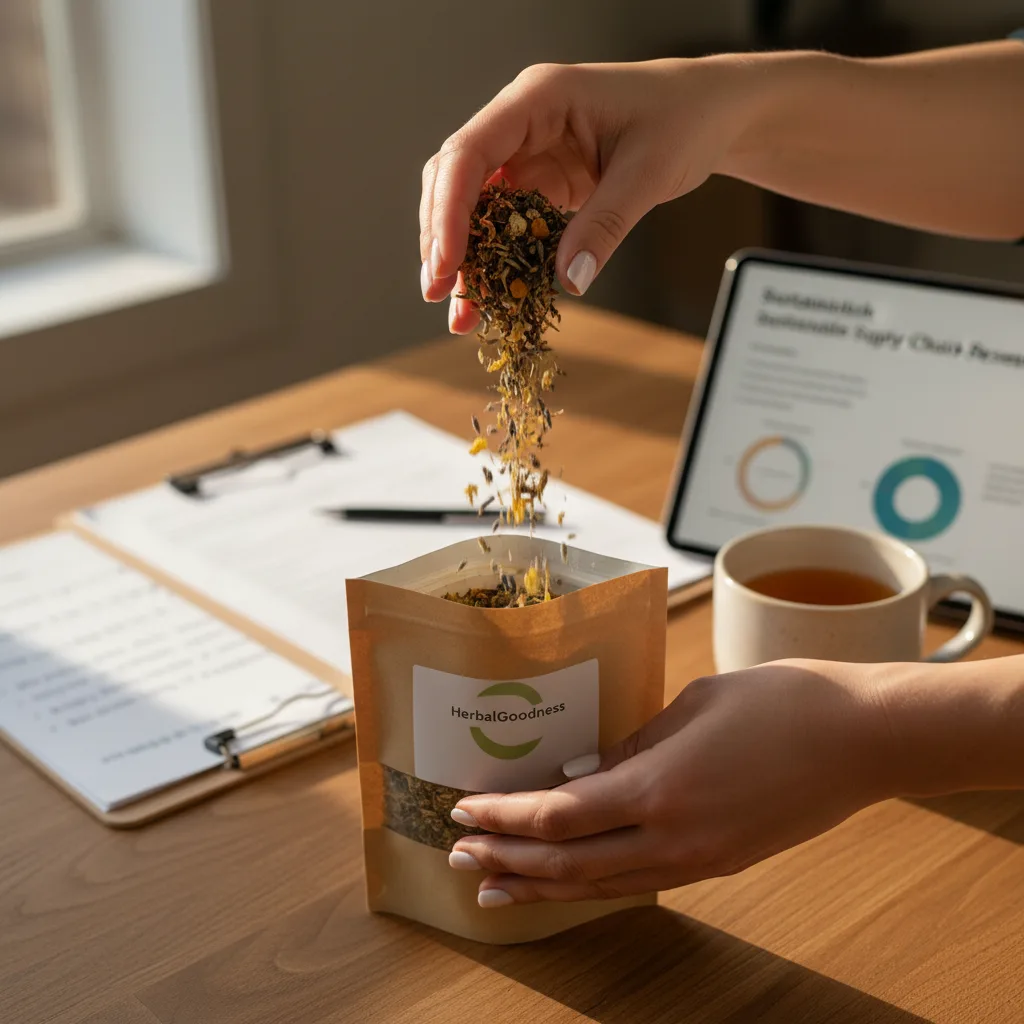
- Transparency Checklist:
- Is batch-specific ingredient traceability available?
- Will they freely share COAs or sourcing reports?
- Are farm locations, methods of cultivation, and harvest windows disclosed?
- Can you see photos of facilities or fields?
Collect these materials as part of your initial vetting process to confidently evaluate supplier practices. Looking for partners who produce detailed product documentation for blends like guava leaf tea ensures a higher level of trust and consumer safety.
Understanding Sample Policies: Why They Matter
Sensible Sample Tiers
Sample policies can vary. Some manufacturers offer a set number of free samples, while others may charge a nominal fee or credit sample costs towards future orders. A partner with a clear, fair approach to sampling allows you to:
- Evaluate blend quality and freshness
- Test packaging options (bags, loose-leaf pouches, sachets)
- Experiment with different formulations before committing to production runs
Clarifying sample approaches is especially important when vetting unique or wellness-focused blends, such as those found in the organic herbal tea trio collections.
- Sample Policy Questions:
- How many samples are included in the R&D process?
- Do they charge for shipping or sample creation?
- Are sample fees refunded with production orders?
- What is the turnaround time for custom blend samples?
Comparing sample policies side-by-side will streamline your decision-making and give you a tangible sense of product quality before taking the next step.

Evaluating Supplier Transparency Through Documentation and Communication
Certificates of Analysis (COAs) and Product Documentation
COAs provide independent verification of a botanical’s composition, sustainability status, and adherence to quality standards. Requesting COAs (and reviewing them for test dates, ingredient breakdowns, and signature authority) shows a manufacturer’s willingness to back up their sourcing and processing claims.
For those formulating teas around trending wellness ingredients, thorough documentation—like you see with bulk herbs & roots—can be an indicator of an honest and premium-focused partner.
Assessing Responsiveness and Willingness to Collaborate
How a manufacturer communicates throughout your initial discussions often forecasts your future working relationship. Look for those who respond promptly, answer practical questions in detail, and are open to sharing documentation or arranging virtual tours. Brands that diligently answer questions about blends like moringa leaf extract can reflect strong customer-centric values.
- Transparency and Communication Checklist:
- Are email or phone responses timely and informative?
- Do representatives consult on blend development and ingredient selection?
- Are explanations about certifications, sourcing, and documentation provided willingly?
- Are you offered virtual/in-person site visits or samples before a commitment?
Suppliers who operate with openness and collaborative spirit are more likely to support your growth beyond the launch phase.
Minimum Order Quantities (MOQs): What Beginners Need to Know
Why MOQs Matter
Minimum order quantities can range from very low (hundreds or a few thousand units) to much higher, depending on ingredient types and production complexity. Especially when beginning, seek out manufacturers with flexible policies or those open to negotiating a pilot MOQ. Ask:
- What is your minimum order quantity for custom herbal tea blends?
- Does this differ for standard blends vs. bespoke recipe development?
- Can MOQs be lowered for pilot runs or sample orders?
Checking MOQ options is particularly relevant if your custom recipe involves premium wellness botanicals, such as found in herbal tea trio bundles.
Understanding MOQs upfront allows you to plan launch timelines and evaluate which manufacturers align with your volume needs.
Building a Side-by-Side Partner Checklist
A clear comparison checklist cuts through complexity, equipping you to shortlist private-label herbal tea manufacturers who share your quality, sustainability, and growth values. Use this simple template—print it, customize it, or adapt it in your own way:
- R&D Support: In-house formulation, blend customization, pilot batch options.
- Certifications: Organic, Fair Trade, Rainforest Alliance, or other sustainability marks provided and documented.
- Traceability: Batch-level records, origin disclosures, and COAs readily available.
- Sample Policies: Transparent, cost-effective sample process; credited sample costs; timely turnaround.
- MOQs: Entry-level batch sizes, willingness to discuss MOQ flexibility.
- Responsiveness: Timely replies, consultative communication, willingness to answer transparency questions.
- Visual Documentation: Facility or field photos, videos, or virtual tours to give confidence in manufacturing environment.

Check off each criterion as you research, and let your values guide the ranking—prioritizing the attributes that most closely match your brand’s goals.
Your herbal tea brand starts with the right foundation. A reliable manufacturing partner can help you move from an initial idea to a thoughtfully developed product line with confidence.
Whether you’re creating custom herbal tea blends, expanding your retail offerings, or exploring wholesale opportunities, submit our Retailer & Wholesaler Interest Form to learn how Herbal Goodness can support your journey.
Conclusion: Charting Your Herbal Tea Brand’s Journey
Your path toward a unique private-label herbal tea brand doesn’t have to be daunting. With careful online research, thoughtful questions about R&D, sustainability, and transparent sample policies, plus a simple comparison checklist, you’ll be well positioned to identify partners who can help your vision come to life. Remember, starting with clarity and curiosity sets the tone for true innovation—and makes every cup you eventually share that much more meaningful.
Frequently Asked Questions
Question 1: What are the top questions to ask a private-label herbal tea manufacturer?
Answer: Focus on their R&D support, sustainability credentials, batch traceability, sample policies, and minimum order quantities. It's also vital to assess if they can document ingredient sourcing as seen with certified products such as organic papaya leaf tea.
Question 2: How do I verify the quality of a private-label herbal tea manufacturer?
Answer: Request Certificates of Analysis (COAs) and detailed sourcing documents, especially for botanicals in blends like soursop leaf tea. Transparency in documentation and willingness to share facility photos or virtual tours is a good sign.
Question 3: Are sample policies important when selecting a manufacturer?
Answer: Yes, clear sample policies help you test blend quality and experiment with product ideas risk-free. Many companies with collections like the organic herbal tea trio disclose how they handle sample requests and costs.
Question 4: What types of certifications should a reputable herbal tea manufacturer hold?
Answer: Look for certifications such as USDA Organic, Fair Trade, or Rainforest Alliance—often advertised on quality-forward teas, including bamboo leaf tea—to ensure responsible sourcing and traceability.
Question 5: How do MOQs affect a beginner private-label tea brand?
Answer: Flexible minimum order quantities allow for pilot runs and limit upfront risk. This is useful for small-batch trials with unique blends or variety packs, like the herbal tea trio bundle.
Question 6: What role does batch traceability play in herbal tea manufacturing?
Answer: Batch traceability links raw ingredients to finished product and improves safety, transparency, and consumer confidence. For instance, trusted suppliers may offer batch-level details for their bulk loose leaf teas.
Question 7: Why is in-house formulation support beneficial to new tea brands?
Answer: In-house support simplifies the customization of flavors and functions, as seen with innovative infusions like moringa leaf extract, guiding you from concept to final blend with less stress.
Ready to dive deeper? Take your research further by building your own checklist and connecting with fully transparent, sustainability-oriented herbal tea manufacturing partners.
About the Author
Herbal Goodness Editorial Team
The Herbal Goodness Editorial Team specializes in holistic health and superfoods, blending science and nature to educate and empower our community.
Related blogs:
Where to Find the Best Soursop Leaf in India: Practical Sourcing & Quality Guide
Understanding a True Sea Moss Recall: What to Know and Smart Consumer Steps
Hibiscus on YouTube: Your Beginner’s Guide to Top Tutorials and Reliable Videos
Does It Matter if Tea Is Organic? A Plain-English Primer for Tea Drinkers
Who Should Not Drink Papaya Leaf Juice? Evidence-Aware Safety Guide
Why You Might Feel Good After Oil of Oregano: Exploring Sensory, Science, and Experience
Which Organ Is Papaya Good For? A Balanced, Evidence-Aware Explainer
Choosing the Best Papaya Seeds for Farming: A Grower’s Practical Guide
Cómo encontrar y entender la chanca piedra en España: nombres, formatos y etiquetas
Bitters and Your Kidneys: Traditions, Research Insights, and Safety Tips to Know