




Mullein Leaf for Kids: Sensory Activities, Safe Tasting, and Plant Science

Introducing Mullein Leaf Exploration for Young Learners
Exploring the plant world is a wonderful way to nurture children’s natural curiosity, creativity, and love of learning. Introducing mullein leaf through hands-on sensory activities gives kids an engaging pathway for discovery—inviting them to see, touch, smell, and even gently taste under supervision. This guide for parents and educators focuses on a sensory-first approach, combining practical safety awareness with inspiration for crafts, gentle infusions, and easy plant science lessons. As you guide kids’ exploration of mullein leaf, you’re helping cultivate a healthy relationship with plants and their many fascinating features.
Getting to Know Mullein Leaf: A Child’s-Eye View
What is Mullein Leaf?
Mullein (Verbascum thapsus) is a stately, sun-loving plant recognized by its tall flowering spikes and soft, velvety leaves. Historically valued in folk traditions, mullein is now sparking curiosity among families and classrooms exploring botanical diversity. For children especially, mullein leaf’s distinctive texture and appearance make it ideal for interactive, hands-on exploration.
Why Choose Mullein Leaf for Kid-Friendly Activities?
- Tactile Softness: The downy surface invites gentle touch, making the leaf a sensory highlight.
- Distinct Scents: Fresh and dried mullein offer subtle, pleasant aromas for olfactory discovery.
- Visual Interest: The large, woolly leaves can be used as art canvases or learning props.
- Herbal Curiosity: Mullein’s history invites storytelling and simple science investigations.
Sensory Activities with Mullein Leaf
Helping kids connect with plants begins with the senses. Here are creative, age-appropriate ways to bring mullein leaf into sensory discovery:
Smell and Touch: The Sensory Introduction
- Leaf Texture Exploration: Invite children to gently stroke fresh or dried mullein leaves. Encourage vocabulary: “soft,” “fuzzy,” “velvety.”
- Scent Matching: Crush a small portion of leaf between fingers and inhale. Ask youngsters to describe the aroma and match it to scents (herbal, earthy, clean).
- Plant Observation Journals: Guide children to draw and label mullein’s features—leaf shape, fuzziness, height, and color.
Craft Ideas with Mullein Leaves
Let creativity shine with crafts focusing on mullein’s unique attributes:
- Leaf Rubbings: Place a mullein leaf under paper, rub with crayons, and marvel at the textures.
- Printmaking: Dip leaves in non-toxic paint and press on paper or fabric for prints.
- Nature Collages: Use dried mullein alongside flowers, grasses, and twigs in collage activities.

Safe Tasting: Gentle Sampling and Herbal Respect
Children are often intrigued by safe, supervised tasting when exploring plants. When introducing kids to mullein leaf in this way, prioritize care and gentle guidance.
Best Practices for Safe Tasting Experiences
- Adult Supervision Is Essential: Never allow children to sample wild or unknown plants unsupervised.
- Start Small: Only use clean, quality-assured mullein from trusted sources. Offer very small portions in gentle infusions or taste tests.
- Observe for Sensitivities: Introduce mullein leaf on its own and monitor for any signs of skin redness or irritation from touch, especially for sensitive children.
- Allergy Awareness: Consult a trusted resource or health specialist if there is a family history of herb or plant allergies. Always check for potential sensitivities before even gentle tasting.

How to Prepare a Simple Mullein Infusion for Kids
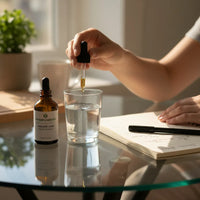
- Use a small amount of dried, quality-assured mullein leaf. Place in a heatproof cup.
- Pour hot (but not boiling) water over the leaf and steep for a short time—just a few minutes.
- Cool the infusion completely before inviting children to sip. The flavor is mild and earthy, perfect for a child’s first experience.
Fun Flavor Pairing Ideas
- Pair a few drops of mullein infusion with gentle flavors like chamomile, mint, or fruit slices. For children who enjoy tasting, try broadening their sensory herbal experience and support with Kids Plant-Based Supplements - Organic 1oz 15X Liquid Extract - Focus, Calm, Sleep, Tummy as part of a wider wellness approach.
- Offer vocabulary prompts: “How would you describe the taste?” “What does it remind you of?”
- Encourage polite refusal if the taste isn’t to the child’s preference. Participation should always be relaxed and pressure-free.
Allergy-Awareness Tips for Exploring Mullein Leaf
Creating a safe, inclusive exploration space helps every child enjoy discovering the world of plants:
- Know Family Sensitivities: Before introducing any new plant, check for family allergy histories.
- Perform a Patch Test: Before sensory activities, test a small leaf spot against the child’s inner arm. Wait a few minutes for any visible reaction.
- Clean Workspace: Use clean tools and surfaces for crafts and infusions, and wash hands after handling mullein leaves.
- Start with Observation: For children with sensitive skin or known plant allergies, limit activities to observation, journaling, and crafts without direct touch.
If allergies or sensitivities are a concern, options like Papaya Leaf Extract 16oz – Organic 15X Liquid Papaya Leaf Herbal Supplement provide additional possibilities for kid-friendly botanical learning—with parental oversight.
Turning Mullein Exploration into a Plant Science Lesson
Introducing science through mullein leaf provides a foundation for critical thinking and future botanical understanding:
Observation and Inquiry
- Magnifying Glass Stations: Invite kids to look closely at mullein’s tiny hairs, stem, and veins. Ask guiding questions: “How many kinds of hair do you see?”
- Growth Journals: Track a mullein plant’s growth across weeks in a home garden or classroom. Measure leaves and note changes.
- Plant Life Cycle: Share a kid-friendly overview of how mullein starts as a rosette and develops into a tall flowering stalk. This supports early STEM learning.
Storytelling and Historical Exploration
Introduce mullein’s folk uses in a context that is safe and age-appropriate. For example:
- Share stories about how people long ago were curious about plants like mullein.
- Discuss the importance of learning about plants before using them for anything.
- Emphasize the role of observation, respect, and adult involvement in plant exploration.
Holding Space for Curiosity and Respect
Children thrive when encouraged to ask questions, experiment carefully, and build respectful relationships with the natural world. By exploring mullein leaf with a sensory-first, safety-minded approach, adults can guide learners toward both knowledge and wonder.
Working with Quality: Setting Good Examples
When selecting mullein leaves for educational use, choose high-quality, responsibly sourced botanicals. If using an herbal brand such as Herbal Goodness, educators can discuss the importance of purity, safe handling, and thoughtful sourcing. This sets a foundation for lifelong plant wisdom and environmental care.

For families interested in expanding their plant science curriculum, Papaya Leaf Extract Blood Support - 10X 60/450mg Capsules - Blood Platelet can be a useful addition, especially for older children learning about different plant functions and benefits. This type of exploration nurtures curiosity, basic scientific observation, and respect for nature.
Summary: Fostering Growth Through Guided Herbal Discovery
Introducing mullein leaf to children through structured, supervised activities opens doors to joyful exploration and lasting appreciation for plants. By blending sensory discovery, creative expression, gentle tasting, and basic plant science, adults nurture lifelong curiosity—while modeling mindful, safe, and respectful herbal discovery. Whether you are a parent, caregiver, or educator, these experiences become a foundation for empowering, hands-on learning with the plant world.
FAQs:
- Is mullein leaf safe for children to touch?
When handled gently and in small amounts, mullein leaf is generally appreciated for its soft texture and sensory-friendliness. Always check for sensitivities and supervise all activities.
- Can children taste mullein leaf?
Gentle infusion tastings using high-quality, trusted mullein leaf may be offered under close adult supervision. Always introduce a small sample and monitor for sensitivities.
- What’s the best age to introduce mullein leaf activities?
Any age group can enjoy sensory-based mullein activities, from preschool through grade school, as long as activities are guided and tailored for developmental readiness.
- Are there any special precautions for using mullein leaf with kids?
Always check for plant allergies, source clean botanicals, supervise all tasting, and use safe, hygienic materials for crafts and infusions.
- How can I make learning about mullein leaf part of our science curriculum?
Encourage direct observation, drawing, gentle experiments, growth tracking, and inquiry-based discussions to integrate mullein leaf into plant science lessons.
- How does mullein leaf inspire creativity in children?
Mullein’s unique texture, size, and appearance make it ideal for crafts like leaf rubbings, prints, and collages, fostering both artistic and scientific discovery.
Author Name:
Herbal Goodness Editorial Team
Author Bio:
The Herbal Goodness Editorial Team specializes in holistic health and superfoods, blending science and nature to educate and empower our community.
References:
Mullein—University of Wisconsin-Madison Horticulture
The Sensory Benefits of Hands-on Plant Exploration—National Center for Biotechnology Information