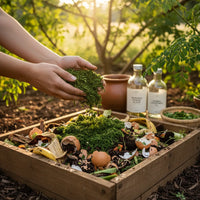





Moringa Powder and Liquid: How Processing Shapes Flavor, Use, and Sustainability

Curious about the journey of moringa from vibrant green leaves to the powder or liquid you find in bottles or jars? As interest in botanical wellness grows, many people wonder what actually goes into making moringa powder and liquid extracts. This article unpacks the journey—step by step—from harvest to processing, then explores why these methods matter for flavor, texture, shelf life, culinary versatility, and even the environmental footprint. By the end, you’ll have a clear sense of which moringa format best matches your needs and values.
The Harvest: Where the Moringa Journey Begins
The story of every moringa product starts with careful harvesting. Moringa oleifera, often called the "miracle tree," thrives in warm climates and produces rich, green leaves. Producers selectively harvest these leaves at their nutritional peak to ensure a vibrant color and robust flavor profile.
Harvest timing is especially important for both powder and extract production. Young, fresh leaves are chosen to capture the most nutrients and best flavor, keeping the final product closer to its botanical roots.
Drying: Preserving Freshness and Nutrients
Once the leaves are harvested, the next step is drying. This phase is crucial because it preserves the plant material for future use and shapes the final flavor and texture.
Typical drying techniques range from gentle air drying in shaded, ventilated spaces to mechanical, low-temperature dehydration. While air drying is traditional and eco-friendly, larger companies may use controlled, low-heat dryers for consistent results.
The method chosen not only determines the vivid green color and delicate aromas but also influences nutritional value. For sustainable drying at scale, companies are increasingly turning to energy-efficient systems, much like those used in Sea Moss - Raw Dried from St Lucia - 8oz Bag - Nature's MultiVitamins.
Flavor and sustainability are both at stake during this stage. Air drying can help preserve antioxidants and taste with minimal energy, while mechanical methods deliver dependability for larger batches.
Milling and Powdering: Crafting Moringa Powder
Once leaves are fully dried, they are ready to be milled into a fine powder. Milling may involve several grinding steps to achieve the silky texture prized in moringa powder.
Through sieving and final milling, producers remove coarse fibers and achieve a vibrant, uniform powder. Fine powders, such as Organic Papaya Seed Powder 4oz | Gut Cleanse & Digestive Support, are popular for adding to batters, smoothie bowls, and even soups for a boost of plant nutrition.
Proper packaging and storage become crucial at this point. Moringa powder, like many dried superfood powders, stays fresh for months if kept sealed away from air and light. This approach maximizes shelf life and preserves the unique, herbaceous flavor.
From Leaf to Liquid: Moringa Extracts Explained
For those who prefer a concentrated, versatile option, liquid moringa extracts offer an alternative format. Here's how they are made:
Extraction methods are tailored to the compounds producers wish to capture. Water-based extraction favors a gentle, grassy flavor profile and is similar to those used for modern wellness tonics. Alcohol or glycerin can create more robust extracts, resembling the format of Moringa Leaf Extract - Organic 15X Liquid Extract - Immunity & Wellbeing, which delivers broad-spectrum plant benefits in a fast-absorbing liquid.
Preservation is another key consideration. Alcohol-based extracts keep well without refrigeration, while water-based formulas may require careful storage for lasting freshness. These differences allow for a variety of culinary and wellness uses—from adding a few drops to your tea or smoothie, to incorporating extracts into dressings and health rituals.

Comparing Powder and Liquid: Choosing the Format for You
The differences in processing moringa powder and liquid lead to unique qualities in the finished product.
Powder is steadfast in recipes where color, texture, and mild flavor shine—think smoothie bowls or homemade energy bars, just as one might do with our organic herbal teas, another botanical powder prized for versatility.
In contrast, liquid moringa solutions are nearly textureless, minimal in prep, and subtle in color—ideal for infusions or custom blends. A quality liquid like Moringa Leaf Extract - Organic 15X Liquid Extract - Immunity & Wellbeing is easy to measure and blends instantly into beverages.
Powdered options are robust and long-lasting if protected from moisture, while liquids depend more on proper bottling and may rely on natural preservatives for a comparable shelf life.

Sustainability and Environmental Footprint
The path from moringa leaf to powder or liquid does more than affect flavor and texture—it also speaks to sustainability, resource use, and environmental impact.
Energy matters: Air drying for powders is highly efficient, while extraction and evaporation for liquids tend to use more resources, particularly if solvents are involved. Packaging is another consideration—powders ship more easily and with less waste, while glass bottles for extracts—such as Papaya Leaf Extract Blood Support - Organic 15X Liquid Extract - Platelet Health—add to both safety and shipping impact.
Responsible sourcing is central to many ethical wellness brands. Some, like Herbal Goodness, focus on direct partnerships with growers and utilize green processing for eco-friendly options, mirroring practices seen with bulk dried botanicals such as our Bulk Herbs collection.
Ritual and Cultural Uses: Tradition Meets Modernity
In many cultures, moringa leaves have played a special role beyond the kitchen. From traditional tea infusions to smoothies, powders and extracts allow these deeply rooted practices to travel globally. Moringa formats echo the role of other superfoods: used in mindful routines, as part of traditional recipes, and even in modern rituals.
Those who favor tradition may reach for the powder as a tea or food ritual, while those guided by convenience or subtle taste choose a liquid dropper. The accessibility of Moringa Leaf Extract - Organic 15X Liquid Extract - Immunity & Wellbeing in holistic wellness routines highlights this evolution.

Deciding Which Format Fits Your Lifestyle
Now that you know how moringa is processed and what each method means for use and sustainability, you can choose what fits your lifestyle:
Choose moringa powder if you love adding vibrant color, earthy flavor, and shelf-stable nutrition to recipes. This format allows for easy storage and maximum versatility in both cooking and holistic routines.
Opt for a Moringa Leaf Extract - Organic 15X Liquid Extract - Immunity & Wellbeing if you prefer smooth incorporation into teas and drinks, accurate dosing, and minimal prep. Liquid extracts make it easy to adjust servings and maintain a consistent routine without changing color or texture.
No matter your choice, thoughtful processing—like that which also underpins herbal powders and superfood extracts—ensures your moringa supports health, tradition, and a mindful, modern lifestyle.
FAQs:
- What is the difference between moringa powder and liquid extract?
Moringa powder is created by drying and milling moringa leaves into a fine green powder, ideal for recipes where texture and color matter. Liquid extract is produced by soaking moringa leaves in water or a solvent, concentrating the active plant compounds in a convenient, easy-to-measure liquid form.
- How does processing affect the flavor of moringa?
Drying and milling for powder tends to preserve moringa’s subtle, earthy taste if done gently. Liquid extracts can vary—water extractions offer a mild, grassy flavor, while solvent-based extracts tend to be more intense and can carry a hint of the extraction medium.
- Which moringa format lasts longer, powder or liquid?
Properly stored, moringa powder generally offers a longer shelf life due to low moisture content. Liquid extracts, particularly alcohol-based ones, are stable for several months, but water-based extracts may require refrigeration and can have a shorter best-by period.
- Are there sustainability differences between moringa powder and liquid?
Yes. Air-dried powder methods usually require less energy, making them more sustainable. Liquid extraction processes may use more resources, especially solvents and packaging, potentially raising their ecological impact.
- Can moringa powder or liquid be used in traditional rituals?
Absolutely. Both forms of moringa are embraced in modern and traditional routines. Powder may be preferred for teas and food rituals, while liquid extracts suit those looking for convenient preparation or modern twists on traditional uses.
- How should moringa products be stored for best quality?
Store moringa powder in an airtight container away from heat and light. For liquid extracts, keep bottles tightly sealed and, if water-based, refrigerate after opening to maintain freshness and flavor.
- Is there a difference in culinary applications between formats?
Yes. Powder easily blends into solid recipes like soups, smoothies, or baked goods, offering color and flavor. Liquids dissolve instantly, making them ideal for beverages or dressings that require a smooth finish.
Author Name:
Herbal Goodness Editorial Team
Author Bio:
The Herbal Goodness Editorial Team specializes in holistic health and superfoods, blending science and nature to educate and empower our community.
References:
Introducing Graviola to Young Taste Buds: Fun, Family-Friendly Flavor Exploration
Graviola in the Classroom and at Home: Creative Activities to Teach Kids About Tropical Plants