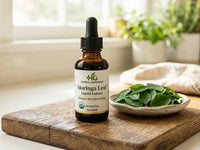





Moringa Leaf Liquid Extract vs. Powder: Best Flavor Pairings & Uses

Introduction
Curious about using moringa in your kitchen, but not sure if you should reach for the powder or the liquid extract? Understanding the flavor, mouthfeel, and concentration of these two forms can help you confidently blend them into drinks and recipes. This guide will break down the unique qualities of moringa leaf liquid extract vs. powder, and set you up with practical pairing strategies, easy swaps, and flavor-friendly tips for integrating this vibrant green superfood into your daily routine.
Distinct Flavor Profiles: Liquid Extract vs. Powder
Moringa, sometimes called the "miracle tree," brings a deep, earthy note to recipes—but the format you choose will shape the experience. Here’s what stands out for each:
Moringa Leaf Liquid Extract:
- Taste: Mild, slightly herbal, more diluted, with faint grassy undertones. Often less bitter than powder, making it approachable for people new to moringa.
- Mouthfeel: Smooth and completely dissolves in liquids. No grit or residue left behind.
- Concentration: Potent in small doses; usually, just a few drops are needed to influence flavor and impact.
If you're looking for a seamless drink addition, Moringa Leaf Extract - Organic 1oz 15X Liquid Extract - Immunity & Wellbeing is a gentle option that delivers all the benefits without overwhelming your palate.
Moringa Powder:
- Taste: Strong, earthy, and sometimes more pronounced grassy or spinach-like notes. Can introduce a touch of pleasant bitterness if used generously.
- Mouthfeel: Adds a very fine, subtle graininess or creamy bulk to recipes. In drinks, it sometimes settles at the bottom unless fully blended.
- Concentration: Heaped teaspoonfuls add more visible color and presence, requiring more precise balance with other flavors.
Other green superfoods, like Sea Moss - Raw Dried from St Lucia - 8oz Bag - Nature's MultiVitamins, can be used similarly in recipes for a nutritious boost and earthy touch.
Best Settings for Each Format: Liquid Extract vs. Powder
Choosing between moringa liquid extract and powder depends on your recipe goals and personal flavor preferences. Consider these scenarios:
When to Use Liquid Extract:
- Cocktails & Cooler Drinks: The extract disperses effortlessly in cold mixers. Perfect for herbal cocktails, sparkling waters, and lemonades where clarity matters.
- Delicate Dressings & Sauces: Brings moringa’s gentle flavor without texture changes, ideal for vinaigrettes or drizzle sauces.
- Herbal Teas: If you want a subtle moringa infusion, a drop or two stirs in cleanly without cloudiness or grit.
When preparing herbal beverages, give Bamboo Leaf Tea – 24/1.5g Tea Bags - Nature's Collagen & Biotin a try as a versatile base before adding your moringa extract or powder.

When to Use Powder:
- Smoothies & Bowls: The creamy thickness of blended powerhouses like smoothies or yogurt bowls integrates moringa powder naturally.
- Baking: Powder blends into batters and dough, offering vivid green hues and a subtle, earthy complexity without altering texture.
- Hearty Soups or Curries: If you love bolder savory notes, stirring in powder during cooking works beautifully.
For other recipes that love a bold green boost, you might also enjoy mixing in Organic Papaya Seed Powder 4oz | Gut Cleanse & Digestive Support to smoothies and batters.
Flavor Pairing Playbook: Complementary Ingredients
Successfully highlighting moringa’s flavors means pairing it with ingredients that bring out its best characteristics and mask any bitterness or grassiness.
For Moringa Liquid Extract:
Best Pairings:
- Citrus: Lemon, lime, or orange juice brighten and complement the mild herbal notes.
- Light Botanicals: Cucumber, mint, or basil maintain a refreshing taste profile.
- Subtle Sweeteners: Agave syrup, honey, or light maple syrup can soften any edges without overpowering the extract.
For those looking to amplify their wellness beverages, try using cold Papaya Leaf Extract 16oz – Organic 15X Liquid Papaya Leaf Herbal Supplement as a complementary herbal addition in infused waters or cold teas.
Sample Pairings:
- Sparkling water + lemon + moringa extract
- Jasmine tea + honey + moringa extract
- Cucumber slice + tonic + moringa extract
For Moringa Powder:
Best Pairings:
- Creamy Bases: Nut butters, coconut yogurt, and milk alternatives blend out any graininess and balance the earthy notes.
- Tropical Fruits: Pineapple, mango, or banana mask bitterness and add bright, sweet complexity.
- Warm Spices: Cinnamon, ginger, and cardamom create a grounding, layered experience.
Sample Pairings:
- Banana smoothie + almond butter + moringa powder
- Pineapple juice + greek yogurt + moringa powder
- Oat batter + cinnamon + moringa powder (for pancakes or muffins)
Simple Recipe Swaps: Using Powder and Extract Interchangeably
Curious how to swap between moringa powder and extract without compromising flavor? Here’s a practical approach:
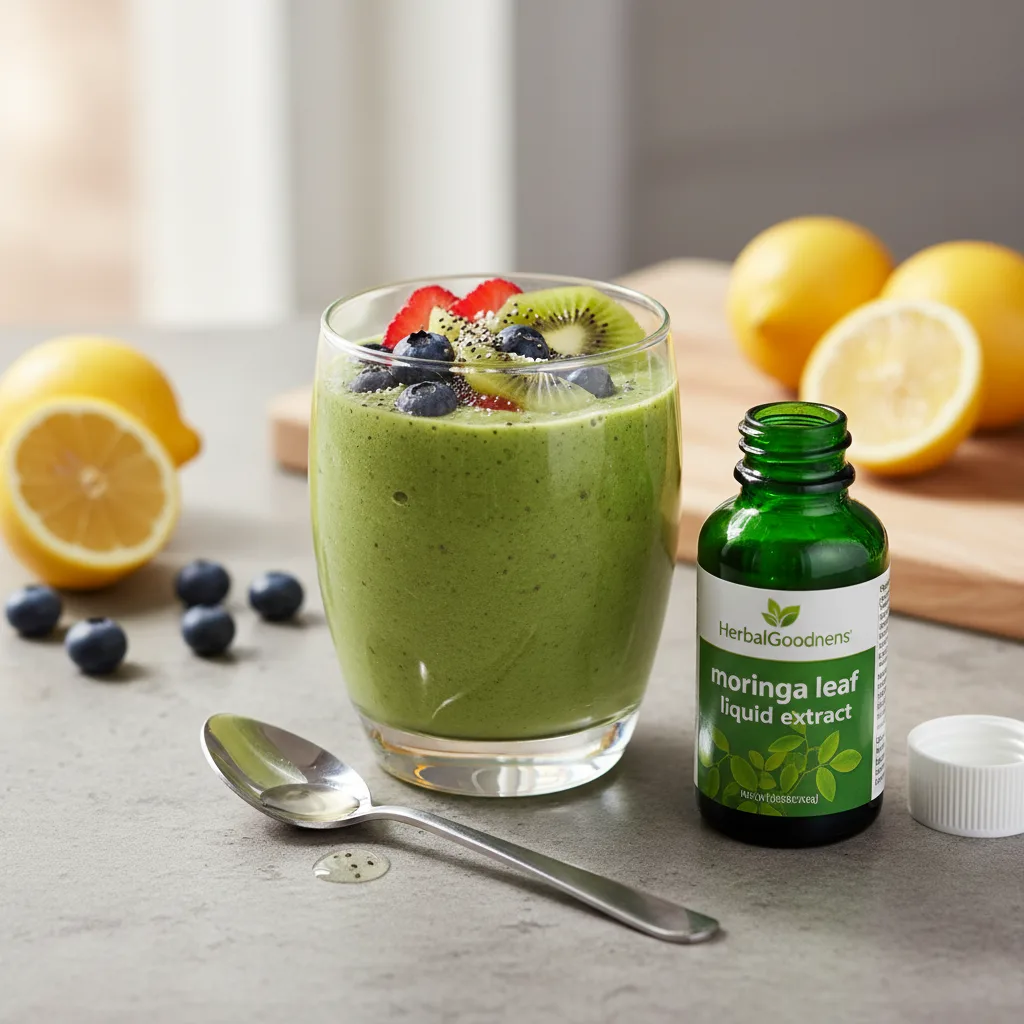
- Smoothies: Swap ½ teaspoon moringa powder for 2–3 drops liquid extract per serving. If using extract, blend as normal; for powder, blend thoroughly to avoid any settling.
- Teas: Liquid extract works best in lightly flavored teas; add just 1–2 drops to a steeped cup. Powder will require vigorous stirring—start with ¼ teaspoon and adjust.
- Dressings: For vinaigrettes, try ½ teaspoon powder—whisk vigorously—or 3 drops of extract to taste.
- Baking: Use ½–1 teaspoon powder per 1 cup flour, or swap in 4–6 drops of extract dispersed into your wet ingredients.
Tip: Always taste as you go—moringa can develop as recipes sit, and a little goes a long way, especially with liquid extract.
If you enjoy the convenience and quick blending of drops, Papaya Leaf Extract - Organic 1oz 15X Liquid - Blood Platelet is another easily dispersible extract for experimenting in both drinks and desserts.
Best Practices for Blending and Mixing
Even seasoned cooks can run into challenges when integrating new botanicals. Here’s how to achieve smooth, flavorful results:
With Moringa Liquid Extract:
- Add extract to liquids and mix thoroughly for even distribution.
- Because of its potency, start with the lower end of suggested dosing and increase gradually.
- Integrates best in recipes that require no/low heat.
With Moringa Powder:
- Use a blender or whisk vigorously in liquids like smoothies, shakes, or pancake batters.
- Sift powder with dry ingredients before adding to recipes to prevent clumps.
- In thick recipes, mix into a small amount of liquid to create a slurry before incorporating fully.
If you want to upgrade your green drink game, Moringa Leaf Extract - Organic 1oz 15X Liquid Extract - Immunity & Wellbeing will give you that smooth, balanced flavor, particularly in cold drinks and teas.

Pairing Showdowns: Smoothies, Teas, Dressings, and Baking
Smoothies
- Powder: Blends easily, adds color and nutritional character; best with creamy fruits or nut butters.
- Liquid Extract: Seamless, unnoticeable texture; more subtle flavor if you want moringa in the background.
A nutritious herb enhance smoothies is Sea Moss - Raw Dried from St Lucia - 8oz Bag - Nature's MultiVitamins, which can be paired with moringa for a robust green drink.
Teas
- Powder: Noticeable earthiness, slight texture remaining in the cup; pairs well with spicy or citrus teas.
- Liquid Extract: Clean addition, ideal for lighter green or white teas—won’t overpower gentle tea flavors.
Try crafting comforting infusions starting with Bamboo Leaf Tea – 24/1.5g Tea Bags - Nature's Collagen & Biotin as a base before adding moringa extract.
Dressings
- Powder: Whisk into creamy dressings for an earthy undertone.
- Liquid Extract: Perfect in vinaigrettes or oil-forward dressings where clarity is a plus.
For other supplement drops suitable for vinaigrettes and light sauces, test Papaya Leaf Extract 16oz – Organic 15X Liquid Papaya Leaf Herbal Supplement or Papaya Leaf Extract - Organic 1oz 15X Liquid - Blood Platelet as your green herbal boost.
Baking
- Powder: Baked goods gain subtle flavor and vibrant green tone and can be used in both sweet and savory applications.
- Liquid Extract: Ideal for recipes where additional moisture won’t compromise the final texture; keeps coloring gentle and flavor light.
In baked or blended recipes, nutrient-dense Organic Papaya Seed Powder 4oz | Gut Cleanse & Digestive Support is also a versatile pantry companion to moringa.
Quick Moringa Recipe Inspirations
- Cucumber Citrus Cooler: Muddle cucumber and mint, add sparkling water, a splash of lime, and 3 drops moringa liquid extract. Stir gently.
- Tropical Green Smoothie: Blend banana, pineapple, coconut yogurt, and ½ teaspoon moringa powder for a silkily green drink.
- Lemon Herb Vinaigrette: In a small jar, combine olive oil, lemon juice, salt, pepper, and 4 drops moringa extract. Shake well.
- Morning Pancakes: Add 1 teaspoon moringa powder to your favorite pancake mix, whisk thoroughly, and cook as usual.
Building Confidence: Moringa Leaf Liquid Extract vs. Powder
Experimenting with moringa can be a sensory adventure. Both liquid extract and powder create unique opportunities in your kitchen, whether you want to gently enhance drinks or make plant-based recipes more vibrant. By understanding the taste, concentration, and pairing principles behind each form, you’ll be able to make thoughtful choices—and enjoy every flavorful outcome. Herbal Goodness encourages experimentation so you can find the perfect match for your palate and your recipe goals.
FAQs:
- How does moringa leaf liquid extract taste compared to powder?
Moringa leaf liquid extract offers a milder, smoother herbal flavor with less bitterness than powder, which is earthier and more robust. The extract blends seamlessly into liquids, while the powder adds more body and can create a subtle earthy thickness.
- When should I use moringa powder instead of liquid extract?
Moringa powder is ideal for thick, blended recipes like smoothies, yogurt bowls, hearty soups, and baking—places where its earthy notes complement other flavors and its fine texture can blend thoroughly.
- How do I swap moringa powder for extract in recipes?
Generally, use ½ teaspoon powder for every 2-3 drops of extract, adjusting to taste. Blending thoroughly is key for powder, while extract is ready to stir directly into liquids.
- What ingredients pair best with moringa liquid extract?
Citrus, cucumber, mint, and light sweeteners complement moringa extract’s subtle herbal notes, making for refreshing drinks, teas, and vinaigrettes.
- Does moringa powder change the color and texture of food?
Yes, moringa powder imparts a vibrant green color and soft earthy flavor. It can also add a slight creaminess or thickness, especially in drinks and baked goods.
- Are there any recipes where both moringa forms work equally well?
Smoothies, teas, and dressings can accommodate both forms. Choose extract for clear, smooth textures; powder for more robust or creamy results.
Author Name:
Herbal Goodness Editorial Team
Author Bio:
The Herbal Goodness Editorial Team specializes in holistic health and superfoods, blending science and nature to educate and empower our community.
References:
Introducing Graviola to Young Taste Buds: Fun, Family-Friendly Flavor Exploration
Graviola in the Classroom and at Home: Creative Activities to Teach Kids About Tropical Plants
Why Social Impact Matters in Plant-Based Wellness