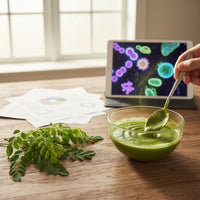





Moringa for Everyday Digestion: Forms, Food Pairings, and Mindful Exploration

Discovering Moringa for Everyday Digestive Support
Moringa, the nutrient-rich leaves of the Moringa oleifera tree, has captured the attention of wellness enthusiasts interested in natural approaches to comfort and nutrition. Long valued for its vibrant green color and phytonutrient profile, moringa is commonly appreciated as an addition to smoothies, teas, and herbal supplements. But what happens when you’re curious about how moringa might fit into your daily routine—especially in the context of everyday digestion? In this guide, we’ll explore the different forms of moringa, ways to enhance its flavor and compatibility with food, and gentle methods to notice how it makes you feel, all in a non-medical, curiosity-driven spirit.
Understanding Moringa: A Versatile Green
Known for its delicate leaves and mild earthy flavor, moringa is used around the world in culinary and herbal traditions. The versatility of moringa means it can be enjoyed in many preparations, each with its own unique sensory profile and practical benefits.
Forms of Moringa Commonly Available
- Powder: Dried and ground leaves, often noted for a grassy, spinach-like taste. Ideal for smoothies, shakes, energy balls, or as a subtle garnish for savory yogurt or oatmeal bowls.
- Tea: Crafted from whole dried leaves or tea bags, moringa tea offers a gentle, earthy flavor with a soft green aroma. Steeping methods and pairing with aromatics like ginger or mint can influence its taste.
- Tincture or Liquid Extract: Moringa leaves steeped in a liquid base (usually alcohol or glycerin). Often used in small, measured drops added to water, juice, or herbal tonics. If you want a concentrated and convenient way to enjoy moringa, consider trying Moringa Leaf Extract - Organic 1oz 15X Liquid Extract - Immunity & Wellbeing for easy addition to drinks and recipes.
- Capsule: Encapsulated moringa powder for convenient, flavor-neutral use. Especially appreciated by those who prefer not to taste the green notes of moringa directly.
Exploring these formats is a helpful first step before deciding how moringa can best fit into your lifestyle.
Flavor Pairings for Digestive Comfort
The true art of enjoying moringa lies in its food and flavor pairings. While moringa has a mild bitterness, blending it with complementary foods can highlight its natural character and foster digestive comfort.
Balancing Moringa’s Taste with Other Foods
- Bitters and Greens: Mixing moringa with arugula, kale, or dandelion greens in salads or juices creates a layered green flavor. Bitters have long been valued for their friendly role in culinary traditions and may also align with products such as Bitter But No Crap - 2fl.oz - Detox & Cleanse for additional support.
- Fiber-Rich Foods: Oats, chia pudding, or cooked whole grains are gentle pairing partners. Blending moringa into breakfasts with fiber-rich bases can support a balanced, satisfying meal. You might also enjoy products like the Organic Papaya Seed Powder 4oz | Gut Cleanse & Digestive Support to add more fiber to your routine.
- Gentle Spices: Spices like ginger, cardamom, cinnamon, or turmeric can harmonize with the earthiness of moringa, making its flavor more approachable. For teas, blending with lemon peel or peppermint is a popular choice. Pairing moringa tea with botanical blends can gently uplift the overall experience.
- Rich Fats: Adding a spoonful of moringa powder to nut butter toast, avocado toast, or yogurt can smooth out bitterness and yield a pleasantly creamy texture.
Simple Flavor Pairing Ideas
- Green Smoothie: Blend moringa powder with banana, spinach, avocado, and almond milk for a creamy green drink.
- Herbal Tea: Steep moringa tea with a slice of fresh ginger and a dash of honey. For those seeking alternative teas, Papaya Leaf Tea - Organic 24/2g Tea Bags can add variety to your digestive routine.
- Moringa Energy Bites: Combine dates, oats, moringa powder, coconut, and sunflower seeds; roll into bite-sized snacks.
- Savory Yogurt Bowl: Stir moringa and a pinch of cumin into yogurt, top with cucumber and pumpkin seeds.
Practical Tips: Observing Your Digestive Experience with Moringa
Everyone’s experience with moringa is uniquely personal. By approaching moringa with curiosity and observation, you can learn how it feels to include it in your daily food rituals.
Mindful Tasting and Noticing How You Feel
- Start Low and Go Slow: When new to moringa, begin with a small serving. For example, try half a teaspoon of powder or a single cup of tea, then gradually explore larger amounts if it fits your preferences.
- Adjust Format Based on Taste: If you find the flavor strong, try a capsule or blend the powder with your favorite smoothie ingredients. Many find Papaya Seed Powder Capsules – Gut & Colon Cleanse Support a helpful addition for digestive support in capsule form.
- Notice the Time of Day: Some people enjoy moringa in the morning as part of breakfast, while others prefer it in the afternoon paired with herbal tea—notice when it feels most fitting for you.
Creating a Simple Journaling Checklist
Reflecting on your experience helps bring awareness to how moringa fits into your day. Try this gentle journaling experiment:
Moringa Mindfulness Checklist
- What format did you try today (powder, tea, tincture, capsule)?
- What food/drink did you pair it with?
- What was your serving size?
- How did you prepare it? (Blended, steeped, sprinkled, etc.)
- Did you notice any changes in how you felt—energy, comfort, routine mood?
- How did you enjoy the taste, aroma, and texture?
- How does moringa fit with your mealtime or snack habits?
Write a brief note after each moringa experience for 5–7 days. Patterns may emerge about which formats and preparations suit you best. Remember, the journey is about curiosity rather than expectation.
Comparing Moringa Supplement Types: Practical Pros and Cons
To help you decide on your preferred moringa supplement style, here’s a quick rundown of the main differences you might observe as you taste and experiment.
Moringa Powder
- Pros: Versatile, economical, easily added to foods and drinks. Lets you control serving size and flavor.
- Considerations: Grassy taste may not suit all palates. Consistency will vary depending on how it’s blended.
Moringa Tea
- Pros: Warming, soothing, and easy to personalize with add-ins like lemon, herbs, or a drop of honey.
- Considerations: Flavor can be gentle or earthy depending on steep time and concentration. You might also experiment with other comforting teas, such as Soursop Leaf Tea Graviola Leaves - Organic 24/2g Tea Bags - Immunity & Cell Renew.
Moringa Tincture
- Pros: Concentrated, requires only a few drops per serving. Discreet; flavor can be masked in juice or tea. The Moringa Leaf Extract - Organic 1oz 15X Liquid Extract - Immunity & Wellbeing fits neatly into this category, especially for those seeking a potent, on-the-go option.
- Considerations: Strong herbal undertones when used alone. Best when diluted or blended.

Moringa Capsules
- Pros: Flavorless and portable. Simple for daily routines or those sensitive to green flavors. This is similar to how Blood Platelet Plus - 60/600mg 20X Strength Capsule - Platelet Boost offers an easy option for busy days.
- Considerations: Less flexibility with dose and pairing options; may not offer the sensory experience of other forms.
Moringa Preparation and the Sensory Experience
Exploring moringa isn’t just about nutritional benefits—its taste, aroma, and texture can be a mindful part of self-care and daily ritual.

Tuning Into the Five Senses
- Sight: Vibrant green tells you quality and freshness.
- Smell: Earthy, grassy, sometimes slightly sweet.
- Taste: Mildly bitter, with spinach-like notes. Some people alternate their greens with products such as Sea Moss - Raw Dried from St Lucia - 8oz Bag - Nature's MultiVitamins for nutritional variety.
- Touch: Fine powder feels soft; leaves in tea open gently during steeping.
- Sound: The whistle of brewing tea, the whirl of the blender, a quiet morning kitchen—mindfulness amplifies enjoyment.
Building Your Own Moringa Ritual
As you become familiar with moringa, try building simple routines:
- Toss powder into your morning smoothie on weekdays.
- Sip a cup of moringa tea in the afternoon while reading.
- Add a drop of tincture to lemon-ginger water before a walk.
- Journal a few lines afterward to connect the experience to your daily rhythm. For those who find benefit in combining superfoods, using something like Papaya Leaf Extract - - Organic 16oz 15X Liquid Extract alongside moringa may enhance routine variety.

Responsible Exploration: Quality, Sourcing, and Listening to Your Body
When exploring a botanical like moringa, selecting a product from a reputable brand such as Herbal Goodness can give peace of mind. Factors such as organic cultivation, third-party lab testing, and transparent sourcing help ensure that what you’re tasting aligns with your personal values and wellness priorities. Those seeking trustworthy options for digestion might also consider Belly Bliss Liquid Extract - Digestive Support as part of their approach.
Above all, observe your body’s messages. Enjoy moringa as part of a varied diet and listen with curiosity to your senses and daily comfort. There is no one "right" way—your unique experience is the best guide.
FAQs:
- Which form of moringa is easiest to start with?
Moringa capsules or tea are often the simplest for beginners. Tea allows you to control strength, while capsules are flavorless and convenient for routines.
- Can I add moringa powder to any food?
Moringa powder is versatile and blends well into smoothies, oatmeal, yogurt, or dipped fruit. Its earthy flavor pairs best when balanced with mildly sweet or creamy ingredients.
- What should I mix moringa tea with for better taste?
Moringa tea is commonly paired with a slice of lemon, mint, or a touch of honey. Spices like ginger or cardamom can add warmth and depth to its earthy notes.
- How often can I use moringa in a week?
Frequency depends on personal preference. Many people include moringa in small amounts daily or several times per week, adjusting based on flavor and lifestyle needs.
- Is it useful to journal about moringa use?
Yes, journaling helps track which formats and pairings feel most compatible with your routine. Noting serving sizes, methods, and sensory responses provides individualized insight.
- How do I know if a moringa product is high quality?
Look for clear labeling about organic growing, lab testing, and transparency from reputable brands like Herbal Goodness. Vibrant green color and fresh aroma are also good signs.
Author Name:
Herbal Goodness Editorial Team
Author Bio:
The Herbal Goodness Editorial Team specializes in holistic health and superfoods, blending science and nature to educate and empower our community.
References:
Introducing Graviola to Young Taste Buds: Fun, Family-Friendly Flavor Exploration
Graviola in the Classroom and at Home: Creative Activities to Teach Kids About Tropical Plants
Why Social Impact Matters in Plant-Based Wellness