




If ‘Soursop Bitters Near Me’ Comes Up Empty: Flavor-First Alternatives Guide

Finding flavorful bitters—particularly the uniquely tropical and slightly tart notes of soursop bitters—can sometimes feel like a rewarding sensory quest. Yet, what happens when you search for ‘soursop bitters near me’ and come up empty? This curiosity-driven guide explores what makes soursop bitters unique and introduces you to botanicals with similar bitter, tropical, or citrusy profiles. You’ll also discover creative ways to taste, compare, and enjoy alternatives, with friendly guidance for sourcing seasonal or small-batch substitutes. Dive in and let sensory discovery lead you to new favorites.
The Sensory Appeal of Soursop Bitters
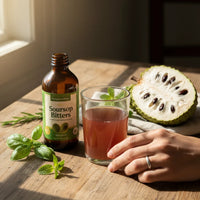
Soursop, often described as a tropical fruit with creamy, citrusy, and slightly bitter notes, is prized for its complex flavor. Soursop bitters infuse these flavors into a form traditionally enjoyed in teas, tonics, or mixed mocktails. While soursop bitters have gained popularity for their flavor, they can be difficult to find at local stores or even specialty shops.
So, when a local search draws a blank, curiosity can open new doors. Exploring similar botanicals can satisfy your sense of discovery—and your palate. For those keen on keeping soursop in their daily rituals, Soursop Leaf Graviola Extract - - Organic 15X Liquid Extract - Cell Renew & Immunity is a potent liquid alternative that captures the authentic notes of soursop in an easy-to-use format.
Exploring Botanicals with Similar Flavor Profiles
What Makes Soursop Bitters Unique?
- Tropical sweetness: Soursop bitters feature underlying notes reminiscent of pineapple and mango.
- Subtle tartness: A tanginess similar to ripe kiwi or green apple often lingers.
- Balanced bitterness: The defining bitter backdrop appeals to both traditionalists and adventurous tasters.
When you can’t find soursop bitters nearby, focusing on these flavor characteristics helps uncover new stand-ins that shine in their own right.
Botanicals Offering Comparable Bitter, Tropical, or Citrusy Notes
1. Bitter Orange Peel:
- Adds a distinct zest with mild bitterness and unmistakable citrus aroma.
- Popular in bitters blends, especially those designed for mocktails and teas. Incorporating our Bulk Herbs collection makes experimenting with orange peel and similar botanicals easy at home.
2. Grapefruit Peels:
- Brings a vivid, juicy bitterness and bright aromatic top notes.
- Excellent for infusions, offering both color and flavor that echo soursop’s tartness. If convenience is key, look for our organic herbal teas for versatile blends.
3. Lemon Verbena:
- Notable for its uplifting, citrusy scent and a delicate, slightly herbaceous bitterness.
- Suitable for hot teas and as a background note in botanical bitters blends.
4. Hibiscus:
- Contributes a tart, cranberry-like bite along with deep ruby color.
- Often paired with citrus to mimic the multi-layered tang of soursop. For a ready-to-brew option, Hibiscus Tea - Organic 24/2g Tea bags - Heart Health brings tangy flavor right to your cup.
5. Passion Fruit Bits:
- Integrates tropical aromatics with a gentle bitterness and complex sweetness.
- Widely enjoyed in both liquid extracts and as cocktail/mocktail flavorings.
Creative Ways to Taste and Compare Alternative Bitters
Exploring flavor is part trial, part delight! When soursop bitters aren’t readily available, consider these sensory-rich tasting experiences:
Tasting Botanical Bitters in Teas
- Simple Analyzing: Brew each botanical (dried or fresh) as a single-ingredient tea. Compare aroma, color, and flavor side by side. Enjoy a mindful moment with Soursop Leaf Tea Graviola Leaves - Organic 24/2g Tea Bags - Immunity & Cell Renew for a direct taste of soursop’s true flavor.
- Blending: Try combinations like hibiscus with grapefruit peel, or lemon verbena with passion fruit bits, to craft a layered experience reminiscent of soursop bitters.
- Mindful Sipping: Sip slowly—note how the flavor develops, which elements linger, and what surprises appear.

Mocktail and Non-Alcoholic Creations
- Bitters in Sparkling Water: Add a small spoonful of your alternative bitters blend to chilled sparkling water. Observe the aroma, effervescence, and aftertaste. This makes a refreshing tonic, especially with specialty botanicals from our Bulk Herbs collection.
- Citrusy Mocktail Base: Mix equal parts brewed hibiscus and grapefruit peel, then add a splash of lime juice, for a bright, tart, and gently bitter mocktail.
- Tropical Infusions: Combine passion fruit bits with bitter orange peel for a mocktail or iced tea that hints at soursop’s tropical complexity. Or, simply reach for Soursop Bitters 15X Liquid Extract – Organic Soursop Leaf Detox & Wellness Support to infuse concentrated tropical notes directly into your drink.
Home Infusion Experiments
- Quick Infused Bitters: Place dried botanicals in a small jar and cover with a neutral spirit or apple cider vinegar. Let sit for 2–3 days, then strain and sample. This is an ideal approach using high-quality botanicals like those found in the organic herbal teas selection.
- Fruit and Peel Tasting Plates: Arrange slices of fresh citrus, passion fruit, or dried hibiscus on a plate for a multisensory experience. Compare individually, then together.

Friendly Sourcing Tips for Bitters Alternatives
While specialty bitters stores or tropical grocers might not always carry soursop bitters, several strategies can help you uncover alternatives and seasonal substitutes:
Where to Find Flavorful Botanicals
- Local Farmers’ Markets: Vendors often offer unique dried or fresh peels, herbs, and tropical fruits perfect for infusing into teas or mocktails.
- Ethnic Grocery Stores: Latin American, Caribbean, or Asian markets may stock rare citrus, passion fruit, or hibiscus often used in bitters blends.
- Specialty Spice Shops: Dried ingredients like hibiscus, lemon verbena, and orange peel are commonly found. Make the exploration easier with our Bulk Herbs collection.
- Online Small-Batch Makers: Look for artisan producers specializing in botanical extracts or ready-to-use bitters alternatives.
Tips for Seasonal and Small-Batch Substitutes
- Ask Vendors: At markets, inquire about limited or seasonal bitter fruits and herbs you might otherwise overlook.
- Order in Small Quantities: Sampling small amounts can help you determine preferences before committing to larger purchases. Papaya Leaf Extract 16oz – Organic 15X Liquid Papaya Leaf Herbal Supplement is available in trial sizes, perfect for these test batches.
- Check Freshness: Especially for dried ingredients, ensure they are aromatic and vibrant—dull or faded botanicals often translate to lackluster flavor.

Sensory Profiles: How to Choose the Best Alternative for You
Each botanical bitters alternative delivers its own personality. Consider which flavor characteristic of soursop bitters you most enjoy, then match that to your selection:
If you love the creamy-tropical aspect:
- Try passion fruit, ripe mango, or pineapple peels infused in a neutral base. Papaya Leaf Extract - Organic - 15X Liquid - Blood Platelet can also lend fruity notes to blends.
For citrus brightness:
- Choose bitter orange peel or lemon verbena for pronounced aromatic lift. Hibiscus, featured in Hibiscus Tea - Organic 24/2g Tea bags - Heart Health, combines nicely with other citrus botanicals.
When tartness is key:
- Experiment with hibiscus and grapefruit peel; both offer a pleasant, lasting tang.
Seeking complexity:
- Create your own blend. Mix small pinches of two or more botanicals to discover a custom flavor. Start building your at-home bitters kit with high-quality our organic herbal teas and extracts.
Bridging the Gap: From Soursop Bitters Curiosity to Creative Taste Adventures
When your ‘soursop bitters near me’ search brings up empty shelves, it’s an invitation—not a dead end. Exploring botanicals with similar sensory profiles is a delightful way to reconnect with what draws you to tropical bitters in the first place. Each tasting, whether a mindful tea moment or a mocktail experiment, is a chance to discover new layers of flavor complexity. With options like Soursop Bitters 15X Liquid Extract – Organic Soursop Leaf Detox & Wellness Support, you can capture the unique appeal of soursop even when browsing locally isn’t fruitful.
Remember, part of the appeal of soursop bitters is the journey of flavor—rich, layered, and sometimes surprising. By staying open to flavor adventure, you’ll discover companions on the journey as rewarding as the bitters themselves.
FAQs:
- What flavors are similar to soursop bitters?
Soursop bitters are known for their unique blend of tropical sweetness, citrusy tartness, and gentle bitterness. Botanicals like bitter orange peel, hibiscus, passion fruit, and grapefruit peel share overlapping sensory notes and make compelling alternatives for those seeking similar flavor experiences.
- Can I make my own bitters with tropical or citrus notes?
Absolutely! You can infuse dried botanicals such as orange peel, hibiscus, and passion fruit in neutral spirits or apple cider vinegar. Experimenting with different combinations lets you create custom blends reminiscent of soursop bitters.
- Where can I find bitters alternatives if local stores are out?
Check local farmers’ markets, ethnic groceries, specialty spice shops, and online artisan producers for a wide variety of dried and fresh botanicals suitable for bitters blends.
- How do I taste and compare different bitters?
Try brewing the botanicals as single-ingredient teas and sampling them side by side. You can also mix them in sparkling water or create simple mocktails to observe aromas, top notes, and aftertastes.
- Are there easy ways to sample small batches before buying more?
Many spice shops and market vendors offer small-quantity purchases. Starting with samples allows you to explore flavor preferences before sourcing larger quantities or trying new blends.
- Do these alternatives work in both hot and cold drinks?
Yes. Most citrusy or tropical botanicals, like hibiscus and lemon verbena, perform well in both hot teas and cold mocktail infusions, letting you enjoy their flavor profiles year-round.
Author Name:
Herbal Goodness Editorial Team
Author Bio:
The Herbal Goodness Editorial Team specializes in holistic health and superfoods, blending science and nature to educate and empower our community.
References:
Introducing Graviola to Young Taste Buds: Fun, Family-Friendly Flavor Exploration
Graviola in the Classroom and at Home: Creative Activities to Teach Kids About Tropical Plants
Why Social Impact Matters in Plant-Based Wellness