



How to Write Product Descriptions for Papaya Leaf Detox Teas: Ethical Seller Guide

For ethical sellers and conscious consumers alike, creating (or reading) clear, compliant product descriptions is essential—especially in the rapidly growing market for papaya leaf "detox" teas. Whether you are a small business owner seeking to list your papaya tea for sale or a consumer wanting label transparency, understanding what counts as fair, accurate, and compliant language is key. This beginner’s guide explains how to describe papaya leaf teas in plain English, avoid common compliance mistakes, and foster trust by focusing on what matters most: flavor, origin, preparation, and transparent details—never unsubstantiated promises.
Understanding Why Clarity and Compliance Matter When Selling Papaya Leaf 'Detox' Tea
Writing about herbal teas can feel tricky, especially when the word "detox" catches interest but also raises compliance concerns. Many well-meaning sellers may accidentally cross lines by suggesting their products can do more than they’re legally or scientifically backed to deliver. In the U.S., regulatory bodies like the FDA and FTC require that herbal product descriptions avoid unverified health or disease-related claims. What’s permitted: factual, transparent language about sourcing, flavor, preparation, and certifications.
For consumers and businesses, this means labeling that is both truthful and easy to understand—without complicated jargon or vague wellness claims. Ethical sellers protect their customers (and themselves) by sticking to language that invites trust, not confusion.
Choosing Clear, Plain-English Words for Papaya Leaf Tea Descriptions
The foundation of any ethical product listing is clarity. Instead of using buzzwords, keep descriptions plain yet engaging. Here are a few tips:
- Avoid medical promises. Stick to what is traditional or commonly enjoyed, never what is "guaranteed" or "proved" to work.
- Describe with the senses. Highlight the tea’s aroma, taste, appearance, and mouthfeel.
- Be precise with sourcing and processing. Clear info on where leaves are grown and how they're handled adds credibility.
- Explain certifications in simple terms. Consumers appreciate knowing what “organic” or “fair trade” actually means.
For those seeking diverse usage or a strong value proposition, products like the Organic Papaya Leaf Extract 16oz | 15X Liquid – Best Value Size offer concentrated, certified organic extracts as an alternative format. Listing such options can further build credibility through transparency in both form and function.
Example (DO):
“This papaya leaf tea delivers an earthy, subtly bittersweet flavor, traditionally appreciated in many cultures.”
Example (DON’T):
“This tea detoxifies your body, flushes toxins, and improves your health.”
Emphasizing Flavor: Showcase What Makes Your Papaya Leaf Tea Stand Out
Taste is both a selling point and a compliance-safe detail. When selling papaya leaf detox tea, describe what sets its flavor profile apart. Use sensory keywords that help consumers imagine the experience:
- Earthy — Often the main note in papaya leaf tea, grounding the palate.
- Herbal — Suggests a fresh, green, or lightly grassy quality.
- Bittersweet — Some teas have hints of natural bitterness balanced by soft sweetness.
- Mild — Useful if the tea is less intense than other herbal blends.
Flavor Description Example:
“Papaya leaf tea has a mild, lightly bitter flavor with fresh herbal notes—enjoyed plain or with a splash of lemon for a gentle, soothing cup.”
Highlighting flavor helps buyers make informed choices without resorting to unverified claims about bodily effects.
For customers who value the pure taste and tradition of papaya infusions, Organic Papaya Leaf Tea | 24 Premium Bags – Caffeine-Free provides a ready-to-brew, single-ingredient tea. Detailing this option builds confidence in your listing by giving buyers exactly what they expect.
Sourcing and Quality: Building Trust Through Transparency
Today’s buyers want to know where their tea comes from and how it’s grown. Describing sourcing in your papaya leaf tea listings is one of the most effective ways to build trust and encourage responsible buying.
When writing about sourcing, consider:
- Country or region of origin: Specify where the papaya leaves are cultivated (e.g., “sustainably grown in Sri Lanka” or “ethically sourced from small family farms in Southeast Asia”).
- Farming practices: If certified organic, say so. If the tea is non-GMO or from pesticide-free farms, that’s important to note.
- Harvesting and handling: Sustainable, hand-picked, or minimally processed? Explain these details honestly—never exaggerate.
A listing for Organic Papaya Leaf Tea | 24 Premium Bags – Caffeine-Free can note that the tea is crafted from whole, organic leaves harvested at peak freshness, ensuring a consistent, premium product.
Example Sourcing Statement:
“Our organic papaya leaf tea is carefully hand-harvested from certified farms in Central America and processed to preserve freshness and flavor.”
Certifications: Simple, Credible, and Understandable Claims
Third-party certifications (such as “Certified Organic” or “Fair Trade”) give consumers confidence—if they are presented plainly and accurately. Avoid overloading your product page with icons or unexplained claims; instead, briefly state what the certification means for your tea.
- Organic: “Certified Organic by USDA, produced without synthetic pesticides or fertilizers.”
- Fair Trade: “Sourced from farms committed to fair labor practices.”
- Non-GMO: “Made with non-GMO papaya leaves, ensuring natural integrity.”
For those seeking an alternative or travel-friendly format, Organic Papaya Leaf Extract 1oz | 15X Liquid – Trial & Travel Size makes compliance and sourcing clear. Clearly stating the organic certification and its meaning creates trust with buyers.
Do not use certifications unless your papaya leaf tea genuinely qualifies. Clarify the certifier and what it means in everyday terms.
Describing Papaya Leaf Tea Preparation Without Jargon
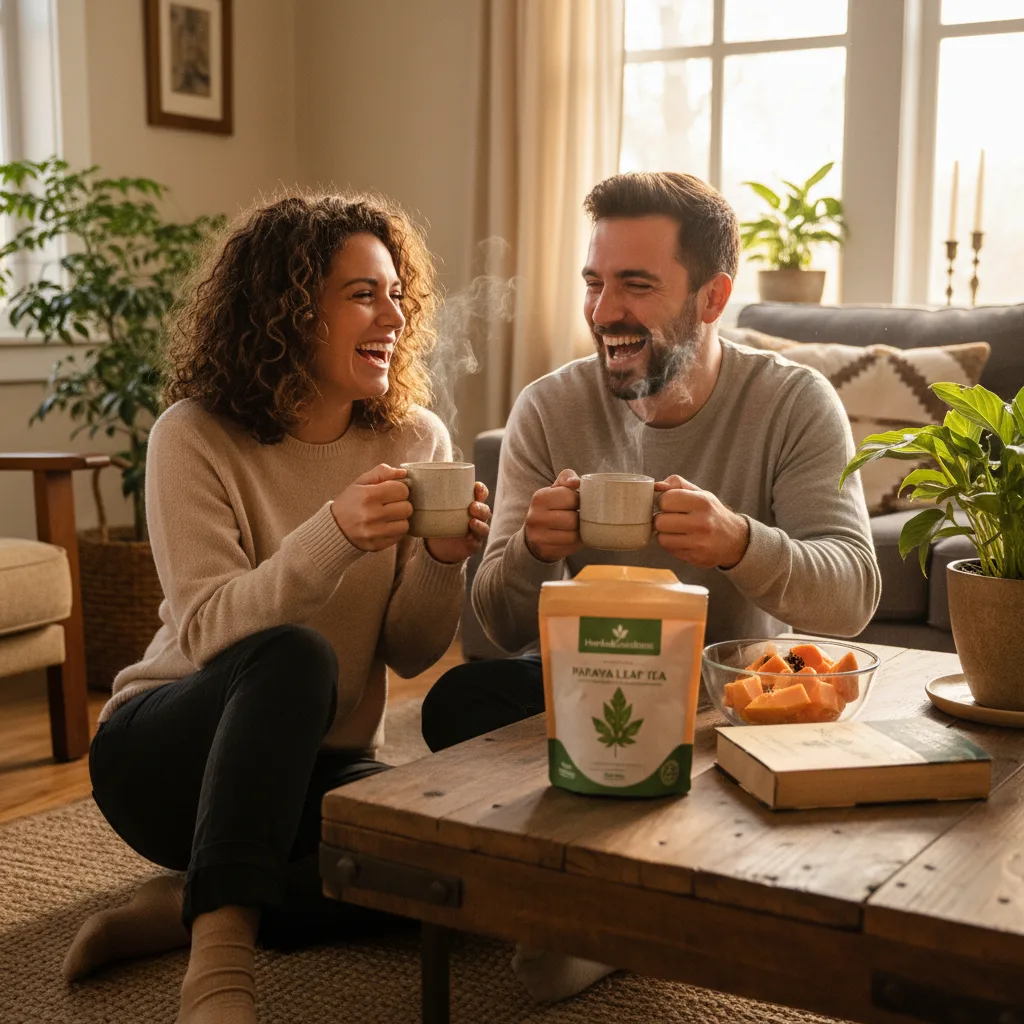
Help customers envision the process of making and enjoying your tea. Give brewing instructions that are user-friendly:
- Amount: “Use 1 tablespoon of loose leaves per 8-ounce cup.”
- Water temperature: “Steep in freshly boiled water.”
- Steep time: “Let steep for 5–10 minutes for desired strength.”
- Serving ideas: “Enjoy plain, or boost with a slice of lemon or a drizzle of honey.”
When describing these steps, keep language practical. Overcomplicating with technical jargon may discourage new buyers; staying simple welcomes everyone.
Example Preparation Note:
“Brew 1 heaping teaspoon of papaya leaf tea in hot water for 5–8 minutes. Strain and sip slowly—delight in the earthy notes with every cup.”
Travelers or those on-the-go can reference the portability of products like Organic Papaya Leaf Extract 1oz | 15X Liquid – Trial & Travel Size. The liquid format ensures easy measurement and consistent taste in every serving.
Imagery and Visual Language: Focused, Honest, and Appealing
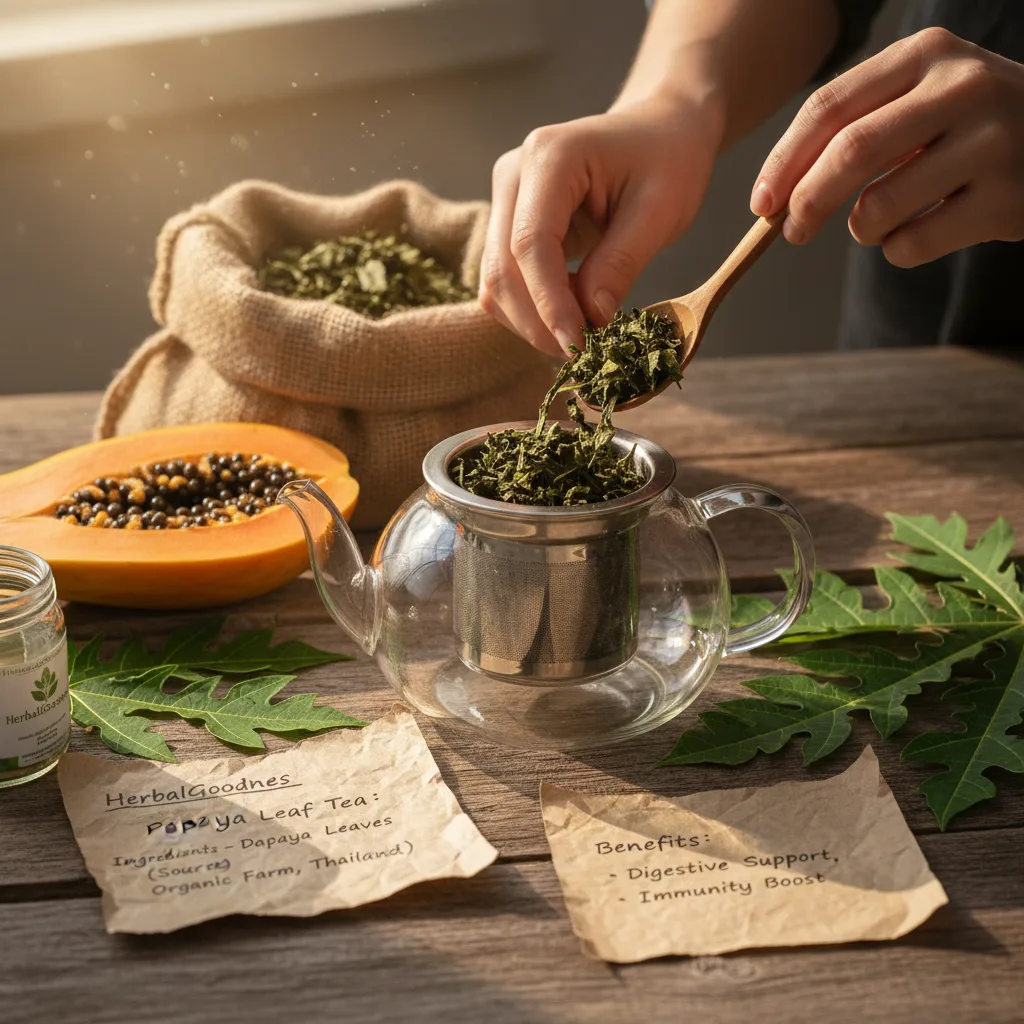
Photos and descriptive words work hand in hand. Choose imagery that represents the actual product—crisp visuals of tea leaves, prepared cups, and authentic brewing scenes. In your description, use adjectives that align with what the customer sees:
- Vibrant green leaves
- Golden amber hue in the cup
- Loose, natural leaf pieces or eco-friendly tea bags

Do not digitally boost colors or use photos of ingredients not present in the product. Honest visuals and accurate captions avoid misleading buyers and strengthen your ethical reputation.
A trustworthy listing for Organic Papaya Leaf Tea | 24 Premium Bags – Caffeine-Free might include actual product photos, descriptive captions, and a clear explanation of packaging, so customers always know what to expect.
Avoiding Health Claims: Essential Compliance for Ethical Sellers
It’s tempting to mention all the positive buzzwords about papaya leaf tea, but compliance is non-negotiable. This includes vague implications, such as “boosts immunity” or “cleanses the body.”
Instead, you can:
- Reference traditional uses in a respectful, non-medical way (e.g., “Papaya leaf tea is traditionally appreciated for its delicate taste and customary role in wellness routines around the world.”)
- Emphasize pleasure, enjoyment, and cultural appreciation.
- Focus on the experience and satisfaction of a high-quality herbal product.
For those with a specific interest in supporting platelets and digestive comfort, a compliant listing could also highlight Papaya Leaf Extract Capsules 600mg | 10X Strength – Platelet Support as another papaya-based format—described with careful attention to regulations.
Non-Claim Example (Compliant):
“Long valued in many cultures for its unique character, papaya leaf tea brings a satisfying, earthy cup to your daily self-care rituals.”
Labeling and Listing: Consumer-Centric, Legally Sound Practices
Good labels and listings put the consumer first. Always double-check wording against compliance guidelines and test for immediate clarity:
- Is every claim factual, verifiable, and non-medical?
- Would a customer feel confident knowing exactly what to expect?
- Is all language free of technical jargon or ambiguous wellness statements?
- Are sourcing and certifications explained in plain terms?
If the answer to each is yes, your product description is likely both compliant and customer-friendly.
Real-World Example: Ethical, Compliant Papaya Leaf Tea Description
To bring all these points together, here is what a compliant, engaging product description for a papaya leaf detox tea might look like:
“Experience the naturally earthy, lightly bitter notes of our organic papaya leaf tea—hand-harvested from certified farms and packaged for lasting freshness. Steep, sip, and savor this pure herbal infusion, traditionally appreciated for its taste and role in daily wellness routines. Prepared simply, with no added flavors or preservatives.”
This example prioritizes sensory details, provenance, certifications, and tradition—without overstepping into forbidden claims. Consider linking to a reputable Organic Papaya Leaf Extract 16oz | 15X Liquid – Best Value Size option for those interested in a powerful, versatile extract that aligns with these guidelines.
Conclusion: Building Trust with Transparent Descriptions
For ethical sellers—and discerning buyers—trust grows from clarity, compliance, and honesty. By focusing on flavor, sourcing, certifications, and preparation, you can present your papaya leaf detox tea with integrity. Avoiding unproven health claims isn’t just required by law—it’s a sign of respect for your customers. Let every word invite curiosity, deliver clear expectations, and reinforce your commitment to quality.
FAQs:
- How should I describe papaya leaf detox tea without making health promises?
Focus on sensory qualities such as taste, aroma, and preparation method. Mention traditional appreciation and sourcing details, but avoid suggesting any effects on the body. Use words like 'earthy' and 'refreshing' rather than unverified claims.
- Can I mention traditional uses of papaya leaf tea in my product description?
Yes, it's acceptable to reference traditional or customary uses in a respectful manner, as long as you do not state or imply that the tea has tested bodily effects or health benefits.
- What certifications are important for selling papaya leaf tea?
Organic, non-GMO, and fair trade certifications are valued. Clearly and honestly state which certifications your tea holds and briefly explain what they mean for the buyer.
- What imagery or language is best for papaya leaf tea listings?
Use authentic, honest images of the product, and describe visual aspects in the listing—like the tea’s color or leaf form. Avoid digitally altered photos or images that do not reflect the real product.
- Are there specific words I should avoid to keep my listing compliant?
Absolutely. Never use medical claims such as 'heals,' 'cures,' 'treats,' or language related to specific health outcomes. Stick to factual descriptors and avoid ambiguous terms like 'detoxifies' or 'boosts health.'
- How do I add buying intent without making health claims?
Highlight quality, sourcing, flavor, and certifications. Encourage purchase by emphasizing trust, transparency, and the unique sensory experience your tea provides.
Author Name:
Herbal Goodness Editorial Team
Author Bio:
The Herbal Goodness Editorial Team specializes in holistic health and superfoods, blending science and nature to educate and empower our community.
References:
Introducing Graviola to Young Taste Buds: Fun, Family-Friendly Flavor Exploration
Graviola in the Classroom and at Home: Creative Activities to Teach Kids About Tropical Plants