


How to Spot Quality Women’s Wellness Herbal Extracts Online

Shopping online for concentrated herbal extracts targeted at women's wellness can feel overwhelming. Dozens of products from countless brands promise purity, potency, and transformative results, but their labels can resemble complex puzzles—packed with numbers, industry jargon, and unverified claims. Whether you’re browsing for a new tincture, extract, or supplement, understanding how to interpret what’s on the label and beyond is essential for confident, empowered decisions.
Online, you’re met not just with an array of choices but also with the pressure of sorting quality from hype. This guide walks you through the process, from scrutinizing concentration ratios to evaluating ingredient sourcing and third-party testing. By breaking down these elements in easy-to-understand terms, you’ll know exactly what to look for in your next herbal extract—so you can shop with peace of mind and prioritize your wellness journey.
Understanding Concentration Claims in Herbal Extracts
When you spot a bottle claiming "10:1 Concentrate" or "Standardized to 20% X," you’re seeing concentration claims that signal how much raw herb is packed into each serving. Here’s what those numbers actually mean:
- Ratio extracts like a 10:1 mean that 10 parts of the original plant were used to make 1 part of the final extract. Higher ratios aren’t always better—they simply indicate the relative strength. Look for transparency about which part of the plant was used and how.
- Standardization refers to increasing consistency in the level of a particular plant compound, such as “standardized to 20% flavonoids.” This tells you the manufacturer consistently targets a specific active component.
- Full-spectrum extracts keep a broader range of the plant’s original compounds rather than extracting just one. This approach is often favored for a closer-to-nature experience.
Transparency is crucial: Reliable brands and sellers make it easy to find explanations for how their extracts are produced and what those concentration claims mean. If the information isn’t clear or accessible, that’s a red flag.
Decoding Extraction Methods for Women's Herbal Extracts
Extraction methods play a huge role in the quality and effectiveness of an herbal extract.
Common Extraction Techniques Explained
- Alcohol/ethanol extraction: Traditionally used for tinctures, this method preserves a wide range of plant constituents. If you’re sensitive to alcohol, look for brands offering non-alcoholic versions.
- Water extraction: Often used for teas and powders, water-extracted products might contain fewer fat-soluble compounds found in the original plant.
- CO2 extraction: This method is known for extracting specific compounds with minimal heat, making it popular for premium products highlighted as "solvent-free."
Products that specify their extraction techniques and explain their process often show a commitment to transparency and accountability. It’s a good idea to shop herbal extracts online where full extraction details are provided and clear.
Label Language: What Matters for Women’s Wellness
Labels on herbal extracts for women often highlight terms like “organic,” “wildcrafted,” “non-GMO,” or “vegan.” Here’s how to make sense of these:
- Organic: Ideally certified by a reputable organization (like USDA). Organic labeling assures you the plants were grown without certain synthetic chemicals.
- Wildcrafted: Indicates the herb was collected from the wild, not farmed. Look for ethical and sustainable wildcrafting notes to ensure responsible harvesting.
- Non-GMO & vegan: These badges signal absence of genetically modified organisms or animal products—important for many women’s wellness shoppers.
- Sourcing information: Credible brands often list the country or region of origin and details about farming practices. Ingredient transparency is a sign you’re looking at best quality herbal extracts.
Ingredient Lists to Watch:
A transparent label should clearly list all active and inactive ingredients. Avoid products that hide formulas behind vague terms like “proprietary blend” without further breakdowns. Straightforward, unambiguous labeling builds trust before you buy.
Assessing Sourcing and Ingredient Transparency
Knowing where and how an herbal extract is sourced is a smart way to gauge quality. Companies committed to women’s wellness provide details like:
- Country/region of origin
- Organic or sustainable certifications
- Harvesting practices (wildcrafted, shade-grown, family farmed)
Traceability means that you not only see where your product comes from but can feel good about its journey from plant to bottle. Ingredient transparency means every component—active and inactive—is declared clearly, offering peace of mind for ingredient-conscious shoppers.
If you want to shop the best quality herbal extracts online, look for sellers who provide a Certificate of Analysis or clear third-party testing reports for each batch or product. This shows accountability and pride in product integrity.
Third-Party Testing: What It Means and Why It Matters
Third-party testing is when an independent laboratory checks a product for purity, potency, and compositional accuracy. For those shopping premium or organic herbal extracts for women, these test results indicate whether the label matches what’s in the bottle.
What Should You See on a COA (Certificate of Analysis)?
- Identity verification so you know the right botanical species was used
- Concentration of key compounds (e.g., saponins, polyphenols, flavonoids)
- Screening for contaminants like heavy metals or pesticides
Top sellers often make these reports available online or provide them upon request—an important measure of ingredient transparency. If you’re exploring where to buy herbal extracts online, prioritize companies with published third-party lab results.
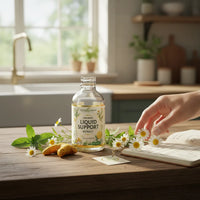
Packaging and Container Considerations for Online Herbal Extract Purchases
Packaging isn’t just aesthetics—it protects your herbal extract and maintains its integrity from shipping to storage. Here’s what to check:
- Material: Glass bottles are popular because they minimize chemical leaching. BPA-free plastic is a decent alternative, but check for certifications.
- Light protection: Dark amber or cobalt bottles help safeguard extracts from light, preventing degradation of sensitive compounds.
- Tamper-evident seals: A sign of product safety and freshness.
When shopping herbal extracts online, images of the actual bottle, as well as labeling of safety seals and storage instructions, add another layer of transparency and trust.
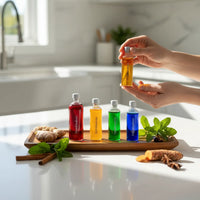
Sensible Sample-Sizing: Try Before You Commit
Online herbal supplement purchases often mean you can’t smell or taste the product before ordering. Look for brands offering smaller, sample-sized bottles or trial packs—this helps you assess the product’s characteristics and suitability without committing to a large or premium-priced bottle upfront.

This approach supports value and sustainability, letting you experiment to find the herbal extract format or concentration that works best for your needs and preferences before you buy in bulk.

Practical Checklist: How to Confidently Buy Concentrated Herbal Extracts for Women’s Wellness
Before placing an order, use this checklist to make sure your next purchase of concentrated herbal extracts aligns with your standards:
1. Label Clarity:
- Are all active and inactive ingredients listed?
- Is the concentration ratio or standardization plainly described?
2. Sourcing Transparency:
- Does the label specify the country or region of origin?
- Are organic, wildcrafted, or sustainable growing practices disclosed?
3. Third-Party Testing:
- Is there a posted or available Certificate of Analysis?
- Are tests recent (typically from the past year)?
4. Packaging Quality:
- Is the product stored in dark glass or BPA-free plastic?
- Are there tamper-proof seals and clear storage guidance?
5. Sample Sizing:
- Can you order a trial or smaller bottle for your first purchase?
6. Ingredient Transparency:
- Are botanical names clearly listed?
- Is the form (leaf, root, flower) visible on the label?
Taking these steps helps ensure every herbal extract you select online is as straightforward and trustworthy as its marketing claims. The more information a company shares, the easier it is for you to make a smart purchase.

Summary: Decoding the Herbal Wellness Marketplace for Women
The world of concentrated herbal extracts offers hope and inspiration for women on a wellness journey, but only with the right information at hand. As you explore online retailers and brands, prioritize label transparency, responsible sourcing, rigorous testing, and packaging that protects product quality.
Whether you’re new to herbal extracts or seeking the best quality options for sale, being informed is the best way to shop confidently—so your wellness choices support you in every way you intend.
FAQs:
- What does a 10:1 extract ratio mean on a women's herbal extract?
A 10:1 extract ratio means 10 parts of the original herb were used to create 1 part of the final extract. This indicates a more concentrated product. Always check label details for plant part and extraction method before you buy. For a high-concentration example, see the Organic Papaya Leaf Extract 16oz | 15X Liquid – Best Value Size.
- Why is ingredient transparency important when shopping for herbal extracts online?
Ingredient transparency ensures you know exactly what you're buying, including botanical names, plant parts, and additional ingredients. This lets you compare quality and make safe, confident purchases whether exploring Papaya Leaf Blood Support | Organic 15X Liquid Extract or another concentrated formula.
- How can I tell if an herbal extract for women is third-party tested?
Look for brands that display certificates of analysis (COA) or mention recent independent lab testing. Products such as Women's Herbal Wellness Supplements often note their testing status and ingredient breakdown.
- Are organic or wildcrafted herbal extracts better for women's wellness?
Organic and wildcrafted extracts often appeal to shoppers looking for natural, sustainably sourced products. Labels should specify organic certification or ethical wildcrafting, helping you make an informed choice. Try Raw Sea Moss 8oz Bag | St. Lucia Wildcrafted – Nature's Multivitamin for a wildcrafted option.
- What kind of packaging indicates quality in an herbal extract?
Quality herbal extracts are usually packaged in dark glass bottles or BPA-free plastic with tamper-evident seals. These features help preserve potency and ensure safety when you buy online.
- Can I order sample sizes before committing to a large bottle?
Many reputable herbal brands offer sample or trial sizes. This allows you to test the product’s characteristics and suitability before making a larger purchase online. See Organic Papaya Leaf Extract 1oz | 15X Liquid – Trial & Travel Size for an example of a convenient trial option.
- Where should I look for sourcing information on herbal extracts marketed for women?
Check the label and brand website for country of origin, farming certifications, and details about harvesting practices. Transparent sourcing helps you shop the best quality products for women's wellness online.
Ready to make your next purchase? Use this checklist as your online shopping companion to vet concentrated herbal extracts for women's wellness—and shop with clarity and confidence.
Author Name:
Herbal Goodness Editorial Team
Author Bio:
The Herbal Goodness Editorial Team specializes in holistic health and superfoods, blending science and nature to educate and empower our community.
Referrences:
How to Spot Marketing Hype in Natural Hair Growth Supplements Guide
How to Spot Quality Women’s Wellness Herbal Extracts Online
How to Test a Mushroom Tincture for Focus: Workday Self-Experiment Guide
How to Vet a Private Label Supplement Manufacturer Before Buying
INCI Names for Botanicals: Shopper’s Guide to Herbal Extract Labels