


How to Search for Organic Mushroom Extract Online: Shopper’s Guide & Checklist

Searching for an “organic mushroom extract” online can be an overwhelming experience for both new and seasoned wellness enthusiasts. Product pages are filled with promising headlines, unfamiliar label terms, and a confusing mix of sellers from large retailers to boutique herbalists. If you’re curious about adding mushroom extracts to your routine or seeking a clean, potent source, understanding how to navigate these choices is essential.
This guide breaks down the most important tips, label keywords, and criteria to watch for as you explore options—empowering you to make informed, confident, and non-medical decisions on your organic mushroom extract journey.
Why Search Terms and Label Details Matter
When you type "organic mushroom extract buy online" into a search engine, you’ll be greeted with thousands of results. Not all products—or sellers—are the same. The choices you make at this first step will shape what you find: the quality, safety, potency, and trustworthiness of potential extracts. Key industry terms, extract formats, and labeling transparency make a difference in what ends up in your cart.
Let’s start by breaking down the core search strategies, then explore the label terms and seller types, before highlighting the practical red flags that savvy shoppers should know.
Using Keywords to Narrow Your Mushroom Extract Search
Online searches work best when you use precise keywords that reflect your needs. Here’s how to better refine your results:
-
Start Specific: Begin with the main phrase "organic mushroom extract." Add details such as the mushroom species (e.g., “reishi”, “lion’s mane”, “cordyceps”) if you have a preference.
-
Include Extract Type: Phrases like "fruiting body extract," "dual extract," or "beta-glucan" help filter high-quality extracts.
-
Shopper Intent: Including words like “COA” (Certificate of Analysis), “third-party lab tested,” or “USDA organic” signals you’re seeking thoroughly vetted products.
-
Exclude Unwanted Terms: Use minus signs to avoid results you don’t want, e.g., “-powder” if you prefer liquid extracts.
Take time to experiment with these combinations on both search engines and within marketplace platforms. The language you use directly shapes your product results.
Example Search Combinations
- Organic lion’s mane mushroom extract dual extract
- Fruiting body only reishi mushroom extract COA
- USDA organic chaga extract beta glucan lab tested
Decoding Label Terms: What They Actually Mean
Mushroom extract labels are full of specialized terms. Here’s a plain-language checklist for interpreting key attributes and what to look for:
Fruiting Body vs. Mycelium
- Fruiting Body: Refers to the visible part of the mushroom, traditionally harvested for wellness use. Many shoppers value extracts from fruiting bodies, believing they contain higher levels of certain bioactives.
- Mycelium: The root-like network below ground. Mycelium biomass is sometimes grown on grain and included in extracts; transparency in labeling here is crucial, as the two forms differ in composition.
Shopper Tip: Look for products that specify “fruiting body extract” on their label or listing, if that aligns with your goals. If a supplement includes mycelium, reputable brands will clarify this.
Extract Types: Water, Alcohol, and Dual Extracts
- Water Extracts: Utilize hot water to draw out water-soluble constituents, often used for polysaccharide-rich mushrooms like reishi.
- Alcohol Extracts: Use alcohol to access different compounds, such as triterpenes.
- Dual Extracts: Combine both water and alcohol (sometimes termed “full spectrum”), aiming for a broader range of mushroom constituents.
Shopper Tip: If you’re not sure which to pick, look for “dual extract” for versatility, but always check what’s disclosed about the extraction process.
Extract Ratios (e.g., 10:1)
- An “extract ratio” such as 10:1 signals that 10 parts raw mushroom were used to make 1 part extract.
- Higher numbers suggest concentration, but do not guarantee higher potency—quality and raw material form matter too.
Shopper Tip: The best listings explain what the ratio means for each batch. Ask questions if this information is missing or vague.
Beta-Glucan Content
- Beta-glucans are naturally occurring compounds sought after in mushroom extracts. Many reputable brands test and display beta-glucan percentages in each batch.
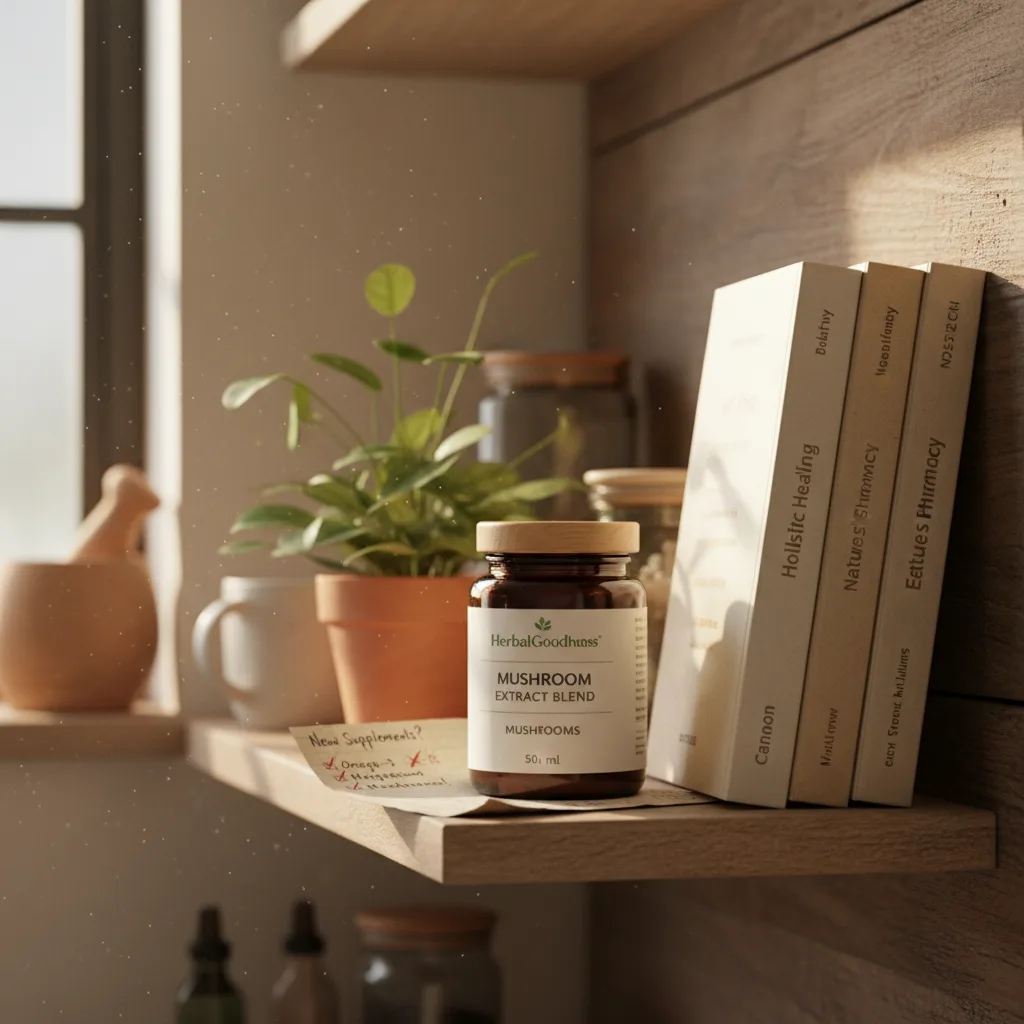
Shopper Tip: If the listing shows “X% beta-glucans, verified by third-party lab,” it’s a sign of transparency. If beta-glucans aren’t mentioned, you may want to inquire or choose a different product.
Understanding Seller Types: Marketplace, Apothecary, Direct Brand
As you browse mushroom extract products online, you’ll encounter three major types of sellers. Knowing the differences can help you match your priorities for quality, service, and transparency.
1. Large Marketplaces (e.g., Amazon, Walmart)
- Pros: Huge selection, fast shipping, reviews available.
- Cons: Product quality varies, listings may change frequently, and customer service differs by third-party sellers. Occasionally, listings can be misleading if not carefully vetted.
2. Small Apothecaries & Herbal Boutiques
- Pros: Often emphasize artisan extraction methods, batch transparency, and personalized service. Some apothecaries are passionate about wildcrafting and small-batch production.
- Cons: Limited selection, longer ship times, variable online shopping experience.
3. Direct-from-Brand Online Stores
- Pros: Direct communication with the manufacturer, access to Certificates of Analysis (COAs), and clarity on company standards and ingredient sourcing.
- Cons: Requires researching each brand individually, some may be new to the space or have less third-party validation than larger sellers.
Shopper Tip: Read seller profiles and about-us pages carefully. Look for information about the source of mushrooms, manufacturing standards, and return policies. Reach out with questions to gauge responsiveness.
When comparing transparency and ingredient sourcing, you may also benefit from products standardized for quality, such as Mushroom Blend - Organic 15X Liquid Extract - Adaptogens. It’s also smart to explore adaptogenic options, including Rhodiola Root Organic Liquid Extract, if you want broader herb support in your wellness routine.
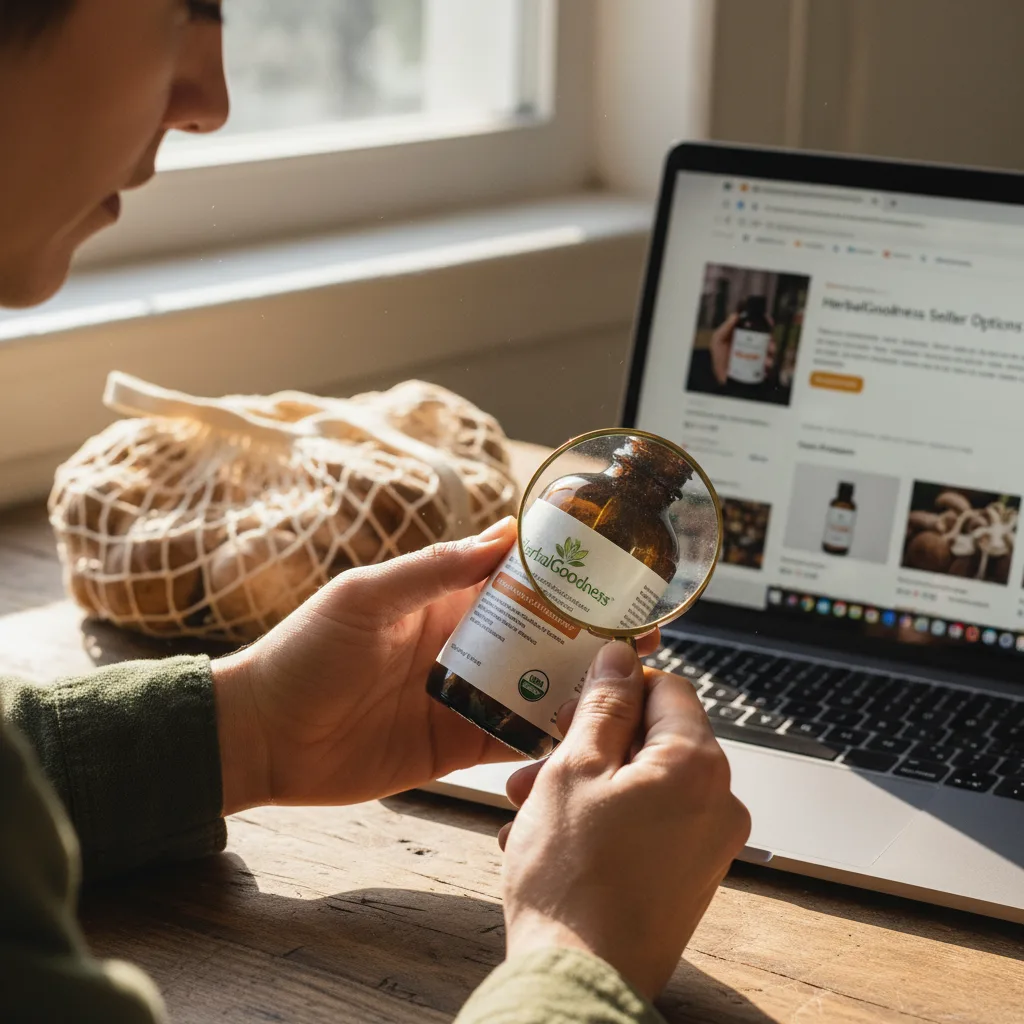
Essential Red Flags: Protecting Yourself When Shopping Online
With the growth of online herbal commerce, potential pitfalls exist. Here’s what a careful shopper should screen for:
Missing or Vague Certificates of Analysis (COAs)
- If a listing references lab testing, but does not display or easily supply a COA, that’s a reason for pause. Trusted sellers willingly share lab results confirming key attributes and absence of undesirable substances.
Unclear Sourcing or Ingredient Origins
- High-quality extracts come from clearly stated mushroom species, origin countries, and growth practices. If sourcing is “proprietary,” “unique blend,” or otherwise unclear, dig for more details or reconsider.
Ambiguous or No Extract Details
- If a label does not specify extract ratios, fruiting body versus mycelium, or extraction method, it may be hard to know what you’re buying. Transparent brands and listings address these factors.
Sketchy Return or Refund Policies
- Legitimate sellers openly share their return and refund processes. Lack of clear policies could signal potential issues with order reliability or customer care.
Overly Vague or Exaggerated Product Claims
- Watch for claims that sound too broad such as “magic mushroom power.” Trustworthy products are fact-based and refrain from sensationalism.
Building Your Own Comparison Checklist
When searching for the perfect organic mushroom extract, use the following checklist to compare products and sellers:
- Does the product specify mushroom species and extract type?
- Are extract ratios, beta-glucan percentages, or testing results disclosed?
- Is there clear separation between fruiting body and mycelium in ingredients?
- Are Certificates of Analysis or third-party lab results made available?
- Is the seller transparent about where their mushrooms are grown and how they’re processed?
- What is the seller’s return/refund policy?
- How does the overall presentation (website, product page, customer service) feel—professional or generic?
Products like Lion's Mane Mushroom Liquid Extract - Organic - Brain & Mood serve as good examples of detailed and transparent labeling, letting you check for species, extract type, and even dual extraction method.

If you value a spectrum of adaptogenic benefits, Mushroom Blend - Organic 15X Liquid Extract - Adaptogens provides both a mushroom blend and transparent ingredient sourcing. For those with broader interest in wellness adaptogens, Rhodiola Root Organic Liquid Extract can be an option that aligns with similar standards of clarity and purity.
Taking a moment to pause and evaluate with these questions can make the difference between a disappointing experience and finding a supplement you’ll feel confident about.
Summary: Confidently Navigating the World of Organic Mushroom Extracts Online
Shopping for organic mushroom extract online is more than a quick add-to-cart decision—it's a chance to learn, evaluate, and connect with the people and processes behind what you consume. With a discerning eye for label terms, trusted seller type, and key red flags, you’re empowered to make the right choice for your own unique journey. Taking charge of your research now brings lasting peace of mind every time you buy.
FAQs:
- What does 'fruiting body' mean on mushroom extract labels?
The 'fruiting body' refers to the above-ground part of the mushroom that is typically harvested and prized in traditional use. Some shoppers prefer extracts made solely from fruiting bodies.
- Why is 'beta-glucan' content important in organic mushroom extracts?
Beta-glucans are naturally occurring compounds valued in mushrooms. Clear labeling of beta-glucan percentage can help shoppers compare extract strengths and transparency.
- How can I verify the quality of an organic mushroom extract online?
Look for products that provide Certificates of Analysis (COAs), third-party lab testing, and detailed information on sourcing, extraction method, and ingredient transparency.
- Should I choose water, alcohol, or dual extracts?
Each extraction method draws out different compounds. Dual extracts often combine both water and alcohol processes, providing a broader spectrum of mushroom constituents.
- What’s the difference between marketplace sellers and direct brand shops?
Marketplaces offer greater selection and convenience, but brand websites often give more direct details on sourcing and batch testing. Evaluate each based on transparency and trust.
- What are major red flags when shopping for mushroom extracts online?
Missing COAs, unclear sourcing information, vague labels, and lack of return policies are all warning signs to approach a product or seller with caution.
- Can I request more information from sellers before buying?
Yes. Reputable brands welcome questions about their sourcing, extraction, testing, and quality policies. Open communication signals a transparent business.
Author Name:
Herbal Goodness Editorial Team
Author Bio:
The Herbal Goodness Editorial Team specializes in holistic health and superfoods, blending science and nature to educate and empower our community.
References:
Introducing Graviola to Young Taste Buds: Fun, Family-Friendly Flavor Exploration
Graviola in the Classroom and at Home: Creative Activities to Teach Kids About Tropical Plants
Why Social Impact Matters in Plant-Based Wellness