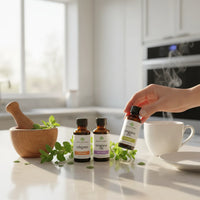





How to Safely Sample and Compare Oil of Oregano and Black Seed Oil Locally

Curiosity often strikes when you spot oil of oregano or black seed oil at your neighborhood store or farmers’ market. Before introducing any new botanical oil into your routine, it’s smart to approach the sampling process with care and curiosity. This guide is crafted for everyday shoppers seeking to safely sample and compare oil of oregano and black seed oil found locally—without hype, claims, or confusion. We’ll explore easy, stepwise methods for patch testing, proper dilution, mindful tasting, and tracking your impressions through sensory journaling.
Understanding Oil of Oregano and Black Seed Oil From Local Shops
Oils from herbs such as oregano and the seeds of Nigella sativa (commonly known as black cumin) have long histories of traditional use spanning culinary, aromatic, and wellness contexts. When purchased from local sellers—be it a co-op, apothecary, or farmers’ market—the options may vary in potency, aroma, and texture. It’s important to handle these potent oils thoughtfully, especially when evaluating new batches or unfamiliar brands.
Shopping at local sellers isn’t just about convenience; it also supports small vendors, often ensures fresher products, and gives shoppers an opportunity to ask detailed questions. Alongside these oils, you might find other potent botanicals, such as Oil of Oregano 75% Carvacrol – 2oz Liquid Extract | Buy Potent Oregano Oil for Immune Support, that can further enrich your understanding of plant-based wellness.
A Sensory-Based, Mindful Approach keeps the process safe, enjoyable, and personally informative without relying on blanket endorsements or generalized promises.
Simple Dilution Guidelines for Oil Sampling
Both oil of oregano and black seed oil are highly concentrated. Proper dilution is your first line of safety when exploring these oils, especially when applying them to the skin or tasting a new brand.
1. Choosing a Suitable Carrier Oil
- Popular choices: Olive oil, grapeseed oil, sweet almond oil, or fractionated coconut oil.
- Select a carrier oil that’s neutral and familiar to your body.
If you already use plant extracts for general wellness, you may be familiar with highly concentrated Soursop Leaf Graviola Extract - - Organic 15X Liquid Extract - Cell Renew & Immunity, which also requires appropriate dilution.
2. Basic Dilution Ratios
- For Skin Sampling:
- Typical starting point: 1 drop essential oil per 1 teaspoon (5ml) of carrier oil (1:100 ratio).
- For very sensitive skin, use 1 drop per tablespoon (15ml) of carrier oil.
- For Tasting Experiments:
- If the oil is labeled for culinary use, blend 1–2 drops into at least a teaspoon (5ml) of olive oil for flavor sampling.
- Always check labels for dietary suitability before tasting.
Tip: Start with the lowest possible concentration, then adjust based on your comfort with aroma and taste.
Step-by-Step Skin Patch Tests (Aroma and Topical Tolerance)
Before using any new oil more broadly, a patch test is a gentle way to familiarize yourself with its effects on your skin and aroma senses.
1. Prepare Your Diluted Oil
- Follow the dilution instructions above.
- Mix only what you need for the patch test to keep it fresh.
2. Select a Sensitive, Accessible Area
- The inner forearm or behind the ear are ideal spots for a patch test.
3. Application Steps
- Wash and pat dry the patch test area.
- Apply a small dot (no larger than a pea) of diluted oil.
- Allow it to sit uncovered for 6–8 hours, avoiding washing or rubbing the spot.
While exploring topical applications, consider how other gentle herbal extracts, such as Papaya Leaf Extract - Organic - 15X Liquid - Blood Platelet, might fit into your broader wellness routine as you experiment with new botanicals.
4. Observe Sensations and Aroma
- Note any warmth, tingling, scent impressions, or discomfort during and after application.
- Wash off immediately if you experience strong discomfort.
This process offers a safe baseline preview of how your skin and senses respond to the oil.
Mindful Tasting Techniques for Culinary Oils
Some oil of oregano and black seed oil brands are intended for culinary use—always check if the product is marked as food grade. If so, tasting (in moderation) can be a rewarding part of exploring these oils’ unique flavors.
1. Start Small—Minimal Dosage
- Use a toothpick or dropper to transfer a tiny amount into a teaspoon of olive oil as a buffer.
- Swirl and taste, noting flavor without aiming for large quantities.
2. Hold and Observe
- Let the oil rest on your tongue for a few seconds before swallowing.
- Breathe gently to take in aroma as well as flavor.
3. Rinse and Reset
- Sip water or eat a bland cracker between oils to clear your palate before trying the next sample.
4. Cumulative Journaling
- After tasting each oil, jot down your first flavor, texture, and aftertaste impressions.
- Note intensity, aromatic qualities, and whether the flavor is pleasant, sharp, earthy, spicy, etc.
When keeping track of flavors and sensations, users invested in immune support may appreciate options like Black Seed Oil 8oz – Cold-Pressed Nigella Sativa Oil for Immune Support & Daily Wellness for comparison in taste and effect.

Keeping a Flavor and Aroma Journal
Comparing oil of oregano and black seed oil is as much about personal sensory preference as it is about observation. A simple journal serves as both record and reflection tool.
Journal Setup
- Use a notebook, digital notes app, or printable sensory worksheet.
- Create columns labeled Oil Name, Aroma Notes, Flavor Description, Texture/Finish, Dilution Ratio, Reaction/Comfort.
Consistent journaling can help you differentiate complex flavor profiles just as you would when tracking different Soursop Leaf Tea Graviola Leaves - Organic 24/2g Tea Bags - Immunity & Cell Renew varieties or herbal infusions over time.
Journaling Prompts
- What words best describe the scent? Is it herbal, pungent, sweet, or musty?
- How does the flavor evolve after tasting—does it linger, soften, or intensify?
- Do you notice a warming or cooling sensation?
- Any physical or sensory reactions to note?
Why Journaling Helps
- Builds confidence in understanding your own preferences.
- Simplifies future comparisons—even among different local batches or brands.
- Helps you track which dilutions or application methods felt the most comfortable.

Tips for Safe and Respectful Sampling With Local Sellers
Your local oil purveyors are a valuable resource and can make the comparison experience richer.
When Engaging Sellers:
- Politely ask if they offer sample bottles or tester droppers.
- Inquire about source, extraction methods, and carrier oils (if applicable).
- Share your journaling approach—many sellers appreciate thoughtful, informed shoppers.
Bringing mindful practices to your tasting can also extend to other botanicals, so explore informative options like Papaya Leaf Extract 16oz – Organic 15X Liquid Papaya Leaf Herbal Supplement that support observation and comparison skills.
Best Practices in Retail Spaces
- Never apply undiluted essential oils directly in public.
- Use cotton swabs or disposable spatulas when available.
- Always return testers and containers to their designated place.

Comparing Aroma and Flavor: Key Sensory Markers
Noticing the sensory differences between oil of oregano and black seed oil requires attention and a bit of vocabulary. Here’s how to focus your senses:
For Oil of Oregano
- Aroma: Often described as sharp, herbal, or medicinal
- Flavor: Pungent, spicy, and warming—with a lasting aftertaste. Even diluted, can deliver a bold punch.
- Texture: Light and quickly disappearing on the tongue when blended with carrier oils
For Black Seed Oil
- Aroma: Earthy, slightly bitter, with a hint of spice reminiscent of cumin
- Flavor: Nutty, peppery, and sometimes savory. Leaves a rich, lingering finish.
- Texture: Slightly viscous, may coat the mouth longer than oregano oil
Documenting these nuances deepens your appreciation and connects you with culinary and aromatic traditions behind each oil. For those specifically interested in flavor nuances, sampling high-quality Soursop Leaf Graviola Extract - - Organic 15X Liquid Extract - Cell Renew & Immunity can broaden the palate and context for your journaling.
Checking Personal Tolerance and Preferences
Everyone’s senses and thresholds are unique. Approaching sampling with patience and careful notes ensures your experience is positive.
- If any irritation or pronounced discomfort occurs—on the skin or with taste—pause use and revisit your dilution ratios or patch test method.
- Tolerance for aroma can shift over time; you may find your assessment evolves through repeated exposure.
- For sensitive individuals, it may help to repeat skin or taste tests with a reduced oil concentration.
Exploring additional botanicals, like Papaya Leaf Extract Blood Support - Organic 15X Liquid Extract - Platelet Health, can provide extra context to your personalized evaluation process.
Reflection: Making Informed Choices Locally
By following dilution, patch testing, and journaling methods, you create a clear personal profile of each oil of oregano and black seed oil you encounter locally. Not only will your choices be safer, but you’ll gain satisfaction from mindful, respectful exploration—one batch and one aroma at a time. In the world of herbs, curiosity and observation are your best guides.
FAQs:
- What is the safest way to do a skin patch test with oil of oregano or black seed oil?
Dilute one drop of the oil in at least one teaspoon of a neutral carrier oil, then apply a small amount to a clear area on your inner forearm. Wait 6–8 hours, observing for any sensation or reaction.
- Can I taste oil of oregano or black seed oil from local sellers?
Only taste oils labeled as food grade or culinary. Always dilute by mixing with a carrier oil like olive oil and start with the smallest possible amount.
- Why is sensory journaling recommended when sampling herbal oils?
Journaling helps you compare aromas, flavors, and personal comfort, making it easier to remember preferences, track tolerances, and choose the most enjoyable oil for your needs.
- How should I ask local sellers about their oil products?
Ask if testers or sample bottles are available, inquire about their sourcing and carrier oil, and respectfully communicate your interest in sensory evaluation and journaling.
- What are common differences in aroma between oil of oregano and black seed oil?
Oil of oregano is typically sharp and herbal, while black seed oil tends to be earthy and mildly spicy. Journaling these differences helps deepen your sensory awareness.
- How can I safely compare flavors of both oils?
Dilute each oil in a bland carrier (like olive oil) and taste each one separately, taking notes and rinsing your palate in between.
- What if I notice discomfort after sampling an oil?
Discontinue sampling, rinse the affected area with mild soap and water, and consider reducing the oil concentration in future tests. Consult a wellness professional if needed.
Author Name:
Herbal Goodness Editorial Team
Author Bio:
The Herbal Goodness Editorial Team specializes in holistic health and superfoods, blending science and nature to educate and empower our community.
References:
Oregano Oil vs. Black Seed Oil: Sensory & Sourcing Guide
Introducing Graviola to Young Taste Buds: Fun, Family-Friendly Flavor Exploration
Graviola in the Classroom and at Home: Creative Activities to Teach Kids About Tropical Plants