





How to Make Gentle Oregano Oil–Infused Olive Oil: Easy Dilution & Storage Guide

Exploring oregano oil for the first time can be both intriguing and slightly daunting, especially if you’ve heard about its potent aroma and robust flavor. Concentrated oregano oil is celebrated in both culinary and aromatic settings, yet its intensity means it should always be diluted before adding to foods, recipes, or homemade kitchen blends. If you’re new to working with essential oils or simply want to elevate your olive oil game, learning to make a gentle oregano oil–infused olive oil with the right dilution and care is a rewarding kitchen project. In this beginner’s guide, you’ll find step-by-step advice for safe dilution, flavor and sensitivity testing, pairing ideas, gentle recipes, and useful storage tips—all tailored to maximize both flavor and freshness.
Understanding Oregano Oil and Why Dilution Matters
Before you start mixing, it’s worth understanding what makes oregano oil unique and why it should never be used undiluted in culinary creations.
What Is Oregano Oil?
Oregano oil, typically derived from the leaves and flowers of Origanum vulgare, is highly concentrated and aromatic. Commonly appreciated in the culinary world for its complex, peppery notes, oregano oil has a strong profile that, if used improperly, can easily overpower other ingredients.
Why Dilute Oregano Oil?
- Potency: Concentrated oregano oil is very strong, requiring dilution for both safety and pleasant taste.
- Flavor Control: Proper dilution helps mellow intense flavors, offering more flexibility in recipes.
- Aromatic Uses: A gentler oil blend can be used more comfortably for aromatic purposes, like bread dipping or salad drizzle.
- Sensitivity: Direct or highly concentrated exposure to oregano oil can cause skin and flavor sensitivity for some individuals.
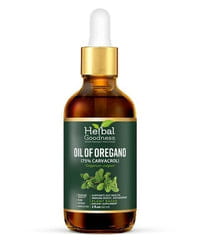
For those interested in exploring immune support beyond the kitchen, the Oil of Oregano (75% Carvacrol) - 2oz Liquid - Immunity provides an easy way to incorporate this herb in a wellness routine.
Step-by-Step: Making Oregano Oil–Infused Olive Oil
Infusing olive oil with oregano oil is straightforward with the right approach. For culinary and aromatic purposes, always use a high-quality, food-grade oregano oil and extra-virgin olive oil for best results.
Basic Materials Needed
- Food-grade oregano oil (check for culinary use on the label)
- Extra-virgin olive oil
- Small glass bottle or jar (preferably amber or dark-colored)
- Glass dropper (for precision)
- Clean funnel (optional)
- Label and pen (for dating and identifying batches)
Choosing the Right Dilution Ratio
Diluting oregano oil depends on your intended use and personal taste sensitivity. As a beginner, you’ll want to start gently to acquaint yourself with the flavor and aroma profile.
General Beginner Ratio:
- 1 drop oregano oil : 1 tablespoon (15 mL) olive oil
This produces an infusion that’s subtly aromatic and flavorful, suitable for culinary recipes and dipping oils without being overwhelming.
For Very Mild Flavor:
- 1 drop oregano oil : 2 tablespoons (30 mL) olive oil
This ratio is ideal if you have a sensitive palate or are trying oregano oil for the first time.
Note: Always err on the side of less, as intensity can sneak up—the drop method ensures consistent, safe results.
Including nutrient-rich additions can further elevate your homemade kitchen blends. Consider incorporating Sea Moss - Raw Dried from St Lucia - 8oz Bag - Nature's MultiVitamins into salads for a multi-mineral boost alongside your infused oil.
The Infusion Process: Simple Steps
- Sanitize Your Bottles: Wash with hot soapy water, rinse thoroughly, and let air dry.
- Measure Olive Oil: Pour the desired amount of olive oil into your bottle or jar using a funnel.
- Add Oregano Oil: Use a clean dropper to add oregano oil, counting drops carefully. Start with a single drop per tablespoon.
- Blend: Gently shake or stir to combine. Allow the oil to sit for 10–20 minutes for optimal infusion.
- Label: Mark the date, dilution ratio, and contents. Store in a cool, dark place.
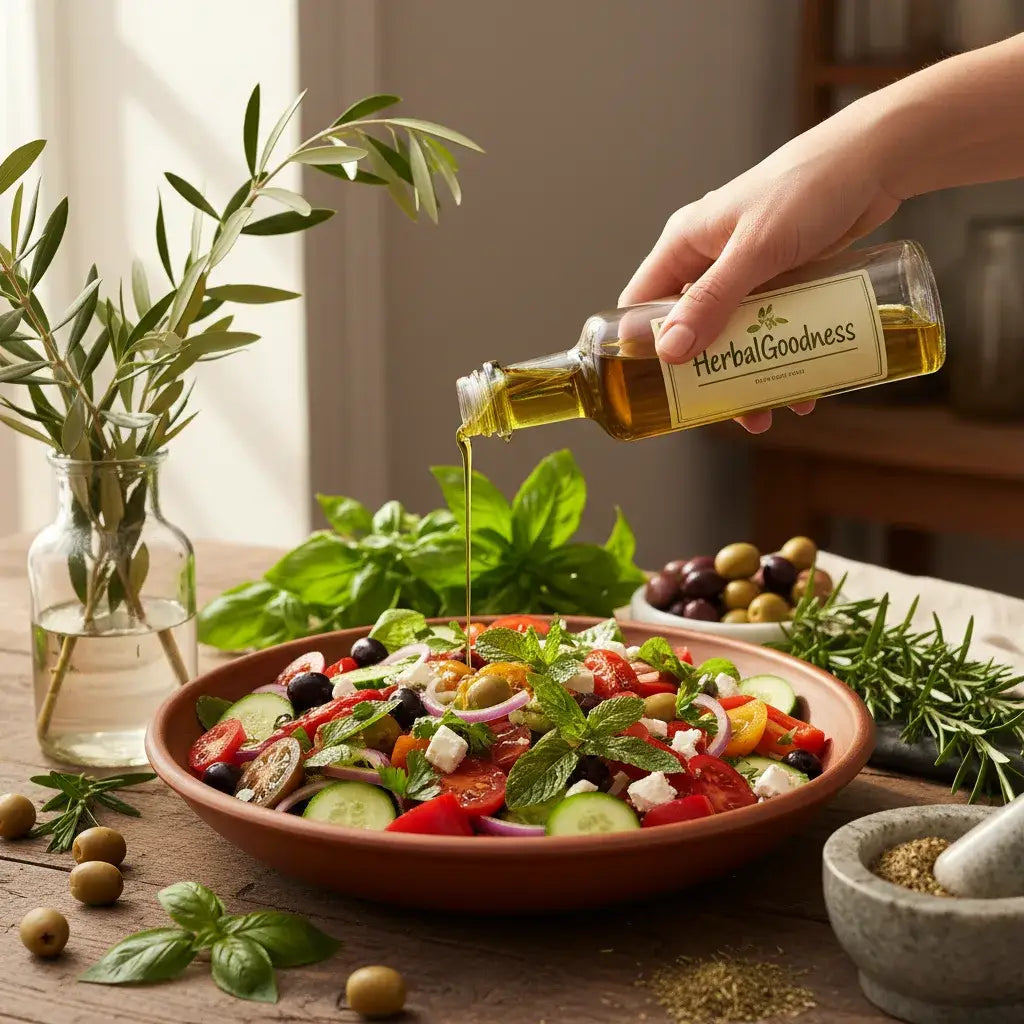
Testing Flavor and Sensitivity: A Beginner’s Approach
Everyone experiences flavor—and essential oils—in their own way. Here’s how to test your newly infused oil:
Guided Tasting
- Start Small: Dip a small piece of bread or vegetable into your infusion.
- Pause and Observe: Assess the aroma, warmth, and taste. Oregano oil is known for its peppery, herbaceous profile.
- Adjust: If the flavor is too faint, add 1 more drop of oregano oil per tablespoon (never exceeding 3 drops per tablespoon for culinary use).
- Wait Time: Allow a few minutes between tastings, as the heat and aroma can build with repeated sampling.
Sensitivity Check
Oregano oil’s compounds can occasionally cause mouth or skin sensitivity. If you notice warmth or tingling, try the more diluted version next time. Digestive support can also enhance comfort when testing new infusions—consider Papaya Leaf Extract - Organic 1oz 15X Liquid - Blood Platelet, known for its gentle properties.
Culinary Ideas: Pairings and Simple Recipes
Infused olive oil with oregano makes a fragrant, versatile addition for everyday cooking. Here are ways to explore this new ingredient:
Flavor Pairings
- Mediterranean Dishes: Drizzle on roasted vegetables, grilled fish, or warm pita.
- Salads: Blend into vinaigrettes with balsamic vinegar and lemon juice.
- Breads: Use as a dip for focaccia or artisan loaves, topped with sea salt.
- Pasta: Toss into fresh pasta before serving, letting the herb’s aroma shine.
Easy Oregano Oil–Infused Olive Oil Recipes
1. Simple Dipping Oil
- 3 tablespoons infused olive oil
- Pinch of flaky salt
- Fresh cracked pepper
- Serve with a rustic bread
2. Mediterranean Salad Splash
- 2 tablespoons infused oil
- 1 tablespoon red wine vinegar
- 1 teaspoon lemon juice
- Whisk together and toss with greens, cherry tomatoes, and cucumber.
For those who appreciate variety in their herbal beverages, pairing your salad or meal with Soursop Leaf Tea Graviola Leaves - Organic 24/2g Tea Bags - Immunity & Cell Renew can complement the herbal notes of oregano-infused olive oil.
3. Hearty Marinade Base
- 4 tablespoons infused olive oil
- 1 tablespoon lemon zest
- 2 teaspoons fresh garlic, minced
- Use to marinate tofu, poultry, or vegetables before grilling.
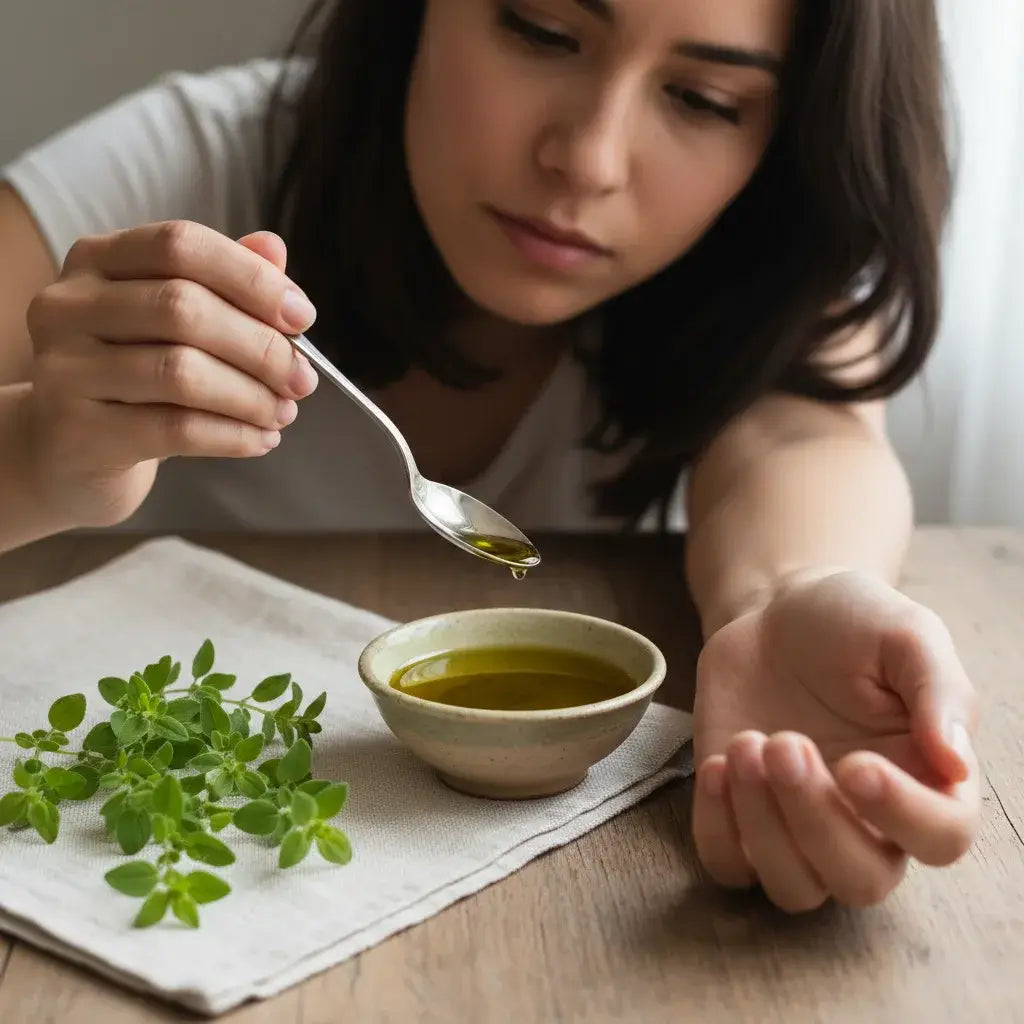
Freshness and Safe Storage: Tips for Longer-Lasting Oils
Homemade infused oils are best enjoyed fresh, but with proper storage, you can extend their flavor longevity.
Storage Basics
- Dark Bottles: Use amber or green glass containers to shield from light.
- Cool Location: Store away from heat or sunlight, such as a pantry or kitchen cupboard.
- Tight Seal: Always close bottles tightly to limit air exposure.
- Date Your Batch: Homemade infusions are best enjoyed within 2–4 weeks. Mark the date on your label and check aroma/flavor before using as time passes.
Signs Your Oil Needs Refreshing
- Loss of aroma or faint taste
- Off or rancid smell
- Cloudiness or separation
If any of these signs appear, it’s time to prepare a fresh infusion.
Exploring the Herbal Goodness Approach
Choosing high-quality essential oils and olive oil is the foundation of a rewarding infusion. Many home enthusiasts prefer brands that focus on transparency, sustainable sourcing, and safety—helping ensure your culinary projects are both enjoyable and reliable. Attentive sourcing doesn’t just apply to your oil; Papaya Leaf Extract Blood Support - 10X 60/450mg Capsules - Blood Platelet is another carefully formulated option for those passionate about plant-based wellness.
Honing Your Herb Skills: Next Steps
Once you’ve mastered the basic dilution and flavor balancing, you can experiment by making larger batches, infusing with additional dried herbs, or gifting your custom olive oil blends to friends. Keeping detailed notes about your favorite ratios and pairing discoveries helps you refine your approach over time. Exploring other culinary infusions, such as using Papaya Leaf Tea - Organic 24/2g Tea Bags, can further broaden your herbal kitchen creativity.
Enjoy your herbal journey, and savor the everyday possibilities unlocked by this gentle, aromatic infusion.
FAQs:
- Is oregano oil safe to use in food when properly diluted?
Yes, when diluted appropriately in a suitable carrier like olive oil and using high-quality, food-grade oregano oil, it can be safely enjoyed in culinary recipes. Always start with a gentle dilution to assess flavor and sensitivity.
- How long does homemade oregano oil–infused olive oil stay fresh?
With proper storage in a cool, dark place using a tightly sealed container, most homemade infusions retain their best qualities for 2–4 weeks. Always check aroma and taste before use.
- Can I use dried or fresh oregano instead of essential oil for infusing olive oil?
Yes, you can use dried or fresh oregano sprigs to make an infused oil, though the flavor profile will be more subtle than with a concentrated essential oil infusion.
- What if the flavor is too strong for my taste?
If your infusion is too intense, simply dilute by adding more olive oil. Always start with the lowest recommended ratio, as you can increase flavor slowly to your liking.
- Are there any recommended ways to enjoy oregano oil–infused olive oil?
This infusion shines as a bread dip, salad drizzle, marinade base, or finishing oil for roasted vegetables and pasta. Experiment with Mediterranean-inspired pairings for delicious results.
- Do I need to refrigerate my infused olive oil?
It’s not required for short-term storage (under 1 month) if using dried herbs and clean tools. For extra precaution or longer storage, refrigeration can help preserve freshness.
Author Name:
Herbal Goodness Editorial Team
Author Bio:
The Herbal Goodness Editorial Team specializes in holistic health and superfoods, blending science and nature to educate and empower our community.
References:
Introducing Graviola to Young Taste Buds: Fun, Family-Friendly Flavor Exploration
Graviola in the Classroom and at Home: Creative Activities to Teach Kids About Tropical Plants
Why Social Impact Matters in Plant-Based Wellness