




How to Judge Freshness and Quality When Buying Packaged Bamboo Leaf Tea

When browsing shelves or scrolling online for bamboo leaf tea, you might wonder how to tell if what you’re choosing is truly fresh and flavorful. While the world of tea connoisseurship can be highly technical, everyday tea lovers don’t need specialty tools or years of experience to make smart choices. This practical guide will walk you through the straightforward signs—visual, aromatic, and packaging clues—that help you judge the freshness and quality of packaged bamboo leaf tea. Whether you’re exploring bamboo tea for its subtle, grassy notes, or simply curious about trying something new, these tips ensure your first sip is a rewarding one.
Visual Clues: Inspecting Bamboo Leaf Tea
Before anything else, your eyes can often provide the first clues to tea quality. Here’s what to look for when it comes to the appearance of packaged bamboo leaf tea:
Leaf Cut and Grade
- Consistency: Fresh, high-quality bamboo leaf tea usually displays leaves that are cut evenly. Very small fragments or lots of dust can mean broken, older, or machine-processed leaves. Uniform pieces retain more natural flavor.
- Color: The most sought-after bamboo leaf tea has a vibrant light green hue. Faded, yellowish, or brownish leaves may indicate older or poorly stored tea. A true green speaks to recent harvest and careful handling.
- Cleanliness: Examine the tea for visible debris or twig fragments. Top-tier teas are carefully sorted and should be almost completely free of stems or foreign matter.
As you become familiar with what ideal bamboo leaf tea looks like, you’ll find it easier to compare both loose and bagged options. Teas with a signature green vibrancy will typically offer better taste and aroma once brewed.
Origin and Source Information
- Origin Hints: Some packaging includes the region or country of origin. Bamboo leaf tea sourced from known growing regions can suggest better quality control and freshness. Look for packaging that’s transparent about sourcing whenever possible.
Aroma Assessment: A Scent Test
One of the joys of tea is its aroma. Even before brewing, a quick waft can hint at the tea’s journey from field to cup:
- Fresh Green Notes: Open the bag (if possible) and smell. Fresh bamboo leaf tea often has a mildly grassy, slightly sweet fragrance with no mustiness. If you detect strong staleness, a woody or earthy scent, or no fragrance at all, the tea may have lost its vibrancy.
- No Unnatural Odors: Tea should be free from chemical or artificial smells. Any hint of plastic, perfume, or unnatural odors could indicate compromised storage or contamination.
An herb's natural scent is an important indicator of its efficacy and benefits. For those also interested in expanding a wellness routine, consider sampling Bamboo Leaf - Organic 15X Liquid Extract - Nature's Collagen & Biotin, which delivers the aroma and nutrients of bamboo in a convenient liquid form.
Understanding Packaging Dates and Storage
Packaging isn’t just a marketing tool. Small details on the label can offer big insights into freshness:
Best By and Packaging Date
- Recent Packaging: Look for a clear 'packaged on' or 'best by' date. This isn't the same as an expiration, but fresher is generally better for bamboo leaf tea flavor and aroma. A package date within the last 12 months is ideal.
- Opaque, Airtight Seals: Choose packages that limit the tea’s exposure to light and moisture. Opaque or metalized inner linings and solid re-sealable closures are signs the brand cares about preserving quality.

Storage Hints
- Avoid Clear Plastics: Clear bags allow in light, speeding the breakdown of delicate leaf compounds. Prefer opaque, paper, or foil packages when possible.
- Size of Package: For first-time buyers, a smaller size allows you to sample the flavor before committing—once opened, even well-sealed teas begin to lose their peak aroma over time.
If you’re curious to try a variety and compare, Organic Herbal Tea Trio offers a curated mix of herbal teas in smaller sizes, which is perfect for freshness testing before choosing a favorite.
Assessing Origin Hints on Labels
Often, knowing where your bamboo leaf tea comes from isn’t merely about prestige. The information can point toward quality standards and handling:
- Traceability: Labels noting the country, region, or even the estate/farm help give accountability. Countries with a long tradition of bamboo harvesting for tea are often more careful in their processing and packaging.
- Certifications: While not a guarantee of quality, certifications (such as organic, non-GMO, fair-trade) do demonstrate investment in better practices, which often translate to fresher, cleaner-tasting teas.
For those interested in premium tea blends from responsibly sourced origins, our organic herbal teas highlights origin and certification on its packaging, helping shoppers make transparent and informed decisions.
At-Home Brew Test for Bamboo Leaf Tea Freshness
You don’t have to finish a whole box to know if bamboo leaf tea is high quality. A simple at-home test can help you go beyond first impressions:

The Simple Brew and Taste Test
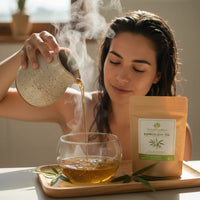
- Use pure, hot water (not boiling): Steep a standard serving (about 1-2 teaspoons per cup) for 3–5 minutes.
- Observe color: Fresh bamboo leaf tea typically steeps into a pale yellow-green. If the color is dull or darker than expected, the tea may be past its prime.
- Notice aroma while hot: The steam rising from your cup should carry light, clean, grassy notes.
- Taste: Quality bamboo tea is smooth, with mild sweetness and subtle herbaceous flavors, not bitter or stale. A lingering aftertaste is a good sign.
- Second steep: Great tea often reveals more flavor complexity in a second steep. If the flavor drops off instantly, the tea may not have been very fresh to begin with.
What a Fresh Brew Can Tell You
- Clarity: The liquid should be clear, without much residue at the bottom of the cup.
- No Off-Flavors: If your brew has a sharp, sour, or cardboard-like taste, consider it a sign to try a different source next time.
If clarity and taste matter to you, trying Bamboo Leaf Tea – 24/1.5g Tea Bags - Nature's Collagen & Biotin can be a smart benchmark for your at-home experiments because it’s crafted for maximum freshness in each bag.

Avoiding Common Pitfalls
Bamboo leaf tea, like many botanicals, can be affected by a few common quality pitfalls. Here’s how to sidestep them:
- Beware of Excessive Discounts: Deep discounts often mean the tea is past its ideal freshness window.
- Watch for Lack of Information: Packages that share little about contents, sources, or handling methods may not have the highest quality standards.
- Overly Fancy Additives: Simple ingredient lists (just bamboo leaves or leaf tips) usually indicate less tampering and more natural flavor.
If you want to explore traditional formulations without compromise, our Bulk Herbs collection provide uncompromising transparency in both ingredients and source, helping you skip uncertain blends.
Building Confidence in Your Choices
Learning how to judge packaged bamboo leaf tea helps you make more informed, satisfying selections—especially if exploring new brands or products. By focusing on sight, smell, and the subtle clues on packaging, you empower yourself to avoid disappointment and discover a world of clean, refreshing flavor. Once you’ve tried the at-home brew method, trust your senses and notes as you sample different varieties. Another option to diversify your experience is to try the Herbal Tea Gift Set – Wellness Tea Gift Variety Collection - Organic 24 Teabags, which features multiple herbal teas to compare and contrast freshness and quality at home.
Remember, even the freshest, highest-quality tea is best enjoyed as part of a balanced, varied lifestyle. If you find a brand or region you love, keep notes for future purchases, and don’t hesitate to explore small batches before buying in bulk.
Final Thoughts on Enjoying Bamboo Leaf Tea
With a little know-how and attention to detail, everyone can select a bamboo leaf tea with freshness and quality in mind. Your senses—sight, smell, and taste—are your best tools. Let curiosity guide you, and soon you’ll have a cup that reflects both the health of the plant and the care put into bringing it to your table.
FAQs:
- What does quality bamboo leaf tea look like before brewing?
It should have uniformly cut leaves with a vibrant light green color, minimal dust, and no stems or debris.
- How important is the packaging date on bamboo leaf tea?
The packaging date is very important—it gives you insight into how recently the tea was processed and sealed. Fresher dates usually mean better aroma and taste.
- Can I tell if bamboo leaf tea is fresh by its smell?
Yes. Fresh bamboo leaf tea will have a mild, grassy, and slightly sweet aroma, free from mustiness or artificial odors.
- Does the region or country of origin affect bamboo leaf tea quality?
While not a guarantee, teas from reputable regions or countries with known bamboo production often follow better harvesting and packaging standards.
- What is a simple way to test bamboo leaf tea freshness at home?
Brew a small amount in hot water for a few minutes—fresh tea yields a clear, greenish cup with mild, sweet flavors and light herbal aroma.
- Are clear plastic packages bad for bamboo leaf tea freshness?
Clear packages let in light, which can degrade leaf quality over time. Opaque or foil-lined packaging is generally best for freshness.
- Should I try a small package before buying bamboo leaf tea in bulk?
Yes, starting with a small package lets you judge the freshness and flavor before making a larger commitment.
Author Name:
Herbal Goodness Editorial Team
Author Bio:
The Herbal Goodness Editorial Team specializes in holistic health and superfoods, blending science and nature to educate and empower our community.
References:
Introducing Graviola to Young Taste Buds: Fun, Family-Friendly Flavor Exploration
Graviola in the Classroom and at Home: Creative Activities to Teach Kids About Tropical Plants
Why Social Impact Matters in Plant-Based Wellness