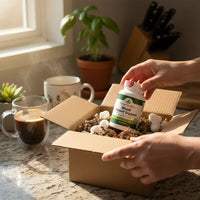





How to Host a Papaya Leaf Product Tasting & Online Shopping Comparison Night

Hosting a papaya leaf product tasting and online shopping comparison night is a fun, engaging way to explore the world of herbal products with friends or community members. Whether you’re simply curious about papaya leaf formats or want to feel more confident navigating online herbal shops, this guide will walk you through setting up a night of discovery. You’ll learn how to sample teas, tinctures, and powders, read product pages and labels with a discerning eye, and talk about what makes each product unique—without making or seeking any health claims.
The Idea: Exploring Papaya Leaf Through Shared Tasting and Shopping
Papaya leaf comes in various forms—tea, tincture, and powder—and each format brings its own flavor, preparation method, and presentation. Hosting a tasting night invites social learning: participants experience products side-by-side and share thoughts on sourcing, labeling, and shopping experience. Unlike events centered around health outcomes, this night focuses on curiosity, taste, and buyer confidence for those intrigued by the richness of herbal options online.
Planning Your Papaya Leaf Tasting Night
Step 1: Gathering Small Papaya Leaf Product Samples
Order modest, sample-friendly quantities of papaya leaf teas, tinctures, and powders. Many reputable brands offer sample sizes or introductory packs online. Opt for variety by selecting products from different sellers and online shops, noting those that provide detailed descriptions, ingredient lists, and resource links. Aim for inclusivity by including at least one tea, one tincture, and one powder for a complete exploration—this emphasizes the diversity of papaya leaf options available.
Step 2: Setting Up Your Tasting Table
Create sample stations for each product format—designate areas for preparing, serving, and tasting teas, tinctures, and powder blends. Arrange labels and product packaging so guests can inspect them easily. Set up cards for note-taking, allowing participants to jot down impressions of flavor, aroma, and appearance.
Have basic preparation tools ready: tea mugs, glass droppers or spoons for tinctures, measuring spoons, and cups for powders. Printed product pages from online sellers can assist guests in comparing listing clarity, stated sourcing, and other important features. For those seeking a true herbal experience, Papaya Leaf Tea - Organic 24/2g Tea Bags is a popular choice for tastings.
Step 3: Inviting Participants
Send curiosity-driven invitations. This event is ideal for small groups—invite herbal enthusiasts, friends interested in natural wellness, or anyone open to new sensory experiences. Set expectations by emphasizing this is a non-medical, flavor-forward exploration focused on buying experiences and product differences, not health outcomes.
Comparing Papaya Leaf Products: A Side-by-Side Experience
Tea: Savoring Simplicity and Aesthetic Appeal
Preparation: Steep according to package instructions, usually 5–10 minutes. Invite participants to observe the color, aroma, and flavor. When comparing teas, Papaya Leaf Tea - Organic 24/2g Tea Bags offers a clear representation of how cut size and quality affect taste and infusion.
What to Look For:
- Leaf cut size and clarity
- Packaging transparency
- Flavor notes—bitter, grassy, earthy, etc.
- Ease of preparation and clear instructions
Discussion Prompts:
- How does the packaging communicate sourcing and quality?
- Is the taste gentle, strong, or somewhere in between?
- Would you drink this on its own, or mix with other botanicals?
Tincture: A Potent Liquid Option
Preparation: Add a few drops to water per bottle instructions, or taste directly if label allows. Tinctures such as Papaya Leaf Extract - 1oz - Organic - 15X Liquid - Blood Platelet can be compared by viscosity, clarity, and flavor intensity.
What to Look For:
- Viscosity and clarity
- Dropper accuracy and ease-of-use
- Taste intensity and mouthfeel
Discussion Prompts:
- Is the label information helpful and easy to understand?
- How do ingredients lists differ between brands?
- Is there manufacturer information or references to lab testing?

Powder: Versatility in Blending
Preparation: Mix a small amount into water, juice, or a smoothie base. Powders bring their own strengths—texture, blendability, and flavor—making a complete exploration enticing for culinary experimentation.
What to Look For:
- Color and texture of powder
- How well it dissolves or blends
- Aroma and flavor profile
Discussion Prompts:
- Are usage instructions and serving sizes clear?
- Is it suitable for culinary blending?
- Are the ingredients listed with origin details?

Evaluating Product Pages and Seller Transparency
Key Shopping Prompts for Online Herbal Buyers
Label Clarity:
- Is the full botanical name (Carica papaya) provided?
- Are all ingredients—active and inactive—listed?
- Are preparation and serving instructions included or easy to find?
Seller Information:
- Is the seller’s company name, address, and contact details available and verifiable?
- Is there an “About” section or sourcing philosophy statement?
- Do they mention third-party certifications or quality standards?
Packaging Representations:
- Are photos of the package clear and up-to-date?
- Is there information about freshness guarantees, best-by dates, or batch numbers?
Test/Report Availability:
- Are Certificates of Analysis (COA), lab test reports, or third-party verifications available on request?
- Is there an FAQ or ingredient glossary for educational support?
Hands-On Product Comparison Exercise
As a group, explore printouts or screenshots of online product pages for the samples you’re tasting. Discuss which sites provide the most useful, trustworthy, or transparent information. Note which products list harvest location, extraction method, or batch tracking. Liquids such as Papaya Leaf Extract 16oz – Organic 15X Liquid Papaya Leaf Herbal Supplement often provide in-depth transparency regarding sourcing and preparation.

Tips for Constructing a Fair and Fun Comparison Night
Sensory Exploration Prompts
Encourage open discussion about taste differences, aroma, packaging feel, and preparation experience. Remind participants there is no “best” product—tasting is about personal preference. Ask: What surprised you most about flavor or format? Did the packaging or product page make a difference in your perception?
Documentation and Reflection
Provide note sheets or scorecards so guests can jot down their impressions for later reference. List prompts such as: "Which product was easiest to prepare? Which had the most memorable flavor? Which packaging felt most informative or trustworthy?"
At the end of the night, invite everyone to share favorite finds and remaining curiosities. Compare notes on Papaya Leaf Extract - Capsules 600mg - 10X Strength for another view on format and shopping clarity.
Extending the Experience: Next Steps After the Tasting
Compile group notes or shared observations and save them for future reference. This can build shopping savvy for everyone involved. Consider rotating hosting duties or trying other botanicals, such as Organic Papaya Seed Powder 4oz | Gut Cleanse & Digestive Support, in the future. If the group enjoyed the format, you might create a monthly herbal tasting and online-shopping night, emailing out a new candidate product or theme each month.
Staying Curious and Informed as Herbal Shoppers
Papaya leaf products reflect both the beauty and complexity of the natural products marketplace. Hosting a tasting and comparison night helps demystify the options available, encourages deeper reading of labels and product pages, and fosters shared curiosity. Rather than focusing solely on outcomes or claims, nights like these build community and empower shoppers to feel confident, informed, and engaged. Exploring teas, tinctures, and powders—while learning how to evaluate sourcing, packaging, and transparency—makes for an enriching, memorable experience.
References
Papaya (Carica papaya) – National Center for Complementary and Integrative Health
Tips for Buying Dietary Supplements Online – U.S. Food & Drug Administration
FAQs:
- What supplies do I need for a papaya leaf tasting night?
You’ll need small samples of papaya leaf products (tea, tincture, and powder), hot water and mugs, measuring spoons, droppers, note cards or tasting sheets, and printouts of online product pages.
- How do I compare papaya leaf teas, tinctures, and powders?
Pay attention to flavor, aroma, color, and format. Also compare label clarity, ingredient details, packaging, and online seller information for transparency.
- What information should I look for on product labels or online listings?
Look for full botanical names, ingredient lists, clear serving instructions, seller contact details, sourcing philosophy, and available lab or quality reports.
- How can I encourage discussion during the tasting?
Use prompts like: Which product had the most distinct flavor? Was the packaging easy to understand? Do ingredient descriptions and sourcing details help you feel more confident shopping?
- Do I need to be experienced with herbs to participate?
Not at all. A papaya leaf tasting night is perfect for beginners and seasoned herbal enthusiasts alike. The focus is on curiosity and sensory exploration, not expertise.
- Can I host this event online, or does it need to be in person?
You can adapt this activity for virtual gatherings by sharing a list of sample products in advance and connecting through video conferencing to compare and discuss together.
- Are there non-tasting ways to evaluate papaya leaf products?
Yes! Review online listings for transparency, sourcing details, certifications, and available test reports. Even without tasting, you can gain valuable insight into product quality.
Author Name:
Herbal Goodness Editorial Team
Author Bio:
The Herbal Goodness Editorial Team specializes in holistic health and superfoods, blending science and nature to educate and empower our community.
References:
Introducing Graviola to Young Taste Buds: Fun, Family-Friendly Flavor Exploration
Graviola in the Classroom and at Home: Creative Activities to Teach Kids About Tropical Plants