




How to Host a Hibiscus Tea Tasting at Home: Compare Varieties & Flavors

Discovering Hibiscus Tea: Turning Curiosity Into a Delicious Learning Experience
There’s something irresistible about the vivid color and naturally tart flavor of hibiscus tea. Hosting a hibiscus tea tasting at home is a joyful way to explore this distinctive herbal beverage, whether you’re a passionate tea drinker or a beginner in the world of steeped botanicals. The experience is as much about igniting your senses as it is about building confidence when browsing for hibiscus tea for sale and selecting what appeals to you. This friendly guide walks you step-by-step through an engaging tasting session, offering practical prompts for comparing varieties, brewing methods, and harmonious food pairings—all designed for beginners seeking to learn and savor.
Setting Up Your Hibiscus Tea Tasting Space
Creating an inviting, low-pressure environment is the first step. The goal is to make your tasting relaxed, welcoming, and accessible.
Essentials for Your Tasting Table:
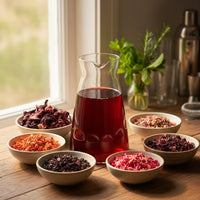
- 3–4 hibiscus tea varieties (different origins, brands, or physical forms)
- Clear or white cups for better color comparison
- Hot water kettle and/or cold brew pitchers
- Notepads or tasting sheets for observations
- Simple snacks or palate cleansers (like crackers or slices of fruit)
Arrange your table so everyone has a clear view of the teas. Place each sample in its own vessel, with a notecard indicating the origin or type (such as “Nigerian whole calyx” or “Egyptian powder”). Clear glass cups allow the rich colors of hibiscus tea to really shine, making it easier to appreciate visual differences during your tasting.
Selecting Hibiscus Tea Varieties: Exploring Origins and Cuts
When browsing hibiscus tea for sale—whether online or at your favorite local shop—you’ll notice a range of origins and forms. Each offers an opportunity to compare subtle nuances and learn which best suits your palate.
Key Elements to Compare:
1. Origin of Hibiscus
Hibiscus sabdariffa is cultivated in multiple regions, including West Africa, Egypt, and Southeast Asia, with each origin imparting slight differences in aroma, tartness, and color intensity. Tasting samples from different countries can highlight these characterful nuances.
2. Form: Whole Calyces vs. Powder
- Whole Calyces: These are the sepals of the hibiscus flower, often dried and slightly curled. They tend to infuse slowly and result in a bright, crisp flavor with a floral aroma.
- Hibiscus Powder: Finely ground, this form dissolves more rapidly into water, sometimes creating a bolder hue and deeper tart flavor. It’s excellent for cold infusions or quick-steep methods.
When shopping, look for reputable sources known for quality and freshness. Pay attention to product descriptions—are the calyces intact and vibrant, or is the powder finely milled and richly colored? These details often signal a fresher, more aromatic tea.

Hibiscus Tea Brewing Basics: Hot vs. Cold Infusions
Comparing hot and cold brewing methods brings out different aspects of hibiscus tea’s flavor profile. Tasting both side-by-side offers a deeper appreciation for the plant’s versatility.
Hot Brew Method
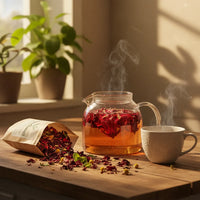
Hot water extracts the tartness and intense color quickly. Try steeping whole calyces or powder in just-boiled water for 5–7 minutes (adjusting for strength). Note the aroma that rises as you pour—hibiscus teases with floral and berry-like scents.
Taste Prompt:
- Is the tea’s tartness gentle or bracing?
- How bright is the color when compared between samples?
- Are there subtle floral or fruity notes?
Cold Brew Method
Cold infusions take longer—usually 4–8 hours in the fridge—but produce a smoother, often more delicate result. Cold brewing can mellow some tartness and draw out gentle berry or plum-like tones.
Taste Prompt:
- How does the chill change the mouthfeel?
- Does the color differ from the hot-brewed version?
- Are new flavors or aromas emerging?
Compare the two side-by-side, jotting down your impressions. This exercise sharpens your perception of what makes each hibiscus tea distinctive.

Sensory Appreciation: Color, Aroma, and Taste Notes
Conducting a hibiscus tea tasting isn’t about scorecards; it’s about training your senses. Borrow cues from wine tasting or specialty tea practices, but keep it welcoming and creative. Invite everyone at your tasting to explore three key attributes:
1. Color
Hold your cups up to the light. Is one sample more ruby-toned, while another is a deep cranberry or magenta? A vivid, clear hue often indicates freshness.
2. Aroma
Inhale the steam or bouquet before you sip. You may notice notes reminiscent of berries, flowers, or even subtle earthy undertones. Discuss these observations—there’s no single “right” description.
3. Flavor
Swirl the tea in your mouth, noting the journey from first sip to finish. Is it tart, smooth, or subtly sweet? Are there differences in astringency or aftertaste between origins or forms?
If you want to expand your tasting beyond hibiscus, you could also compare with other herbal infusions such as Bamboo Leaf Tea to discover contrasting flavors and colors.
Encourage guests to share their musings, and consider keeping a group flavor wheel with creative descriptors.
Food Pairings: Enhancing Flavor Discovery
Pairing hibiscus tea with simple foods can highlight both contrasts and harmonies. Because hibiscus is naturally tart and vibrantly flavored, it pairs beautifully with a range of snacks. Here’s how to heighten the experience:
Suggested Pairings:
- Mild cheeses (for a creamy, balancing effect)
- Fresh fruit slices (melon, pear, apple)
- Unsweetened crackers or baguette rounds
- Lightly sweetened pastries or scones
As you taste each pairing, notice how the tea’s acidity interacts with the food. Some combinations may soften the tartness, while others accentuate fruity or floral notes. Remember, this is a personal journey—experiment to find what you enjoy most.
If you’re experimenting at home, you might enjoy Herbal Tea Gift Set, which provides a curated range ideal for tastings and pairings.
Shopping With Confidence: What to Look for When Selecting ‘Hibiscus Tea for Sale’
A home tasting experience can transform the way you shop for hibiscus tea. Next time you browse, consider these exploratory prompts:
1. Read Descriptions Carefully: Look for specifics about origin and physical form. Are whole calyces, petals, or powder offered? Is there a harvest date mentioned?
2. Examine Color and Cut: If you can see the tea in the package, check for brightness of color and consistency of cut (whole pieces vs. blend). Faded or unevenly cut samples may suggest age or lower quality.
3. Consider Packaging: Airtight, light-protected containers help preserve the tea’s color and aroma. Transparent pouches offer visual cues but may not protect as well from light exposure.
4. Explore Multiple Varieties: Building a small collection allows you to compare at home and appreciate differences over time. Variety packs or sample sets are great introductions.
5. Trust Your Senses: Ultimately, your personal taste and preferences are the best guide. Recall your tasting notes when selecting a new hibiscus tea—how do the listed qualities align with what you discovered?

Making It Memorable: Personalizing Your Tasting Experience
Your hibiscus tea tasting can be as structured or as spontaneous as you like. Some hosts prefer blind tastings where identities of the samples are revealed at the end, while others enjoy guided discussions after each sip. Creating tasting journals or take-home cards can add a special touch for your guests—encourage them to document flavors, colors, and pairings that resonated.
If you’d like, share a bit about the global traditions of hibiscus tea (known as “sorrel” in the Caribbean or “karkade” in Egypt), sparking curiosity about its long history and presence in worldwide tea culture.
To add more herbal adventure to your table, consider our organic herbal teas for home blending and tasting fun.
Remember, the process is meant to spark joy, curiosity, and connection—a celebration of discovery rather than mastery.
Bringing Hibiscus Tea Discovery Into Everyday Life
As you become familiar with different hibiscus varieties, origins, and brewing methods, you’ll likely find your preferences evolving. Each tasting adds a new layer of sensory understanding, helping you approach hibiscus tea for sale with fresh eyes (and taste buds). Whether you seek out rare single-origin calyces or explore innovative brewing, you’re building your own path to enjoyment.
For those who enjoy experimenting with various superfoods, Sea Moss - Raw Dried from St Lucia is another nutrient-rich option to add to your holistic beverage routines.
By hosting a hibiscus tea tasting at home, you not only create memorable moments but develop confidence and knowledge that enhances future sipping—be it solo or shared. Let curiosity lead your next tea journey.
FAQs:
- What supplies do I need for a hibiscus tea tasting at home?
You'll need at least three to four hibiscus tea varieties (different origins or forms), clear or white cups, a hot water kettle and/or pitchers for cold brew, tasting sheets or notepads, and some simple palate cleansers like crackers or fresh fruit.
- How do whole hibiscus calyces compare to hibiscus powder?
Whole calyces usually infuse more slowly, providing a crisp, floral flavor and clear color. Hibiscus powder dissolves faster, resulting in a deeper color and a more robust tartness—ideal for cold brewing or quick preparations.
- Should I taste hibiscus teas hot or cold?
Try both methods! Hot teas extract intense tartness and vivid aromas, while cold brews are smoother and may bring out gentle berry or plum-like notes. Comparing side by side lets you appreciate the unique strengths of each.
- What foods pair well with hibiscus tea?
Hibiscus tea pairs nicely with mild cheeses, fresh fruits (such as apple, melon, or pear), unsweetened crackers, and lightly sweetened pastries. Experiment to discover combinations that enhance the tea's flavors.
- How do I pick quality hibiscus tea for sale?
Focus on origin, freshness, physical form (whole, cut, or powder), and packaging. Bright color, full aroma, and reputable sourcing often indicate high quality. Trying sample packs can help you compare and find your favorite.
- Can I reuse hibiscus tea leaves for multiple steeps?
While hibiscus lends most of its vibrant color and tart flavor to the first steep, you may find a milder second infusion enjoyable, especially with whole calyces. Try it and see if the resulting flavor suits your taste.
- Are there traditions around hibiscus tea I can incorporate?
Yes! Hibiscus tea features in many global traditions, such as 'sorrel' in the Caribbean or 'karkade' in Egypt. Feel free to weave in stories, serve alongside traditional snacks, or play regional music for atmosphere.
Author Name:
Herbal Goodness Editorial Team
Author Bio:
The Herbal Goodness Editorial Team specializes in holistic health and superfoods, blending science and nature to educate and empower our community.
References:
Introducing Graviola to Young Taste Buds: Fun, Family-Friendly Flavor Exploration
Graviola in the Classroom and at Home: Creative Activities to Teach Kids About Tropical Plants