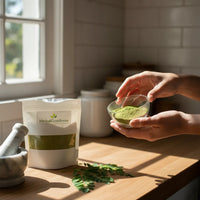





How to Decode Moringa Labels: Certifications, Extract Ratios, and Quality Tips

How to Decode Moringa Labels: Certifications, Extract Ratios, and Quality Tips
Moringa, also known as Moringa oleifera, has earned a place in kitchen pantries and wellness cabinets alike. As its popularity has grown, so has the variety of products—from classic green powders to capsules, liquid extracts, and teas. But choosing the best option can be perplexing, especially when faced with cryptic product labels filled with words like “organic,” “extract ratio,” and “third-party tested.” This guide helps you break down those terms and gives you practical tools to shop smarter, so you can feel confident the next time you’re browsing moringa labels.
Why Label Reading Matters for Moringa Shoppers
The global market is brimming with moringa products—yet not all are created equal. Labels aren’t just marketing—they’re your key to understanding the quality, purity, and sourcing of what’s inside the package.
The Explosion of Moringa Formats
- Powders: Ground dried leaves, often stirred into smoothies or foods.
- Capsules/Tablets: Convenient, pre-measured servings for busy lifestyles.
- Teas: Dried moringa leaf, sometimes blended with other botanicals.
- Liquid Extracts: Concentrated forms, sometimes with higher potency per serving.
Since not all formats use the same extraction methods, concentrations, or quality markers, getting familiar with label terminology can help you compare apples-to-apples—or rather, leaves-to-leaves!
Certifications: What Do They Really Guarantee?
Certifications are meant to indicate certain standards of quality or safety. Not every logo means the same thing—or even what you might hope. Here’s what the most common certifications on moringa labels actually stand for:
Organic
When you see “organic” or a certified organic seal, it means the moringa was grown without most synthetic fertilizers, pesticides, or genetically modified organisms (GMOs). In the U.S., look for the USDA Organic symbol or corresponding certification from other trusted agencies.
What it means:
- Non-GMO
- Limited use of chemicals
- Traced from farm to package
What it doesn’t mean:
- Free from all contaminants
- Always higher in nutrients
Non-GMO Project Verified
This label means the product, to the best of the project’s standards, does not contain genetically modified organisms.
Fair Trade
Fair Trade certifications speak to the ethical sourcing of moringa—farmers have received fair wages and work in safe conditions.
Other Seals: Kosher, Vegan, Gluten-Free
- Kosher: Prepared according to Jewish dietary laws
- Vegan: No animal products or byproducts used
- Gluten-Free: No gluten-containing ingredients
Third-Party Tested
This is a particularly important one. Third-party testing means an independent laboratory has verified the content, purity, and sometimes even the potency of the product.
Why it matters:
- Adds a layer of trust
- Reduces risk of contaminants or mislabeling
Ask the supplier for a Certificate of Analysis (COA) if unsure—reputable brands often share these, or display them online. Choosing supplements that are third-party tested can provide extra assurance of label accuracy.
Understanding Extract Ratios: Concentration Made Clear
One of the common stumbling blocks in choosing moringa supplements is making sense of the “extract ratio” numbers. These ratios tell you how much raw plant material was used to create a certain quantity of the final extract.

What is an Extract Ratio?
An extract labeled “10:1” means it took 10 parts of moringa leaf to produce 1 part of extract. The higher the first number, the more concentrated the extract—though this does not always mean higher nutritional value per serving. Sometimes, it reflects removal of water and inert material; other times, it indicates isolation of specific plant compounds.
- Common extract ratios: 4:1, 10:1, 20:1
- Lower ratio (eg. 4:1): Closer to whole leaf in composition
- Higher ratio (eg. 20:1): May be more potent, but check what is actually being concentrated
If you prefer a supplement with a clarified extract ratio, Blood Platelet Plus - 60/600mg 20X Strength Capsule - Platelet Boost is an example of a product with a clearly stated extract strength.

Standardized Extract vs. Regular Extract
“Standardized” means the extract is made to provide a set amount of certain compounds (like saponins or polyphenols) in every batch. This can be appealing if you’re seeking consistent strength. But not all beneficial compounds may be measured or standardized in the process.
If you’re evaluating a product such as Moringa Leaf Extract - Organic 1oz 15X Liquid Extract - Immunity & Wellbeing, check if the label explains what component is standardized for best comparison.
Practical Tips for Comparing Moringa Products
Faced with a shelf or webpage of similar-looking moringa products, what should you focus on to make a fair comparison?
1. Check the Ingredient List
- Single-ingredient vs blends: For pure moringa, “Moringa oleifera leaf powder” on its own is preferred.
- Fillers: Watch out for words like maltodextrin, magnesium stearate, or unnecessary bulking agents. Choosing options that prioritize pure moringa—such as Organic Papaya Seed Powder 4oz | Gut Cleanse & Digestive Support—can help you avoid excess fillers.
2. Examine the Supplement or Nutrition Facts Panel
- Look for clear serving sizes (grams, mg, or mL)
- Confirm if serving size and “active moringa” content line up
3. Look for Country of Origin and Lot Numbers
- Transparent brands will share the country or region where their moringa is grown (often India, Africa, or Southeast Asia).
- Lot/batch numbers signal traceability: the ability to track and recall if needed.
4. Evaluate Certifications and Testing
- Are claims backed up by legitimate seals?
- Does the package mention “third-party tested” or offer a Certificate of Analysis?
5. Pay Attention to Expiry or “Best By” Dates
- Herbs lose quality over time. Fresher is better for aroma, color, and flavor.
6. Assess Packaging
- Resealable, opaque containers help protect against moisture and sunlight, supporting freshness.
For ease and ensured freshness, powders and extracts like Moringa Leaf Extract - Organic 1oz 15X Liquid Extract - Immunity & Wellbeing packaged in dark bottles make a good choice.
Spotting Label Red Flags: What to Be Wary Of
The supplement aisle can be a minefield. Here are some warning signs to slow down and ask more questions:
- Vague extracts or “proprietary blends” with no breakdown of ingredient amounts
- No country of origin or unclear sourcing
- Outlandish claims about “superior” potency with little substance
- Absence of expiry dates or batch numbers
- Overreliance on buzzwords: If every claim is a superlative (“world’s most potent”) but lacks detail, proceed cautiously
Careful labeling is one of the benefits found in products like Blood Platelet Plus - 60/600mg 20X Strength Capsule - Platelet Boost, where extract ratios and ingredients are well detailed.
Questions to Ask Your Moringa Supplier or Retailer
The best suppliers are transparent—don’t hesitate to ask questions:
- Where is your moringa sourced?
- Can I see third-party test results or a Certificate of Analysis?
- Is your product certified organic or non-GMO?
- What does the extract ratio really represent (whole leaf or isolated compound)?
- What’s the shelf life or expiry date?
- Do you use any fillers or flow agents?
These questions help you uncover what’s not on the label and make informed choices that match your expectations.
Comparing Different Moringa Formats
Each preparation—powder, capsule, tea, or extract—has label quirks to watch for. Here’s what to look out for in each type:
Moringa Powder
- Ingredient list should read “Moringa oleifera leaf powder.”
- Bright green color often signals fresher product (dull or brown may indicate age or over-processing).
- Organic and non-GMO certifications, if present, are a quality bonus.
For those favoring powders for smoothies or foods, consider the clearly labeled Organic Papaya Seed Powder 4oz | Gut Cleanse & Digestive Support to benchmark ingredient simplicity.
Moringa Capsules and Tablets
- Check for capsule material (plant-based preferred for vegans).
- Review inactive ingredients for added fillers or binders.
- Confirm extract ratio if listed. A good example of a transparent capsule option is Blood Platelet Plus - 60/600mg 20X Strength Capsule - Platelet Boost.
Moringa Teas
- Look for pure moringa or clear identification of other botanicals. Loose leaf teas or options like Papaya Leaf Tea - Organic 24/2g Tea Bags let you evaluate leaf quality directly.
- Stringless tea bags or loose leaf may reduce packaging waste.
- If blended, ensure other herbs are listed by name.
Liquid Moringa Extracts
- Extract ratio and solvent (water, alcohol, glycerin) should be clearly stated.
- Note serving size in drops or mL.
- “Standardized” claims should specify which component (e.g., “10% saponins”) is measured.

For those drawn to liquid supplements, Moringa Leaf Extract - Organic 1oz 15X Liquid Extract - Immunity & Wellbeing offers a clear extract ratio and organic certification right on the front label.
Quality Clues Beyond the Label
Labels can’t tell the whole story. Consider these factors for an even deeper dive into moringa’s quality:
- Aroma and color: Fresh moringa smells slightly earthy and looks vibrant green.
- Texture: Powders should be fine and uniform, not gritty or clumpy.
- Supplier reputation: Look for established companies with transparent sourcing practices.
If you have further wellness needs, teas like Papaya Leaf Tea - Organic 24/2g Tea Bags feature clear ingredient listings and easy traceability.
The Bottom Line: Becoming a Savvy Moringa Shopper
Understanding moringa labels helps demystify a crowded supplement market. By paying attention to certifications, extract ratios, testing, and source transparency, you can confidently choose the best option for your wellness goals. Remember that the best moringa products are clear, honest, and backed by verifiable standards—so you can get the most out of every scoop, sip, or capsule.
FAQs:
- What does 'extract ratio' mean on moringa labels?
An extract ratio tells you how much raw moringa plant was used to make the extract. For example, '10:1' means 10 parts leaf created 1 part extract. Higher ratios can mean a more concentrated product, but it's important to clarify what part of the plant is being concentrated.
- Is organic moringa always better?
Organic certification means moringa was grown without most synthetic chemicals or GMOs, and often comes from traceable farms. While this is a good indicator of clean farming practices, it does not guarantee higher nutrition. Assess organic status alongside other factors like freshness, third-party testing, and ingredient transparency.
- What should I look out for to avoid low-quality moringa?
Avoid products with vague ingredient lists, no third-party testing, unclear sourcing, missing expiry dates, or excessive fillers. Look for products with transparent labeling, batch numbers, and clear certifications.
- How important is third-party testing for moringa supplements?
Third-party testing adds a layer of assurance that what's on the label matches what's in the package. It helps verify purity, potency, and safety—especially important given the variety and origin of moringa products on the market.
- Does color or aroma tell me anything about moringa quality?
Yes! Vibrant green color and a mildly earthy, fresh aroma can be good signs of freshness and minimal processing. Dull or brown powder may be older or overly processed, so it's worth considering alongside label information.
Author Name:
Herbal Goodness Editorial Team
Author Bio:
The Herbal Goodness Editorial Team specializes in holistic health and superfoods, blending science and nature to educate and empower our community.
References:
Introducing Graviola to Young Taste Buds: Fun, Family-Friendly Flavor Exploration
Graviola in the Classroom and at Home: Creative Activities to Teach Kids About Tropical Plants