





How to Compare Ashwagandha Liquid Extract Quality and Ethics

Shopping for ashwagandha liquid extracts online can be inspiring yet also overwhelming. From ingredient lists to ethics claims, how can you truly compare different ashwagandha extract options and feel confident in your purchase? You deserve both peace of mind and positive impact—and that means learning how to decode the details in online ashwagandha listings. This guide explores what signals matter most for quality and conscientiousness, then offers an actionable checklist of key questions for making thoughtful, values-aligned choices when shopping for ashwagandha extracts online.
Why Conscious Comparison Matters with Ashwagandha Liquid Extracts
Ashwagandha, a revered adaptogenic plant with a long history of traditional use, is now widely available as a liquid extract. But, not all ashwagandha extracts are equal in quality, potency, or ethics. Online, where labels or third-party testimonials can’t be confirmed in person, comparison is about looking deeper than the marketing. Evaluating ashwagandha liquid extracts with a thoughtful checklist empowers you to support transparency, environmental stewardship, and social responsibility—alongside botanical quality.
Key Quality Signals in Ashwagandha Liquid Extracts
Assessing a quality ashwagandha extract involves paying attention to critical details in its production, purity, and transparency. Here’s how to recognize standout quality signals:
1. Harvest Date and Freshness
Harvest date gives insight into how recently the ashwagandha was processed. Fresher extracts are more likely to retain their plant integrity and active compounds. A good option provides detailed information, going beyond just an expiration label. For those seeking the benefits of adaptogens, exploring the Ashwagandha Extract | Organic Root Liquid – Stress, Energy & Mood is a smart place to start.
2. Root Versus Whole-Plant Extract
Traditional ashwagandha preparations use the root; the plant’s leaves and stems may also be included in some extracts, changing the composition and tradition. Selecting a product that states "ashwagandha root extract" reflects a commitment to quality and heritage. Many prefer extracts that focus on the root for their adaptogenic support, similar in philosophy to other root-based choices like Dandelion Root Organic Liquid Extract | Liver & Detox Wellness for liver and detox benefits.
3. Extract Solvent and Process
The solvent (such as water, alcohol, or glycerin) affects the final properties of the liquid extract. Transparency about what solvents are used is crucial. A reputable extract will state whether it’s a “full-spectrum” or standardized for a specific compound. For example, shoppers looking for solvent information might compare this with the disclosure found in Bamboo Silica + Biotin Hair Growth Extract | 15X Liquid | Natural Hair & Follicle Support, where process clarity supports informed decision-making.
4. Batch-Specific Transparency: COAs and Batch Numbers
A Certificate of Analysis (COA) shows lab results verifying purity, herb content, and the absence of unwanted substances. Reliable online listings include references to COAs or batch tracking. Batch numbers allow traceability. Knowing this assures you that the product can be tracked back to its origin and production records. Before making a purchase, consider if such transparency has been demonstrated by your prospective brand.
Ethical Considerations When Shopping for Ashwagandha Extract Online
Conscious shoppers want their choices to reflect not just personal benefit, but planetary and community well-being. Here are important ethical angles to consider:
1. Sustainable and Responsible Sourcing
An ethical ashwagandha extract is produced from ashwagandha that’s been grown using sustainable agricultural practices that protect soil, water, and biodiversity. For instance, many liquid botanicals, including the Ashwagandha Extract | Organic Root Liquid – Stress, Energy & Mood, feature organic farming and can highlight sustainable sourcing practices.
Look for further details about where the ashwagandha is sourced (country, region) and if the company supports organic, regenerative, or non-GMO farming. Some products, like Body Detox Papaya Seed | Organic 15X Liquid Extract for Gut, support environmental practices and can serve as models for eco-conscious product selection.
2. Fair Labor and Community Support
Fair labor practices ensure those cultivating and processing ashwagandha are paid fairly and work in safe conditions. Brands that value transparency may mention partnerships with local communities or commitment to fair trade principles. If you value social responsibility, you may find that this extends to wellness categories, such as the ethos behind Organic Papaya Leaf Extract 16oz | 15X Liquid – Best Value Size, where community and sustainability intersect in their sourcing stories.
3. Packaging and Shipping Footprint
Mindful packaging reduces environmental impact. Eco-conscious brands use recyclable bottles, minimal packaging, or biodegradable materials. Clarity about shipping practices (such as carbon offsets) also signals environmental responsibility. Environmentally friendly efforts are often highlighted in the details, which can also apply to other herbal liquid extracts across reputable retailers.
Decoding Online Product Listings: Signals to Spot
Comparing ashwagandha liquid extracts online isn’t just about the label design or star rating. Here’s how to read between the lines for vital quality and ethical cues:
Ingredient Details: Genuine listings provide complete ingredient lists, noting the part of the plant used (root or whole-plant), solvents, and if preservatives or additives are present. This is especially reassuring for those pursuing traditional preparations or avoiding unnecessary additives. In other herbal categories, such as Moringa Leaf Extract 15X Liquid | Organic – Immunity & Total Wellbeing, you’ll often find the same dedication to full disclosure.
Manufacturing Transparency: High-integrity brands mention manufacturing certifications (GMP, organic, etc.), batch numbers, and even provide access to independent lab reports. Consider whether the listing references these details, as seen in liquid extracts across multiple superfood categories.
Sourcing Stories: Some reputable listings share stories about ashwagandha farmers or sourcing initiatives, emphasizing ethical and social responsibility. If this aligns with your personal values, these stories are key signals to explore.
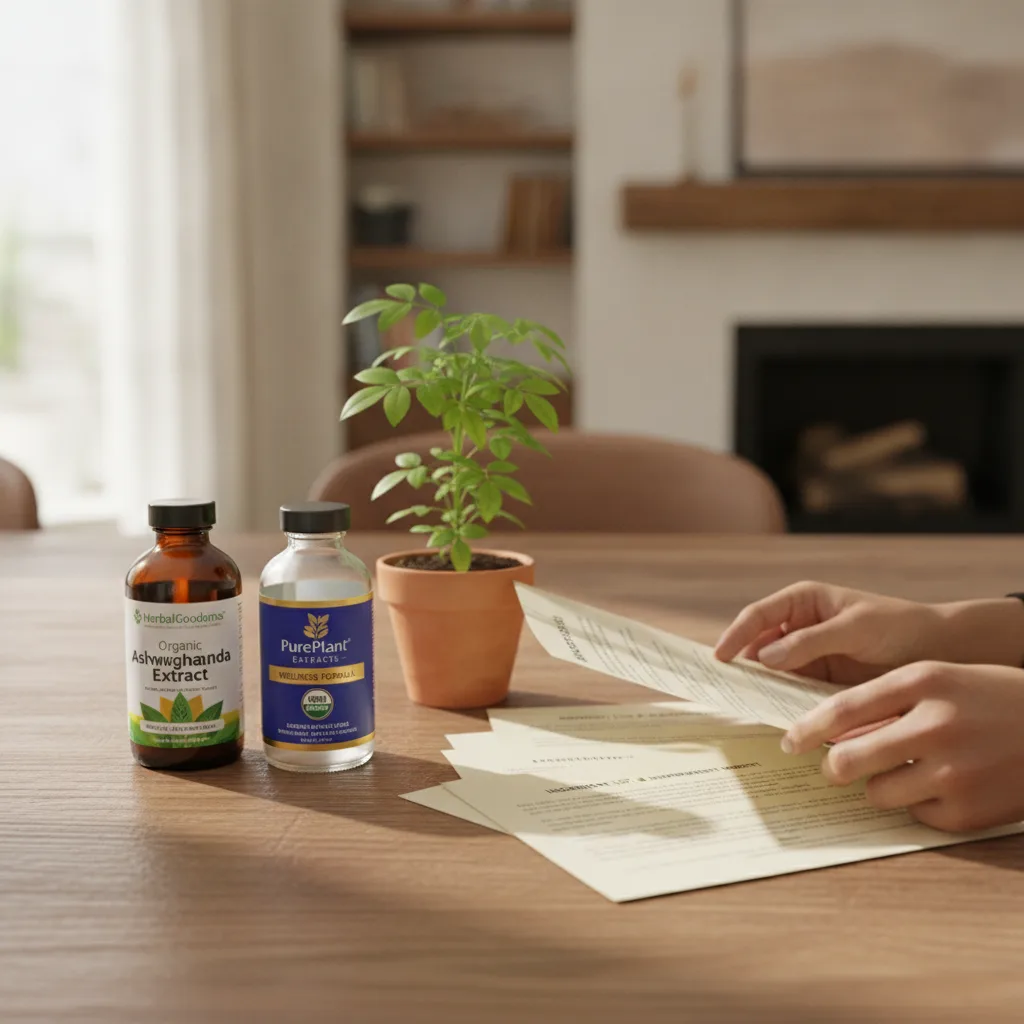
Packaging Information: Look for details on recyclable or eco-friendly packaging. This not only reflects a commitment to the environment but can also be an indication of broader product integrity and company values.
The Ashwagandha Liquid Extract Comparison Checklist
When comparing ashwagandha liquid extracts online, use the following checklist to guide your evaluation:
Essential Quality Questions
- Is the plant part used clearly stated? (Ashwagandha root vs. whole-plant)
- Is the harvest date provided, not just an expiration or manufacturing date?
- What extraction method and solvents are used? (Alcohol, glycerin, water, etc.)
- Is there batch-level information, such as a batch number or COA, available?
- Are there details about active compounds (e.g., withanolide content)?
Those looking for template questions to use with any product—be it Ashwagandha Extract | Organic Root Liquid – Stress, Energy & Mood or another extract—will benefit by following this checklist for transparency.
Vital Ethical Questions
- Where is the ashwagandha sourced, and how is it grown? (Look for organic, non-GMO, or sustainable indicators.)
- Does the company describe fair labor or community engagement in sourcing?
- What is said about the extract’s packaging? (Is it recyclable, minimal, biodegradable?)
- How does the brand approach shipping and environmental impact?
Subjects like sustainable sourcing practices, also found in Body Detox Papaya Seed | Organic 15X Liquid Extract for Gut, reinforce the importance of examining these signals across herbal products.
Keep this checklist visible as you compare different products. If answers aren’t clear, responsible companies often respond to questions—never hesitate to reach out directly.

Empowering Conscious Shopping Without Hype
A values-aligned purchase means making choices based on facts, transparency, and nuanced details. It’s not about finding the most hyped or “miracle” solution, but thoughtfully aligning your selection with your personal standards for quality, ethics, and stewardship. The more you know about ashwagandha extract sourcing, processing, and packaging, the more empowered you are during the decision phase. If you desire a product that reflects transparent, values-driven production, investigating ingredient sourcing is essential, whether choosing an ashwagandha-based product or comparing it with trusted alternatives such as Organic Papaya Leaf Extract 16oz | 15X Liquid – Best Value Size.
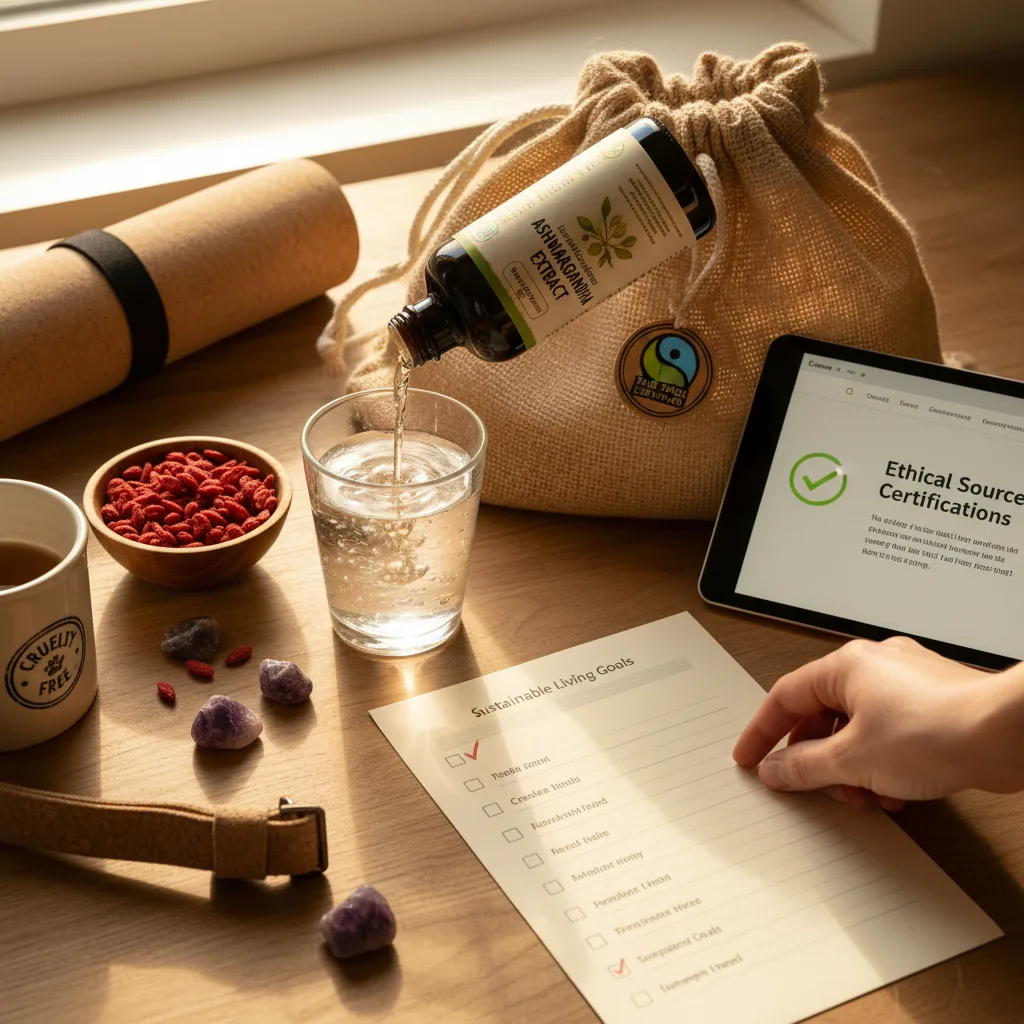
Useful Buyer Questions to Ask Retailers About Ashwagandha Liquid Extracts
To ensure you’re getting meaningful answers, consider these purchase-focused questions when reaching out to brands or retailers:
- What quality certifications do you hold for your ashwagandha liquid extract?
- Can you provide a recent COA or batch-specific quality report?
- How do you verify the sustainability of your ashwagandha sourcing?
- Does your company support any social responsibility or fair-trade initiatives in your supply chain?
- What materials are used in your packaging, and do you offer recycling programs?
Bringing It Together: Your Ashwagandha Extract Shopping Experience
Conscious comparison is about more than product features—it’s about impact. When you choose an ashwagandha liquid extract based on clear quality signals and ethical transparency, you contribute to a larger movement of integrity in herbal wellness. Holding yourself—and the brands you support—to a higher standard ensures each choice reflects what matters most to you.
Whether you’re beginning your journey with ashwagandha or refining your criteria as an experienced herbal buyer, keeping a balanced focus on both quality and values helps demystify the shopping process. The checklist and questions outlined here will guide you as you evaluate options, such as the Ashwagandha Extract | Organic Root Liquid – Stress, Energy & Mood, and make an informed, meaningful purchase online.
Frequently Asked Questions
Question 1: What is the difference between ashwagandha root extract and whole-plant extract?
Answer: Ashwagandha root extract uses only the plant’s roots and follows traditional preparation practices, focusing on adaptogenic benefits. Whole-plant extracts may include leaves and stems, changing the composition. For traditional root-only formulas, consider Ashwagandha Extract | Organic Root Liquid – Stress, Energy & Mood.
Question 2: How important is the certificate of analysis (COA) when buying ashwagandha online?
Answer: A COA verifies product purity, active ingredients, and absence of contaminants. It provides transparency and confidence for the buyer. Top-quality extracts, including leading adaptogen and wellness products, should reference or provide COAs for each batch.
Question 3: What kind of questions should I ask when researching ashwagandha extract quality?
Answer: Ask about the plant part used, harvest date, extraction method and solvents, batch-specific testing, source region, and packaging sustainability. Transparency in these answers, as offered with Ashwagandha Extract | Organic Root Liquid – Stress, Energy & Mood, indicates a reputable brand.
Question 4: Why should I care about sustainable and ethical sourcing for herbal supplements?
Answer: Ethical sourcing protects the environment and ensures fair labor in farming and processing. Brands supporting organic or sustainable initiatives—including similar practices described for Body Detox Papaya Seed | Organic 15X Liquid Extract for Gut—demonstrate both social and environmental responsibility.
Question 5: What other herbal extracts are produced using transparent, sustainable practices?
Answer: Several herbal products in the liquid extract category—such as Organic Papaya Leaf Extract 16oz | 15X Liquid – Best Value Size and Moringa Leaf Extract 15X Liquid | Organic – Immunity & Total Wellbeing—offer robust transparency and formal sustainability in ingredient sourcing.
Question 6: How can I confirm a brand’s claims about eco-friendly packaging?
Answer: Look for clear packaging details in the listing, such as recyclable, biodegradable materials, or minimal packaging design. Many reputable brands make this information accessible or include it in their FAQs or product pages.
Question 7: Is there a checklist to compare ashwagandha liquid extracts in detail?
Answer: Yes. The provided comparison checklist in the article covers plant part used, harvest date, extraction methods, batch-level transparency, sourcing, fair labor, and eco-friendly packaging. Refer to the main article content for guidance and keep this checklist handy as you evaluate options.
Use this ethical and quality checklist on your next ashwagandha extract search to feel confident that your choice reflects both your wellness values and care for the planet.
About the Author
Herbal Goodness Editorial Team
The Herbal Goodness Editorial Team specializes in holistic health and superfoods, blending science and nature to educate and empower our community.
References
Why Some Herbal Extracts Seem to Boost Focus: Taste, Ritual, and Psychology for Men
Women’s Hormonal Wellness: Herbs, Nutrition & Daily Rhythm Tips
“Daily” Plant-Based Immunity Capsules: Timing, Routines & Use Tips
Ashwagandha Extract vs Powder: Practical Guide to Choosing Your Format
Ashwagandha Liquid Extract Labels: Supplement vs Food vs Cosmetic