



How to Choose the Best Organic Herbal Tea Trio for Food Allergies

Shopping for an organic herbal tea trio online can be a delightful experience, especially for those seeking to enjoy natural flavors and mindful wellness. For individuals or families with food allergies or heightened sensitivities, purchasing a new tea blend brings understandable questions: Are these ingredients safe for me? Could there be cross‑contact with allergens I need to avoid? What should I look for in product labeling and packaging? In this practical guide, you’ll learn how to carefully evaluate ingredient lists, recognize hidden sources of allergens, understand manufacturing cross‑contact risks, and confidently choose products that suit your needs—all while ensuring continued safety at home after your order arrives.
Why Allergy‑Awareness Matters When Selecting An Organic Herbal Tea Trio Online
Shopping online offers both convenience and variety, but it also means you can’t physically inspect the product or ask staff questions as you might in-store. For allergy‑conscious shoppers, this makes allergy‑aware decision making especially important. Organic Herbal Tea Trio – Build-Your-Own Bundle can contain a variety of unique botanicals, tea bases, and sometimes blended additions, making careful scrutiny of every detail key to a safe and enjoyable purchase.
Step 1: How to Read Ingredient Lists on Organic Herbal Tea Products
Decoding Ingredient Listings
Each online listing for an organic herbal tea trio should provide a clear, thorough ingredient list. Here’s what to focus on:
- Order of ingredients: By law, ingredients are listed in descending weight order. The main ingredients appear at the top, while smaller quantities of potential allergens or additives could be lower down.
- Botanical names: Herbal teas may use less common plants (e.g., hibiscus, lemongrass, elderflower). Review both common and Latin names to ensure you recognize every component.
- Blends and flavors: Teas described as “fruity” or “spicy” may include natural or artificial flavors; investigate what “natural flavors” are derived from if you have sensitivities.
- Hidden ingredients: Some blends use proprietary mixes or “spice blends”—contact the seller for clarification if something is unclear.
Many reputable brands include detailed botanicals in their descriptions. If you’re considering more targeted wellness support, examine teas such as Organic Papaya Leaf Tea or Soursop Leaf Tea | Organic Graviola 24 Bags, which often highlight their transparency and ingredient clarity.
Common Allergens in Herbal Tea Blends
While most classic herbs are less likely to be top allergens, certain ingredients or additions can be surprising sources:
- Nut or coconut-derived flavorings
- Dried fruit inclusions (may be processed with sulfites)
- Soy lecithin or stabilizers
- Dairy-based creamers or flavorings
- Gluten traces (from malted barley or cross‑contact)
Always check for advisory statements like “may contain traces of…” or “processed in a facility with…” These clues are vital for those with heightened sensitivity. Look for blends from companies that are forthright about their facility practices, such as Herbal Tea Trio Bundle | Guava, Hibiscus & Avocado – 3 Organic Packs, which share allergen information and offer clear botanical profiles.
Step 2: Spotting Hidden Additives and Non-Herbal Ingredients
Herbal tea should ideally be a straightforward mix of leaves, flowers, and roots. However, some brands add extras for flavor or shelf stability:
- Flavor enhancers: Citric acid, maltodextrin
- Colorants: Beetroot powder, caramel color
- Preservatives: Ascorbic acid, sulfur dioxide
- Sweeteners: Stevia, licorice root, artificial options
Carefully read full ingredient breakdowns and focus on certifications highlighting clean label practices. When shopping with brands like Herbal Goodness, seek products with a commitment to minimal, transparent ingredients. This is where the value of a specialized blend like Wellness Tea Blends – 4oz Organic Premium Herbal Infusions becomes apparent, as clean sourcing and no unnecessary additives earn greater trust.
Step 3: Understanding Cross-Contact Risks in Herbal Tea Manufacturing
What is Cross‑Contact?
Cross‑contact occurs when trace amounts of allergens unintentionally make their way into products during manufacturing, processing, or packaging. Even in trusted organic facilities, shared equipment can be a source of exposure.
Assessing Online Product Listings
Key things to check for in product descriptions and company FAQ sections:
- Dedicated allergen‑free equipment or facilities
- Statements such as “produced in a facility that also processes tree nuts, wheat, soy, or dairy”
- Clean-in-place or allergen control protocols, which some brands may mention
For blends prioritizing allergen safety, products like Herbal Tea Trio Bundle often note their manufacturing practices, giving you peace of mind if you or someone in your home has severe allergies.
Questions to Ask Sellers Before Buying
Many online retailers offer live chat or email support. Consider asking:
- Are your herbal teas processed in a facility that handles [my allergen]?
- Is there shared equipment with top allergens? If so, how is it cleaned?
- Do you test finished products for allergen residue?
- Can you provide documentation of allergen management practices?
Open communication empowers safe selection and helps gauge the brand’s dedication to transparency. In addition, you may notice that products like Organic Papaya Leaf Tea | 24 Premium Bags – Caffeine-Free come from facilities observing stringent cleaning protocols, often noted on the product page.
Step 4: Deciphering Label Terminology and Recognizing Allergen Certifications
Key Label Terms for Allergy‑Aware Shoppers
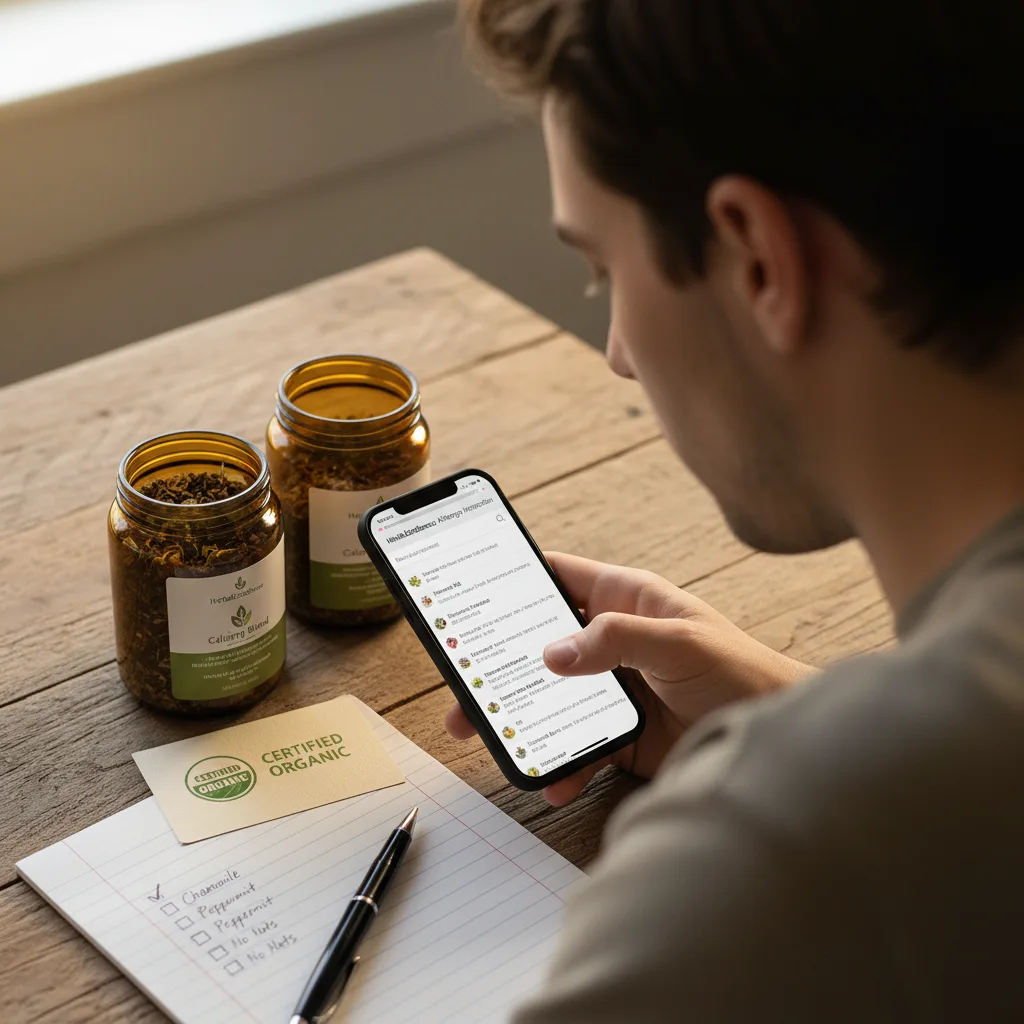
- Certified Organic: Confirms that ingredients are grown without synthetic inputs, but does not guarantee allergen‑free status.
- Allergen-Free Claims: Phrases like “nut-free” or “gluten-free” should align with your needs, yet still verify if the facility is fully allergen-controlled.
- Vegan/Vegetarian: Helpful if you avoid animal‑derived allergens, but always confirm there’s no risk from shared equipment.
- Non-GMO: Indicates genetic origins of ingredients but is not directly related to allergens.
When scanning a product like Soursop Leaf Tea | Organic Graviola 24 Bags, you’ll frequently see badges for organic certification or gluten-free claims displayed. Look for the Certified Gluten-Free credential, or other reputable seals. Brands that invest in third-party allergen testing, such as the teas listed above, are often safer bets for shoppers prioritizing allergen avoidance.
Certifications to Look For
- Certified Gluten-Free: Indicates third‑party testing and facility standards
- Kosher or Halal Certifications: Implies scrutiny for certain ingredients, sometimes reflecting attention to cross‑contact
- Third-Party Testing Badges: Reveals a higher level of product safety and traceability, often displayed on product pages
Reading labels is part science, part detective work—especially online. Reputable brands, such as Herbal Goodness, often publish detailed sourcing and allergy statements, as well as provide visible seals on blends like Herbal Tea Trio Bundle.
Step 5: Packaging Clues and What They Tell You
Packaging offers important cues about product safety and allergy management:
- Sealed packets: Individual wraps can minimize post-manufacturing contact with allergens.
- Packaging materials: Avoid resealable pouches that may be filled on shared lines without cleaning.
- Visible warning labels: Look for clear allergen alerts or absence thereof.
- Batch codes: These help trace origin in the event of consumer questions or recalls and reflect a transparent operation.
Look for robust, tamper-evident packaging and products with clear labeling, like those found in the Organic Herbal Tea Trio collection. These packaging details significantly reduce post-manufacturing risks for allergy-prone households.

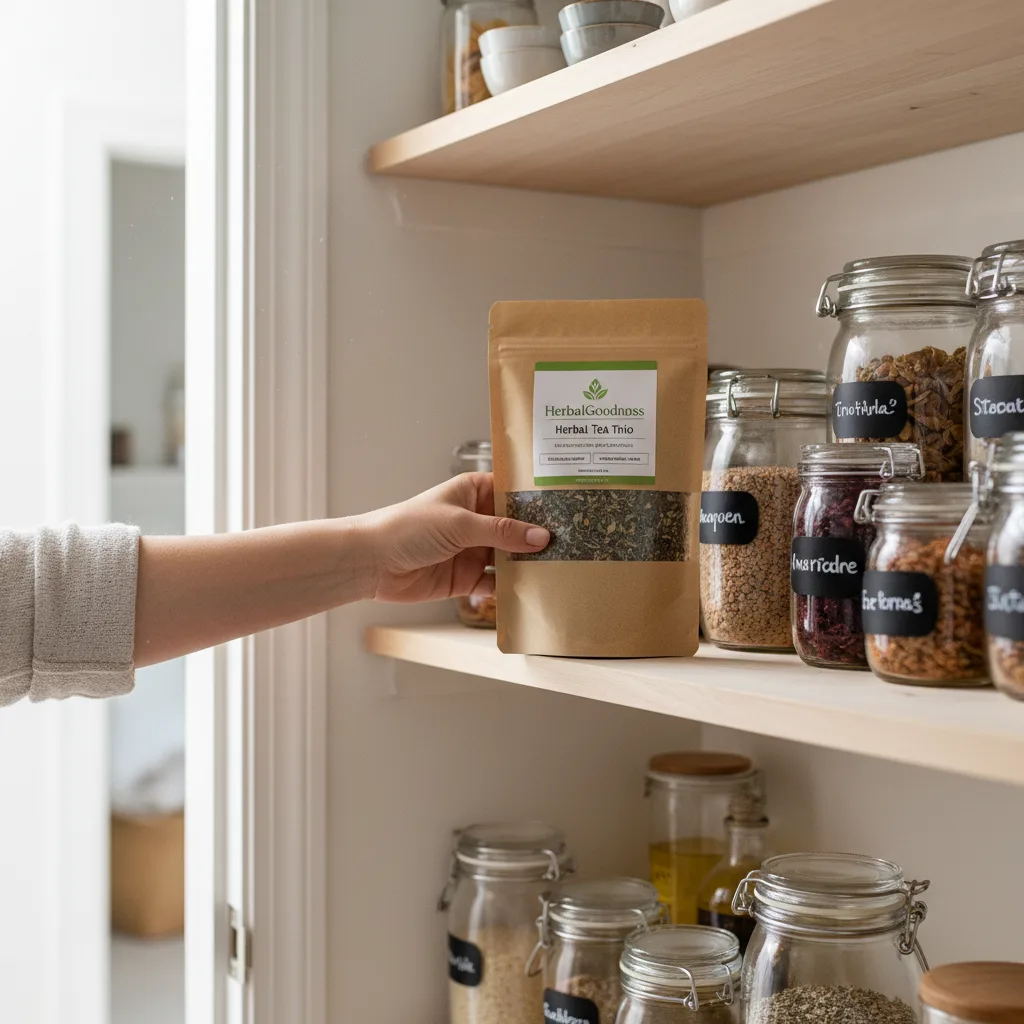
Step 6: Safe-at-Home Storage Tips to Prevent Cross-Contamination
After buying and opening your organic herbal tea trio, ongoing care is essential to keep your teas fresh and uncontaminated:
- Choose an airtight container: Store teas in glass jars with tight lids or dedicated tins to avoid absorbing household contaminants. This is especially useful for blends like Organic Papaya Leaf Tea to ensure purity.
- Label clearly: Use the original packaging or add your own labels with ingredient summaries, especially if anyone in the household has allergies.
- Segregate allergy‑free teas: Avoid storing near other foods or teas that might be handled with shared utensils.
- Wash hands and tools: Always use clean, dry hands and utensils each time you open and serve your tea.
- Avoid moisture and odors: Keep teas away from strong spices, cleaning supplies, and moist places to preserve flavor and safety.
Your Allergy‑Aware Herbal Tea Trio Shopping Checklist
- Review the full, detailed ingredient list—look up botanical or scientific names if unsure.
- Scan for obvious and hidden allergens, and read advisory statements.
- Check for label terms: certified organic, allergen-free, gluten-free, vegan, third-party testing.
- Verify packaging details: sealed portions, clear warning labels, batch codes.
- Ask questions about facility practices and allergen management if your needs are severe.
- Store your teas in designated, clean containers at home to avoid cross‑contamination.
Making Sense of the Information: Empowered Shopping
Being allergy‑aware while buying an organic herbal tea trio online is about informed caution, not anxiety. Learning to analyze ingredient lists, decode certifications, and thoughtfully question sellers transforms you into a savvy, confident tea shopper. When you choose brands with transparent sourcing and robust safety standards, such as Herbal Goodness, you’re investing in tasty and considered wellness—one cup at a time.
For every unique palate and sensitivity, there’s an herbal tea trio that offers both comfort and delight. With awareness and the right questions, you can welcome each new blend into your routine with peace of mind.
Frequently Asked Questions
Question 1: What is the safest way to check for allergens when shopping for herbal tea trios online?
Answer: Start by thoroughly reviewing the detailed ingredient list and looking up unfamiliar botanical names. Check for clear allergen warnings and advisory statements, which you’ll find on blends like the Organic Herbal Tea Trio – Build-Your-Own Bundle.
Question 2: Can I trust allergen-free and gluten-free labels on organic tea blends?
Answer: Certifications such as Certified Gluten-Free or visible allergen-free seals do increase confidence, especially when shown on reputable teas like Soursop Leaf Tea | Organic Graviola 24 Bags, but it’s best to verify if the facility also follows allergen control protocols.
Question 3: How do I avoid cross-contact with allergens at home after opening my tea trio?
Answer: Use airtight containers and keep teas segregated from allergen-containing foods. Choose products that come in individually sealed packets, such as the Herbal Tea Trio Bundle, and always handle with clean, dry utensils.
Question 4: Are proprietary blends in tea a risk for hidden allergens?
Answer: Yes, proprietary or 'spice blends' can conceal allergens. Always contact the company if anything on the label is unclear. Many trusted brands will clarify this for you and provide allergen documentation for products like Wellness Tea Blends.
Question 5: What certifications should I look for on an herbal tea trio if I have severe allergies?
Answer: Look for Certified Gluten-Free, third-party allergen testing badges, and clear batch codes. Brands that highlight these, such as with Organic Papaya Leaf Tea, generally provide more robust allergen controls.
Question 6: How do I verify if a tea company’s facility is truly allergen-safe?
Answer: It's best to ask directly about shared equipment, cleaning procedures, and whether finished products are tested for allergen residue. Reliable companies, especially those offering collections like the Organic Herbal Tea Trio, will respond transparently.
Question 7: What is the benefit of choosing herbal teas from brands committed to minimal, transparent ingredients?
Answer: Minimal, transparent ingredients reduce the risk of unexpected allergens and unnecessary additives. This is a major advantage for those with sensitivities, making premium blends such as Wellness Tea Blends a trustworthy choice.
When evaluating organic herbal tea trios online, prioritize detailed ingredient reviews, clear certifications, and open dialogue with sellers. Careful selection and responsible home storage can support a safer, more enjoyable tea experience for you and your loved ones.
About the Author
Herbal Goodness Editorial Team
The Herbal Goodness Editorial Team specializes in holistic health and superfoods, blending science and nature to educate and empower our community.
References
Introducing Graviola to Young Taste Buds: Fun, Family-Friendly Flavor Exploration
Why Social Impact Matters in Plant-Based Wellness