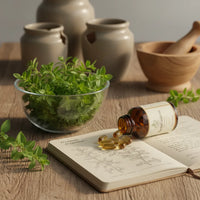





How to Choose Organic Oil of Oregano for DIY Skincare

Curious about integrating organic oil of oregano into your own skincare recipes? Diving into DIY skincare with this fragrant and robust botanical can feel empowering, especially when you’re equipped with the right know-how for safe and effective use. This beginner’s guide will help you confidently choose the best organic oil of oregano for topical applications. You’ll learn simple dilution math with common carrier oils, discover fragrance and texture pairings to enhance lotions or balms, get preservation and storage tips, and follow a clear step-by-step patch-testing process. Whether you're exploring oil blends for the first time or refining your homemade routines, this primer keeps everything approachable, safe, and practical.
Understanding Organic Oil of Oregano for DIY Skincare
Organic oil of oregano is valued by skincare enthusiasts for its warm, herbaceous aroma and powerful natural properties. Selecting an organic oil ensures that your topical DIY creations start with a pure base, free from unwanted additives or pesticides. When comparing oils, pay attention to the following:
- Certifications: Look for reputable organic certifications to ensure integrity. Brands like Herbal Goodness are known for transparency in their ingredient sourcing.
- Extraction Method: Prefer steam-distilled or cold-pressed oil (never solvent-extracted for topical use).
- Source Information: Responsible brands share details about the plant’s origin and part of the plant used (often the leaves and flowers).
- Carrier or Neat: Only use diluted or carrier oil-based oregano oil on your skin. Pure, undiluted ("neat") varieties are potent and should not be applied directly. Choosing a trusted option like Oil of Oregano 75% Carvacrol | 2oz – Potent Immune & Antifungal Support ensures quality.
How to Calculate Safe Dilution for Topical Application
Oregano oil is highly concentrated—diluting it before skin use is essential. Proper dilution blends oil of oregano with a gentle carrier oil, making your DIY remedies more comfortable and decreasing the risk of sensitivity.
Common Dilution Ratios
Beginners should start with a conservative approach:
- 0.5% Dilution: 1 drop oregano oil per 2 teaspoons (10 ml) carrier oil
- 1% Dilution: 2 drops oregano oil per 2 teaspoons (10 ml) carrier oil
Never exceed these levels for routine skin use, especially on sensitive skin. For localized, infrequent application, a 2% dilution may be used, but always patch-test first.
Easy Dilution Math for Home Blending
Use this rule of thumb:
- 1% dilution = 1 drop essential oil per 1 teaspoon (5 ml) carrier oil
- For larger batches, multiply accordingly (e.g., 6 drops per 30 ml carrier oil)
Always mix thoroughly and record your blend ratios for consistency in future DIY recipes. A carrier oil such as Black Seed Oil 8oz | Cold-Pressed Nigella Sativa – Immune & Daily Wellness can provide a nourishing base for your blends.
Best Carrier Oils to Use with Organic Oil of Oregano
Carrier oils serve as the base for safely dispersing oregano oil, moisturizing the skin, and even enhancing the overall feel of your blend.
Popular Carrier Oil Choices
- Sweet Almond Oil: Light, soothing, and absorbs quickly—a favorite for lotions or light creams.
- Jojoba Oil: Closely resembles natural skin oils. Perfect for facial blends or roll-ons.
- Coconut Oil (Fractionated): Stable, scent-neutral, and glides smoothly. Useful in balms or solid lotions.
- Grapeseed Oil: Thin and fast-absorbing, suited for massage blends.
Choose based on your desired texture and the specific needs of your blend (e.g., quick absorbing for facial serums, richer oils for body butters). For a complete skin-focused wellness routine, support your efforts with herbal skin boosters such as Bamboo Leaf 15X Liquid Extract – Silica, Collagen & Biotin.

Fragrance and Texture Pairings for DIY Lotions and Balms
Oil of oregano’s signature scent is herbaceous, medicinal, and slightly spicy. Pairing it well can elevate your DIY skincare.
Best Scent Pairings
- Lavender: balances herbal sharpness, creating a calming aroma.
- Lemon or Sweet Orange: add brightness and freshness.
- Rosemary: amplifies the earthy profile for a spa-like result.
- Tea Tree: enhances the clean, invigorating blend often loved in balms.
Texture Strategies for Homemade Skincare
- For light lotions, use a blend of grapeseed or almond oil with small amounts of oregano oil.
- For richer balms or butters, shea butter or coconut oil are ideal as carriers—melt and temper for a luxurious finish.
Blending these ingredients allows you to customize the viscosity and absorption, tailoring the end product for hands, feet, or face as needed. When targeting skin beauty and anti-aging, combining oregano oil DIY creations with Radiantly Good Looking - 2fl.oz - Skin & Anti-Aging can offer additional radiance and nourishment.

Essential Preservation and Storage Tips
Proper storage keeps your DIY skincare blends fresh and effective. Since both carrier oils and essential oils are sensitive to light, heat, and air, follow these guidelines:
- Always store blends in amber or cobalt glass bottles or jars. Consider keeping your herbals bundled with our Bulk Herbs collection for more DIY versatility.
- Keep away from direct sunlight and heat sources.
- Label and date every DIY batch.
- Use clean, dry utensils to prevent introducing moisture.
Some carrier oils (like sweet almond or grapeseed) benefit from refrigerator storage, while thicker butters or coconut oil do well at room temperature. Essential oils last longer unopened, but once diluted in carriers, use within 2–6 months for best freshness.

Step-by-Step Patch-Testing: Practice Skin Safety
Patch-testing is a crucial step for anyone new to oregano oil blends or with sensitive skin. Always patch-test a new blend before general use, even with diluted oils.
How to Patch-Test an Oregano Oil Skincare Blend
- Dilute as intended (never test neat oregano oil).
- Apply a small amount to a discreet area, such as the inner forearm or behind the ear.
- Cover with a bandage or leave uncovered (depending on personal preference).
- Wait 24–48 hours, observing for any changes—look for redness, itching, or discomfort.
If any reaction occurs, cleanse the area promptly with mild soap and discontinue use. If all is clear, your formulation is likely safe for broader topical application in your DIY routine. Pairing your DIY routines with the revitalizing benefits of Radiance Boost 15X Liquid Extract | Skin Beauty & Glow Support can be an excellent way to maintain a glowing complexion.
Preserving Natural Freshness: DIY Batch Longevity
Homemade skincare does not have the same shelf life as commercial products. With natural oils and no added preservatives, always make small batches—enough for a few weeks to a few months’ use.
- Check for changes: If your blend smells odd, changes color, or feels different, it’s time to discard.
- Avoid water contamination: Blends with water (like lotions or mists) spoil faster and should use proper preservatives or be made in single-use portions.
- Keep tools clean: Wash utensils thoroughly before and after blending.
Adopting these habits protects your skin and ensures your DIY efforts remain enjoyable and safe. For those interested in diversifying their home wellness routine, using other powerful botanicals such as Black Seed Oil 8oz | Cold-Pressed Nigella Sativa – Immune & Daily Wellness may offer additional benefits, especially for holistic skin support.
Bringing It All Together: Customizing Your Skincare Experience
Creating your own DIY skincare blends with organic oil of oregano is a journey into self-care, creativity, and mindful ingredient sourcing. The pairing of high-quality oregano oil with the right carrier, thoughtfully chosen scents, and careful patch-testing forms the foundation of safe, satisfying at-home skin routines.
Whether you’re mixing your first balm or refining a signature lotion, each step—from product selection to storage—matters for quality and comfort. As you build confidence, start small and adjust your blends based on personal needs and skin response. Trusted skin-nourishing extras like Radiantly Good Looking - 2fl.oz - Skin & Anti-Aging can add a boost to your skincare journey. Brands that provide transparency about their sourcing and organic certifications can help set you up for safe DIY success.
Frequently Asked Questions
Question 1: What is the best way to dilute organic oil of oregano for skincare?
Answer: For safe topical use, start with a 0.5% to 1% dilution, which is 1 drop of oregano oil per 1-2 teaspoons of carrier oil. Combining with nourishing carrier oils like those found in Black Seed Oil 8oz | Cold-Pressed Nigella Sativa – Immune & Daily Wellness provides added skin benefits.
Question 2: Which carrier oils pair well with oil of oregano for DIY blends?
Answer: Excellent choices include sweet almond oil, jojoba oil, coconut oil (fractionated), and grapeseed oil. Each offers a unique thickness and absorption profile to suit lotions, balms, or serums.
Question 3: How can I keep my DIY oregano skincare blends fresh for longer?
Answer: Store in amber or cobalt glass bottles, label and date all products, and keep away from sunlight and heat. Using herbal bulk options like our Bulk Herbs collection can enhance your storage routine.
Question 4: Is patch-testing necessary for all oregano oil blends?
Answer: Yes, always patch-test a new blend on a small area of skin for 24–48 hours. This precaution helps prevent irritation or allergic reactions, especially if you're new to ingredients found in oil blends such as Oil of Oregano 75% Carvacrol | 2oz – Potent Immune & Antifungal Support.
Question 5: Can oregano oil be mixed with other botanicals for enhanced skincare?
Answer: Absolutely! Many users enhance the aroma and benefits of oil of oregano with botanical extracts designed for skin health, such as Radiance Boost 15X Liquid Extract | Skin Beauty & Glow Support or Bamboo Leaf 15X Liquid Extract – Silica, Collagen & Biotin.
Question 6: What makes organic oil of oregano superior for DIY skincare?
Answer: Organic options like those from Herbal Goodness are free from synthetic additives and pesticides and typically steam-distilled, safeguarding purity, aroma, and skin safety.
Question 7: How do you know when a homemade oregano oil blend has expired?
Answer: If your blend changes color, texture, or develops a strange odor, it's time to discard it. Always make small batches to maximize freshness.
Ready to start your DIY skincare journey? Explore organic oil of oregano, mindful carrier oil selections, and creative blends at your own pace, always prioritizing safe patch-testing and conscious storage for your homemade skincare experience.
About the Author
Herbal Goodness Editorial Team
The Herbal Goodness Editorial Team specializes in holistic health and superfoods, blending science and nature to educate and empower our community.