




How to Buy Clean, Organic Herbal Supplements at GNC

How to Buy Clean, Organic Herbal Supplements at GNC
Stepping into GNC, you’re greeted by rows of vibrant packaging, endless claims of “all natural,” and a maze of deals that seem too good to pass up. While in-store offers are tempting, savvy shoppers know that picking clean, organic herbal supplements — whether liquid extracts, powders, capsules, or teas — requires more than just going for the lowest price or flashiest sticker. This guide unpacks the art and science behind buying true plant-based quality and value from your local GNC shelves, ensuring you leave with supplements that align with your wellness standards.
Understanding In-Store Promotions: What Do They Really Mean?
GNC regularly features in-store promotions: buy-one-get-one, percentage-off sales, “everyday low price” stickers, and fast-moving endcaps. Before getting swept up by the savings, take a closer look at the details.
Popular Types of Supplement Promotions
- Buy One, Get One Free (BOGO): These tend to focus on overstocked items or products with a looming expiration date. Double-check shelf life and ensure you can use both products before they expire.
- Percentage-Off Sales: These may apply to top brands or specific categories, but sometimes target slow movers or smaller sizes. Always check the unit price or serving count.
- Bonus Packs or Bundled Items: Pay attention to individual product ingredients in multi-packs. Sometimes, the bundle price hides differences in quality or formulation.
- Limited-Time Offers: Don’t let urgency rush your decision. Confirm that the discounted product still meets the clean, organic criteria.
Decoding Shelf Tags and Dose Value
GNC shelves often display “per serving” or “per ounce” prices. Compare supplements using the same metric (such as cost per gram for powders or per capsule for pills) to assess true value.
Tip: Sometimes, the best deal is not the biggest discount but the right balance of price, potency, and purity.
Label Literacy: Spotting Truly Clean and Organic Herbal Supplements
Product labels hold vital clues about how clean and organic a supplement truly is. Whether scanning for plant-based ingredients or searching for reliable certifications on options like Soursop Leaf Graviola Extract - - Organic 15X Liquid Extract - Cell Renew & Immunity, knowledge is your best tool.
Organic & Clean: What to Look For
- Certified Organic Seal: Only supplements that are third-party certified as organic can carry this mark. “Made with organic” means at least 70% organic ingredients — not 100%.
- Non-GMO Project Verified: Indicates a product avoids genetically engineered ingredients, but is not a guarantee of overall purity.
- Vegan or Plant-Based Certification: If avoiding animal-derived ingredients matters, look for respected third-party icons.
- “Natural” or “Clean” Claims: These are unregulated and can vary by brand. Instead, focus on ingredient lists and certifications.
Ingredient Transparency: What’s Really Inside?
- Minimal Additives: Seek supplements with few excipients or fillers; if present, research their purpose and safety. Some additives can be found in cheaper formulations, while clean products like Papaya Leaf Extract - - Organic 16oz 15X Liquid Extract keep ingredients straightforward.
- Clear Botanical Names: Products should list both common and Latin names for herbal ingredients for clarity.
- Source Transparency: Some brands now highlight the country or region of origin. This adds a layer of trust if you value sustainable or geographically unique herbs.
Shelf-Life and Batch Numbers
- Expiration Date: Always present on labels; avoid items close to expiration unless you’re certain you’ll use them in time. For instance, when choosing Soursop Leaf Tea Graviola Leaves - Organic 24/2g Tea Bags - Immunity & Cell Renew, inspect the expiration date for freshness.
- Batch or Lot Number: Useful for product recalls or if issues arise with the supplement. Brands that publicly share batch testing results or QR codes are going above industry baseline.
Certifications and Third-Party Testing: Ensuring Quality
When it comes to supplements, true quality goes beyond buzzwords. National chains like GNC stock a spectrum of brands, so the best assurance comes from independent certification.
Recognizable Seals and What They Mean
- USDA Organic: Indicates compliance with federal organic standards — no prohibited pesticides, synthetic fertilizers, or GMOs. High-quality items such as Blood Platelet Plus - 60/600mg 20X Strength Capsule - Platelet Boost often showcase these certifications.
- NSF or USP Verified: These seals confirm that the supplement has been independently tested for ingredient purity and label accuracy.
- Gluten-Free, Vegan, Kosher, or Allergen-Seals: Important for shoppers with dietary restrictions or sensitivities.
Why Third-Party Testing Matters
While manufacturers are responsible for their own quality control, third-party lab verification provides peace of mind that label claims are substantiated and potential contaminants are screened for. Look for these credentials near the supplement facts panel or on packaging sides.
Packaging, Storage, and Shelf Presentation: Red Flags to Watch For
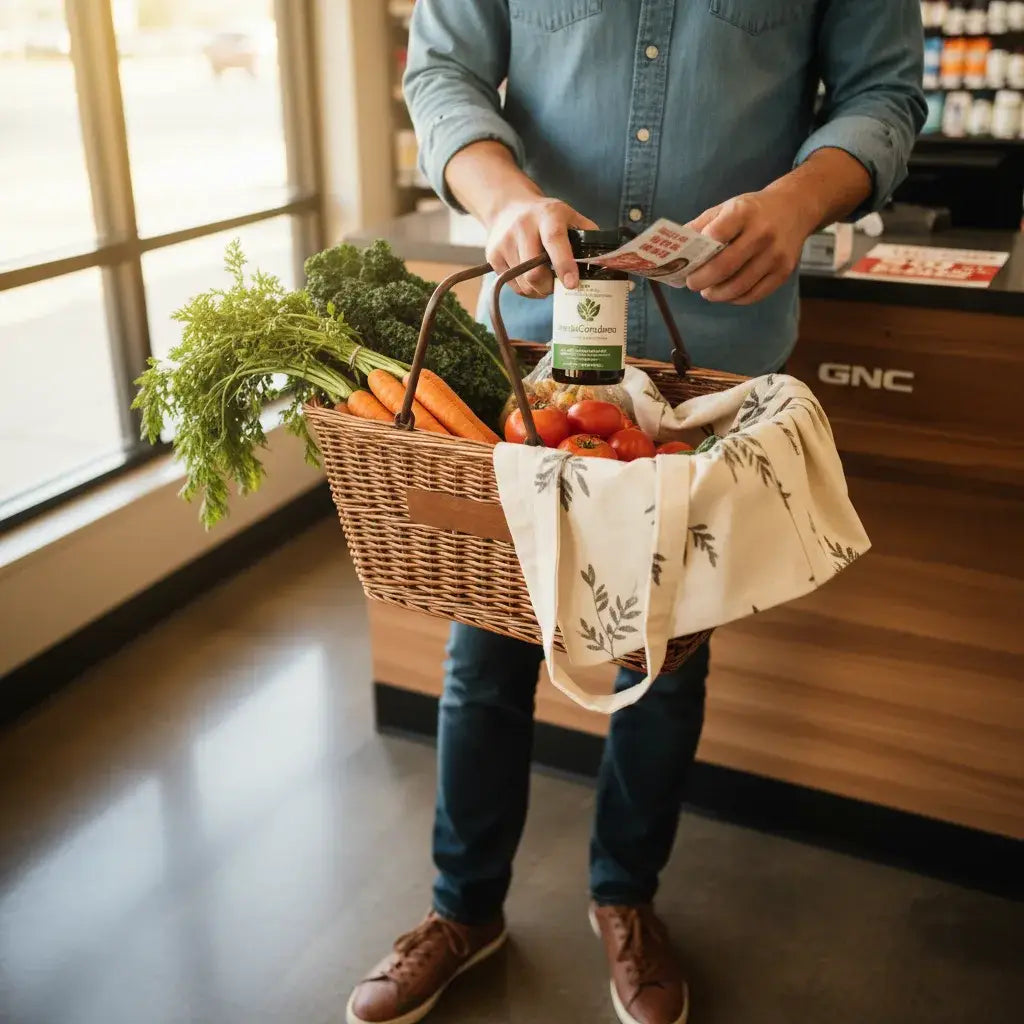
How and where a supplement sits on the shelf can directly impact its quality and safety — especially for organic and clean products.
Protective Packaging
- Opaque or Dark-Tinted Bottles: These reduce UV and light exposure, which can degrade plant-based ingredients.
- Sealed, Tamper-Evident Closures: Safety seals should be intact. Avoid products with broken, loose, or missing protective seals.
- Airtight Containers: Many organic powders and extracts need airtight packaging to prevent moisture ingress and clumping.
Retail Storage Conditions
- Cool, Dry Shelf Placement: Herbal supplements do best out of direct sunlight, away from heating vents, and in the main part of the store — not in window displays or high-heat areas. For example, premium quality and freshness are prioritized in Papaya Leaf Extract Blood Support - 10X 60/450mg Capsules - Blood Platelet.
- Check for Dust or Build-Up: Excess dust or sticky residue could signal that products have sat too long or have been mishandled.
- Rotation & Stock Turnover: Shelf tags may show restock dates. Fresher inventory is usually a good sign of high product quality and store attention.

Balancing Price and Quality: How to Make Smart Choices
Promos are appealing, but with herbal supplements, cheapest does not always mean best. Consider these factors before reaching for the “best deal.”
What Affects Herbal Supplement Pricing?
- Certified organic and third-party tested products often cost more due to strict standards and smaller batch production.
- Sourcing and rarity of herbs, advanced extraction techniques, and sustainable packaging all contribute to price.
- Unit pricing — cost per capsule, serving, or ounce — provides clearer value comparisons than overall package price.
Smart Spending Strategies at GNC
- Prioritize Essentials: If on a budget, choose one or two top-quality, certified supplements that meet your specific wellness goals rather than a handful of discounted ones. Consider prioritizing specialized formulations like Papaya Leaf Extract - Organic 1oz 15X Liquid - Blood Platelet.
- Shop Seasonally: National chains occasionally rotate clean or organic products onto sale, particularly post-holiday or after new inventory arrives.
- Ask Store Staff: Team members are trained to explain labels, expiration policies, and shelf life — utilize their expertise.
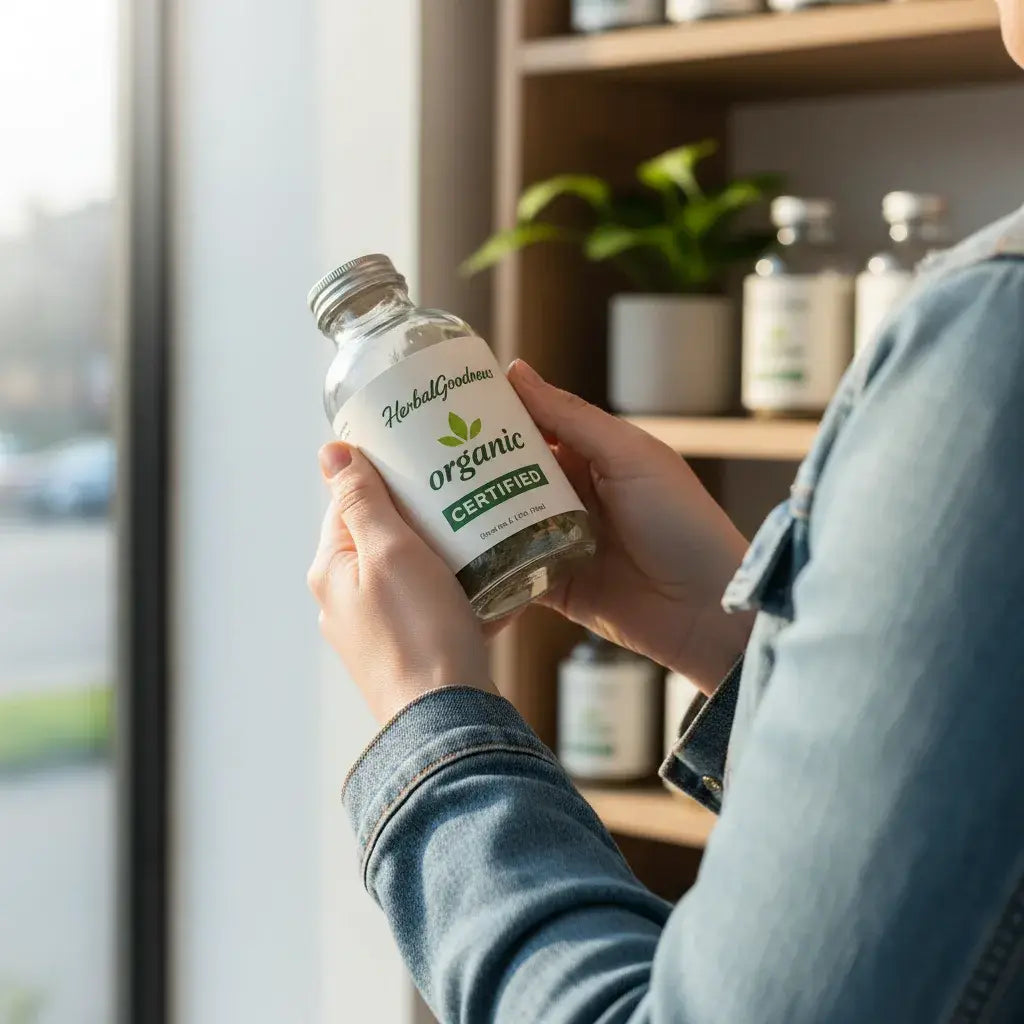
Key Takeaway: Sometimes, paying a premium for verifiable quality and freshness pays off in overall satisfaction.
Glossary of Marketing Terms: Separating Signal from Noise
Walking the GNC aisles, you’ll encounter an alphabet soup of product claims. Here’s how to interpret them:
- All Natural: Not regulated. Focus on specific certifications instead.
- Plant-Based: Usually indicates the product contains only herbal or non-animal ingredients, but always check the full ingredient list.
- Non-GMO: Does not guarantee organic standards, just that ingredients are not genetically engineered. Batch-certified options such as Papaya Leaf Extract - Capsules 600mg - 10X Strength will detail this clarity.
- Organic: This is meaningful only when accompanied by a recognized certification seal.
- Raw: Suggests minimal processing, but is not a guarantee of purity or cleanliness.
- Superfood: Marketing term, not a scientific classification — look for transparency in sourcing and composition.
Making the Final Decision: A Simple Checklist
Before you check out, quickly assess these factors:
- Certification: Does your chosen supplement display trusted organic or third-party seals?
- Label Transparency: Are ingredients, batch number, and expiration date easily visible?
- Packaging: Is it undamaged and protective?
- Promotion: Is the deal offering real value (not just more for less)?
- Store Conditions: Was the product stored properly in a climate-controlled area?
- Personal Priorities: Does the supplement align with your dietary and ethical preferences?
By staying alert to these cues and informed about common label language, you’ll confidently navigate GNC’s deals and build a supplement regimen grounded in quality and transparency.
FAQs:
- What does 'certified organic' really mean on herbal supplements?
Certified organic supplements must meet established standards by recognized third parties (like USDA). This includes growing herbs without prohibited pesticides, synthetic fertilizers, or GMOs and following rigorous handling protocols. Always look for an official seal to verify these claims.
- How do I spot cleaner, higher-quality supplements among store promotions?
Look past sales language and prioritize supplements with third-party certifications, minimal additives, recent expiration dates, and protective, intact packaging. Always check labels and ingredient transparency over flashy discounts.
- Why are third-party tested supplements so important?
Third-party testing adds an extra layer of validation by confirming a product’s label accuracy and screening for unwanted contaminants. This assurance is particularly valuable for clean, organic supplements with fewer preservatives or additives.
- How can I compare value when shopping BOGO or multi-pack sales?
Compare unit pricing (cost per capsule, serving, or gram), check for identical formulations, and ensure you can use all units before their expiration. Sometimes a higher-upfront cost yields better value per serving.
- Is 'natural' the same as organic or clean on supplement labels?
No. 'Natural' is not regulated and can mean different things between brands. Certified organic and clean products require third-party verification and standardized practices.
- What packaging features help preserve supplement quality?
Opaque or dark-tinted bottles, airtight seals, and undamaged tamper-evident closures help maintain freshness and protect herbal ingredients from light, moisture, and air exposure.
Author Name:
Herbal Goodness Editorial Team
Author Bio:
The Herbal Goodness Editorial Team specializes in holistic health and superfoods, blending science and nature to educate and empower our community.
References:
Introducing Graviola to Young Taste Buds: Fun, Family-Friendly Flavor Exploration